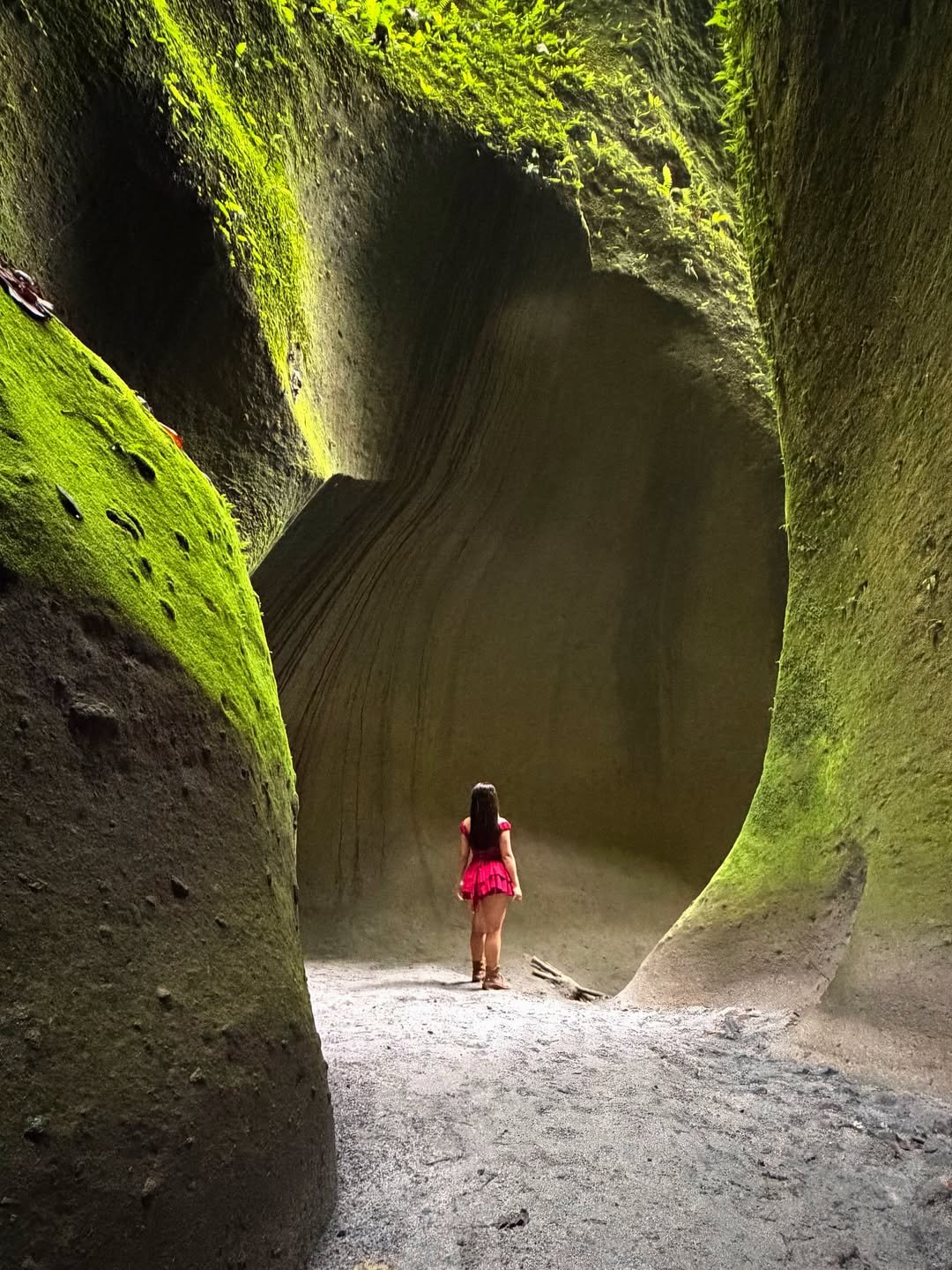
A true guide to the Philippines should do more than list beaches — it should explain why the country feels the way it does, and then show you exactly where to point that feeling. This is the deep companion: the regions and their stars, the seasonal calendar, the food and the festivals, the routes that work, and the honest guidance our desk gives on every enquiry. Read it like a conversation with a well-travelled friend who happens to plan these islands for a living.
01.Understanding the Country in Three Ideas
Idea one: the Philippines is water-first. More than seven thousand islands mean the sea is not scenery here — it is the road system, the food supply and the national mood. Plan around boats and crossings, not highways, and the country opens. Idea two: hospitality is the culture’s core export. Guests are fed before they are asked anything, welcomed with a warmth that photographs cannot carry, and remembered by name. Idea three: variety is the real attraction — each island group holds a different personality, which is why one-visit-one-country thinking fails here.
These three ideas explain every practical recommendation that follows: why routes follow water, why guides matter more than usual, and why the honest answer to “which island is best?” is always “best for what?”. Travellers who absorb the three ideas plan better than travellers with longer lists.
- Water-first — the sea is the road system; plan around it.
- Hospitality-core — the welcome is the destination’s co-star.
- Variety-real — each region is a different holiday.
02.The Regions and Their Stars
Palawan holds the world-famous seascapes: El Nido’s lagoons, Coron’s lakes and wrecks, Puerto Princesa’s underground river. The Visayas holds the variety: Boracay’s powder, Cebu’s whale sharks and canyons, Bohol’s hills and tarsiers, plus the quieter islands — Panglao, Siquijor, Camiguin, Bantayan — where the country exhales. Luzon holds the capital, the Spanish-walled history, and the Cordillera’s rice terraces climbing into cool air. Siargao, east of the Visayas, holds the surf and the café rhythm. Mindanao and the south hold the frontier: waterfalls, durian and few foreign footprints.
Choosing among them is choosing a mood. Postcards: Palawan. Variety and ease: the Visayas. Culture and cool air: Luzon’s highlands. Waves and slow mornings: Siargao. First visits pair two regions; deeper visits give each its own week. The one wrong answer is all of them at once — the archipelago punishes collectors and rewards residents, at least for a week at a time.
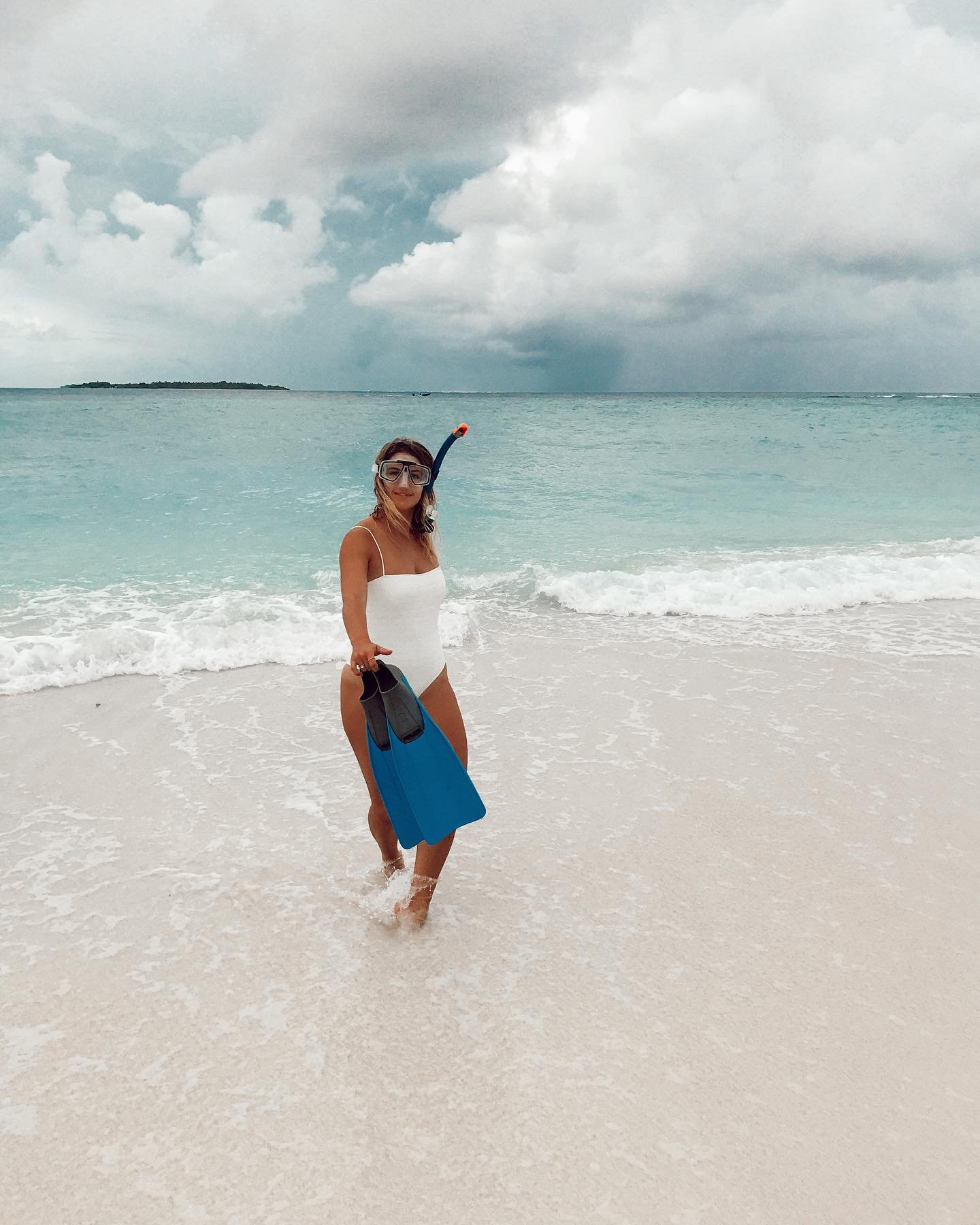
Deep-cut rule: add one quiet island to every famous-heavy route — Siquijor after Bohol, Port Barton after El Nido. The famous names show you the postcard; the quiet ones show you the country.
03.The Seasonal Calendar
December to May: the dry arc. Blue skies, calm seas, full calendars — postcard season, busiest rooms, book two to three months ahead. June to November: the green arc. Showers arrive as short performances rather than ruined days, rates soften, crowds thin, and Siargao’s surf climbs to its peak. Both arcs suit travel; they suit different travellers — certainty versus value, spectacle versus space.
Inside the calendar, three tools refine the plan. Festivals: January’s grand Cebu celebration turns streets into drums; provincial fiestas run year-round and reward flexible travellers. Wildlife clocks: whale-shark seasons, diving visibility and bird mornings each carry their own months — ask your desk to align them. Daily rhythm: mornings own the sea everywhere in this country; afternoons own the shade. Build days that respect both and even the wet arc performs.
04.Food and Culture: The Second Attraction
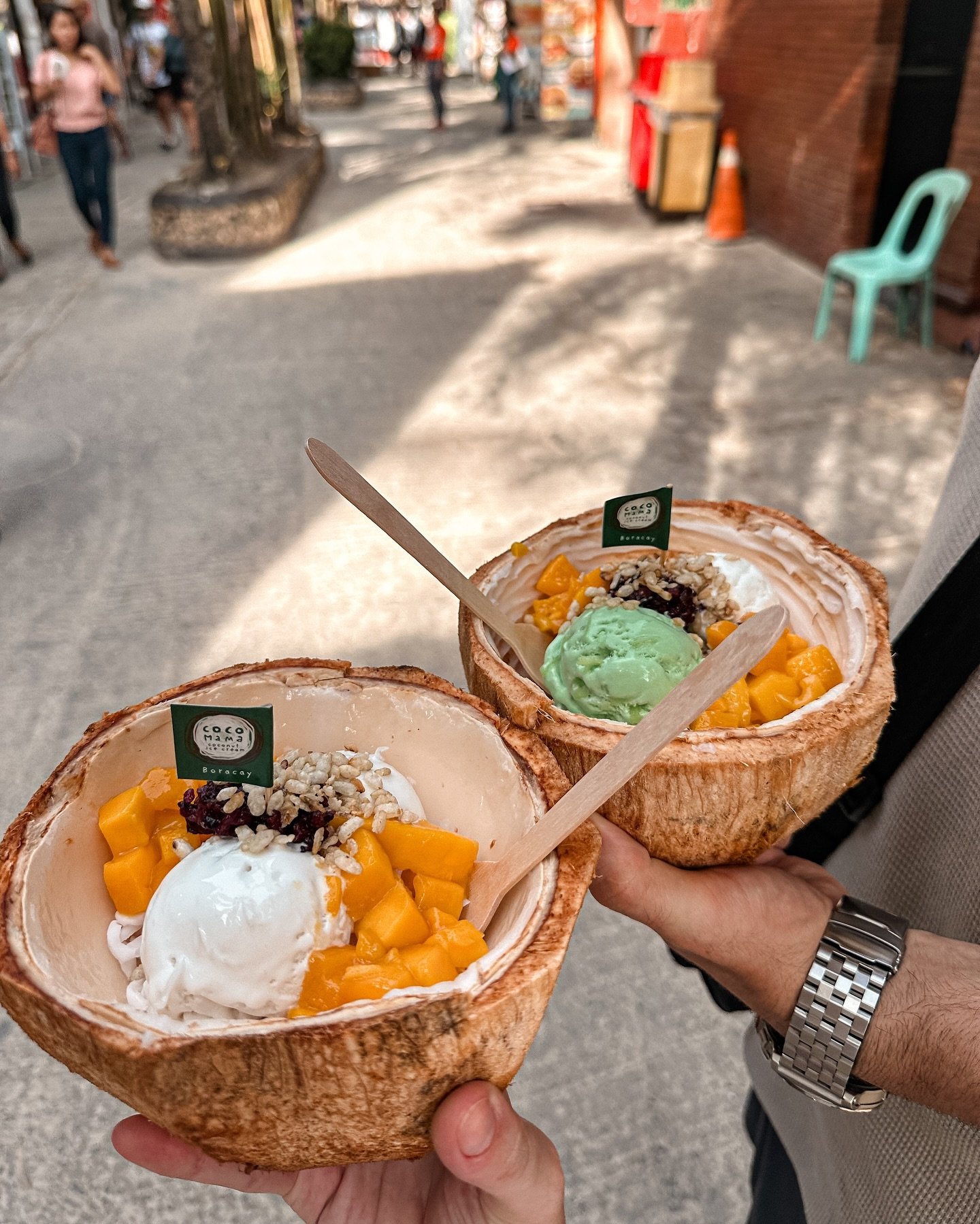
Food here is a destination with its own map. Begin with lechon — Cebu’s celebrated roast pig, a dish with partisans and defences. Continue through sour sinigang broths, vinegar-bright kinilaw seafood, grilled fish eaten at the table that grilled it, and the mango that tastes like a dare to other countries. Finish every meal the local way: halo-halo, a shaved-ice architecture of sweets that explains itself. Carinderias — the humble eateries — serve the country’s truest cooking at pocket prices.
Culture shows in gatherings: fiestas that turn towns into streets of colour, family tables that add chairs for strangers, and the politeness rituals — both hands, soft voices, the smile that opens every queue. Travellers who engage the culture’s layer — a market walk, a kitchen invitation, a festival morning — consistently rate those hours above any lagoon. The scenery brought you; the people keep you.

Food rule from the desk: eat where the queue is local and the menu is short. The country's best kitchens have no websites and need none.
05.Routes and Costs, Explained in Words
Routes that work: one week in Palawan; one week Bohol-and-Boracay for families; ten days stitching Cebu, Bohol and a beach finale; two weeks pairing Palawan with the Visayas; three weeks adding Siargao or the highlands. The design rule stays constant — one region per week, one water island then one beach island, the finale on sand. Costs, in words rather than numbers: simple travel here is genuinely light — guesthouses, ferries and carinderia tables; comfortable travel — beachfront rooms, guided boats, most meals — is the standard visitors choose and packages bundle; celebratory travel adds private boats, spas and dinners over water. The Philippines stretches and shrinks to fit almost any wallet without losing its magic.
Where money matters most: room location beats room size, licensed boats beat cheap boats, and the first trip beats the perfect trip — book, go, refine on the return. The desk’s quotes separate these layers transparently so you can steer between them.
06.Planning With a Desk That Knows the Country
A guide can inform a trip; a desk can deliver it. Ours plans Philippine journeys full-time — regions matched to travellers, routes paced by locals, resorts named not approximated, boats licensed and owned, and every transfer timed before you fly. The working method is a conversation: dates, travellers, the feeling you want; then a written itinerary with inclusions and exclusions in plain lines, tweakable until it fits, supported from first message to final sunset.
Enquiries are free and obligation-free — the quote is the education, and many travellers use it exactly so. But most, having seen the plan, choose to travel on it, because a guide to the Philippines is ultimately measured in one currency: how the country feels when you arrive. Handled properly, it feels like the welcome you have read about — warm, personal and slightly better than promised.
The companion's last word: the Philippines rewards the travellers who arrive curious rather than certain. Bring questions, not checklists — the country answers them all, usually with a boat.
07.Notes for the Second Visit
The complete guide’s honest secret: the first visit only sketches the country. So here are the second-visit notes. The deep-dive rule: return to one cluster and stay put — a Palawan fortnight that finally reaches the quiet south, a Visayas month of island-hopping at fishing-village pace. The season flip: saw the dry arc? Come green — the surf builds, the crowds thin, the islands exhale. The secret quota: two quiet islands for every famous one — Siquijor after Bohol, Port Barton after El Nido.
The skill upgrade: second visits learn the water — the dive certification, the surf progression, the kayak confidence — because familiarity converts thrill-seekers into practitioners. And the relationship dividend: request the same guide, the same crews, the same tables; the country remembers, and the second trip arrives pre-warmed. Our desk keeps second-visit files for exactly this — tell us what the first trip left unfinished, and the return route finishes it.
- Deep-dive rule — one cluster, held long.
- Season flip — green arc returns exhale and surf.
- Relationship dividend — request the same crew; arrive pre-warmed.
08.The Companion’s Closing Notes
Every guide closes with the notes it could not fit elsewhere. On pace: the country rewards the traveller who lingers; build the itinerary around the afternoons you will protect, not the mornings you might fill. On planning: book the anchors, hold the middle, and let one day per week belong entirely to improvisation — the Philippines is at its best unannounced. On money: spend on position and boats, save on almost everything else, and treat the splurge as a line item, not a guilt.
On people: the friendships formed here outlast the tan — guides become Christmas-card contacts, crews become reunions’ reasons; request the same team on return trips and watch the country arrive pre-warmed. On photography: shoot the mornings, put the camera down at lunch, and let the sunset be watched rather than captured at least once. And on the last night: book it on sand. Every note above is distilled from debriefs; every debrief, eventually, says the same thing in different words — the guide was right, the islands were better, and the return ticket was written early.
- Plan around protected afternoons — the lingering reward.
- One improvisation day weekly — the country’s best arrives unannounced.
- Last night on sand — the closing note, always.
09.Frequently Asked Questions
Honest answers to the questions travellers ask our desk most often when planning a complete Philippine journey.
What are the main regions of the Philippines for travellers?
Palawan for the world-famous lagoons and wrecks; the Visayas for variety — Boracay, Cebu, Bohol and the quiet islands; Luzon for Manila, heritage and the Cordillera terraces; Siargao for surf and café rhythm; Mindanao for the uncrowded frontier. First visits pair two regions; deeper visits give each its own week.
When is the best time to travel to the Philippines?
December to May brings the dry arc — blue skies, calm seas, busier rooms. June to November is the green arc — short showers, softer rates, thinner crowds and Siargao's peak surf. Both suit travel; the choice is certainty versus value. Mornings own the sea in every season.
What food should travellers not miss?
Cebu's celebrated lechon, sour sinigang broths, vinegar-bright kinilaw, grilled fish at the table that cooked it, and the mango that embarrasses other countries. Finish with halo-halo. Eat where the queue is local and the menu is short — the truest kitchens have no websites.
How should a first itinerary be structured?
One region per week, one water island then one beach island, mornings for the sea and the finale on sand. One week covers Palawan or Bohol-and-Boracay; ten days stitch Cebu, Bohol and a beach finish; two weeks pair Palawan with the Visayas. Pace is the real itinerary.
How can a specialist desk improve a Philippine trip?
By converting understanding into logistics: regions matched to your travellers, routes paced locally, named resorts and licensed boats, timed transfers and written inclusions with honest exclusions. One conversation — dates, group, feeling — returns a plan that runs itself. Enquiries are free and obligation-free.
How should a second visit to the Philippines differ from the first?
Go deep instead of wide: one cluster held for the whole trip, the season flipped if the first visit rode the dry arc, and two quiet islands for every famous one. Add a skill — diving, surf, kayaking — because familiarity converts thrill-seekers into practitioners. The desk keeps second-visit files for exactly this.
Is the green season really suitable for a return trip?
Genuinely — it is the return trip's best-kept option: Siargao's surf peaks, the stars surrender their queues, rates soften, and the showers arrive as brief performances. Keep bookings flexible so boat days can shuffle, and the green arc delivers the islands at their most intimate.
What is the one piece of advice that outlasts this guide?
Book the last night on sand. Behind it stand the supporting notes: plan around protected afternoons, keep one improvisation day weekly, spend on position and boats, and request the same guides on return trips — the country arrives pre-warmed for travellers it remembers. The debriefs, eventually, all agree.
Ready when you are: every enquiry is free and without obligation. Tell us your travel month and group size — a real travel specialist (not a bot) replies within 24 hours, or WhatsApp us for a same-day answer.