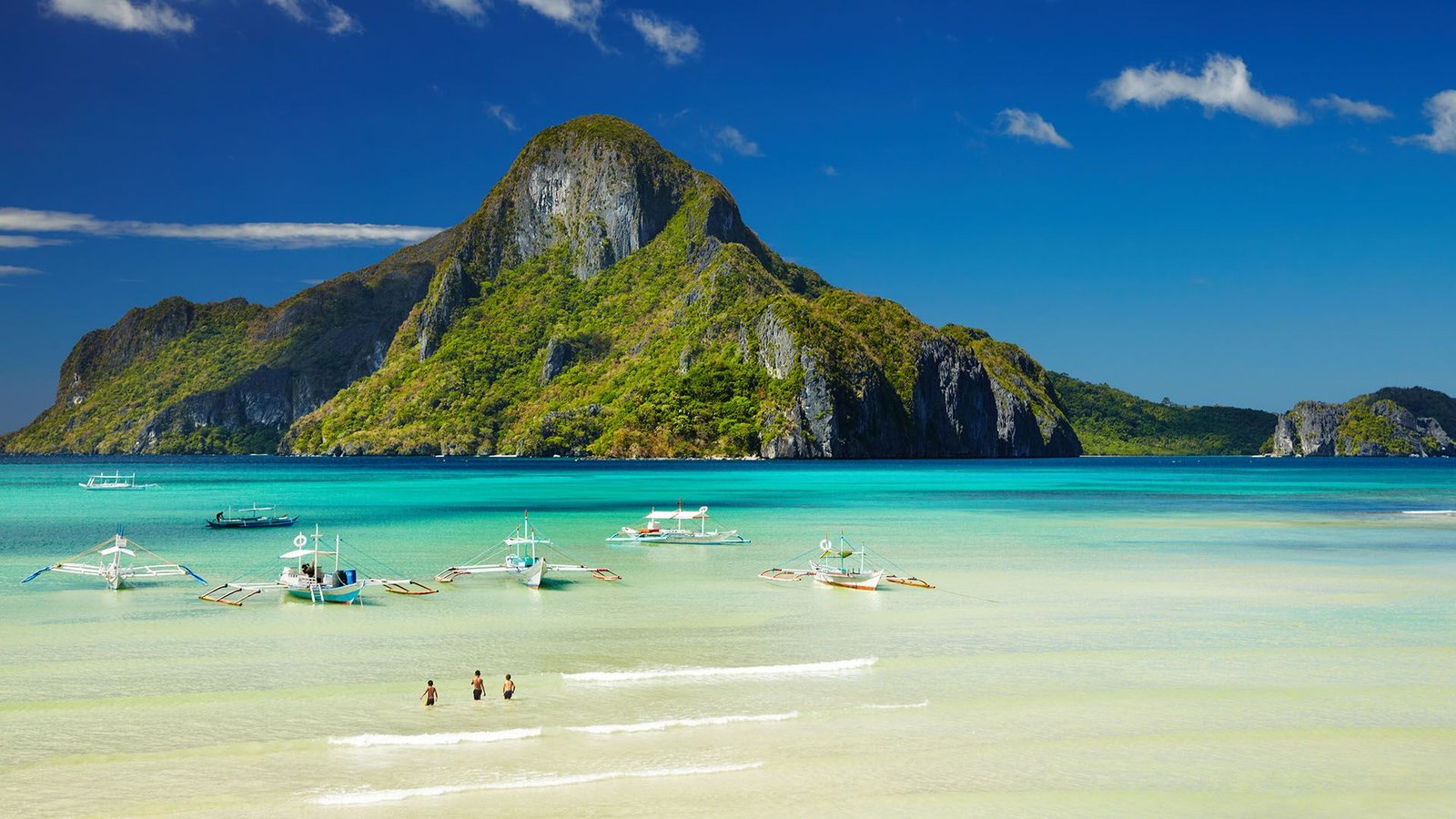
A good Philippines trip planner does two things: it puts every decision in the right order, and it stops you researching the wrong things at the wrong time. Planning seven thousand islands can feel endless if you start in the middle — comparing hotels before choosing islands, or flights before fixing dates. This planner gives you the sequence our own specialists use on every booking, from the first spark of interest to the day your airport transfer picks you up.
01.Step One: Fix Your Dates and Trip Length
Everything else depends on two numbers: when you can travel and how many days you actually have on the ground. Be honest with both. Count flight days — reaching the Philippines from India takes most of a day each way, so a “ten-day trip” is really eight island days. As a rule of thumb, one island group per week keeps a holiday feeling like a holiday, and every extra week unlocks one more region.
Season matters as much as length. The dry months bring calm seas and postcard skies and reward early booking; the greener months bring lower rates, quieter beaches and superb surfing in Siargao. Neither season is wrong — they simply suit different travellers. Write your dates down first, because every later decision, from ferries to room categories, hangs on them.
- One week — one island group, done well.
- Ten days — two regions stitched by a smart route.
- Two to three weeks — the full archipelago experience.
02.Step Two: Choose Your Islands — Fewer Than You Think
The commonest planning mistake is trying to see everything. The Philippines rewards depth over distance. Pick a primary island and a secondary one, and let the trip breathe. First-timers usually pair Palawan (El Nido, Coron) with Cebu or Bohol for whalesharks, waterfalls and hills. Beach purists lean towards Boracay; surf and café lovers choose Siargao; culture lovers add the rice terraces of the Cordillera.
Match islands to travellers, not to trends. Honeymooners want quiet sandbars and sunset decks; families want gentle swims and short transfers; friend groups want activities and nightlife. If two people in your group want different things, choose a hub that serves both — Cebu is the classic answer, pairing a lively city with adrenaline in the south. Write your two or three island names down; resist the urge to add a fourth.
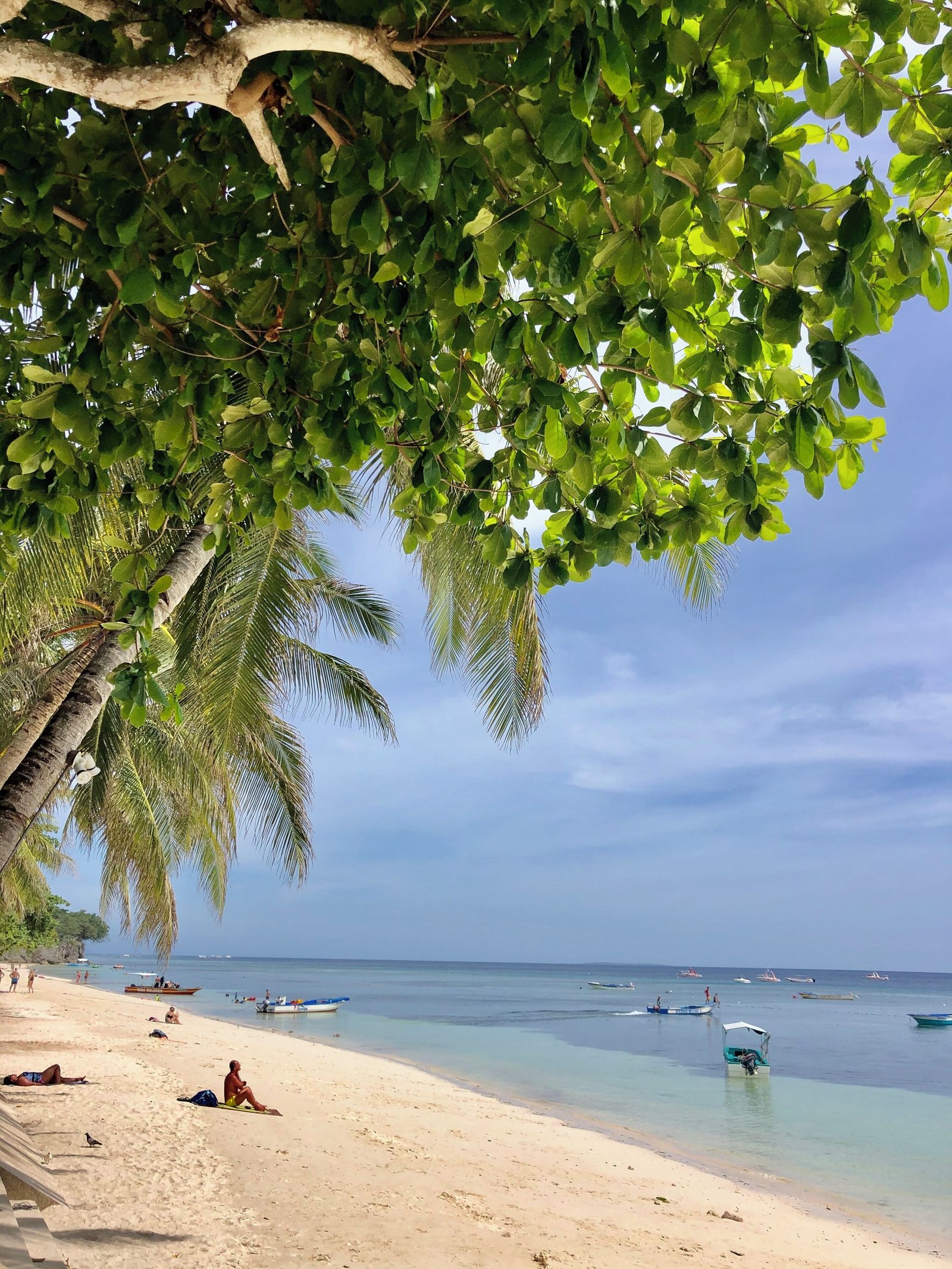
Think in journeys, not dots on a map. Every island you add costs half a day in transfers at least. When our specialists review self-planned itineraries, the first thing we do is remove an island — and the traveller always thanks us later.
03.Step Three: Set Your Comfort Level, Not Just a Budget
Instead of starting with a number, start with a comfort level, because the Philippines accommodates every one of them beautifully. A simple trip uses fan rooms, ferries and street food, and feels adventurous. A comfortable trip uses beachfront resorts, private boats and guided tours — the style most Indian travellers choose for a first visit. A celebratory trip adds overwater dinners, spa days and room upgrades for occasions that deserve them.
Your comfort level decides almost everything downstream: which resorts are realistic, whether transfers are private or shared, and how much free time the itinerary can afford. It also decides where to save. Money spent on a better bed usually pays off nightly; money spent on the fastest ferry pays off once. Decide your level honestly, share it with whoever plans your trip, and the rest of the plan falls into place.
04.Step Four: Flights, Entry Rules and Documents
With islands and dates fixed, flights make sense. From India there are no direct long-haul flights to the islands themselves, so you will connect through Manila, Cebu or Singapore — book the international leg first and keep domestic hops flexible. Indian passport holders should check current entry rules before booking; recent relaxations allow visa-free entry for Indian nationals holding valid visas or residence permits from select countries, with an e-visa covering everyone else.
Prepare a small document folder early: passport validity, entry permissions, travel insurance, and proof of onward travel. None of it is difficult; all of it is easier done at home than at an airport counter. Our desk sends a country-specific checklist with every enquiry so nothing is left to memory, and we flag any rule changes before you fly.
05.Step Five: Sketch Days, Then Hand Them to a Specialist
Now sketch a rough rhythm: boat days, beach days, one buffer day mid-trip. You do not need timetables yet — you need shape. A well-formed week looks like two active days, one slow day, repeat. Mark the non-negotiables (that lagoon tour, that spa afternoon) and leave genuine blank space; the Philippines rewards improvisation, and rain sometimes rearranges the best-laid plans anyway.
This sketch is exactly what our specialists turn into a booked reality. Send it with your dates and comfort level, and we handle resort selection, boat permits, transfers and tour sequencing — rebuilding the sketch into a day-by-day itinerary within a day, free of charge and without obligation. Planning should end with a plan, not with exhaustion; that is the whole point of a planner.

Keep one evening of your trip unplanned on purpose. Some of the best traveller stories we hear started as a blank slot that a local recommendation filled — a beach barbecue, a neighbourhood fiesta, a fisherman offering to show his patch of reef.
06.Step Six: Book, Pack and Go
Confirmation order matters: international flights first, then the package, then anything extra like dive courses or special dinners. Book two to three months ahead for peak months, and keep every voucher in one folder on your phone. Packing is its own mini-plan — reef-safe sunscreen, a dry bag, aqua shoes and one warm layer for air-conditioned ferries cover most needs; our full packing guide lists the rest.
Finally, appoint one traveller as document keeper and one as charge-controller, and agree on a morning meeting rhythm for boat days. Trips run smoothly on small habits, not big spreadsheets. When the plane lands and somebody is waiting at arrivals with your name on a board, all the planning becomes worth it — the holiday begins, and the planner’s job is done.
07.Planning Pitfalls the Desk Sees Every Week
A planner’s value shows most in the mistakes it prevents, so here are the weekly regulars. Over-collecting islands — the five-island week that becomes a transit schedule; the fix is the one-region-per-week rule, applied without mercy. Booking hotels before routes — a beautiful room in the wrong base costs a transfer every touring day; fix the route first, then buy the beds. Ignoring the monsoon shuffle — trips without weather slack spend their buffer days in lobbies; build the half-day in.
Underestimating transfers — every island costs half a day; itineraries that forget this feel like commutes. Leaving documents to the airport — entry rules, insurance and onward tickets deserve one calm evening at home. And the quietest pitfall: planning without a named human — group chats and portals assemble trips, but somebody with a name and a phone number is what actually rescues them. Our desk exists to be that somebody; the planning framework above works even better with one attached.
- Fix the route before the rooms — position follows plan.
- Build weather slack — one buffer half-day per island week.
- Name a human — every smooth trip has one on call.
08.The Planner’s Toolbox
Good planning runs on a few simple tools, all of them free. The one-page grid: dates down the side, islands across the top, transfers marked as half-days — one page that exposes over-ambition instantly. The folder habit: one place, physical and digital, for passports, permissions, vouchers and the specialist’s number; trips inherit their calm from it. The two-list method: a must-list of three experiences and a maybe-list of everything else — the must-list books early, the maybe-list fills the white space.
The budget envelope splits into three labelled parts — anchors, middle, joy — so spending decisions arrive pre-made. The weather line sits at the bottom of every page: one sentence on what happens if the sea votes otherwise. And the questions file: every doubt written down as it occurs, sent to the desk in one message rather than seventeen. None of these tools takes an evening to build; all of them repay the hour. Planning, done with a toolbox, is less a project than a pleasant afternoon — which is exactly how it should feel.
- One-page grid — over-ambition, exposed instantly.
- Must-list of three — the experiences that book first.
- Questions file — one message, not seventeen.
09.Frequently Asked Questions
Honest answers to the questions travellers ask our desk most often about planning a Philippines trip step by step.
How far in advance should I start planning a Philippines trip?
Start sketching islands and dates two to three months ahead for peak-season travel, and a month ahead for greener months. International flights and beachfront rooms reward early booking, while tours and transfers can be arranged closer to your dates by your specialist.
How many islands should a first trip cover?
Two islands in a week, or three in ten days, is the sweet spot. Every extra island costs at least half a day in transfers. Depth beats distance in the Philippines — travellers who slow down consistently report better holidays than those who race.
Can I plan the trip myself or should I use a specialist?
You can absolutely self-plan if you enjoy research and have flexible time. A specialist makes sense when you want hand-picked resorts, licensed boats, one point of contact and someone to rearrange days when weather interferes. Our planning help is free and comes with no obligation to book.
What documents do Indian travellers need for the Philippines?
Check the latest entry rules before booking — Indian nationals holding valid visas or residence permits from select countries can enter visa-free under recent relaxations, and an e-visa covers other travellers. Keep passport validity, insurance and onward tickets ready; we send a full checklist with every enquiry.
What is the best month to visit the Philippines?
December to May brings the driest, calmest weather and suits first-timers and honeymooners. June to November is greener, quieter and better value, with superb surf in Siargao. Both seasons work — the right one depends on whether you prize perfect skies or peaceful beaches.
What is the most common trip-planning mistake for the Philippines?
Over-collecting islands. Travellers draw five islands into one week and spend it in transit. The fix is structural: one island group per week, transfers counted as half-days, and a buffer for weather. Itineraries built this way feel like holidays rather than commutes.
Should I book hotels before or after finalising my route?
After, always. A gorgeous room in the wrong base adds a transfer to every touring day. Fix the route and its rhythm first, then choose rooms for position — sand at the doorstep of the days you will actually live. That order is what makes a plan feel tailored.
What tools make trip planning easier?
Five, all free: a one-page date-and-island grid, a single documents folder, a must-list of three experiences, a budget split into anchors, middle and joy, and a running questions file sent to your specialist in one message. Together they turn planning from a project into an afternoon.
Ready when you are: every enquiry is free and without obligation. Tell us your travel month and group size — a real travel specialist (not a bot) replies within 24 hours, or WhatsApp us for a same-day answer.