
This Philippines travel guide condenses what our travel desk tells every first-time caller into one readable page. The Philippines is an easy country to love and a slightly confusing one to plan — seven thousand islands will do that — so this guide keeps to what actually matters: when the weather behaves, which islands deserve your days, how transport really works, what money and food to expect, and the small cultural notes that turn tourists into welcome guests. Read it once with coffee; plan the trip with confidence.
01.When to Go: Seasons Without the Jargon
The Philippines runs on two seasons. The dry season from December to May delivers the postcard — blue skies, calm seas, reliable sunsets — and the biggest crowds; book two to three months ahead inside this window. The wet season from June to November is greener, quieter and cheaper; showers usually arrive as dramatic afternoon bursts rather than ruined days, and Siargao's surf season peaks right through it. Typhoons occasionally affect the north between July and October; Palawan and the Visayas sit mostly outside that path.
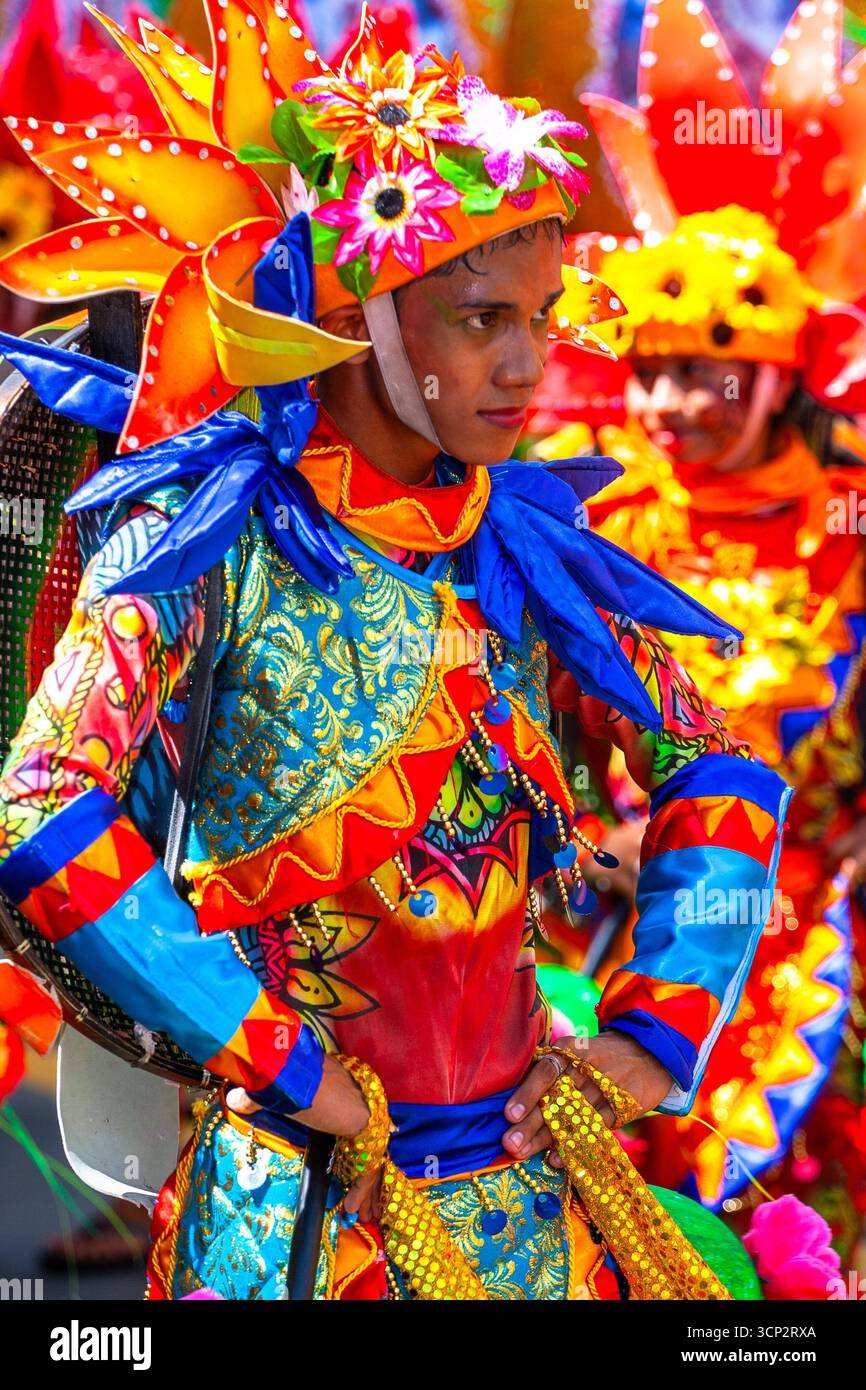
Two calendar highlights deserve planning around. Sinulog in Cebu — the third Sunday of January — turns the city into the country's biggest street festival, drums and costumes for miles. And Holy Week moves domestic travellers to the beaches, meaning island rooms fill early. For diving, March to May brings the clearest water; for whale sharks in Donsol, the season stretches from November to June. Pick your month by what you want to do, not just by the weather map — the Philippines is a year-round country with seasonal specialities.
- December to February — coolest, breeziest months; festive energy everywhere.
- March to May — hottest and driest; clearest water for diving and snorkelling.
- June to November — lush and quiet; short showers, softer rates, peak surf.
- January — Sinulog festival month in Cebu, for travellers who love a parade.
Whichever window you pick, choose reschedule-friendly booking terms — the islands occasionally improvise, and flexible terms turn weather into stories instead of losses.
02.Where to Go: The Islands That Matter
First trips concentrate on five stars. Palawan — El Nido's lagoons plus Coron's lakes and wrecks — is the scenery champion. Boracay is the beach lifestyle champion: four kilometres of powder sand, sunset sails, easy everything. Cebu balances a historic city with whale sharks, canyoneering and the sardine run. Bohol is the gentle family favourite with Chocolate Hills, tarsiers and calm Panglao waters. Siargao is the cool surf-and-café island where time slows politely. Manila anchors the north with history, food and day trips.
Beyond the famous five, repeaters chase the rice terraces of Banaue, Donsol's whale sharks, Camiguin's volcano island and the dive walls of Tubbataha. The beginner's rule that never fails: one island group per week, two islands maximum in seven days. The country rewards depth over distance so reliably that seasoned travellers now plan by it. Choose islands by the mood you want — wonder, rest, adventure or culture — and let the map do the rest.

Getting between them: short domestic flights and a handful of scenic ferries connect the stars, which is exactly why packaged itineraries chain them so neatly.
03.Getting Around: Boats, Flights and Tricycles
Transport here is half the adventure, and simpler than it looks. Domestic flights connect Manila and Cebu to every major island — book them as part of your package so terminals and timings lock together. Ferries link the famous pairs: El Nido to Coron by fast craft, Cebu to Bohol in under two hours. On the islands, tricycles (motorbike sidecars) run short hops, multicab vans run longer routes, and resort transfers cover the rest. On the water, the outrigger banca is the national workhorse — stable, shaded and photogenic.
Two practical habits smooth everything: build buffer around boat days, because schedules bend with weather; and let your package handle inter-island tickets, because walking up to a ferry counter with luggage and a monsoon forecast is nobody's favourite memory. In cities, app-based cabs work well and are cheap by Indian metro standards. Domestic airports charge small terminal fees and weigh bags strictly — pack soft, board early, enjoy the window seat.
A quick word for the brave who consider self-driving the islands: skip it. Distances are short, but roads wander, signage wanders further, and every destination worth reaching is better met by a driver who knows the bumps by name. Walking works wonderfully in town centres — Intramuros, El Nido's beachfront, Siargao's tourism road — and bicycles are a Siargao evening tradition. The golden rule of Philippine transport: short distances by tricycle with a smile, long distances by plane or ferry with a booking, everything in between by arrangement. Follow it and transport becomes scenery, not stress.
04.Money: Cards, Cash and Tipping
The currency is the Philippine peso. Cards work in cities, malls and resorts; cash rules the islands — beach shacks, tricycles, markets and small boats all prefer notes. Withdraw from airport or city ATMs, keep small denominations for tips and tricycles, and remember that island ATMs can sulk for days. If you are on a package, most of the heavy spending — stays, boats, transfers, tour lunches — is already handled, so holiday cash mainly covers dinners, drinks and souvenirs.
Tipping is appreciated, not obligatory: boat crews and guides receive pooled tips at trip's end, masseuses and porters small change for small services, and restaurants often include service — check the bill. Keep notes dry in a zip pouch on boat days. And budget a little generosity — the crew who swam your snorkel mask back to the boat earned it.
One budget habit worth borrowing from experienced travellers: track the first two days, then stop. By then you will know that island dinners cost less than city coffees back home, tricycles cost less than auto-rickshaws, and the mango shakes are criminally underpriced. The point of the exercise is reassurance, not accounting. Keep a modest buffer for the souvenir pearls of Greenhills and the dried mango that will definitely multiply at the last airport stop, and let the rest of the holiday spend itself joyfully.
05.Food and Culture: Eat Boldly, Greet Warmly
Filipino food sits at the crossroads of Asia and Spain, and it rewards the curious. Start with lechon (celebration roast pork, Cebu's specialty), adobo (the garlicky national stew), kinilaw (Filipino ceviche), halo-halo (the legendary shaved-ice mountain) and mango shakes that ruin all future shakes. Vegetarian travellers manage well in resorts with advance notice; grilled corn, lumpia and fruit plates roam universally. Mall food courts in Manila and Cebu solve any craving in one stop.
Culturally, three habits win hearts instantly. Greet with a smile — Filipinos rank among the warmest people you will meet, and friendliness compounds. Use po and thank you freely; English is universal and appreciated. And accept hospitality gracefully when offered — food, help, a photograph with someone's baby. Remove footwear where locals do, ask before photographing people closely, and remember the national pace: things happen when tides, traffic and laughter allow. Relax into it; that is the point.
One etiquette note for temples and churches: cover shoulders, lower voices, and enjoy the architecture quietly. Filipinos take faith seriously and welcome respectful visitors warmly.
06.Safety, Connectivity and Practical Notes
The tourist Philippines is safe, welcoming and easy — standard travel sense covers the rest. Use licensed guides and boats (your package guarantees them), keep valuables discreet in cities, and trust crew decisions on sea conditions; they read weather the way farmers read clouds. Drink bottled water, pack reef-safe sunscreen, and carry motion-sickness tablets if boats are new to you. Travel insurance is recommended and addable at booking; clinics on the major islands are modern and English-speaking.
Connectivity is genuinely good: buy a Globe or Smart tourist SIM at Manila airport or activate an eSIM before departure, and 4G follows you across the major islands. Power plugs are Type A/B (flat pins) at 220V — Indian travellers need a simple adapter. Time runs two and a half hours ahead of India. Emergency support, doctor lists and a WhatsApp line to your desk come standard with a proper package — the invisible infrastructure that makes first visits feel like third visits.
07.Your First Trip: A Simple, Proven Plan
If you want the one-line answer to what should my first trip be?, here is the plan our desk recommends most: seven nights, two islands, one mood. Fly into Manila, onward to El Nido for four nights of lagoons and long beaches, ferry across to Coron for three nights of lakes and hot springs, and fly home through Manila with a bay-side farewell dinner. It is the perfect first date with the country — dramatic, unhurried, and leaves both of you wanting more.
Families swap that for Cebu plus Bohol; short-leave travellers take Boracay alone; surf-curious travellers take Siargao. Whatever the shape, book it as a package with written inclusions, confirm two to three months ahead for peak months, sort the e-visa early, and then do the hardest thing: stop planning. The Philippines has been rehearsing your welcome for centuries. Arrive, exhale, and let the islands do what they do best.
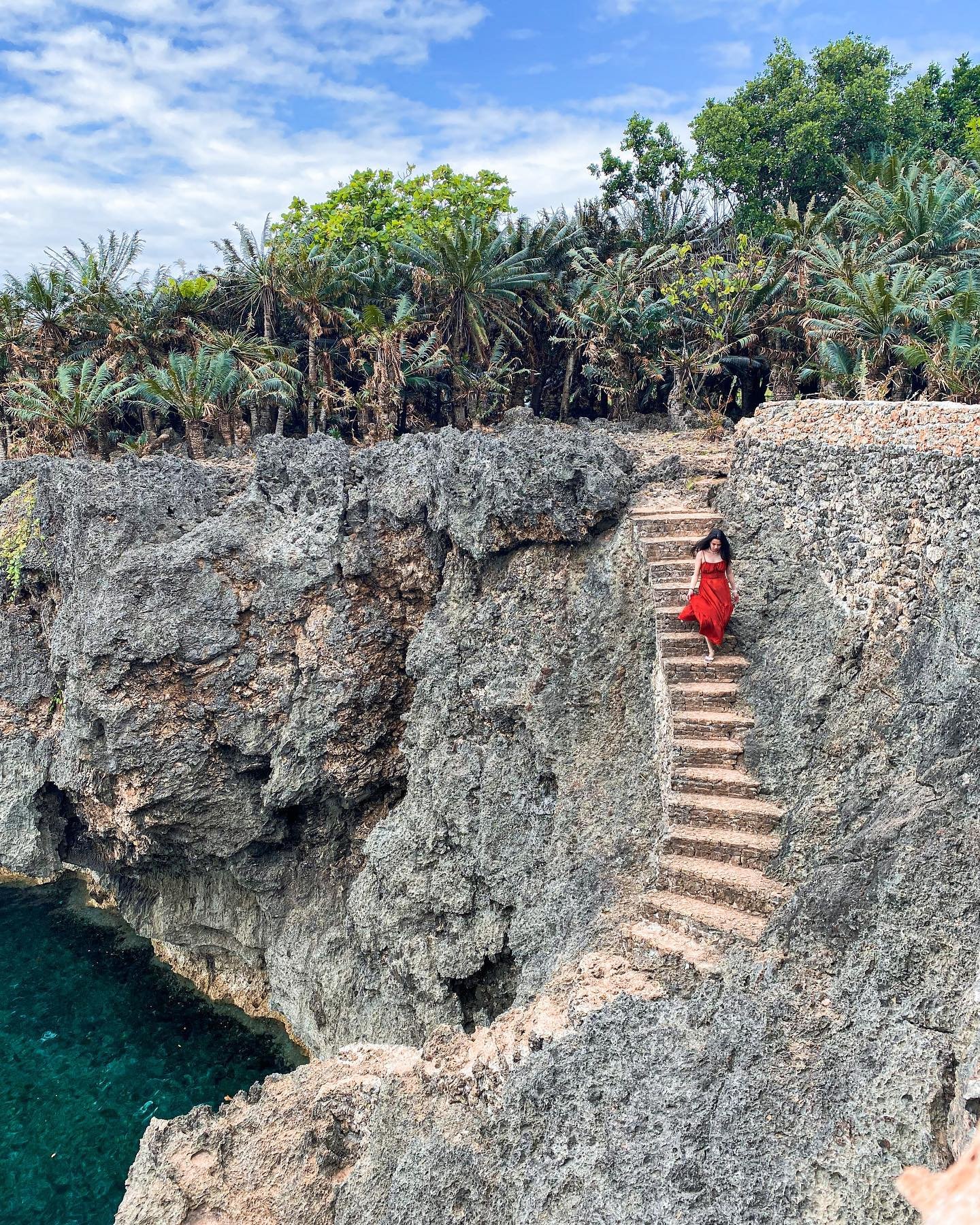
And when you come back — you will — the country's second chapter is waiting: Banaue's terraces, Donsol's giants, Camiguin's quiet. Welcome to the beginning of a beautiful habit.
08.Frequently Asked Questions
Honest answers to the questions travellers ask our desk most often about philippines travel guide.
What is the best time to visit the Philippines?
December to May is the dry season with blue skies and calm seas — ideal for first visits, book early. June to November is greener, quieter and cheaper, with short afternoon showers and the best surf in Siargao. Pick by activity: diving peaks March to May, whale sharks in Donsol from November to June.
How many days are enough for a first Philippines trip?
Seven nights is the sweet spot: one island group done properly, usually El Nido with Coron, or Cebu with Bohol. Ten days allow two regions like Palawan plus Boracay. Less than a week suits single-island escapes like Boracay.
Is the Philippines expensive for Indian travellers?
No — beachfront stays, boat days and meals run well below comparable beach destinations, and packaged itineraries stretch the budget further through contracted rates. Your specialist shapes the plan to your comfort level with transparent, written inclusions.
Do I need to speak Filipino to travel there?
Not at all. English is an official language, spoken universally — signage, menus, announcements and guides included. A warm smile and a thank you work as fluently as any phrasebook.
Is the Philippines safe for first-time visitors?
Yes, the tourist islands and cities are welcoming and safe with standard precautions: licensed boats and guides, registered cabs in cities, and attention to sea-condition briefings. Packages add a support line, vetted operators and insurance options for complete peace of mind.
What should I pack for the Philippines?
Light cottons, swimwear, reef-safe sunscreen, a dry bag, aqua shoes for rocky lagoons, one light layer for air-conditioned ferries and a power adapter with flat pins. Soft bags travel better than suitcases on boats, and a zip pouch keeps cash dry on island days.
Ready when you are: every enquiry is free and without obligation. Tell us your travel month and group size — a real travel specialist (not a bot) replies within 24 hours, or WhatsApp us for a same-day answer.