
To truly experience the Philippines is to go beyond the postcard blue. The beaches will still be there — spectacular as ever — but between them live street festivals that shake whole cities, food traditions that blend four continents, island villages where visitors become godparents, and a national warmth that travel writers keep failing to exhaust. This guide collects the experiences our travellers remember longest: the celebrations, the meals, the rituals and the small daily encounters that make the country feel less like a destination and more like a welcome.
01.Festivals: The Country's loudest Love Letter
Filipinos celebrate with their whole bodies, and planning a trip around a festival is the fastest route into the culture. Sinulog in Cebu — the third Sunday of January — turns the city into a river of drums, costume and devotion, with street dancers moving to a two-step rhythm that predates the Spanish. Ati-Atihan in Kalibo, the 'Mother of Philippine Festivals', paints its participants soot-black and lets the whole town dance for a week. Pahiyas in Lucban decorates entire houses with rice wafers, fruits and farm produce in thanksgiving that looks like harvest fell from the sky.
Smaller festivals reward those who wander: the giant lantern competition in San Fernando that turns December nights electric, mask-making feasts at MassKara in Bacolod, and hundreds of town fiestas where the barangay feeds strangers before you learn the saint's name. Festival travel needs early booking — rooms vanish for miles — but delivers the country at full volume. Go once, and every future holiday will quietly consult the festival calendar.
Etiquette for festival-goers is simple: wear comfortable shoes, ask before close-up photographs, accept the food offered to you, and dance when invited — you will be invited within minutes.
02.The Filipino Food Journey
Filipino food tells the archipelago's history on a plate — Malay roots, Chinese trade, Spanish kitchens and American snacks, all unified by a national talent for sourness and celebration. Start with the icons: lechon, the whole-roasted pig Cebu does famously (vegetarians, hold the thought — your icons follow); adobo, the garlicky stew every family guards its own recipe of; sinigang, the tamarind-sour soup that Filipinos crave abroad; kinilaw, the citrus-cooked seafood cousin of ceviche; and halo-halo, the dessert mountain that stacks sweet beans, jellies, ube and ice cream into one sacred mess.
The journey continues at street level: isaw skewers at dusk stalls, taho delivered warm at breakfast by vendors whose call is the country's actual alarm clock, and mango shakes so good they qualify as experiences. Vegetarian travellers eat well with advance notice — grilled corn, lumpiang gulay, fruit plates and resort kitchens briefed by your specialist. Food tours in Manila, Cebu and Siargao structure the introduction; after that, the country feeds you spontaneously, because hospitality here begins with the question have you eaten?
A few food-experience formats worth booking deliberately: the cooking class in a family kitchen, where adobo recipes arrive with genealogy; the market-to-table morning, choosing catch at dawn and eating it grilled by noon; the lechon house pilgrimage for the omnivorous, where Cebu's roasting traditions get explained between portions; and the dessert crawl — ube in every legal form, halo-halo debates conducted seriously, and the ensaymada that ruins breakfast hierarchies. Food experiences here run on stories as much as flavour, which is why travellers remember the cook's name longer than the dish's.
03.Island Life: The Slow Hours That Stay
The experiences that convert visitors happen between the big sights. A tricycle driver who detours to show you his cousin's bakery. The fisherman who mimes the morning's catch before words find their way. Village children who adopt your family for an afternoon of improvised cricket with a coconut-leaf ball. Sunset volleyball on beaches where the net has been up for twenty years and nobody remembers who won first. The Philippines lives outdoors, communally, and at a pace that re-teaches visitors what evenings were invented for.
Travellers can lean into this gently: take the tricycle instead of the car one afternoon, eat where the crew eats, learn three words — salamat (thank you), masarap (delicious), ingat (take care) — and watch doors open. Filipinos describe their country with the word kayod, hustle, and tulong, help; visitors experience both as the same kindness. No itinerary books these hours, and every returning traveller ranks them among the best spent.

Market mornings deserve a place on any experience list: fish auctions at dawn, fruit pyramids three feet tall, and vendors who gift the thirteenth mango 'for the road'.
04.Experiences Under the Water
The country's most extraordinary experiences happen with a mask on. Swimming above Moalboal's sardine run — millions of fish forming a living tornado you can enter — is a rite of passage. Gentle whale-shark encounters in Oslob or, even better, the boat-viewing format keep the giants close and the ethics clean. Turtle snorkelling at Balicasag and Apo Island delivers childhood-poster moments hourly, and Coron's Kayangan Lake swim — fresh water so clear that swimmers photograph their own shadows at depth — has ended careers of bigger attractions.
For the deeper-committed, wreck dives at Coron rest history on the seabed; thresher-shark dawns at Malapascua justify any alarm clock; and the Tubbataha expedition, in its brief calm season, ranks among the world's dive pilgrimages. Non-swimmers lose nothing: glass-bottom boats, reef-side wading and life-vest snorkelling bring the same scenes closer than expected. The ocean here is not an activity — it is the country's second population, and it is endlessly, generously social.
Practicalities keep the marine experiences joyful: go with licensed operators (packages guarantee them), respect the briefing rules at animal encounters — distances, no-touch, no-chase — and use reef-safe sunscreen so the reefs outlive the holiday photos. Morning water is calmest and clearest; book the animal encounters early in your trip so weather can reschedule them without drama. And leave the drone home for marine sanctuaries — most restrict flying, and the fish, frankly, find it rude.
05.Crafts, Markets and Souvenirs with Stories
The country's craft traditions make souvenirs that outlive the fridge magnet era. Weaving thrives across the islands — Abel loom blankets in the north, banana-fibre Barong fabric in the centre, colourful malong tubes in the south. Woodcarvers in Paete have supplied churches and collectors for generations. Pearls from Palawan and the south seas jewellery of Greenhills market gift elegantly, while dried mango, ube spreads and local coffee solve the 'what do I bring the office' question permanently.
Markets are experiences in themselves — arrive at opening for the best produce and the best conversations. Buy directly from weavers' cooperatives where possible; your specialist can route visits honestly. Bargain gently and smilingly where customary, and remember that in village workshops a small purchase funds a large pride. The best souvenirs here come with a maker's name attached, and the story travels with the object long after the tan fades.
Souvenir logistics, briefly: woven textiles roll rather than fold, pearls need the receipt for customs peace of mind, and food items clear airport security happily when sealed and packed in checked baggage. The last-day airport shops multiply prices on everything — buy dried mango in town, where the same packet costs a snack and the vendor remembers your face from Tuesday. Travellers who shop this way return with lighter suitcases and better stories, which is the correct trade in every currency.
06.Unique Ways to Stay
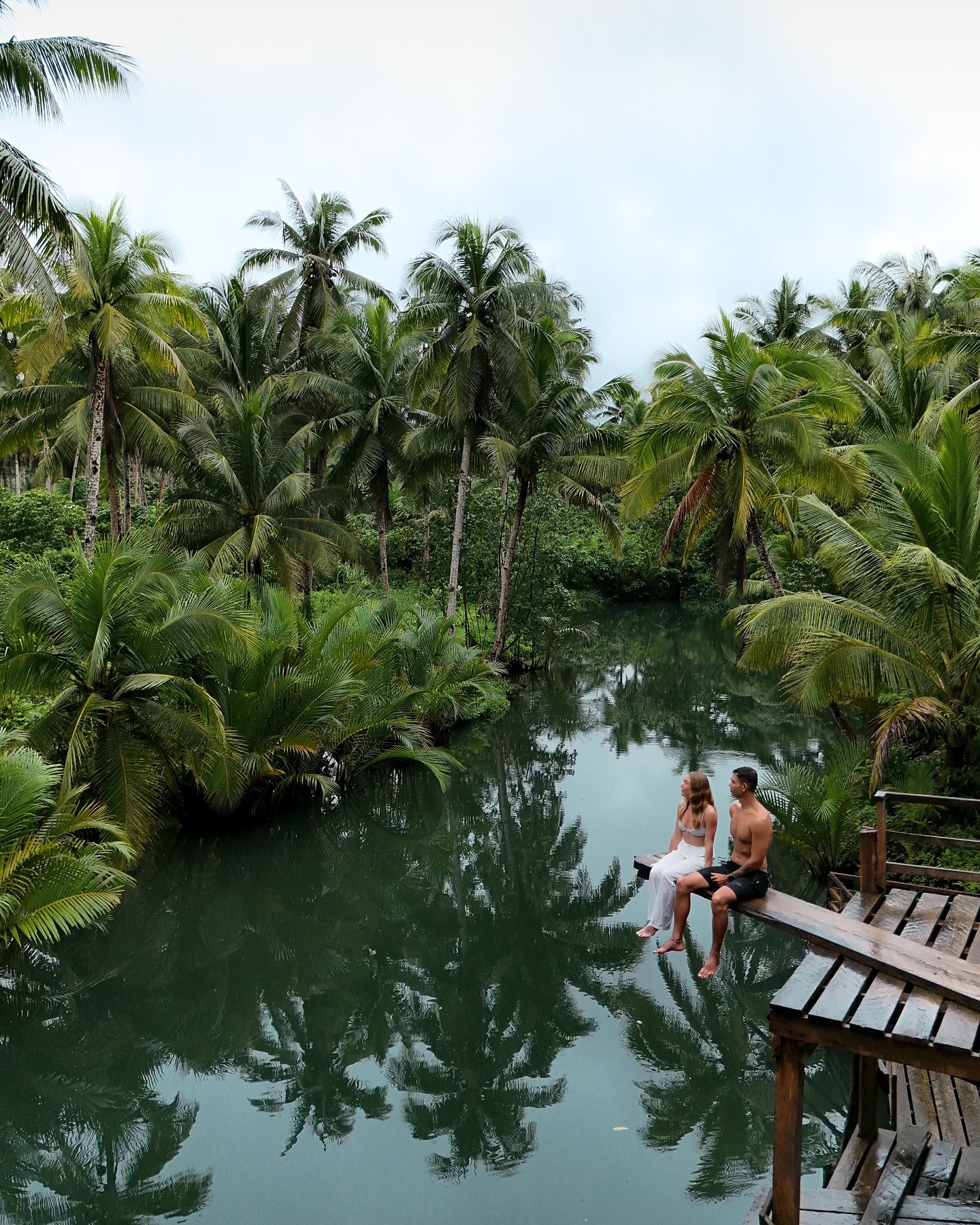
Accommodation can be an experience too. Cliff-view boutiques in El Nido suspend breakfast over Bacuit Bay. Overwater-style bungalows and beachfront villas in Coron and Siargao deliver the castaway fantasy with reliable plumbing. Floating river lodges on Bohol's Loboc turn the rainforest into wallpaper. In the Cordilleras, terrace-side guesthouses at Banaue wake you inside a UNESCO postcard, mist included. And homestays — the country's warmest format — pair a spare room with a family's cooking and opinions about everything.
Glamping has arrived on the islands too: bell tents on empty beaches, lantern-lit dinners, the sea as white noise. City travellers add heritage hotels inside Intramuros' walls, where corridors carry Spanish-era stories. Whatever the format, book experiences-forward: ask what the stay offers beyond the room — sunrise paddleboards, cooking mornings, village walks — and the specialists will match the stay to the experience rather than the reverse. In a country this social, where you sleep shapes who you meet.

One practical note: the most experience-rich stays are often the smallest, and small means scarce — book them months ahead for dry-season dates.
07.The Experience No Guidebook Prices
Every section above reduces to one recurring ingredient: people. The Philippines tops regional surveys of friendliness with a consistency that has bored statisticians. Filipinos greet guests as honoured — the word alaga, care, applies to visitors as readily as to children. Strangers walk you to your destination rather than pointing. Boat crews remember your coffee order by day two. Somewhere around the fourth day, travellers stop photographing the scenery and start photographing the people they have somehow adopted.
Visitor behaviour that honours this is correspondingly simple: learn the greetings, ask before photographing, tip the crews who swim after your sunglasses, accept invitations you would politely decline at home, and write to the family that fed you. The experience of the Philippines, in the end, is reciprocal by design — the country offers itself generously and asks only engagement in return. Bring curiosity, and the archipelago will make you feel less like a tourist and more like a guest of the family. That is the experience, and it is booked by simply showing up.
08.Frequently Asked Questions
Honest answers to the questions travellers ask our desk most often about experience philippines.
What is the best festival to experience in the Philippines?
Sinulog in Cebu is the biggest and easiest to plan around, Ati-Atihan in Kalibo is the most immersive, and MassKara in Bacolod is the most photogenic. For something gentler, Pahiyas in Lucban turns whole streets into harvest art. Book rooms months ahead for festival dates.
When is the Ati-Atihan festival held?
Ati-Atihan fills Kalibo in Aklan every January, building through the week to its biggest street dancing days — easily combined with a Boracay trip since the island sits a short road journey away. Book Kalibo and Boracay rooms early; the festival carries the whole province's crowd.
What food must visitors try in the Philippines?
The essentials: lechon in Cebu, adobo anywhere, sinigang for the sour-soup rite of passage, kinilaw for fresh seafood, and halo-halo for dessert bravado. Vegetarian travellers do well with grilled corn, lumpiang gulay and resort kitchens briefed in advance.
Is the Philippines really as friendly as people say?
Yes — consistently, measurably so. English is universal, hospitality is cultural, and guests are treated warmly in homes, boats and street stalls alike. The traveller's job is simply to engage: greet, ask, thank, and accept the generosity being offered.
What unique experiences can non-swimmers enjoy?
Plenty: festival streets, food walks, market mornings, craft villages, jeepney art, Intramuros history, rice-terrace viewpoints and glass-bottom or life-vest-supported snorkelling on calm reefs. The country's warmth operates fully on land.
How can travellers experience local life respectfully?
Learn a few greetings, ask before photographing people, buy from village weavers and market stalls, accept food invitations, and follow your guide's cues in homes and churches. Respect plus curiosity is the complete formula — Filipinos do the rest enthusiastically.
Ready when you are: every enquiry is free and without obligation. Tell us your travel month and group size — a real travel specialist (not a bot) replies within 24 hours, or WhatsApp us for a same-day answer.