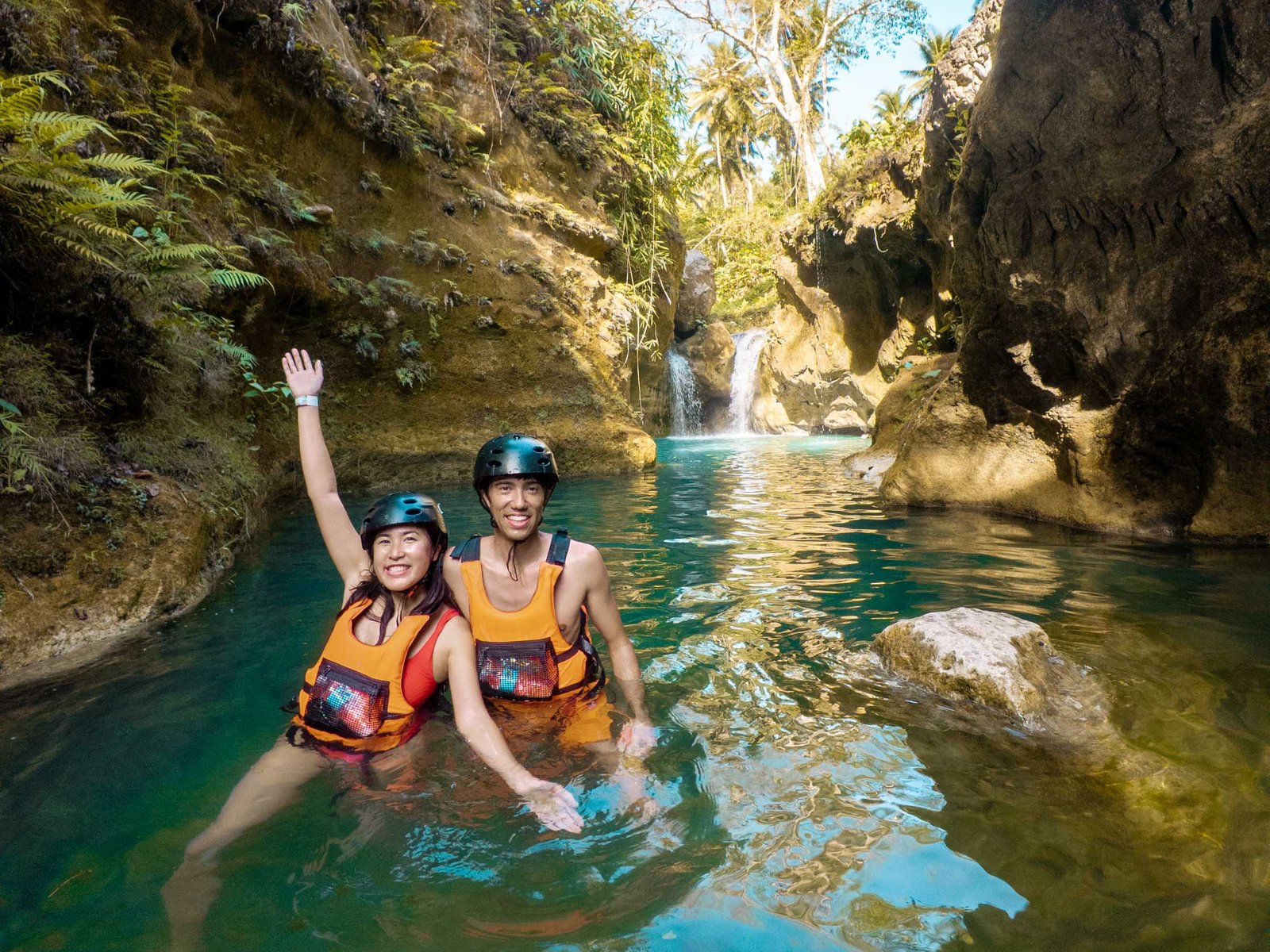
The Philippines adventure story starts where the beach brochures end. Behind the famous sandbars waits a country built for adrenaline: canyons that turn hiking into swimming, seas that host the biggest fish in the ocean, waves that taught Asia's surfers, caves that run under mountains, and volcano ridgelines with sunrise appointments. This guide maps the adventure landscape island by island and arranges it as a thrill ladder — so every traveller, from cautious to committed, finds their edge exactly where they like it.
01.Why the Philippines is an Adventure Country
Geography built the playground. The archipelago sits on the Pacific Ring of Fire, which explains the volcanoes, the hot springs and the dramatic karst geology; the same tectonic energy raised thousand-metre ridgelines from the sea and carved the caves beneath them. The surrounding deep water hosts everything from reef sharks to whale sharks, and the trade winds deliver waves with seasonal punctuality. Very few countries pack canyoning, world-class diving, surf, caving and volcano trekking into flight-distance of each other.
Access completes the case. Adventure here runs on a mature operator culture — licensed canyoneering guides, certified dive schools, surf instructors who teach in three languages — and on warm water that makes every wet activity comfortable year-round. Costs stay friendly by regional standards, so adventure travellers string more experiences per trip than anywhere comparable. The Philippines is not an adventure destination with beaches attached; it is an adventure country that happens to have the world's prettiest coastlines between activities.
The culture completes the equipment list. Adventure here is local livelihood, not imported entertainment — the canyoneering guides grew up swimming these rivers, the boatmen read currents their fathers taught them, the surf instructors learned on these exact waves. That depth shows in safety culture: briefings are specific, gear is maintained, and the 'no' you hear about weather is professional, not bureaucratic. Adventure travellers, a demanding audience, consistently rate the Philippines' operation quality above destinations with fancier brochures — because the operators here answer to the sea every day.
02.The Thrill Ladder: Choose Your Rung
- Rung one — gentle thrills: snorkelling reefs, kayak lagoons, waterfall swims, beginner ziplines. No experience needed, smiles guaranteed.
- Rung two — earned thrills: canyoneering's small jumps, introductory dives, turtle snorkels in current-lite water, sunrise volcano viewpoints.
- Rung three — committed thrills: the Kawasan canyon full circuit, open-water certification, surf lessons at real breaks, spelunking in Sagada's caves.
- Rung four — veteran thrills: wreck penetration dives at Coron, thresher-shark dawns at Malapascua, Tubbataha's liveaboard expedition, big-swell surfing.
The ladder matters because adventure should fit the traveller, not audition them. Couples routinely split rungs — one dives while the other snorkels the same reef — and family groups climb it generationally. Tell your specialist your rung honestly; itineraries arrange themselves around the answer.
03.Canyoneering: The Signature Thrill
Cebu's Kawasan canyoneering is the country's signature adventure — and the best introduction to the sport anywhere. The circuit follows the Badian River downstream through a canyon of turquoise basins, natural water slides and progressively confident jumps, ending at Kawasan Falls' multi-tiered blue theatre. Guides run the flow: small ledges first, bigger ledges when your grin approves, and a float-down finish that feels like the river applauding.
The full circuit takes most of a day and requires no experience — just reasonable fitness, a head for heights that negotiates with itself, and shoes that grip. Operators provide helmets, vests and life-jacket-clad humour. Combine it with the Moalboal sardine run next morning for Cebu's classic adventure double. And know this: canyoneering converts skeptics at a remarkable rate — travellers who book it nervously rebook it spontaneously on return trips, usually with their whole family.

Packing note: aqua shoes or grippy sandals, quick-dry shorts, and a waterproof camera with a wrist strap — the jumps produce the trip's best footage.
What canyoneering actually feels like, for the still-hesitant: less falling, more floating. The jumps land in deep basins that swallow you softly; the slides are polished rock the river spent millennia perfecting; and the guides demonstrate each feature first, every time. Nervous travellers go last, which conveniently means watching a dozen people grinning before it is your turn. By the final cascade, most groups have invented their own jumping style and named it. The activity is half adventure, half team-building — and entirely the story your group chat will demand details about.
04.Diving: Reefs, Wrecks and Giants
The Philippines sits inside the Coral Triangle — the planet's densest marine biodiversity — and its dive map rewards every certification level. Coron rests WWII wrecks in diveable depths, hulls now disguised as coral cities. Malapascua runs the famous dawn dives with thresher sharks. Apo Island and Balicasag deliver turtle-dense walls; Anilao serves macro photographers muck-and-critter heaven; and Tubbataha, in its brief calm-water season, ranks among the world's expedition dives.
Learners start comfortably: warm water, gentle house reefs and dive schools that certify patiently. Open-water courses fit inside island itineraries with a rest day built around them; discover-scuba sessions introduce the reef to total beginners in shallow confidence. Non-divers lose little — the same reefs welcome snorkellers, and the sardine run of Moalboal surfaces within swimming depth. The underwater Philippines is not a niche interest here; it is half the country, and it is having a wonderful time.
Dive-logistics notes for the curious: certification courses need consecutive days and a medical questionnaire, so schedule them early in the trip with a no-fly buffer after the final dive. Liveaboards and expedition reefs like Tubbataha book a season ahead. And snorkellers — the walls at Balicasag drop within fin's reach of the boat ladder, meaning the 'advanced' scenery is frequently a swimming-distance privilege. Bring your own mask if you own one; fit beats rental, and the reefs reward clear vision.
05.Surf, Caves & Volcano Trails
Surf: Siargao's Cloud 9 is the country's famous break, with Jacking Horse teaching beginners in knee-high forgiveness and the season's swells building through the wetter months. Luzon's San Juan (La Union) and Baler run their own loyal scenes closer to Manila. Lessons are cheap, boards plentiful, and the café culture after surfing has become its own attraction. Caves: Sagada's Lumiang and Sumaguing caves run beginner-to-adventurer routes through limestone sculptures; Puerto Princesa's Underground River paddles you through a UNESCO cathedral without effort.
Peaks: Taal's ridgeline viewpoints deliver volcano drama without mountaineering; Mount Pulag's grassland summit runs the famous sea-of-clouds sunrise for proper trekkers; and Banaue's rice terraces reward hikers with two thousand years of engineering underfoot. Ziplines, ATV trails and kite-water sports fill any remaining afternoons. The adventure menu, in short, refuses to end — which is why adventure travellers plan Philippine trip number two before boarding the flight home.
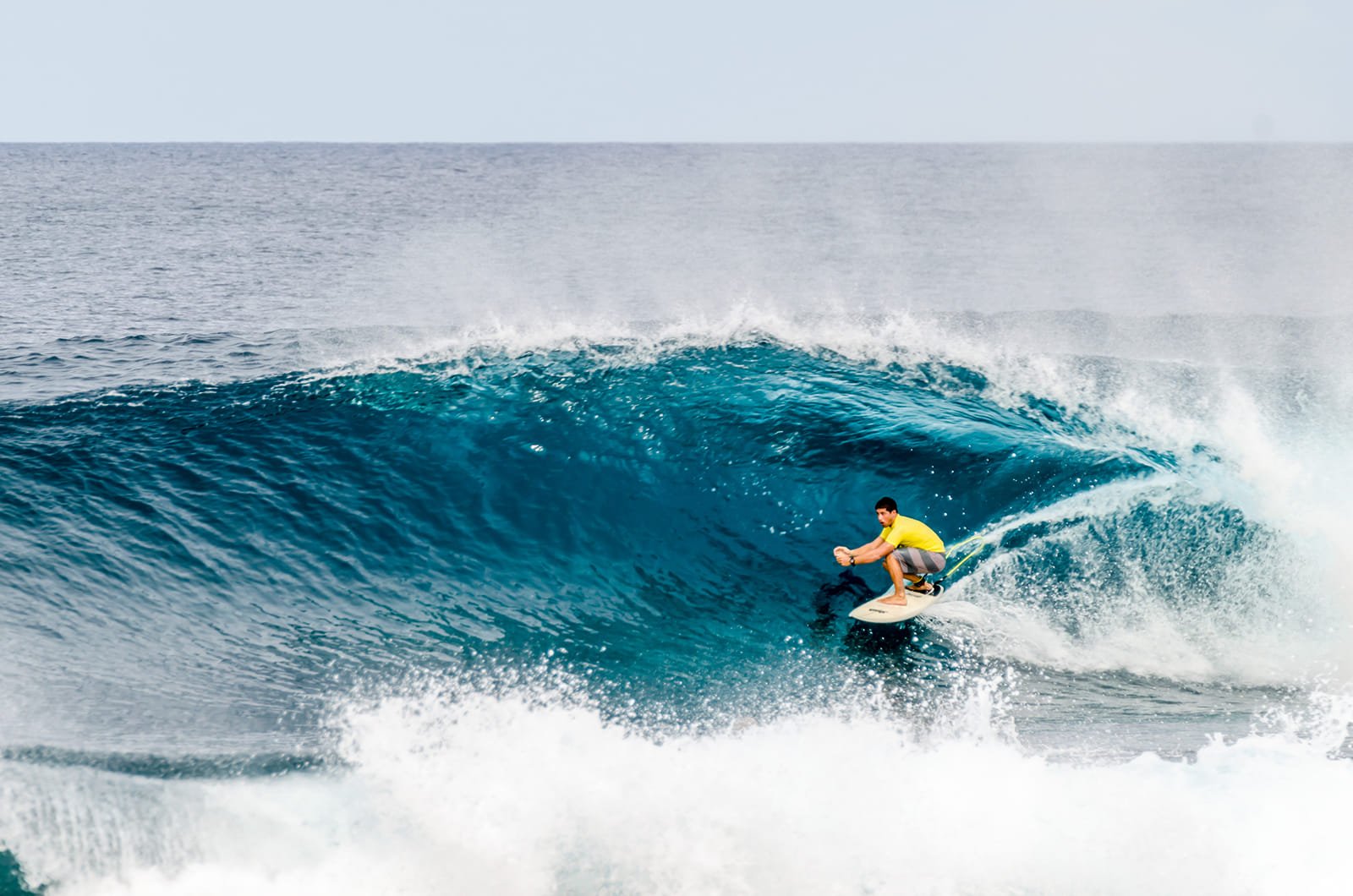
Season note: surf builds with the wetter months' swells; diving favours the calm season; canyoneering and caving run year-round. The calendar always has an adventure in season.
06.Safety, Fitness & Booking Adventure Right
Adventure here runs on professional rails when booked properly. Licensed canyoneering guides, certified dive schools with well-maintained gear, surf instructors who read water like locals — packages contract only these. Fitness requirements stay modest for most activities: canyoneering asks for stairs-with-enthusiasm fitness, beginner surf for swim-basics, volcano viewpoints for nothing more strenuous than early rising. Declare conditions honestly — knees, hearts, pregnancy, fear of depths — and operators re-route activities with the discretion of doctors.
Insurance covering the chosen activities is the one non-negotiable, arranged at booking in a tick. Weather calls override everything — seas close canyons, swell closes dives — so build buffer days around adventure blocks and trust rescheduling-friendly terms. And book through a desk that knows which operators treat safety as culture rather than signage. Adventure, done this way, produces the stories travellers tell loudest — and none of them begin with 'I wish we had checked'.
07.A Sample Adventure-Heavy Week
Here is how the adventure lovers structure seven days without burning out: two days Cebu (canyoneering plus the sardine run), one rest-and-city day, fly to Coron for two water days (lakes plus wrecks), and finish with one free afternoon before the flight. Ten-day versions add Siargao's surf block or El Nido's lagoon paddles. Families version it gently — waterfall swims, snorkel safaris and the Underground River replacing the deeper rungs.
The scheduling principles that keep adventure fun: alternate big days with recovery mornings, put water days early while energy is fresh, keep one adventure per day rather than three, and end on a soft note — a beach evening, a massage, a long dinner. Adventure travel's dirty secret is that rest is part of the sport; the Philippines' beach culture supplies it professionally. Follow the rhythm and the week delivers adrenaline on schedule — with the sunsets thrown in free.
And when the week ends, keep the appetite. Adventure travellers are the Philippines' most loyal repeaters precisely because the menu outruns any single trip — the canyon you ran makes the cave you skipped sound interesting, the dive certification you earned unlocks the wrecks you saw only from the surface. Book the week, collect the stories, and leave one activity deliberately unbooked. The unbooked one is how the next adventure begins, and the islands — patient, generous, slightly smug about it — will hold your place.
A final calibration for mixed groups: the Philippines' great gift to adventure travel is that every rung of the ladder shares the same water. The diver surfaces to find the snorkeller's turtle story equals theirs; the canyoneer's big jump and the swimmer's gentle float-down end at the same falls. Families, friend groups and couples rarely fragment here — the activities naturally reconvene. That reunion quality is why adventure itineraries in the Philippines produce fewer 'I sat this one out' memories and more 'remember when' ones.
And the door stays open wider than most adventure destinations admit: no prior experience blocks any rung-one or rung-two activity, age is negotiated with ability rather than birth certificates, and non-participants ride along on boats as official photographers — a role that regularly converts them by afternoon. The ladder's bottom rung touches the sand, which means entry is always a swim away rather than a course away. Adventure, in this country, does not gatekeep; it greets.
08.Frequently Asked Questions
Honest answers to the questions travellers ask our desk most often about philippines adventure.
What are the best adventure activities in the Philippines?
The signature list: Kawasan canyoneering in Cebu, diving Coron's WWII wrecks, surfing Siargao's Cloud 9, snorkelling Moalboal's sardine run, caving in Sagada and volcano viewpoints at Taal. Each runs on licensed operators with beginner-friendly entry points.
Is canyoneering in Cebu safe for beginners?
Yes — the Kawasan circuit is designed for first-timers, with licensed guides, helmets and vests, and jumps that start small and stay optional. Reasonable fitness and a head for heights suffice; guides walk nervous jumpers down alternate routes without ceremony.
Can I learn to dive in the Philippines?
Excellent place to learn — warm water, gentle house reefs and patient, well-certified schools across the islands. Discover-scuba sessions introduce total beginners in shallow water, and open-water courses slot into island itineraries with a rest day built around them.
When is surf season in the Philippines?
Siargao's swells build through the wetter months and peak in the later monsoon season, while the dry season flattens the breaks. Learners find teachable waves most of the year at beginner spots; specialists match surf plans to the calendar.
Do adventure activities need special insurance?
Recommended and simple: add activity-inclusive travel insurance at booking, covering dive, canyon and board sports as applicable. Packages also operate on licensed operators with safety gear and protocols — insurance is the belt to that suspension.
Ready when you are: every enquiry is free and without obligation. Tell us your travel month and group size — a real travel specialist (not a bot) replies within 24 hours, or WhatsApp us for a same-day answer.