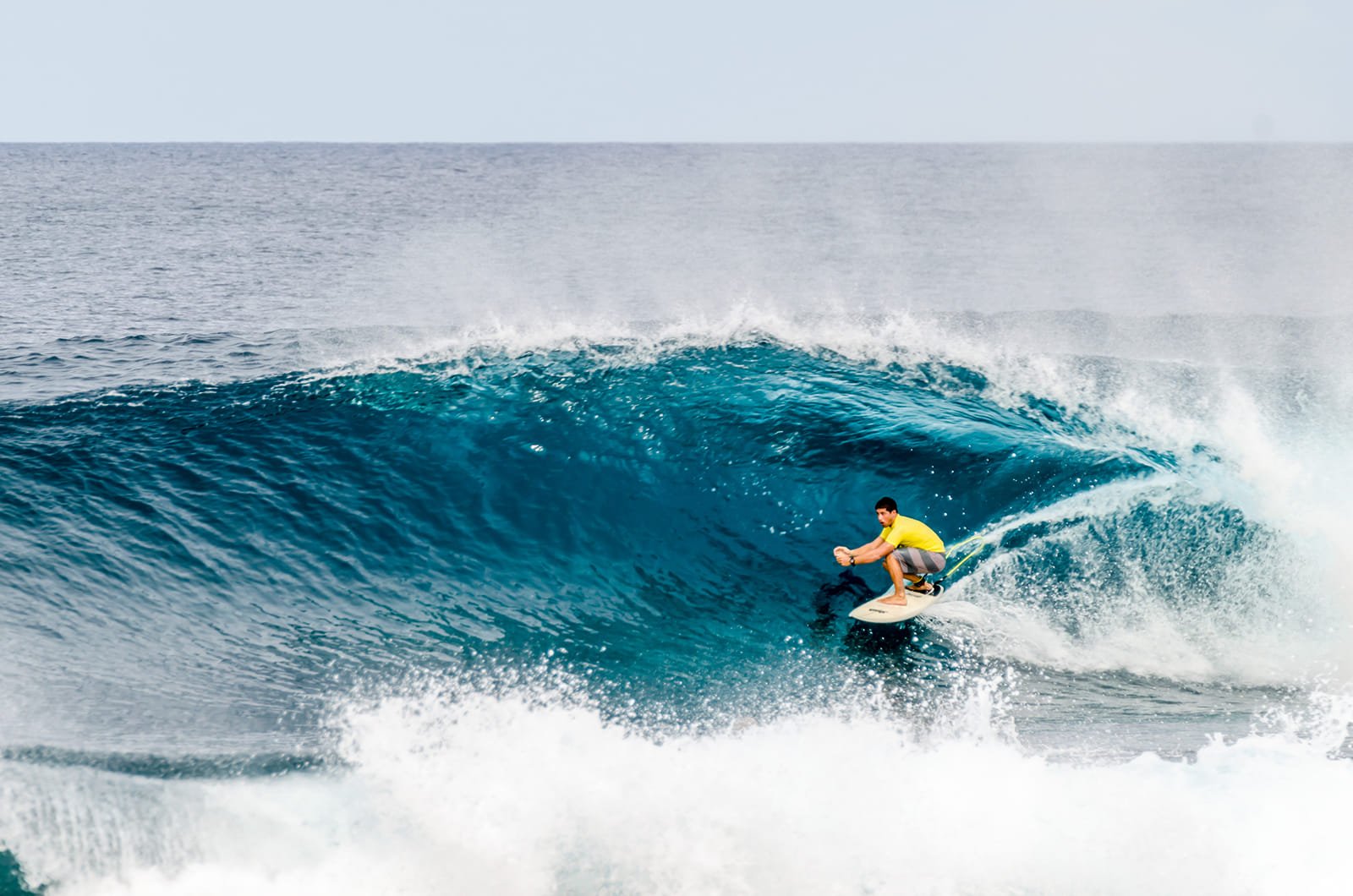
Where beaches are the postcards, Philippines adventure tours are the stories — the day you jumped into a canyon, swam above a sardine tornado, or rode your first wave at the break that taught a nation to surf. This guide walks through the country's signature adventure tours one by one: how each runs, what fitness it asks, what it costs in courage rather than money, and how specialists stack them into weeks that leave room for the beach to recover from you.
01.How Adventure Tours Work Here
Philippine adventure tours run on a professional, standardised format. Licensed operators provide the gear — helmets, vests, boards, tanks — certified guides lead every group, and briefings precede every activity with the seriousness of a flight deck. Tours price per head, run in small groups (canyoneering groups rarely exceed eight), and most can be privatised for families and honeymooners who want the canyon to themselves. Half-day formats suit tight itineraries; full-day tours include meals and the transport rhythm.
Booking through a package adds three quiet guarantees: vetted operators only, insurance-compatible paperwork, and weather monitoring that reschedules rather than risks. Independent travellers can book most tours at island counters, but the vetting burden shifts to them — ask for licenses and read recent reviews either way. Adventure here is accessible to everyone precisely because the professional layer is thick; the tours' reputation for fun is downstream of their reputation for care.
Costs deserve one honest note without quoting figures: adventure tours price by format and privatisation rather than by thrill. The shared canyon tour and the shared dive briefing cost similar in structure; private versions multiply the price rather than the thrill. What genuinely changes outcomes is timing — morning departures catch calm seas, patient crews and empty features. Book tours early in each island stay, keep one recovery morning after each big day, and let the itinerary breathe. Adrenaline, like sunsets, photographs best when you are rested enough to notice it.
02.Tour 1: Kawasan Canyoneering (Cebu)
The country's flagship adventure tour runs downstream through the Badian River's canyon — turquoise basins, natural slides, and jumps that grow with your grin — finishing at Kawasan Falls' blue amphitheatre. Groups of up to eight follow one guide; the briefing covers each feature, every jump stays optional, and float vests turn the deep pools into lounges between features. Duration runs four to five hours of river time; fitness asks for stairs-and-enthusiasm level; age ranges comfortably from teens to sprightly grandparents.
The tour pairs classically with Moalboal's sardine run the following morning — canyon then ocean, Cebu's signature double. Book the morning departure: cooler light, emptier river, and the canyon's colours photograph like a screensaver. Bring grippy footwear, quick-dry clothes and a strapped action camera. Non-jumpers complete the same route via walk-around paths — the guides know every bypass, and nobody performs for anybody. It is the tour that converts beach tourists into adventure travellers; book it with that warning.
After the tour, Cebu keeps the adventure going gently: Kawasan's falls basin swims for those with energy left, the Moalboal sunset bars for those without, and the sardine run the next morning for everyone. Travellers short on time can run the canyon and the sardine run in a single ambitious day — canyon by morning, reef by afternoon — though the specialists recommend the overnight version, because the second activity deserves legs that are not jelly. Either way, pack the aqua shoes properly this time; the river remembers who wore flip-flops.
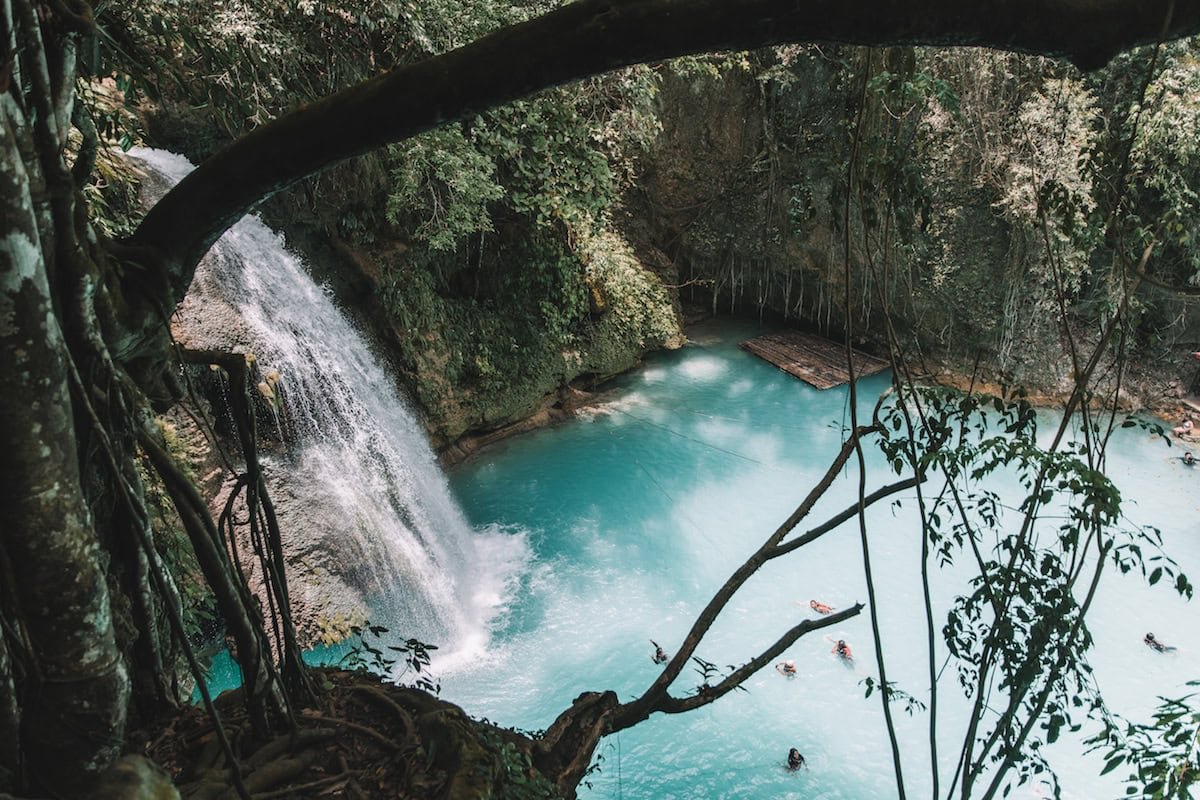
Insider detail: the guides carry dry barrels for phones and run the jumps in 'confidence order' — your group's nervous traveller goes fourth, after watching four landings and exactly one belly-flop.
03.Tour 2: Whale Shark Encounters (Oslob & Donsol)
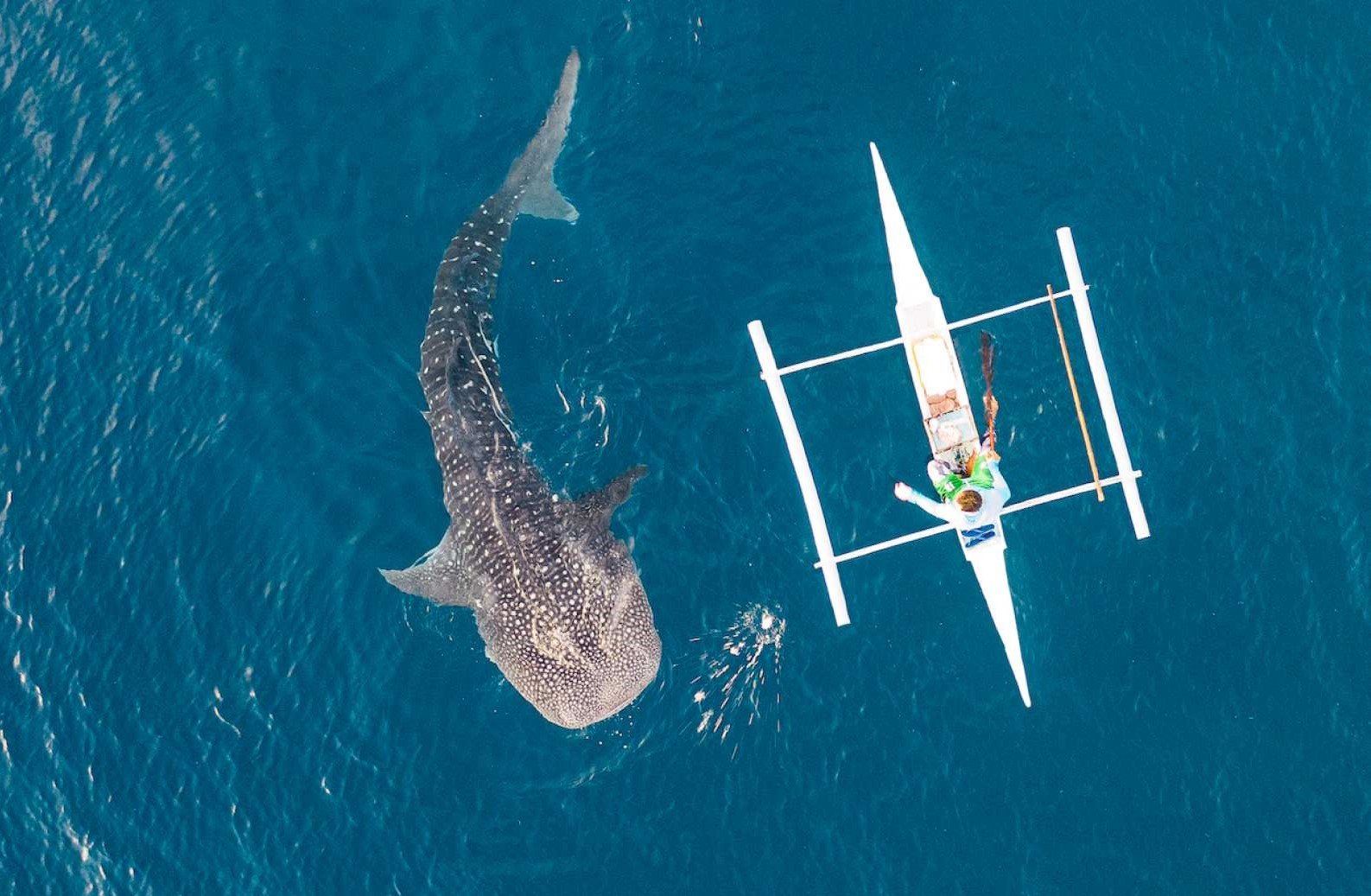
Swimming beside the largest fish in the ocean ranks among travel's great half-hours, and the Philippines offers two distinct formats. Oslob, south Cebu, runs the famous morning encounters where whale sharks feed near fishing boats — tightly regulated now, with strict no-touch rules, boat-viewing options for cautious travellers and briefing-before-entry protocols. Donsol, in Bicol, runs the interaction the purists prefer: small boats scanning the bay for feeding shadows, then a respectful swim alongside wild animals on their terms.
Both formats demand the same etiquette: distance, gentleness and no chasing, no touching, no blocking. The encounters suit confident swimmers and, in boat-viewing format, non-swimmers and children; morning slots catch the calmest seas. Book ahead — daily visitor caps exist — and pair Oslob with Tumalog Falls' curtain next door, or Donsol with the firefly river cruise that evenings there are famous for. Wildlife tourism done properly is a privilege; these tours, run right, earn it.
Choosing between the two formats is simpler than the internet makes it: Oslob for certainty and the combined Cebu itinerary, Donsol for purity and the wilder encounter. Both support photographers, both run mornings, and both ask swimmers to leave sunscreen ashore for the session — the giants' skin thanks you, and so do the next swimmers. Families with small children should choose boat-viewing without hesitation; the deck view is close enough that your camera considers it cheating.
04.Tour 3: Dive Tours & Wreck Diving (Coron & Beyond)
Coron's wreck tours descend onto WWII Japanese supply ships resting in bay depths — hulls now soft with coral, swim-throughs lit by torch beams, history audible in the bubbles. Tours run by certification level: shallow wrecks and reef gardens for open-water divers, penetration routes for the advanced. The lake dives add Barracuda Lake's thermal layers, and Siete Pecados closes most days on a reef busy with turtles. Non-divers share the boat on snorkel circuits of the same bays.
Beyond Coron, Malapascua runs the thresher-shark dawn dives; Bohol's Balicasag delivers wall dives in turtle traffic; Anilao hosts macro photographers hunting critters the size of your thumbnail; and Tubbataha, in its short season, is the expedition that dive travellers plan years ahead. Beginners start on discover-scuba tours at house reefs — shallow, patient, and regularly life-changing. Certification courses need consecutive days, so schedule them early in any itinerary.
Dive-tour booking wisdom, briefly: verify certification requirements per site before choosing — shallow wrecks welcome open-water divers while penetrations demand advanced cards and logged dives. Confirm what the tour includes — tanks, weights, guide, marine park fees — and what it rents. Respect the no-fly window after diving; the schedule protects it, so do not book a flight the same evening. And dive with operators your desk vouches for: gear maintenance is invisible until it matters, which is precisely why it should never be invisible.
Kit note: dive tours provide tanks, vests and regulators; bring your own mask and dive computer if you have them, and log books for the guided deeper sites.
05.Tour 4: Surf Lessons & Guided Breaks (Siargao)
Siargao's surf tours run two tracks. Beginner lessons at Jacking Horse teach in knee-high forgiveness: board selection, pop-up drills on sand, then waves with instructors pushing starts until muscle memory takes over. Most first-timers stand within the morning. Guided sessions at Cloud 9 and nearby breaks serve improving surfers with local wave knowledge — where to sit, which set to skip, how the reef breathes at each tide. Board rentals, reef booties and rash guards come standard.
The culture around the surf is half the tour: boardwalk breakfasts at Cloud 9, the tower's wave-watching theatre, and the island's café recovery afternoons. Season matters — swells build through the wetter months and peak late monsoon, while dry-season mornings still teach beginners gently. Book lessons early in your island stay so a second session can follow the first one's victory. And regardless of surfing outcome, the sunrise paddle-out photographs are guaranteed souvenirs.
06.Tour 5: Caves, Lagoons & Underground Rivers
The subterranean tours offer adventure without adrenaline tax. Puerto Princesa's Underground River paddles a boat through a UNESCO-listed cave cathedral — stalactite galleries, bat colonies and the eerie acoustics of darkness — with zero effort beyond sitting still. Sagada's cave tours in the northern highlands scale from lantern-lit walkthroughs to genuine spelunking routes through limestone sculptures that require crouching, trusting and laughing. Coron's Twin Lagoon adds a swim-through tunnel where freshwater meets salt in visible layers.
The lagoon tours — Sugba Lagoon's paddleboards and cliff platforms, Kayangan's mirror swim — blur the line between adventure and idling in the best way. These formats suit mixed groups perfectly: every activity offers a gentler version aboard the same boat. Combine caving days with Sagada's terrace walks and coffee culture for the north's gentler adventure chapter, or fold the Underground River into any Palawan itinerary as the day-one wonder that sets the bar unfair.
Permit note: the Underground River runs on capped daily permits — another line item packages secure silently while you order breakfast.
07.Stacking the Tours: Sample Adventure Weeks
The signature adventure week: two days Cebu (canyoneering, sardine run, Kawasan swims), fly to Coron for two days (lakes, wrecks, hot springs), then Siargao for two surf days, with rest mornings engineered between. Ten-day versions add El Nido's lagoon paddles or the northern caves-and-terraces chapter. Family-adventure versions swap the deep rungs for waterfall swims, glass-bottom boats, the Underground River and beginner snorkel safaris — the thrills scaled, the excitement intact.
The stacking rules that keep adventure fun: one big tour per day, rest mornings after the big ones, water tours early in each stay, and a soft final day before flights. Declare fitness and fears honestly at booking — specialists route around both without ceremony. Then let the tours do what Philippine adventure tours do best: convert travellers into storytellers, one jump, dive and wave at a time. The beaches will hold your place while you are gone; they are patient like that.
One closing thought for the adrenaline-curious who still hesitate: every tour on this list was designed to be survived happily by beginners. The guides have run these features thousands of times; the equipment exists precisely so that courage can be rationed; and the groups around you will contain at least one person more nervous than you, which the human spirit finds disproportionately comforting. Adventure here is less about bravery and more about attendance. Show up, listen to the briefing, and let the country's professional fun-machine handle the rest.
08.Frequently Asked Questions
Honest answers to the questions travellers ask our desk most often about philippines adventure tours.
What adventure tours are worth booking in the Philippines?
The signature five: Kawasan canyoneering in Cebu, whale-shark encounters at Oslob or Donsol, Coron's wreck and lake dives, surf lessons in Siargao, and the cave-and-lagoon tours from the Underground River to Sagada. Each runs on licensed operators with beginner-friendly formats.
Do I need experience for canyoneering?
None — the Kawasan circuit is designed for first-timers with helmets, vests and guides demonstrating every feature. Jumps are optional with walk-around routes available. Reasonable fitness and grippy shoes suffice; groups of nervous beginners complete it daily, grinning.
Is the whale shark encounter ethical?
Both Oslob and Donsol operate under strict rules — briefings, distances, no-touch and no-chase protocols, with boat-viewing options for those who prefer. Donsol's format keeps wild animals on their terms entirely. Book licensed operators and follow the briefing; the privilege depends on it.
Can non-swimmers join adventure tours?
Yes on several formats — boat-viewing whale-shark encounters, the Underground River, caving walkthroughs, lagoon paddleboards with vests, and most boat-based tours carry non-swimmers comfortably with life jackets. Declare swimming comfort at booking and tours adapt honestly.
How do I fit adventure tours into a beach holiday?
One big tour per day with recovery mornings between, water tours early in each island stay, and a soft final day before flights. Specialists stack them around beach time so the holiday holds both — adrenaline and hammocks are not competitors here.
What should I wear and carry for a canyoneering tour?
Quick-dry shorts or leggings, a snug top, aqua shoes or grippy sandals, and a strapped action camera — operators supply helmets, vests and dry barrels. Leave jewellery and loose sandals ashore, apply sunscreen well before the river, and bring a change of clothes for the ride home.
Ready when you are: every enquiry is free and without obligation. Tell us your travel month and group size — a real travel specialist (not a bot) replies within 24 hours, or WhatsApp us for a same-day answer.