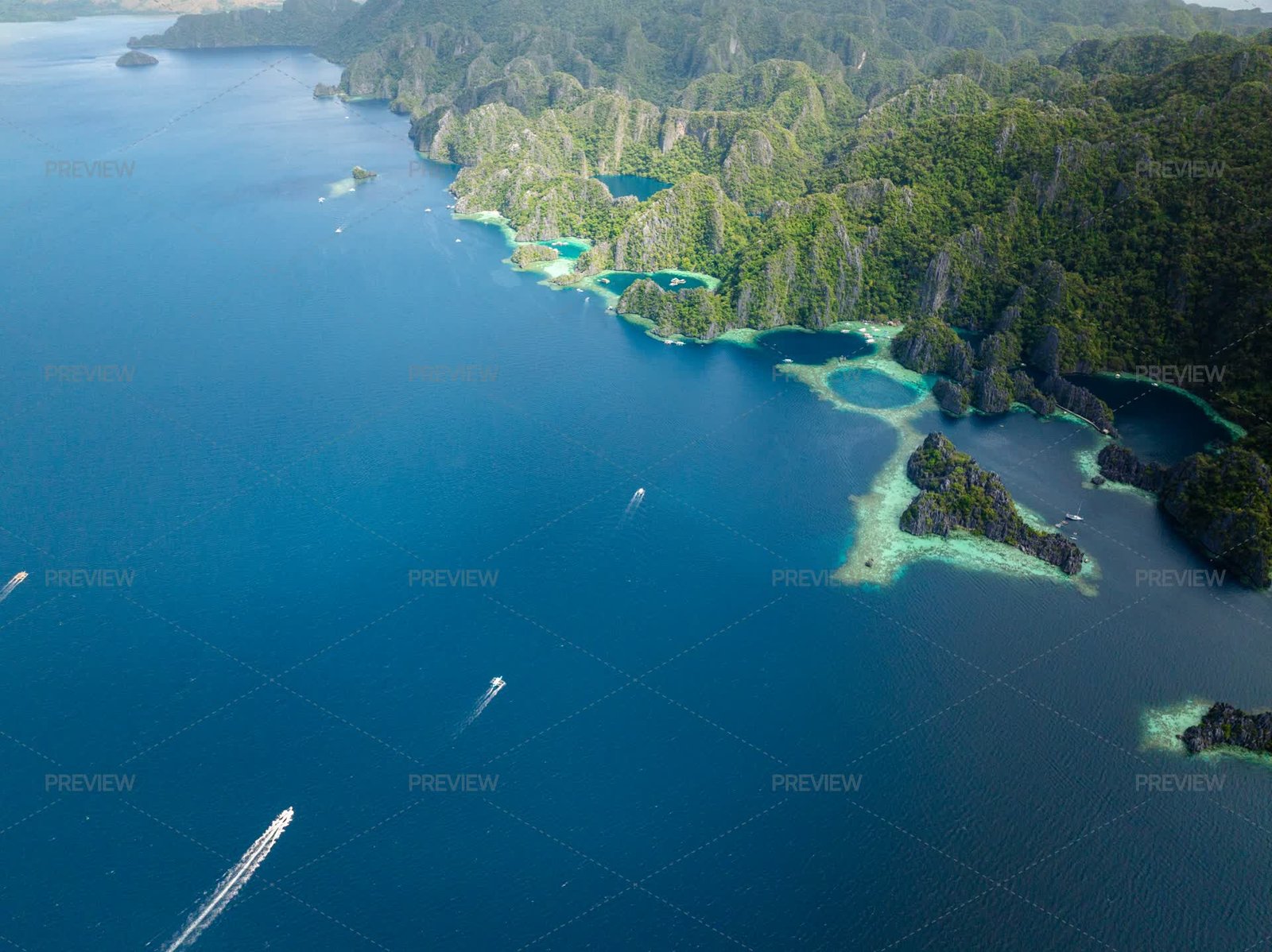
The Philippines island tour is the country's signature product — the day your itinerary turns into a boat and the sea becomes the road. Yet first-timers always ask the same fair questions: what actually happens on one, how do shared and private tours differ, what should I carry, and which circuits deserve my days? This guide answers all of them, from the pier at dawn to the return cruise at golden hour, so your first island tour feels like your tenth.
01.What an Island Tour Actually Is
An island tour is a full boat day around a chain of islands — typically four to six stops mixing swims, snorkels, beaches and viewpoints, with lunch cooked on board or served on an island. The banca, the Philippines' outrigger workhorse, carries you between them: twin bamboo floats stabilise the swell, a canopy shades the deck, and a crew of two or three runs anchors, meals and the swim-stop whistle. Licensed guides handle permits, life vests and the timing that keeps you ahead of the fleet.
Days start early — the sea is calmest and most photogenic before ten — and end by late afternoon with the light going gold. Between those bookends, the format is gloriously simple: swim, dry, sail, repeat. No Wi-Fi, no schedules beyond the tide, and the peculiar happiness of doing one thing all day. Travellers consistently rank their first island tour among their best travel days anywhere; the format has had centuries of practice and it shows.
What surprises first-timers most is how well-organised the simplicity is. Permits for protected lagoons are secured before your boat leaves. Environmental fees are collected once, receipted, and never mentioned again. Crews brief swimmers on signals — a raised hand means return, a circle means turtle. Coolers carry lunch and fresh fruit; dry barrels carry your dignity (phones). The informality is stylistic, not operational: underneath the flip-flops runs one of the most choreographed day-tour systems in Asian travel, refined by decades of doing exactly this.
02.Shared vs Private: Choosing Your Boat
Shared tours join a dozen-or-so travellers on one boat — the sociable, economical classic. You meet couples from three continents by the second swim stop, the crew runs a tight, friendly schedule, and lunch becomes a long table. Private charters take your family alone: your pace, your stop order, your nap rights, and the turtle viewed for as long as the turtle permits. Privates cost more, and families with toddlers, honeymooners and photographers consistently rate the difference worth it.
A middle path exists on most circuits: private ground transfers joining shared boat days, or small semi-private groups of four to six. Choose by temperament honestly — shared days are fun the way hostels are fun; private days are fun the way apartments are fun. Honeymooners and groups of four-plus nearly always justify the private maths; solo travellers and sociable pairs frequently leave shared tours with new friends and follow-up plans.
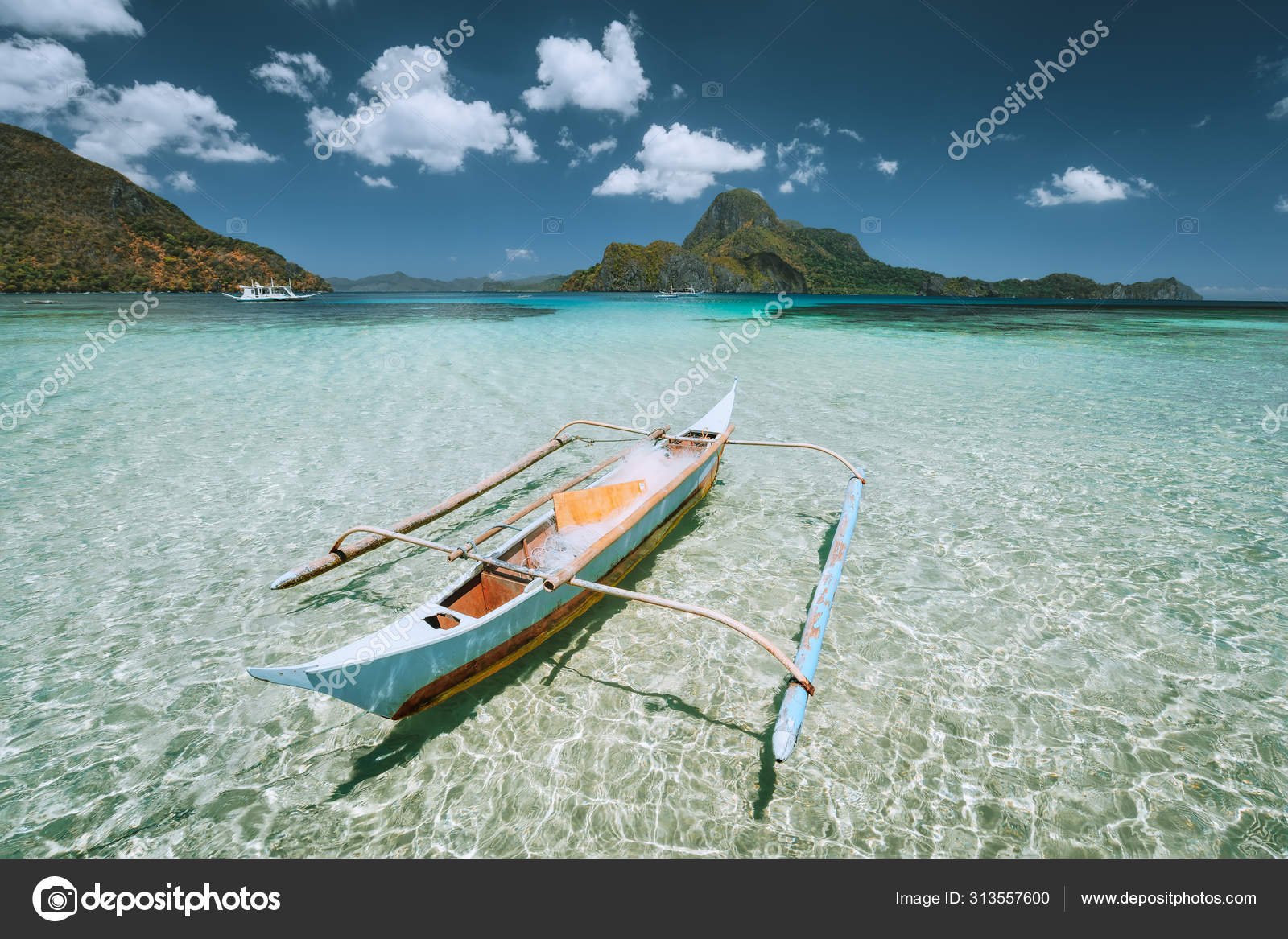
Whatever the format, confirm the boat's age, canopy and life-vest count when booking — responsible operators volunteer all three before you ask.
03.The Famous Circuits, Region by Region
- El Nido Tour A — Big Lagoon's kayak runway, Small and Secret Lagoons, Shimizu Island, Seven Commandos Beach.
- El Nido Tour C — Hidden Beach's swim-through, Matinloc Shrine, Tapiutan Strait, Helicopter Island.
- Coron Ultimate Tour — Kayangan Lake, Twin Lagoon, Barracuda Lake, Siete Pecados reef.
- Honda Bay — Starfish, Luli and Cowrie Islands; the gentlest full day for families.
- Siargao Three-Island — Naked Island's pure sandbar, Daku's lunch, Guyam's swim circle.
- Panglao Light — dolphin dawn, Balicasag's turtle walls, Virgin Island's sandbar.
Each circuit earns its reputation honestly, and none requires diving or brave swimming — every stop has shallow ledges and vest-supported wading. Two tours per island stay is the standard rhythm: one famous circuit, one wilder or gentler second, and a land day (Nacpan, Chocolate Hills, Cloud 9) between for balance.
Choosing between the famous circuits is a mood question more than a ranking one. El Nido's tours deliver the geology — cliffs, lagoons, hidden doors in rock. Coron's delivers the water itself — lakes layered like cocktails, reefs busy with turtles. Honda Bay delivers ease; Siargao's trio delivers the sandbar photograph that justifies the entire holiday. And Panglao's light circuit delivers marine life at family-friendly angles. Choose two per island, mix moods, and save one circuit for a return trip — repeaters report the unfinished circuit is the most reliable travel motivation they know.
04.The Anatomy of the Day: Pier to Sunset
Your island tour day, precisely: an early transfer reaches the pier by seven-thirty, where the crew loads coolers and assigns dry bags. The safety briefing covers life vests, swim signals and the whistle. The first crossing runs thirty to sixty minutes — dolphin cameos are unannounced but regular. Stops alternate: a lagoon swim, a snorkel reef, a beach walk, the lunch island, another reef, and the return cruise timed so the sun sits low and gold across the deck. You disembark salt-skinned, sun-tired and unreasonably happy by four.
Lunch deserves its own sentence: grilled catch or chicken, veg skewers when briefed, rice, salad and fruit, served at a picnic table the tide will reclaim by evening. Between stops, the crew cuts pineapple and the hammock nets fill with dozing swimmers. Photographers should sit starboard on outbound runs and port on returns — the light reads better. Everyone else should sit anywhere, because on an island tour, every seat is the window seat.
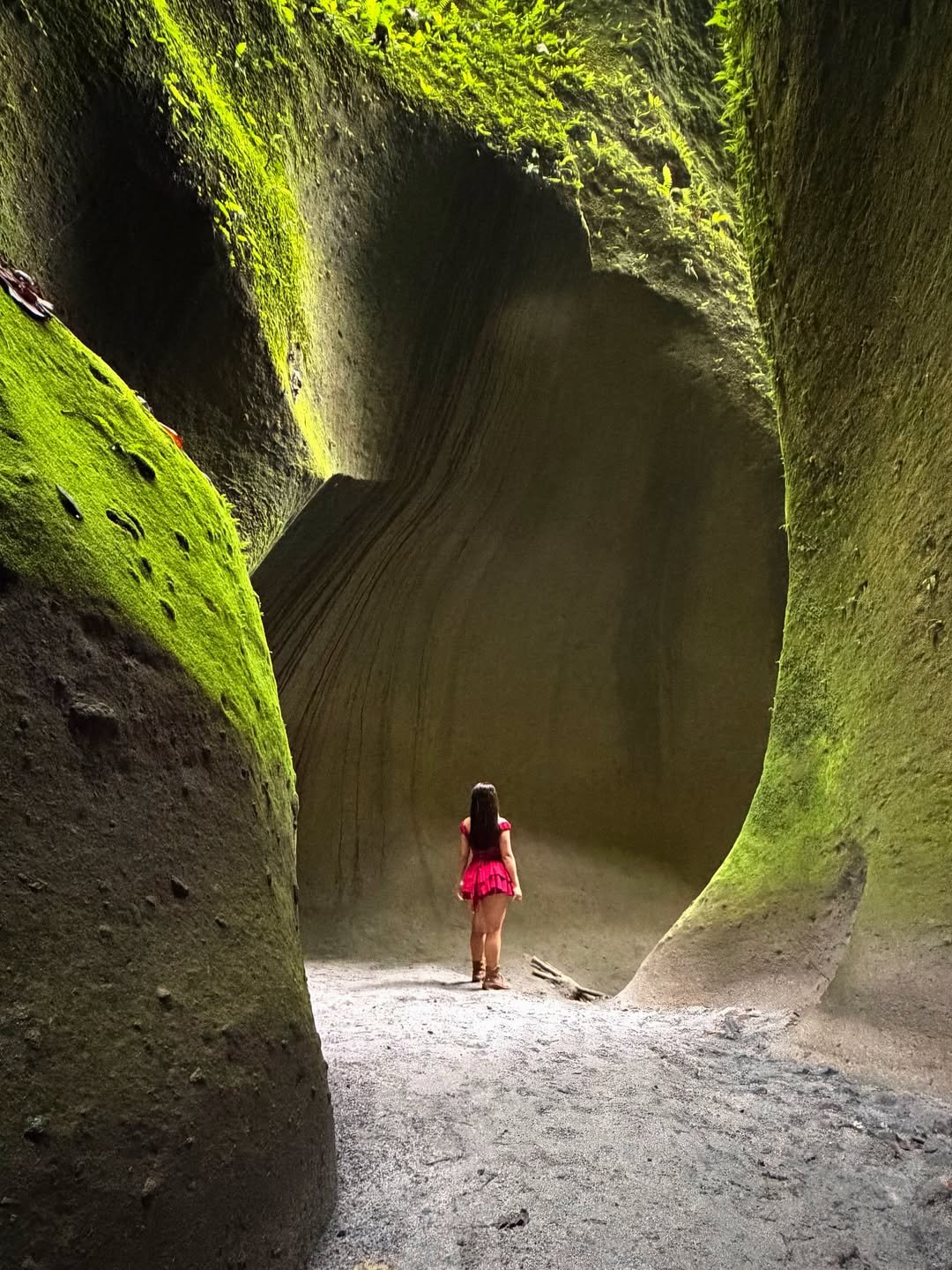
And the unadvertised highlight: the quiet hour after lunch, engine humming, hammocks swinging, when nobody says anything at all. That hour is why people book second island tours.
05.What to Carry (and What Stays Ashore)
The island-tour day bag is a solved problem. Carry: the dry bag with phones and documents in a zip pouch, reef-safe sunscreen, a long-sleeve sun layer, aqua shoes, a small towel, motion-sickness tablets taken before boarding, water, and small notes for the island vendor who paddles out selling coconut water. Wear: swimwear under light clothes and slides that slip off in two seconds when the swim whistle sounds.
Leave ashore: jewellery, drones (restricted around sanctuaries), hard suitcases (hotels hold them on checkout days), and any expectation of punctuality more precise than 'island time'. Packages supply snorkelling gear, life vests, coolers and the crew; personal masks fit better than rentals for serious snorkellers. And charge everything the night before — the lagoons are more photogenic than your battery plans expect.
One more carry worth naming for first-timers: patience with the pier. Island ports at dawn are cheerful chaos — coolers, ice blocks, name boards and a dozen boats loading simultaneously. Your crew finds you, not the reverse; wait where the guide says, watch the fishing fleet come in with the night's catch, and let the tour begin at its own pace. The transition from land-person to boat-person takes about one crossing, and it is irreversible in the best way.
Finally, a word for the island-tour purists who will ask: yes, you can pack your own snorkel gear, and serious reef-lovers should — a well-fitted mask changes the ocean's resolution. Everything else belongs to the boat. The tours here have evolved into a fine balance between what the crew carries and what you carry, and the balance is tested daily by hundreds of boats. Travel light, trust the system, and spend the saved luggage space on the only thing that truly weighs nothing on a banca: anticipation.
06.Booking the Right Island Tour
Book island tours the way the experienced do: through operators who volunteer their licenses, insurance and crew ratios; with circuits matched to your swimming comfort; and in the season your water prefers — calm mornings year-round, but open-water crossings favour the drier months. Confirm what the price includes — gear, permits, environmental fees, lunch — because identical-looking tours differ by exactly what the cooler carries.
Inside a package, all of this arrives pre-arranged: boats vetted, crews briefed, permits secured, weather monitored and days reflowed when the sea improvises. The traveller's remaining duty is delightfully small: wake early, board barefoot, follow the whistle, tip the crew at day's end. Do that, and the Philippine island tour does what it has done for generations of travellers — redefines, in one day, what a good day at the office of life looks like.
For the planners asking about the one thing this page has not covered: yes, island tours run in the greener months too, with eyes on the sky. Protected lagoons and near-shore circuits operate comfortably outside the stormiest weeks, crews reschedule open-water days as needed, and the wet-season versions carry their own quiet luxury — greener cliffs, emptier sandbars and rainbows that arrive like punctuation. Book with flexible terms, pack the light rain shell from the packing list, and the sea will find your window.
A gentle note on island-tour etiquette, learned from the crews: greet the boat by stepping aboard with your hand for the crew's forearm — they will steady you with genuine pleasure. Ask the crew's names at the briefing; they appear on the tip envelope at day's end, and by then you will want them written right. Keep the reef etiquette sacred — nothing touched, nothing stood on, nothing fed. And when the crew sings on the last crossing, join in even if your range is geological. The island tour, at its heart, is a shared day; the crews remember the groups who treated it that way.
07.Frequently Asked Questions
Honest answers to the questions travellers ask our desk most often about philippines island tour.
What is included in a Philippines island tour?
Standard tours include the boat and crew, licensed guide, life vests, snorkelling gear, permits and environmental fees, and lunch — grilled on board or served on an island. Packages bundle transfers to the pier and rebook days around weather at no drama.
Shared boat or private boat — which is better?
Shared tours are sociable and economical; private charters buy pace, privacy and flexible stop times. Families of four-plus, honeymooners and photographers usually prefer private; sociable pairs and solo travellers often love the shared-boat friendships. Both visit the same water.
Can non-swimmers join island tours?
Comfortably — life vests come in all sizes, crews assist at every stop, and most lagoons have shallow ledges for wading. Private boats pace best for non-swimmers, and guides stay in the water alongside nervous travellers throughout the day.
What should I bring on an island tour day?
A dry bag with phones and documents in a zip pouch, reef-safe sunscreen, a long-sleeve sun layer, aqua shoes, a small towel, motion-sickness tablets taken before boarding, water and small cash for island vendors. Wear swimwear under light clothes and easy slip-offs.
Which island tour should I book first?
El Nido's Tour A for the iconic lagoons, or Coron's Ultimate Tour for the finest single day of lakes and reefs. Families should start with Honda Bay or Panglao's gentle circuit; photographers dream about Siargao's Naked Island at first light.
How long does an island tour day last?
Most circuits run from an early-morning pier departure around seven-thirty to a return by four or five in the afternoon — six to eight hours including crossings, swim stops and island lunch. Half-day light versions exist on some islands for families with very young swimmers.
Ready when you are: every enquiry is free and without obligation. Tell us your travel month and group size — a real travel specialist (not a bot) replies within 24 hours, or WhatsApp us for a same-day answer.