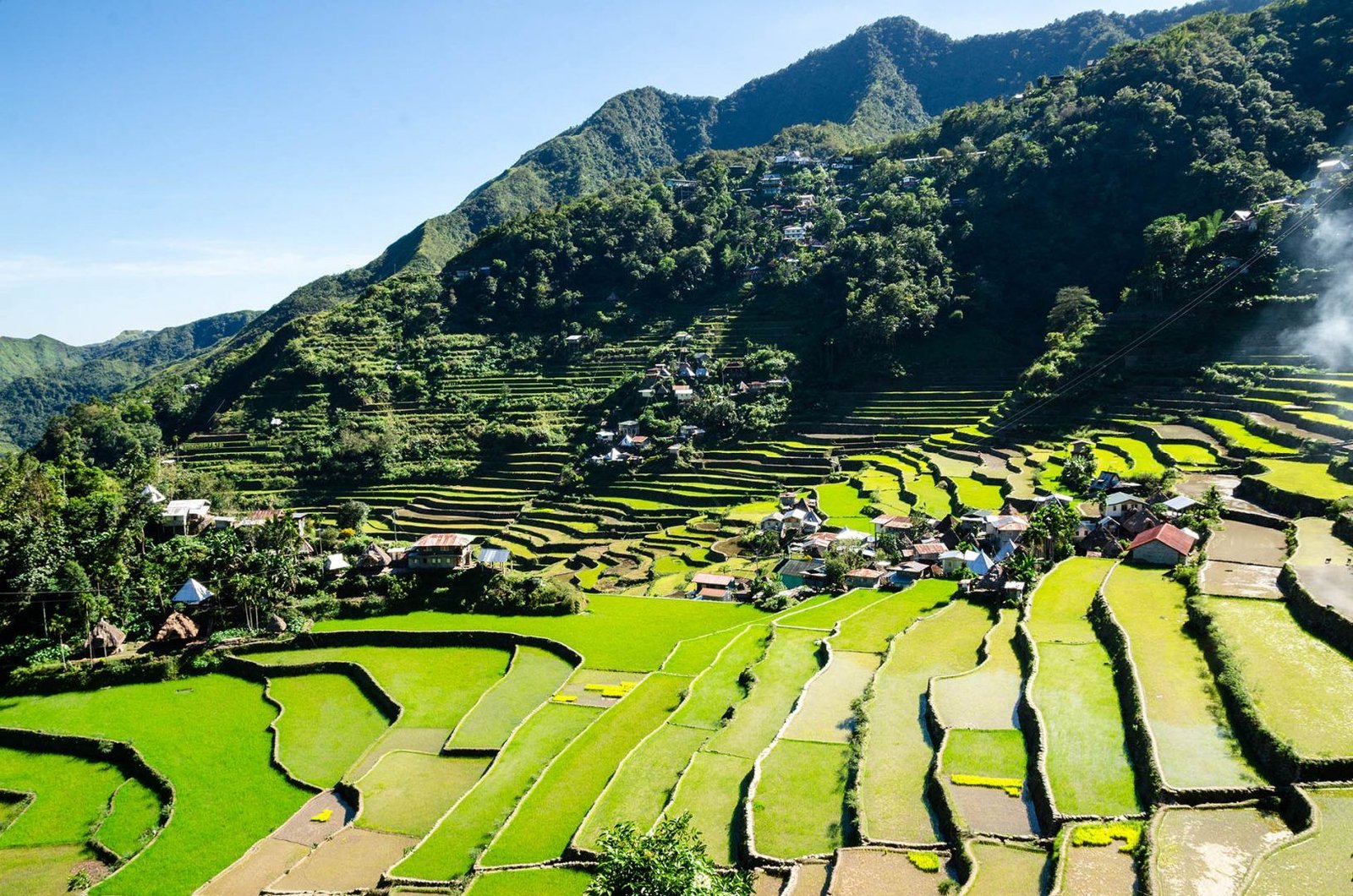
This page collects the Philippines travel information travellers actually ask for — visa rules, money mechanics, SIM cards, weather logic, health notes, cultural etiquette and the emergency numbers worth saving — arranged as a directory rather than an essay. Bookmark it alongside your booking confirmation; between the two documents, you will find answers to nearly everything the family group chat will ask before departure. Facts first, tips where they help, no padding.
01.Visas & Entry for Indian Travellers
Entry rules for Indian passport holders have relaxed considerably. Travellers holding valid visas or residence permits from select countries — including the US, UK, Schengen states, Japan and Australia, among others — may enter visa-free for a limited stay under the latest arrangements. Everyone else applies through the e-visa route, a straightforward online process completed well before travel. Rules evolve with diplomatic seasons, so treat this section as orientation and confirm the current requirement against your passport before booking — your operator's checklist does exactly that.
- Passport validity — six months beyond your travel dates, blank pages for stamps.
- Confirmed onward plans — return tickets and hotel vouchers; package paperwork covers these.
- Proof of funds — occasionally requested; recent statements suffice.
- Minor travellers — carry birth certificates for children travelling with one or neither parent.
Immigration at Manila and Cebu runs efficiently for prepared visitors. Answer plainly, keep documents handy in hand luggage, and expect the one question every visitor gets eventually: where are you going first? Say the island, receive the smile — that exchange is the country's actual border control.
02.Money, Cards & Banking
The currency is the Philippine peso. Notes come in large denominations that small vendors struggle to change, so build a habit of keeping smaller notes for tricycles, beach shacks and tips. ATMs cluster in cities and town centres; island ATMs can run dry for days, so withdraw in Manila or Cebu before island legs. Cards work at malls, resorts and city restaurants; the islands run on cash and smiles. Money changers operate legitimately at airports and malls — compare a couple of rates, count before leaving the counter.
- Inform your bank — international usage flags prevent the card decline at the worst moment.
- Two cards, two bags — a backup card stored separately from the main wallet.
- Small notes habit — break large notes at malls before island days.
- Tipping — appreciated not obligatory; crews and guides receive pooled tips at trip's end.
Budgeting mechanics are simple on a package: the big spends — stays, boats, transfers, tour lunches — are pre-paid, so holiday cash covers dinners, snacks, tips and souvenirs. Track the first two days, then stop counting; the islands price joy gently and the mango shakes are criminally underpriced.
Banking practicalities, briefly: Indian cards on Visa and Mastercard networks work at ATMs and terminals nationwide; some machines disclose modest withdrawal fees upfront, so choose by the screen rather than the queue. Digital payments grow quickly in cities — malls and chains accept QR wallets — while the islands remain a notes economy, which is part of their charm. Carry a slim purse rather than a bulky wallet on boat days, keep the zip pouch dry, and remember the oldest banking rule of the archipelago: the coconut vendor takes exactly one currency, and it is not the one on your phone.
03.SIM Cards, eSIMs & Staying Connected
Buy a Globe or Smart tourist SIM at Manila airport on arrival — counters sit beside baggage claim, registration takes minutes with your passport, and data follows you across the major islands. eSIM travellers can activate a Philippine data pack before departure and land connected. Coverage is genuinely good in towns, resorts and along famous circuits; deep coves and open water take the signal personally and drop it. Download offline maps before island legs regardless.
Practical connectivity notes: island resorts advertise Wi-Fi with varying sincerity — treat it as a bonus rather than a plan. Power runs at 220V on Type A/B flat-pin sockets; Indian travellers need a simple flat-pin adapter, sold at every airport and hardware stall. Keep a power bank charged for boat days, store important confirmations offline, and remember that the country's best connectivity has always been human — ask anyone anything, and someone will walk you to the answer.
For long-stay travellers and working visitors: prepaid top-ups happen at every small corner store — the little shops that double as the country's retail nervous system — and data promos activate by simple text codes printed on the receipt. Co-working cafés operate in Manila, Cebu and Siargao for those stretching workcations. Whatever your connectivity style, one ritual travels well: the evening photo drop to the family group, timed to sunset, so the folks at home experience the trip at island data speeds — beautifully, and slightly later than real time.
04.Weather, Time Zone & When Things Happen
The Philippines runs on two seasons. Dry, December to May: blue skies, calm seas, the postcard version — peak crowds and peak prices riding along. Green, June to November: warmer rains arriving as short afternoon bursts, lusher hills, quieter islands and softer rates; typhoons occasionally affect the northern islands in the later monsoon months, while Palawan and the central Visayas sit mostly outside the usual paths. Surf season builds through the wetter months; diving favours the calm ones; festivals punctuate everything.
The time zone is gentle for Indian travellers: the Philippines runs two and a half hours ahead, so jet lag is a rumour. Sunrise and sunset arrive early and reliably — plan boat days for mornings and expect golden hour before dinner. Daylight saving does not exist; the equator does not believe in it. And shops keep island hours: malls run late, island towns close early, and the best bakery in any town sells out by nine, a fact every Filipino will tell you with the same knowing smile.
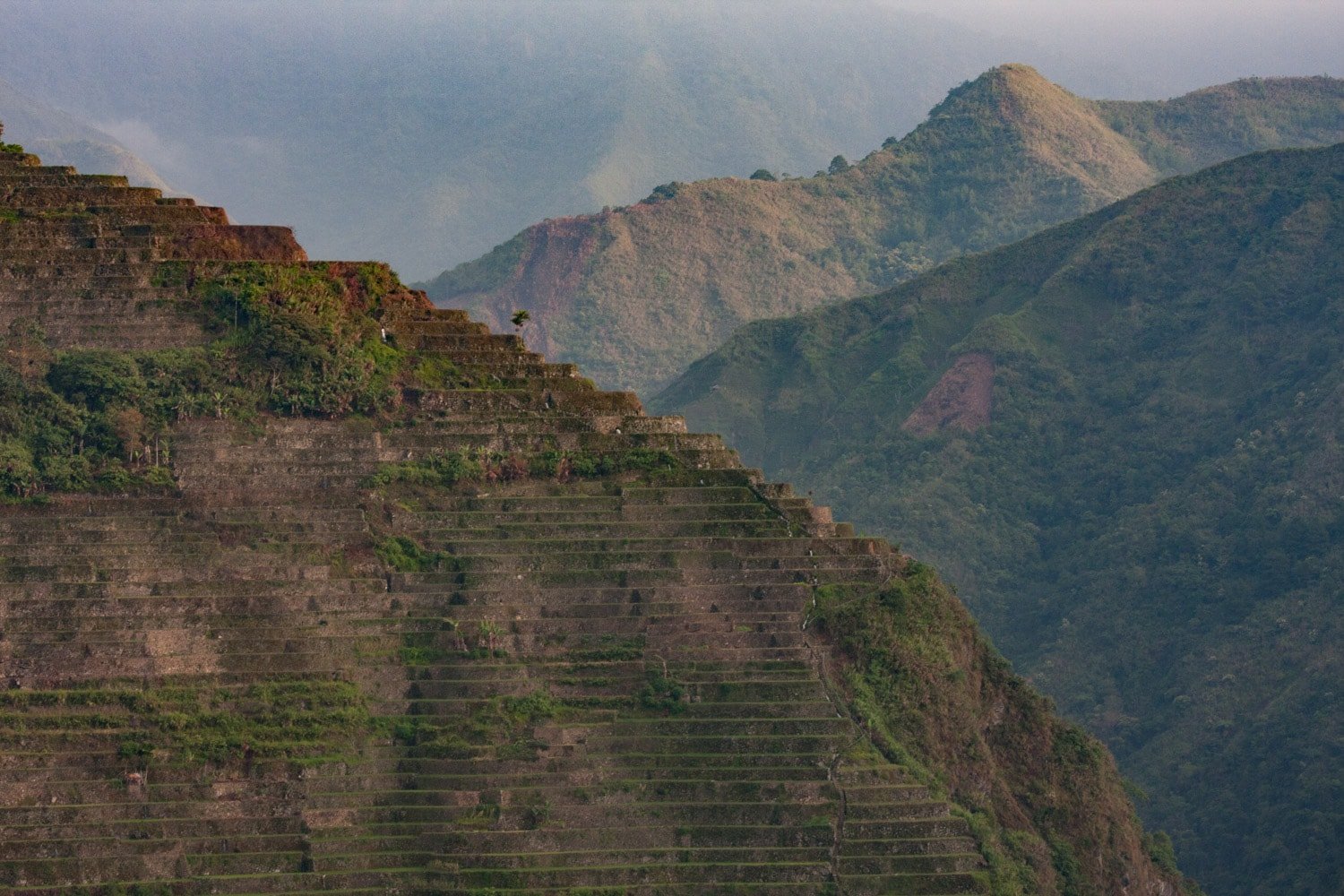
Highland exceptions: the Cordillera terraces and Baguio run genuinely cool in the evenings — one warm layer earns its bag space if the north is on your route.
05.Health, Safety & Emergency Information
No mandatory vaccinations apply to most travellers; routine immunisations should be current, and standard tropical precautions — bottled water, mosquito repellent at dusk, reef-safe sunscreen — cover the rest. Pharmacies are everywhere and well stocked; clinics on the major islands and in cities are modern, English-speaking and used to travellers. Carry personal medicines in original packaging with prescriptions, and declare conditions to your operator discreetly at booking so the right clinics and pacing are arranged.
- National emergency hotline — 911 works nationwide for police, fire and medical.
- Tourist police — present at major sites and airports; approachable and English-speaking.
- Your operator's line — the fastest practical help; save it before you fly.
- Travel insurance — recommended, activity-inclusive, certificates kept with travel documents.
General safety runs on common sense: licensed boats and guides (packages guarantee them), registered cabs in cities, valuables discreet in crowds, and crew instructions honoured on water. The tourist Philippines is welcoming and safe; the precautions above are the whole list, and they fit on a sticky note.
A short pre-flight health ritual keeps that sticky note honest: refill prescriptions for the whole trip plus buffer days, pack motion-sickness tablets where the day bag will actually find them, photograph your insurance card, and note the generic names of your medicines — island pharmacists are excellent at matching by ingredient. Sunburn prevention runs on reapplication rather than the morning coat; boat crews will remind you anyway, in the same tone they use for life vests, which is to say the tone of someone who has watched a traveller learn this lesson before.
06.Etiquette & Cultural Notes
Filipino etiquette runs on warmth with a few load-bearing customs. Greet with a smile; use po and opo respectfully with elders if you learn nothing else. Remove footwear entering homes and some shops. Ask before photographing people closely — consent arrives with a pose request. Accept food when offered; refusal reads as absence of appetite for friendship. Use the right hand for giving and receiving. And learn the national volume: Filipinos laugh loudly, chat warmly and sing anywhere — join in; the invitation is permanent.
Religious sites ask for covered shoulders and lowered voices; the country's faith is sincere and its churches are living ones. Public affection runs modest outside resorts. Bargaining is cheerful and expected in markets, absent in malls. Tipping follows the notes above. And the deepest etiquette is the easiest: pronounce the country's warmth back — thank crews by name, greet vendors first, learn three words (salamat, masarap, ingat) and watch the archipelago open like a well-rehearsed gift.
Church visits double as architecture tours: San Agustin in Manila and the island churches hold centuries of craftsmanship, and guides happily unlock their stories for the curious.
07.Quick Reference Directory
| Topic | The Essential Fact |
|---|---|
| Capital & gateway | Manila (NAIA); Cebu is the central-hub alternative |
| Language | Filipino and English, both official; English universal |
| Currency | Philippine peso; cash for islands, cards for cities |
| Time zone | Two and a half hours ahead of India, no DST |
| Power | 220V, Type A/B flat pins; adapter needed for Indian plugs |
| SIM | Globe or Smart tourist SIM at the airport, or eSIM in advance |
| Emergency | 911 nationwide; save your operator's line too |
| Best months | December to May dry; June to November green and quiet |
Print this table or screenshot it — it answers most pre-flight questions in eight rows. Everything else on this page exists to expand those rows honestly, and your operator's checklist will localise them to your exact route. Travel information, done right, is not homework; it is the confidence that lets the holiday start at the airport gate instead of at the first problem. Keep this page handy, book the trip properly, and let the facts do their quiet work while the islands do the loud ones.
08.Frequently Asked Questions
Honest answers to the questions travellers ask our desk most often about philippines travel information.
Do Indian citizens need a visa for the Philippines?
Under the latest rules, Indian passport holders with valid visas or residence permits from select countries enter visa-free for a limited stay; everyone else uses the straightforward e-visa route. Rules evolve, so confirm against current requirements before booking — your operator's checklist handles the verification.
What currency should I carry in the Philippines?
Philippine pesos — withdraw or exchange in cities before island legs, keep small notes for tricycles and beach shacks, and use cards freely in malls and resorts. Inform your bank of travel dates and carry a backup card stored separately.
Is English widely spoken in the Philippines?
Yes — English is an official language used in signs, menus, transport announcements, medical care and education nationwide. Travellers navigate the entire country in English, and a few Tagalog greetings earn delighted responses wherever they surface.
Is tap water safe to drink in the Philippines?
Stick to bottled or filtered water — standard tropical practice. Resorts provide complimentary bottles, island stores stock them everywhere, and hot drinks are safe. Ice at established restaurants and resorts is fine; use the same judgment you would anywhere tropical.
What emergency numbers should travellers save?
Save the national emergency hotline 911 (police, fire, medical nationwide), your operator's 24-hour support line, and your travel insurance helpline. Add your hotel's front desk and, if driving any itinerary independently, the local coast guard station for your island.
Ready when you are: every enquiry is free and without obligation. Tell us your travel month and group size — a real travel specialist (not a bot) replies within 24 hours, or WhatsApp us for a same-day answer.