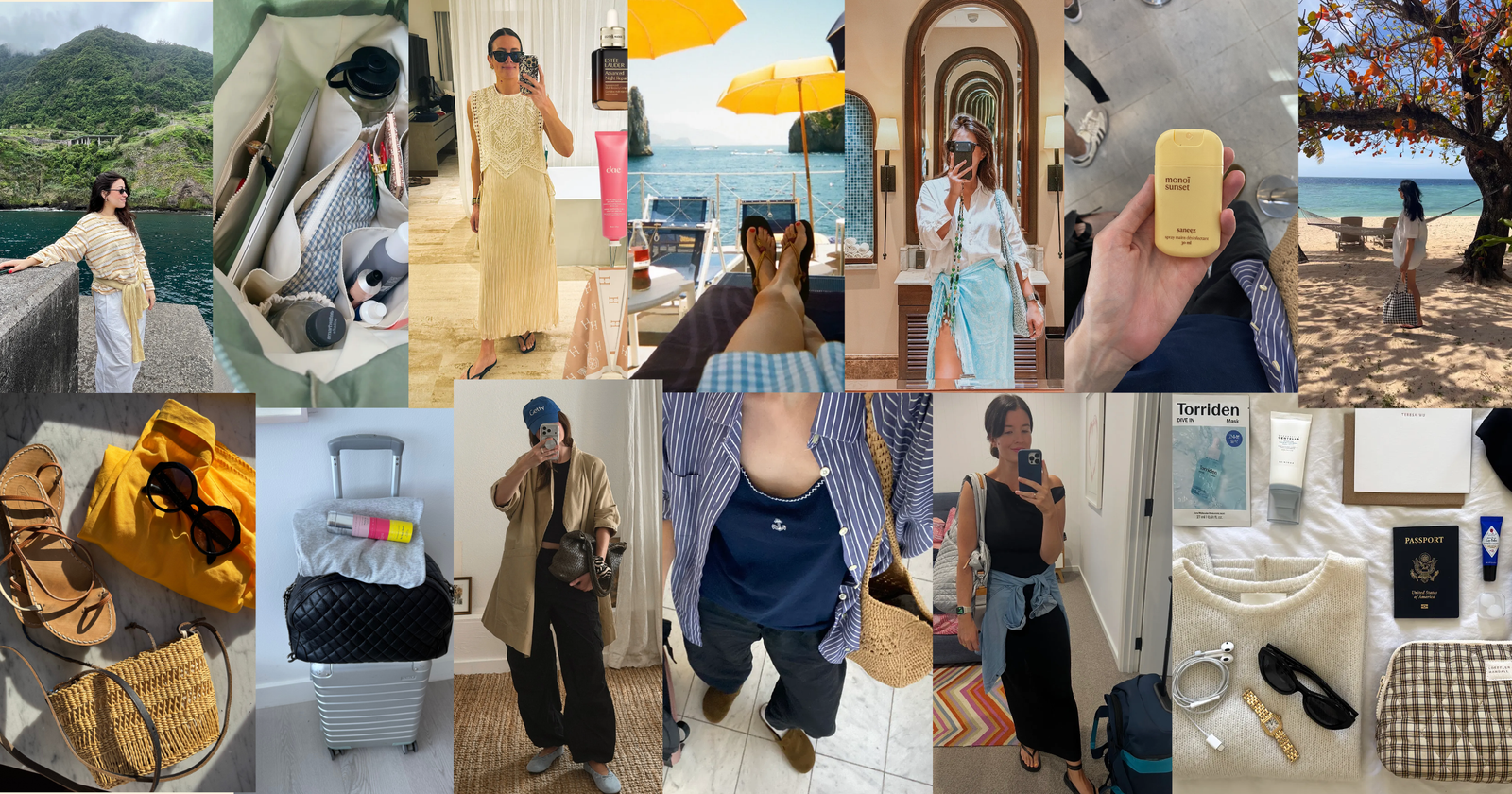
A good Philippines packing list is short, smart and salt-water tested. The islands reward light travellers: soft bags hop onto bancas more gracefully than suitcases, island evenings need nothing formal, and the chemist in El Nido stocks more than you fear. But a few things genuinely matter — the right sun protection, the dry bag, aqua shoes for rocky lagoons — and forgetting them costs beach hours. Here is the complete list our desk sends with every booking, arranged the way you will actually use it.
01.The Island Packing Philosophy
Three principles shape everything below. Soft beats hard: duffels and backpacks board boats, fit tricycle boots and forgive sand; suitcases sulk on all three. Multiples of small: several quick-dry items beat one precious outfit, because salt water and laundry services keep different schedules. Costume, not fashion: the dressiest night of the trip is a beachfront dinner, solved by one good outfit per person — everything else lives in cotton and swimwear.
Remember what the country provides: towels at every resort, snorkelling gear on every package boat, and shops in every town for the forgotten sunscreen. What the country does not provide — reef-safe sunscreen, your medicines, the power adapter — belongs on the list. Pack for a week even on a fortnight trip; laundry is cheap, fast and everywhere. The travellers who pack light always report the same thing: more room in the bag for dried mango on the way home.
Timing shapes packing too. Lay everything out on the bed three days before departure — the pile reveals duplicates instantly, and the missing items surface while shops at home are still open. Charge every battery the night before flying, photograph the packed bag for insurance peace of mind, and leave twenty per cent of the duffel empty for the return journey; the Philippines has a gift economy, and the gifts are heavy, delicious and non-negotiable. Travellers who follow this sequence board the flight calm, and calm is the first thing the islands notice.
02.Clothing: The Ten-Piece Wardrobe
- Swimwear ×2 — one drying, one wearing; the Philippine wardrobe's true uniform.
- Quick-dry tees and shorts — three or four sets; cotton dries slower but forgives evenings.
- One light long-sleeve — sun shield on boats and a modesty layer for village visits.
- One airy layer — ferries and malls run air conditioning at full sincerity.
- One dinner outfit per person — beachfront dressy, sandals acceptable everywhere.
- Sleepwear and underwear — quick-dry fabrics earn their keep in humidity.
- A light rain shell — doubly useful in monsoon months and open boats.
Colours matter less than fabrics: synthetics and blends dry overnight, denim never does. Leave the heels, the jeans and the 'just in case' third jacket at home — the islands have never once judged anyone for wearing flip-flops to dinner, and they never will.
03.Footwear: Three Pairs Maximum
Feet need exactly three pairs. Flip-flops or slides — the national footwear, worn from boat to beach to breakfast. Aqua shoes — the secret heroes of Philippine travel; rocky lagoon floors, sharp coral shallows and hot-noon piers all respect them, and every lagoon-hopping veteran swears by a pair. One comfortable walking shoe or sandal — for city days, viewpoints and the occasional stairs-with-ambition moment.
Skip the hiking boots unless the rice terraces are on your route; skip the new shoes bought the night before flying, unless blisters are the souvenir you want. Break in the aqua shoes at home first — ten minutes around the house tells you everything. And pack a small tin of blister patches regardless; they weigh nothing and have saved more holidays than sunscreen ever will.

One more foot note: boat decks go hot by noon. Slides that flip off easily beat sandals with buckles when the crew shouts 'swim stop!' with two minutes' notice.
04.The Boat-Day Bag: Your Daily Companion
Every Philippine itinerary has boat days, and boat days have their own bag rules. Into the dry bag (the single most valuable item on this list) go: phones and passports in a zip pouch, reef-safe sunscreen SPF50, the long-sleeve sun layer, motion-sickness tablets taken before boarding, a small towel, refillable water, snacks that survive heat, and cash in small notes for the island vendor who paddles out selling coconut water — yes, that happens, and yes, you will buy one.
- Dry bag 10–20L — phones, documents and dry clothes stay dry whatever the spray does.
- Zip pouch — passports, cash and cards, sealed against salt and splash.
- Reef-safe sunscreen — the reefs thank you; reapply after every swim.
- Snorkel mask (optional) — packages provide gear, but your own fit beats rental.
- Action camera or phone pouch — the lagoons will demand evidence.
Leave the drone home unless your package confirms it — several islands restrict flying without permits, and the beach bars have enough drone footage of your guide's uncle's boat already.
Store the dry bag thoughtfully the night before boat days: water, sunscreen, towels and hats loaded in reverse order of use, so the first thing needed sits on top. Crews notice organised bags and quietly give organised travellers the best seats on the boat — shade on the left, dry spot near the gear. Small preparations, recurring dividends: that is the packing list's entire philosophy in one seating arrangement.
05.Tech, Documents and Health Kit
Tech packing is short: phone, charger, Type A/B flat-pin adapter (220V), power bank for boat days, and the camera you actually use. Download offline maps and translations before the trip; buy a Globe or Smart SIM at Manila airport or activate an eSIM — data follows you across the major islands and keeps the family group chat cheerful. India's charging habits transfer perfectly; only the pin shape changes.
Documents: passports with six months' validity, e-visa confirmation or visa-free eligibility sorted early, printed hotel vouchers and return tickets (paper copies have rescued more travellers than any app), insurance details, and two passport photos for the sim-card counters. Health kit: personal medicines in original packaging with prescriptions, paracetamol, motion-sickness tablets, electrolyte sachets, blister patches, antiseptic cream, and repellent for the evenings. That kit fits a pencil case and covers ninety percent of island misadventures.
A note on luggage security, learned from a decade of airport lore: never pack valuables in checked bags, keep one card and some cash in a different bag from the main wallet, and carry a printed copy of your first night's hotel address — immigration counters and taxi queues both appreciate the old ways. Finally, save your specialist's number as a favourites-tier contact before you fly. On any given island day, that single contact solves more problems than the entire kit bag combined.
06.Monsoon-Month Additions
Travelling in the greener months changes the list by exactly three items. A proper rain shell or compact umbrella — showers arrive fast and photogenic. A second dry pouch for electronics, because humidity grows ambition. And one more quick-dry everything, since laundry and weather negotiate privately. Everything else stays the same — the sea is still warm, the pools still work, and rain on a tin roof of a beach bar is honestly a genre of romance.
Surf travellers headed to Siargao in season add rash guards and reef booties; divers add their certification cards and logbooks. Photographers add silica gel sachets for the lens bag — humidity is real, and lenses fog like gossip. But the core truth of monsoon packing is attitudinal: pack for shower interruptions, not for survival. The islands in the wet months are greener, quieter and cheaper — and the rainbow after the afternoon burst is a better show than most sunsets.
One monsoon-specific habit worth adopting: pack a spare pair of dry socks in the day bag and refresh the stock every evening. Small comfort, outsized morale effect — ask anyone who has watched a sudden downpour from a covered banca with dry feet and a hot coffee. The dry season deserves your sunscreen; the wet season deserves your flexibility and, apparently, your socks.
07.The Three Things Everyone Overpacks
After years of watching luggage disembark, our desk can name the usual suspects. One: shoes — nobody needs five pairs for islands where flip-flops are formalwear; three pairs is generous. Two: 'nice' clothes — the fancy-dinner budget is one outfit per person, full stop; everything past that returns home unworn, wrinkled and self-conscious. Three: toiletries by the gallon — every island town sells sunscreen, shampoo and repellent at honest prices; carry sizes, not inventories.
The underpacked list is shorter and worth memorising: aqua shoes, the dry bag, zip pouches, motion-sickness tablets, a spare phone pouch, and one extra bank card stored separately from the first. Pack to that logic — light on everything, generous on the sea-day essentials — and your bag will board every banca with the smug lightness of a well-loved duffel. The Philippines packing list, in the end, is less about things and more about leaving room: for the market finds, the pearl earrings someone will insist you buy, and the extra kilo of dried mango that absolutely did not fit on the way in.
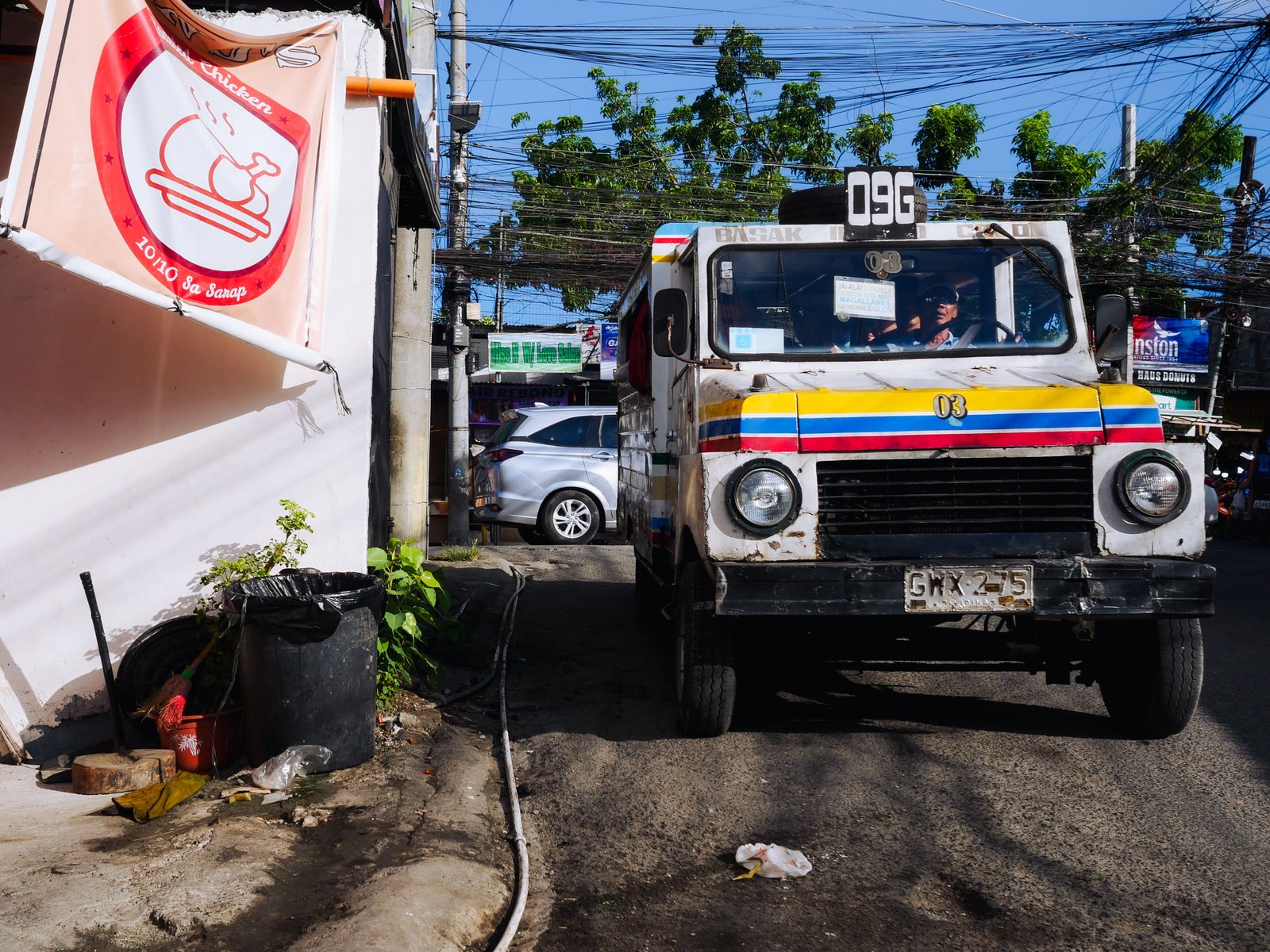
Print this list, tick it twice, and close the suitcase early. The best packers on any boat are the ones already swimming when everyone else is still re-zipping.
One final note for the repeat-offenders of overpacking: weigh the duffel before you leave home, and again after the last market run. The second weighing is always the better story — dried mango has mass, pearls have presence, and the woven bag that 'took no space' acquires a personality at the airport counter. Leave a kilo of grace in the bag's maths for all three. The Philippines packing list, finalised properly, ends not with a suitcase but with a promise: pack light, live heavy, return laden.
08.Frequently Asked Questions
Honest answers to the questions travellers ask our desk most often about philippines packing list.
What should I absolutely not forget for the Philippines?
Five things: reef-safe sunscreen, a dry bag for boat days, aqua shoes for rocky lagoons, motion-sickness tablets taken before boarding, and a zip pouch keeping passports and cash sealed against salt. Everything else is buyable on the islands.
What kind of bag is best for island travel?
A soft duffel or backpack travels far better than a suitcase — boats, tricycles and small aircraft all prefer it. Add a 10–20 litre dry bag as your daily boat companion for phones, documents and dry clothes.
Do I need warm clothes in the Philippines?
Only one light layer — air-conditioned ferries, malls and overnight buses run genuinely cold. Evenings on the beach stay warm year-round. Travellers heading to the northern rice terraces add a light jacket for the cooler highlands.
Is laundry available on the islands?
Yes, everywhere — resorts offer same or next-day service and towns run cheap laundry shops. This is why the packing list stays short: pack for a week even on longer trips, and let the laundry keep the duffel light.
What power adapter do Indian travellers need?
The Philippines uses Type A/B flat-pin sockets at 220V. Indian round-pin plugs need a simple flat-pin adapter, sold at every airport. Voltage matches India, so chargers and devices work without converters.
How much cash should we carry on island days?
Enough for tricycle hops, island snacks, tips and the vendors who paddle out to boats — small notes in a sealed zip pouch. Cards and city ATMs cover the rest, and your package already includes the big spends, so island cash mainly buys joy rather than logistics.
Ready when you are: every enquiry is free and without obligation. Tell us your travel month and group size — a real travel specialist (not a bot) replies within 24 hours, or WhatsApp us for a same-day answer.