
Every great Philippine trip starts the same way: someone asks how to visit Philippines properly, and someone who knows hands them a playbook. This is that playbook. It runs the whole arc — entry rules, the first route, where to base, what to book and in what order, the mistakes every first-timer should skip — and ends with the easiest step of all: sending the enquiry that turns the plan into boats, rooms and sunsets.
01.Before You Book: The Four Decisions
Four decisions shape everything, and they come in order. When: the dry arc brings certainty, the green arc brings value — choose your temperament, then your month. How long: count island days honestly; flights eat one at each end. Who: honeymooners, families, friend groups and solo travellers each route differently — name the tribe early. What feeling: lagoons, beaches, adventure, culture or rest — the feeling chooses the islands, not the reverse.
Answer these four in one sitting and the rest of the visit plans itself with unusual ease. Most first-timer stress comes from deciding in the wrong order — hotels before islands, flights before dates — so consider this the trip’s first and most valuable shortcut.
- When — certainty (dry arc) or value (green arc).
- How long — island days counted, not assumed.
- What feeling — the compass every route follows.
02.Entry, Money and the First Hours
Entry runs smooth with preparation: passports valid well beyond the trip, the right permission for your nationality — most visitors receive visa-free stays, and Indian travellers should check current rules, with recent relaxations allowing visa-free entry for holders of select valid visas or permits and an e-visa for others — plus onward tickets and a first-night address. Keep documents in one folder, physical and digital.
First hours matter more than first-timers expect: buy the tourist SIM or activate the eSIM at the airport, withdraw cash, and step past the taxi queue to a pre-booked transfer. Spend the first night gently — gateway city or straight to the first island depending on connections — and let the jet lag dissolve into a baywalk sunset rather than an itinerary. The trip’s tone is set in its first evening; set it warmly.
03.The First Route, by Trip Length
One week: Palawan only — El Nido’s lagoons, the Coron crossing, a beach finale. Ten days: add Cebu or Bohol — whale sharks, hills, one more register of wonder. Two weeks: Palawan plus the Visayas at one-region-per-week pacing, finishing on sand. Longer: add Siargao’s surf rhythm or the highland terraces — the country rewards returns, so leave unfinished business deliberately. The universal meta-rule: one island group per week, mornings for the sea, afternoons for shade, finale on the quietest beach of the trip.
Resist the archipelago’s most tempting mistake — collecting islands like stamps. Every island costs half a day of transfers; the trips travellers praise are always the unhurried ones. Copy a proven route first; improvise on the second visit, which, statistically, the Philippines always earns.
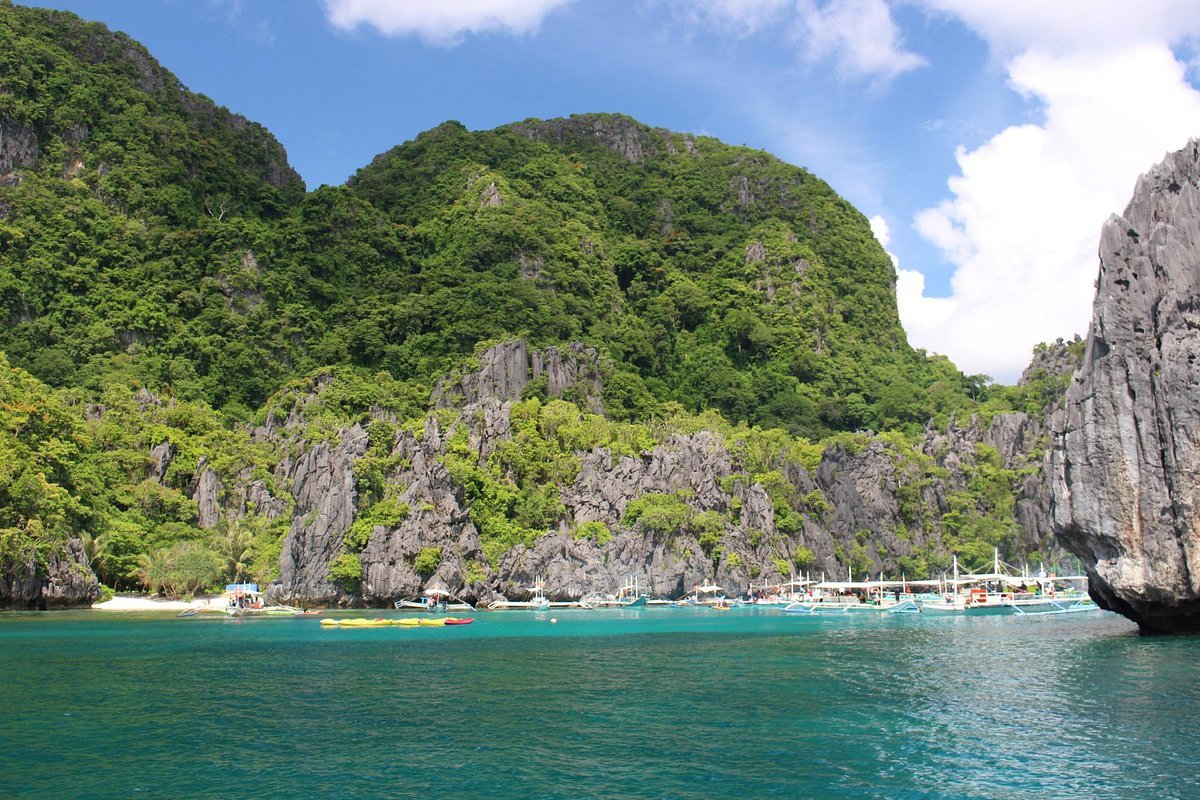
Route honesty: whichever route you choose, protect two slow mornings. The Philippines' best conversations happen over breakfasts that end when they end.
04.What to Book, and in What Order
First: international flights, once dates are firm — earlier is cheaper and calmer. Second: the package — stays, transfers, boat days, ferries — booked two to three months ahead for peak months. Third: the extras — dive courses, celebration dinners, spa sequences — requested while enquiring, when operators stage them best. Never: pier-side decisions for the days that matter; the best boats and guides hold calendars, not flyers.
Booking through a desk compresses the order into one message: dates, travellers, feeling — and the whole chain returns assembled. Insist on named properties, licensed operators and written inclusions; the good desks volunteer all three. The booking phase should end with one folder of vouchers and zero open tabs — that is what booked properly looks like.
05.The Mistakes Every First-Timer Should Skip
Over-collecting islands — the classic; two bases beat five transits. Skipping the buffer — weather here rewrites schedules; slack is the cheapest insurance. Booking the wrong season for the chosen island — months and islands must agree. Chasing every famous stop — add one quiet island; the country lives there. Underestimating the sun — reef-safe sunscreen, rash guards, the midday shade treaty. Over-planning dinners — book one celebration, improvise the rest; the grill your guide recommends outperforms any reservation.
Notice the pattern: the mistakes are all enthusiasm management, not safety. The Philippines is an easy, welcoming country — the first-timer’s real risk is arriving with a timetable written for a continent rather than an archipelago. Skip the mistakes above and the trip runs on wonder, which is the intended fuel.

One more skip: don't exchange all your money at the airport. City rates are kinder, and islands run on small notes anyway.
06.The First Step: One Message
Playbooks end the same way for a reason: at some point, planning must become booking, and the bridge is a conversation. Send the enquiry — dates, travellers, the feeling you want — and a specialist returns a route shaped to your answers, with named stays, licensed boats and honest exclusions. Tweak it together; confirm when it fits; fly when the folder is full. The gap between reading about the Philippines and standing in it is, genuinely, one message.
Our desk plans first visits as a speciality — the pacing, the buffers, the month-island matching, the gentle correction of over-ambitious drafts. Enquiries are free and obligation-free; first-timers especially are welcome to ask twice. The playbook has done its part. The islands have been rehearsing their welcome for a very long time — all that remains is your dates.

Welcome in advance. The Philippines has one rule for first-timers: arrive curious, leave converted. Everything else is negotiable — and the desk negotiates it for you.
07.The First 48 Hours, Playbooked
First visits live or die in their opening hours, so here they are, playbooked. Hour zero to three: land, SIM or eSIM live, cash withdrawn, name board found — the transfer pre-booked because arrivals are no time for taxi negotiations. Evening one: the soft landing — baywalk or beach, early dinner, the sea’s first performance, sleep by ten. Morning one: late breakfast, orientation walk, the trip’s rhythm negotiated with your own body clock. Afternoon one: the first swim — the moment the country stops being a plan and becomes a place.
Day two opens the itinerary properly — the first boat, the first circuit, the first fish named by a crew. Nothing in the playbook is ambitious; everything in it is decisive. Travellers who protect the first 48 hours report trips that never caught up to their fatigue; travellers who sprint them spend day three paying interest. The playbook’s whole advice fits a sentence: arrive soft, start slow, let the islands set the pace — they will, gently, by dinner.
- Pre-booked transfer — no negotiations at hour zero.
- Sleep by ten — the itinerary's first gift to itself.
- First swim on day one — the country becomes a place.
08.First-Visit Questions, Answered Once
The first-timer’s rapid round, from the desk’s inbox. “How long do I need?” — seven honest days minimum; ten for two regions; the country repays every extra day. “Which month?” — dry arc for certainty, green arc for value; both are answered for in earlier chapters. “Do I book tours ahead?” — the marquee ones yes, the gentle ones on the day. “Is street food safe?” — the queues certify; eat where they are. “Can I drink the water?” — bottled, always; ice at established places fine.
“What about the 12-hour time difference jet lag?” — the sea fixes it in two dawns; let it. “Do I need a guide everywhere?” — on the water, yes and gladly; in the malls, no. “What will surprise me?” — the English fluency, the kindness’s depth, and the prices’ gentleness. “What will I regret?” — only the days you did not add. The rapid round closes where the playbook began: dates, tribe, feeling — and one message that turns the answers into an itinerary.
- Seven honest days minimum — the country repays extras.
- Queues certify food — the street-eating rule.
- The sea fixes jet lag — two dawns, generously.
09.Frequently Asked Questions
Honest answers to the questions first-time visitors ask our desk most often about visiting the Philippines.
How should a first-time visitor plan a Philippines trip?
Four decisions in order: when (dry-arc certainty or green-arc value), how long (island days counted honestly), who is travelling, and what feeling the trip should serve. Then book international flights, the package and extras in that order — and copy a proven route rather than collecting islands like stamps.
What documents do I need to visit the Philippines?
A passport valid well beyond the trip and the correct entry permission for your nationality — most receive visa-free stays; Indian travellers should check current rules, with recent relaxations for holders of select valid visas or permits and an e-visa otherwise. Carry onward tickets, insurance and a first-night address.
What is the best first route in the Philippines?
One week: Palawan only — El Nido, the Coron crossing, a beach finale. Ten days adds Cebu or Bohol; two weeks pair Palawan with the Visayas. The meta-rule outranks specifics: one island group per week, mornings for the sea, afternoons for shade, and the finale on the quietest beach.
What mistakes should first-timers avoid in the Philippines?
Over-collecting islands, skipping buffer half-days, matching the wrong month to the chosen island, chasing every famous stop instead of adding one quiet island, underestimating the sun, and over-planning dinners. All are enthusiasm management — the country itself is easy and welcoming.
Can a specialist plan my first Philippines visit?
That is the recommended path for first-timers — pacing, buffers, month-island matching and gentle correction of over-ambitious drafts are the desk's craft. Send dates, travellers and the feeling you want; the route returns with named stays and licensed boats, free to request and tweak.
How should the first day in the Philippines be planned?
Softly: pre-booked transfer from arrivals, a baywalk or beach evening, an early dinner and sleep by ten. The first swim happens day one — the moment the country becomes a place rather than a plan. Ambition returns on day two, when the body clock agrees to it.
What should every first-timer prepare before the trip?
The document folder — entry permission, onward ticket, insurance, first-night address; the connectivity kit — eSIM or SIM plan, offline maps; the cash plan — cards for cities, notes for islands; and the buffer — one spare night before the international return. Everything else, the desk or the islands provide.
How many days does a first Philippines visit need?
Seven honest days minimum — one island group properly — with ten the sweet spot for two regions. The country repays every extra day with a new register: lagoons, wildlife, hills, surf. Book the anchors early, protect the free days, and let the sea fix the jet lag by the second dawn.
Ready when you are: every enquiry is free and without obligation. Tell us your travel month and group size — a real travel specialist (not a bot) replies within 24 hours, or WhatsApp us for a same-day answer.