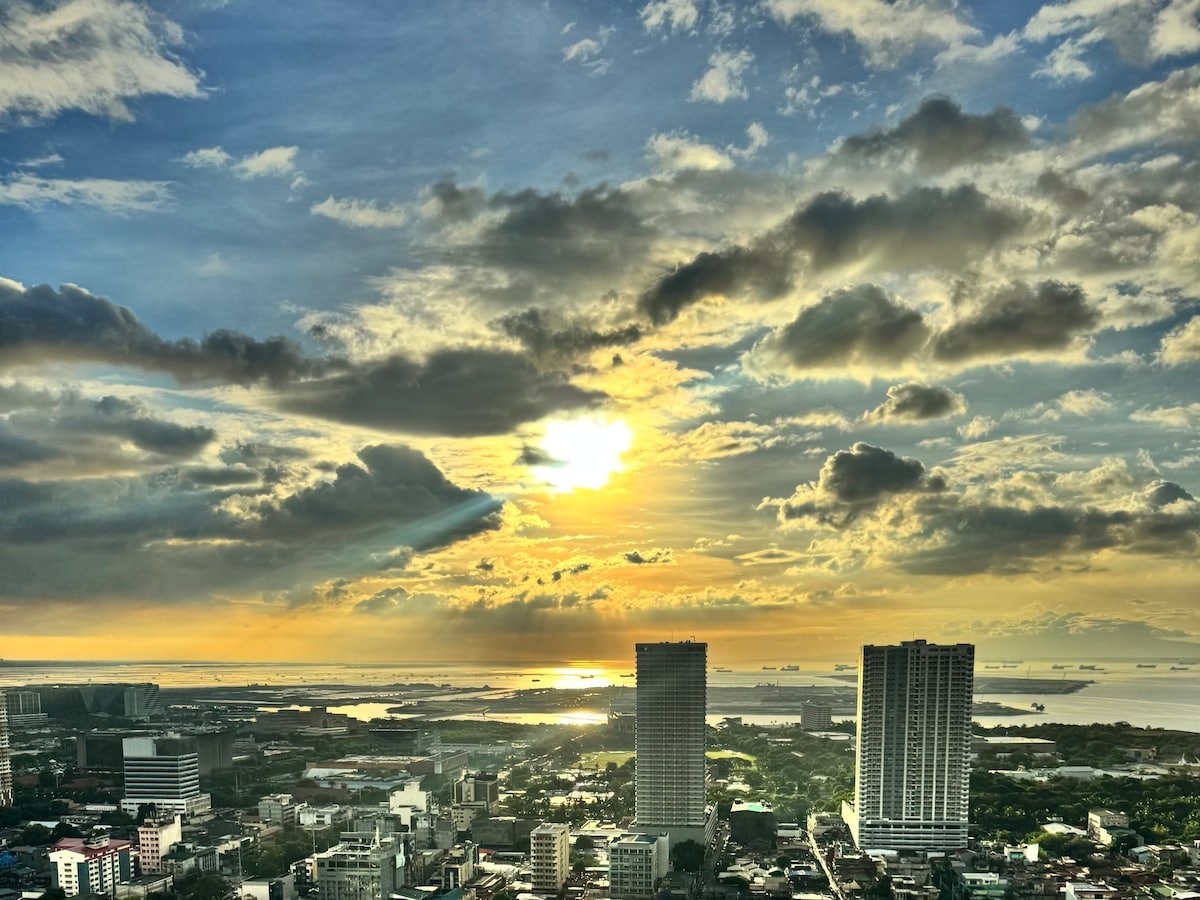
Every country deserves a page that answers the practical questions in order, and this is ours for the islands. This guide Philippines handbook covers the first-timer’s essentials — entry rules, money, connectivity, health and safety, when to come, and where to point the first itinerary — written plainly, without padding, and organised so you can read it once and travel calmly. Bookmark it; the specialist layer at the end handles everything this page cannot.
01.Entry, Visas and Arrival
Entry is straightforward with preparation. Most nationalities receive an initial visa-free stay; Indian travellers should check the latest rules before booking — recent relaxations allow visa-free entry for Indian nationals holding valid visas or residence permits from select countries, with an e-visa covering everyone else. Passports need validity well beyond your stay, and counters may ask for onward tickets and a first-night address.
Arrive through Manila or Cebu — the practical gates with the best connections to the islands. Keep a small document folder on the phone and in the bag: entry permission, return ticket, insurance, first-night address. Buy the tourist SIM or activate an eSIM at the airport, withdraw some cash, and step outside to a pre-booked driver — the single smoothest welcome a long flight can end with.
- Gates: Manila and Cebu; both connect to every island group.
- Documents: entry permission, onward ticket, insurance, address.
- Arrival hour: SIM, cash, then the waiting name board.
02.Money, Cards and Cash
The currency is the peso. Cards work across cities, malls and resort towns; cash runs the islands — tricycles, market stalls, small eateries and boat kiosks. ATMs cluster in cities and town centres; islands carry thinner coverage, so withdraw before hopping and carry small notes, which locals appreciate and kiosks require. Currency changing is easy in cities; skip airport rates where a city option exists.
Budget thinking splits by style rather than rule: simple travel (guesthouses, ferries, carinderia meals) runs light; comfortable travel (beachfront rooms, guided boat days, most meals bundled) is the style most visitors choose; celebratory trips add private boats, spa days and overwater dinners. However you lean, two habits pay: agree tricycle fares before boarding, and keep a dedicated note stash for island days — the trip’s smallest, most useful wallet.
03.Connectivity and Getting Around
Connectivity is a solved problem: airport SIMs and eSIMs from the major telcos cover every major island, data is inexpensive by global standards, and even boat days often hold signal. Hotels and cafés carry reliable WiFi. Download offline maps before boat days anyway — the habit costs nothing and has rescued many a sandbar picnic.
Getting around runs on three layers: domestic flights for long jumps (book early in peak season), ferries and fast craft for medium crossings, and banca boats for island-hopping days. On the ground, tricycles and jeepneys carry the last mile — cheap, cheerful, fares agreed first. Soft luggage beats hard cases on boats and small planes; morning crossings beat afternoon ones for calm. Book peak-season transport ahead; buy the rest on the day, Filipino-style.
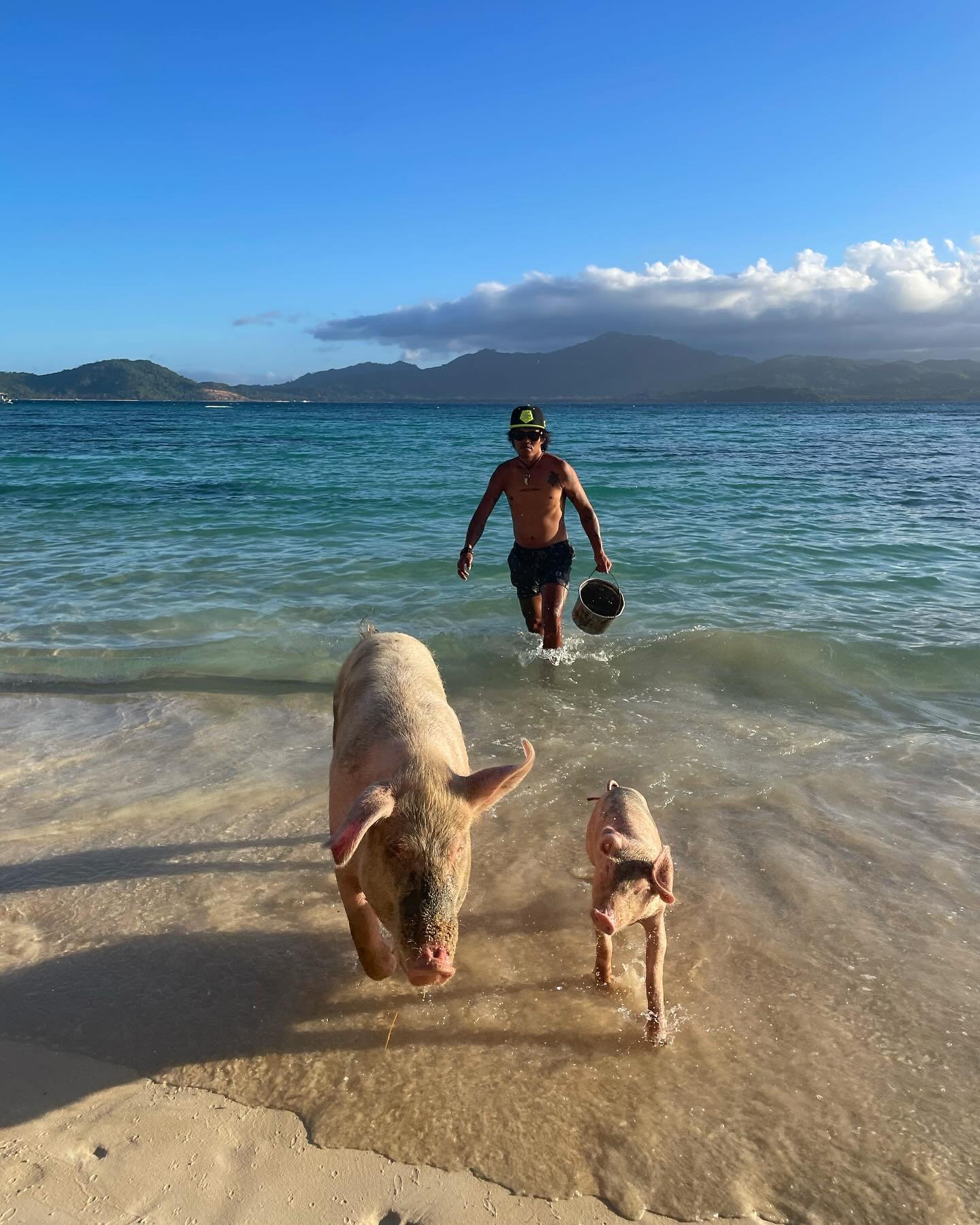
Health basics: bottled water throughout, reef-safe sunscreen, motion remedies for boats, and insurance that covers boat days. Medical care in cities and resort towns is competent and English-speaking.
04.Safety, Seasons and Etiquette
The Philippines is one of Asia’s easier countries for visitors: the famous friendliness doubles as a safety net, resort towns run safe and social, and licensed operators hold conservative standards on the water. Apply the universal cautions — night awareness, belongings, trusted transport — and respect the sea: crews’ weather calls are law, and life vests are furniture, not decoration.
Seasons in one line: December to May is dry, calm and postcard-perfect; June to November is greener, quieter and better value, with surf peaking in Siargao. Etiquette is easy: smiles open doors, remove footwear where locals do, ask before photographing people (the answer is usually yes, then a selfie), and accept the food offered to you — refusal is the only real rudeness here.
05.First Routes Worth Copying
One week, first visit: El Nido and Coron — lagoons, lakes, one ferry between, beach finale. One week, family edition: Bohol — hills, tarsiers, rivers, calm Panglao shallows. Ten days, sampler: Cebu’s whale sharks and canyons, ferry to Bohol, fly to Boracay for the sunset finish. Two weeks: Palawan plus the Visayas at the pacing one-region-per-week allows. Longer trips add Siargao or the highland terraces — the country rewards returns, and every route leaves unfinished business by design.
The meta-rule beats every specific: one island group per week, mornings for the sea, afternoons for the shade, and one beach-only day per base. Copy any route above, adjust for your tribe — romance, family, adventure, rest — and it will run. The routes are less about geography than about pace; get the pace right and every island performs.
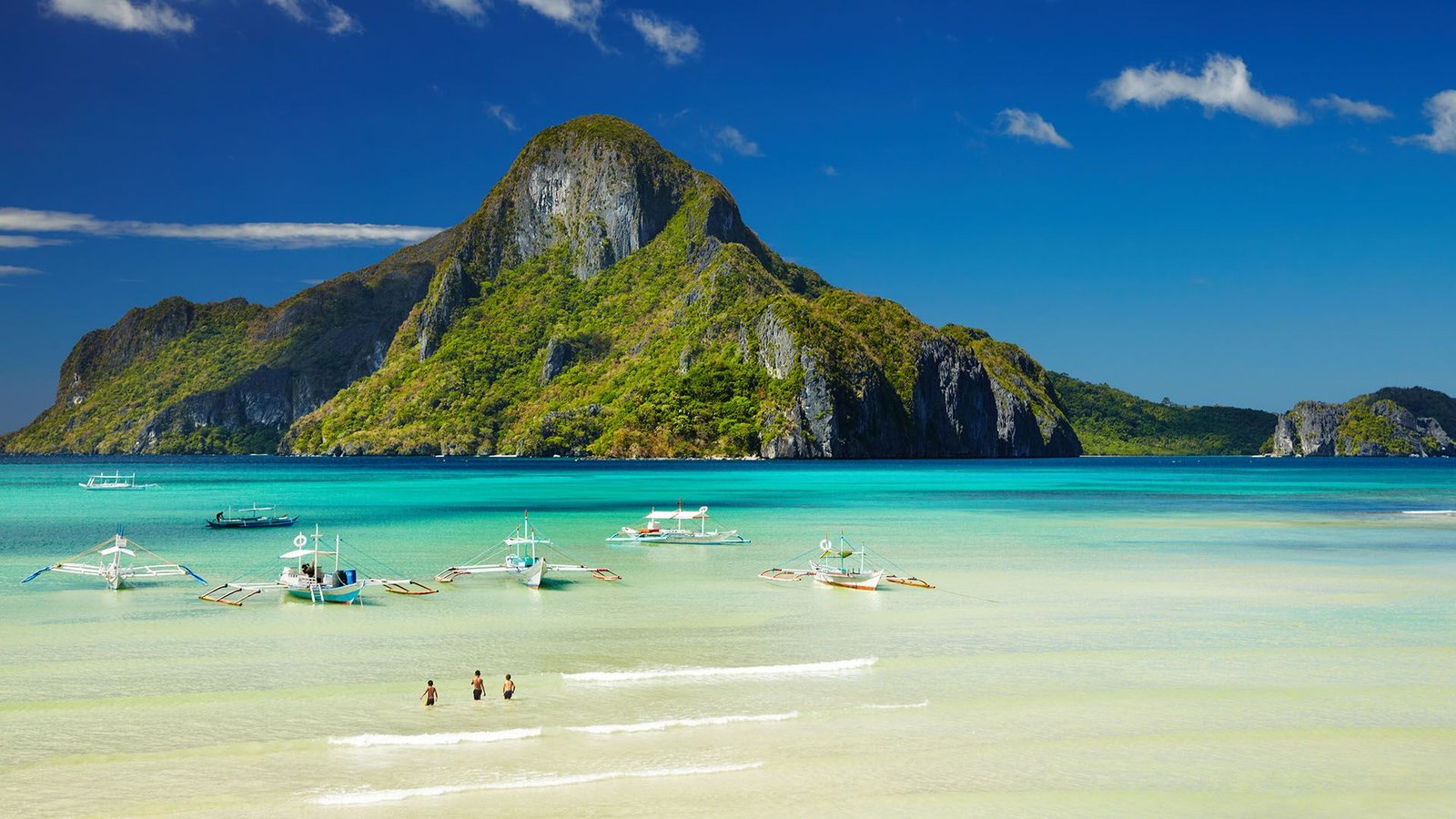
Copy-check: whichever route you pick, protect the last two nights for stillness. Departure days go better with sand between the toes than with a ferry timetable in hand.
06.Booking With a Specialist Desk
This handbook covers the country; a specialist desk covers your trip. Send dates, group and comfort level, and the itinerary returns with named resorts, licensed boats, timed transfers and written inclusions — tweakable until it fits, confirmable with a deposit, supported from booking to boarding. Free rescheduling for weather, one named contact on WhatsApp, and the honest exclusions listed beside every inclusion.
Our desk plans Philippine holidays as a full-time craft — first-timers especially, because the first trip sets the template for every return. Enquiries cost nothing and commit to nothing. Read the handbook, choose the route, send the message — and let the country do what it has done to every visitor since boats were invented: exceed the plan.

Last line of the handbook: whatever the season, whatever the route, one rule never changes — the Philippines is better than its photos. Plan accordingly, and let it prove itself.
07.Three Quick Itineraries From the Handbook
The long-weekend sampler: fly in Friday, the walled city and a food evening; Saturday to the ridge or the falls; Sunday morning on the baywalk, evening flight out — the capital done properly in three days. The one-week lagoon run: straight to El Nido on arrival day, two lagoon circuits, the crossing to Coron, one lake day, home — the postcard week with zero filler. The ten-day sampler: Palawan first, then the Cebu corridor — whale sharks, canyon, sardines — with the ferry to Bohol as the exhale and the finale on Panglao’s sand.
Each itinerary obeys the handbook’s rules: one island group per week, mornings for the sea, buffer half-days in island-heavy weeks, the finale on quiet sand. Copy one as-is, or hand it to the desk for tailoring — the drafts return within a day, named and priced. The handbook’s promise holds across all three: read once, travel calmly, arrive curious, leave converted.
- Long weekend — the capital, done properly.
- One week — the postcard run, zero filler.
- Ten days — two clusters, one exhale, sand finale.
08.The Handbook’s Fast Answers
The desk’s most-asked handbook questions, answered at speed. “Is tap water safe?” — bottled throughout; ice at established places fine. “Do I need injections?” — none mandatory for most travellers; routine covers plus your doctor’s advice. “Cards or cash?” — both, split by geography; the answer earlier in this handbook holds. “Tipping?” — modest, in peso notes, appreciated everywhere; the desk’s suggested ranges travel with every itinerary. “Best island for three days?” — Boracay for ease, El Nido for wonder, Bohol for families; choose by tribe.
“Is it safe?” — yes with ordinary care; the friendliness doubles as infrastructure. “What about the rainy months?” — travel happily with flexible bookings; showers perform briefly. “SIM on arrival?” — yes; the airport counters solve it in minutes. “One thing to pack that I will forget?” — the dry bag; the other thing — patience for the island clock, which rewards generously. The handbook’s door stays open: every answer here expands into a full chapter elsewhere on this site, and every question not yet asked goes to the desk’s WhatsApp, where it will be answered like the others — quickly, honestly, and without a sales pitch attached.
- Bottled water, always — the handbook’s first reflex.
- Modest tips, peso notes — appreciated everywhere.
- The dry bag — the item everyone forgets once.
09.Frequently Asked Questions
Honest answers to the quick-start questions first-time visitors ask our desk most often about the Philippines.
What documents do I need to enter the Philippines?
A passport valid well beyond your stay, entry permission suited to your nationality — most receive visa-free stays; Indian travellers should check current rules, with recent relaxations allowing visa-free entry for holders of valid visas or permits from select countries and an e-visa for others — plus onward tickets and a first-night address.
Should I carry cash or cards in the Philippines?
Both, in the right places. Cards work in cities, malls and resort towns; cash runs the islands — tricycles, markets, kiosks and small eateries. Withdraw before island hops, carry small notes, and agree tricycle fares before boarding. A dedicated note stash for boat days is the trip's most useful wallet.
How do I stay connected across the islands?
Buy a tourist SIM or activate an eSIM at the airport — major telcos cover every major island at inexpensive rates, with reliable WiFi in hotels and cafés. Download offline maps before boat days as the free insurance habit, and expect signal even on many crossings.
What is the best first route for one week?
El Nido and Coron in Palawan — lagoons, lakes, one scenic ferry between and a beach finale. Family editions choose Bohol instead; samplers add Cebu and Boracay over ten days. The meta-rule outranks specifics: one island group per week, mornings for the sea, afternoons for the shade.
Do I need a specialist or can I travel independently?
Independent travel works if you enjoy research and hold flexible time. A specialist earns their place when you want named resorts, licensed boats, timed transfers, one contact on WhatsApp and free rescheduling when weather improvises. Enquiries are free — the quote itself is the education.
Which quick itinerary suits a first long weekend?
The capital sampler: the walled city and a food evening on day one, the ridge or falls on day two, the baywalk before the evening flight. It delivers heritage, food and horizon without a single inter-island transfer — the perfect calibration test for the longer trip it will inspire.
Can these quick itineraries be tailored by the desk?
That is their intended use. Send the draft you like with your dates and tribe; the tailored version returns within a day with named stays, licensed boats, timed crossings and the pacing rules printed. Copy the skeleton, delegate the organs — that is what the handbook's drafts are for.
What are the fastest practical answers for a first visit?
Bottled water throughout; no mandatory injections for most travellers; cards in cities and cash for islands; modest peso-note tips appreciated everywhere; Boracay, El Nido or Bohol for short trips depending on tribe; flexible bookings in the rainy months; a SIM at the airport; and the dry bag everyone forgets once. Everything else answers at the desk.
Ready when you are: every enquiry is free and without obligation. Tell us your travel month and group size — a real travel specialist (not a bot) replies within 24 hours, or WhatsApp us for a same-day answer.