A well-chosen Philippines tour package turns a complicated island country into one smooth, unforgettable holiday. With more than seven thousand islands, ferries, domestic flights and boat permits to think about, planning on your own can get heavy very quickly. This guide walks you through everything our travel desk tells first-time callers — what a package really includes, how to match one to your travel style, which islands deserve your days, and the small details that separate a smooth trip from a stressful one.
01.Why a Tour Package is the Smart Way to See the Philippines
The Philippines is not one destination — it is several countries worth of coastline stitched together by boats and small planes. On a DIY trip you juggle hotel bookings on three different islands, ferry timetables that change with the weather, and environmental fees at every pier. A package puts all of that into one plan with one person answerable to you. When a boat cannot sail because of wind, your operator rearranges the day instead of leaving you guessing at the jetty.
There is also the value side of the story. Operators buy rooms, boats and guides at contracted rates, so a packaged holiday often costs less than booking the same stays and tours separately. And because your itinerary is built by people who know the tides, you swim in Big Lagoon when the light is best and reach Nacpan before the crowd. For families with children, honeymooners who do not want to think about logistics, and first-time visitors, this hand-holding is usually the difference between a good holiday and a great one.
- One point of contact — from airport pick-up to your final drop, somebody is always reachable.
- Time saved — no hours lost comparing fifty hotels or decoding ferry schedules.
- Local knowledge built in — the right lagoons, the right hours, the right beaches.
- Safer travel — licensed boats, insured vehicles and guides who read the weather.
02.What a Good Package Actually Includes
Packages vary between operators, so read the inclusions line by line before you commit. A properly built Philippines tour package covers your beachfront or boutique stays, all island-hopping boat trips with licensed guides, inter-island ferries or domestic flights where the route needs them, snorkelling gear, daily breakfast, lunches on touring days, and every airport and ferry-port transfer. Someone should be waiting with a name board when you land, and someone should drop you back — that is the baseline, not a bonus.
Ask equally clearly about exclusions, because that is where surprise costs hide. International flights from India, the Philippine travel tax, terminal fees at small airports, dinners, travel insurance and personal spending normally sit outside the package price. A transparent operator lists these on the quote itself. If an agent will not put inclusions in writing, treat that as your answer. We send a full day-by-day itinerary with every enquiry so you know exactly what you are getting before you pay anything.
It also helps to know how packages differ from one another. Group departures run on fixed dates with shared boats and a tour coordinator, which keeps things social and efficient. Private packages run entirely on your dates with your own vehicle, boat and guide — the choice of most families and honeymooners. Semi-private hybrids sit in between, joining shared island-hopping days while keeping transfers private. None of these is better by default; the right one depends on your budget style, your dates and how much company you enjoy.
03.How to Choose the Right Package for Your Travel Style
Start with three honest questions: how many days you have, who is travelling, and what kind of holiday makes you happiest. Couples usually fall for Palawan — the lagoons of El Nido and the lakes of Coron feel made for two. Families with kids do brilliantly on the Cebu and Bohol circuit, where whale sharks, waterfalls and the Chocolate Hills come with gentle pacing and safe swims. Friends chasing waves and café culture head to Siargao, while travellers short on days choose Boracay for its easy, beautiful beach life.
Duration matters as much as direction. A one-week package comfortably covers one island group; ten days lets you stitch two regions together without rushing. If you are celebrating — a honeymoon, an anniversary, a milestone birthday — say so while enquiring. Operators can add a private sunset cruise, a beachfront dinner or a room upgrade far more easily before booking than after. The best package is simply the one shaped around your days, not a fixed template sold to everybody.

One more filter worth applying: pace. Some travellers want a new island every two days; others prefer to unpack twice in a week. Tell your specialist which camp you belong to. A good itinerary leaves room for slow mornings, and honestly, the Philippines rewards the traveller who lingers as much as the one who collects islands.
04.The Islands Most Packages Cover
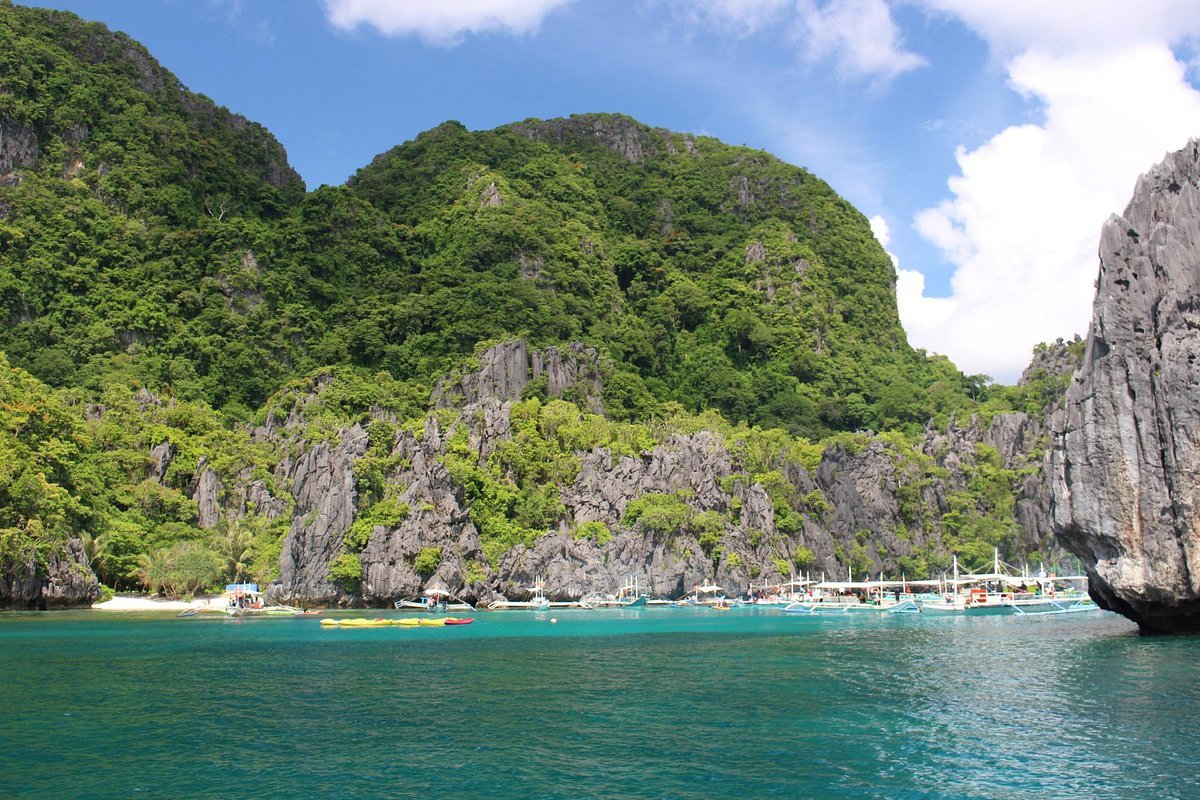
Most first visits orbit five stars of the archipelago. El Nido and Coron in Palawan deliver the famous limestone cliffs, hidden lagoons and sandbars you have seen on screensavers. Boracay offers four kilometres of powder-soft White Beach and the finest sunset sailing in Asia. Cebu blends a historic city with whale sharks, canyoneering at Kawasan Falls and the sardine run of Moalboal. Bohol is the gentle one — Chocolate Hills, tiny tarsiers and calm Panglao beaches that suit children and grandparents alike. Siargao rounds it off with surf, palm-lined roads and a laid-back café scene.
You do not need all of them in one trip, and trying to squeeze five islands into a week is the commonest mistake we see. Two islands in seven days, or three in ten, keeps the holiday feeling like a holiday. Our specialists usually suggest one water-focused island plus one easy beach island — that single rule fixes most itineraries.

Beyond the famous five lie deeper cuts: the rice terraces of Banaue for culture lovers, Donsol for swimming with whale sharks the ethical way, and Camiguin for travellers who want an island all to themselves. Mention your interests while enquiring — a good desk can rebuild any route around them.
05.When to Travel and When to Book
The Philippines plays by two seasons. The dry months from December to May bring blue skies, calm seas and the postcard weather most travellers imagine — they are also the busiest months, so book two to three months ahead for the best beachfront rooms. The wetter months from June to November are greener, quieter and easier on the wallet; showers usually arrive as short afternoon bursts rather than ruined days, and Siargao's surf actually peaks in this window.
Timing inside your trip matters too. Boat days go calmer in the morning, so well-built itineraries schedule lagoon-hopping early and save spa sessions and sunset spots for the afternoon. If a festival interests you, plan around Sinulog in Cebu or the Ati-Atihan celebrations in Kalibo — the energy is unforgettable, but hotels fill fast. Whenever you travel, choose an operator offering free rescheduling; island weather deserves that flexibility, and so do you.
Booking lead time deserves its own planning. Peak-month holidays — the Christmas and New Year stretch, and the summer school break — reward early birds with the best beachfront rooms and flight timings. Shoulder months forgive late planners and often carry softer resort rates. Weddings and big family reunions need the longest runway of all, because room blocks on small islands sell out first. Tell your specialist the occasion along with the dates, and the booking calendar builds itself backwards from there.
06.How Booking Works With Our Desk
We keep booking deliberately simple. Browse the itineraries on our homepage, then send an enquiry through the form or WhatsApp with your travel month, group size and rough duration. A real specialist — not a bot — replies, usually the same day, with a suggested route and a transparent quotation. You can tweak anything: swap an island, add a dive day, upgrade a room, slow the pace. Nothing is locked until you say yes and confirm with a deposit.
After confirmation you receive a voucher pack with every hotel, transfer and tour written out day by day, plus a pre-departure checklist covering visas, packing and connectivity. During the trip, a WhatsApp group with our on-ground team keeps help one message away. It is the kind of support that makes a seven-thousand-island country feel like a single, well-organised holiday.
07.Practical Tips Before You Confirm
A few small habits save big trouble. Check that your passport has at least six months of validity left, and sort your visa or e-visa well before departure — rules for Indian travellers have relaxed recently, and our team sends a country-specific checklist with every quote. Buy travel insurance even on the calmest itinerary; boats and weather occasionally disagree. Carry some cash in pesos for island stalls and tricycles, since cards do not follow you to every sandbar.
Finally, read reviews of the operator, not just the destination. Look for words like punctual, responsive and exactly as promised. A Philippines tour package is only as good as the people behind it — choose the desk you would trust with your honeymoon, and the islands will do the rest.
And once you are in the country, let the plan breathe. Some of the finest travel moments in the Philippines are unplanned: a tricycle driver who detours to his favourite viewpoint, a beach vendor grilling corn at sunset, a boat crew teaching your kids to dive off the bow. A package handles the logistics so that these small, human surprises have room to happen. That balance — structure in the background, freedom in the foreground — is exactly what a good tour package is for.
08.Frequently Asked Questions
Honest answers to the questions travellers ask our desk most often about philippines tour package.
What does a Philippines tour package include?
A complete package covers beachfront stays, all island-hopping boat tours with licensed guides, inter-island ferries or domestic flights where needed, snorkelling gear, daily breakfast, tour-day lunches and every airport transfer. International flights, the Philippine travel tax, dinners and insurance usually sit outside the package.
How many days are enough for a Philippines trip?
Seven days comfortably cover one island group such as El Nido with Coron, or Cebu with Bohol. Ten days let you combine two regions like Palawan and Boracay at a relaxed pace. Anything shorter works best on a single island such as Boracay.
Is the Philippines good for a first international trip from India?
Yes. English is spoken everywhere, the visa process is straightforward for Indian travellers with the latest relaxations, and packaged tours handle all local logistics. The mix of beaches, marine life and friendly culture makes it an easy first step into Southeast Asia.
Which islands should I pick for my first Philippines tour package?
First-timers usually love El Nido and Coron for lagoons, Boracay for easy beach days, or Cebu with Bohol for a mix of wildlife, waterfalls and culture. Two islands in one week keeps the trip relaxed rather than rushed.
Can a package be customised to my dates and preferences?
Absolutely. Any good operator rebuilds itineraries around your travel days, pace, interests and room preferences. Tell your specialist what you enjoy — diving, food, slow mornings — and the plan is adjusted before you confirm anything.
Ready when you are: every enquiry is free and without obligation. Tell us your travel month and group size — a real travel specialist (not a bot) replies within 24 hours, or WhatsApp us for a same-day answer.