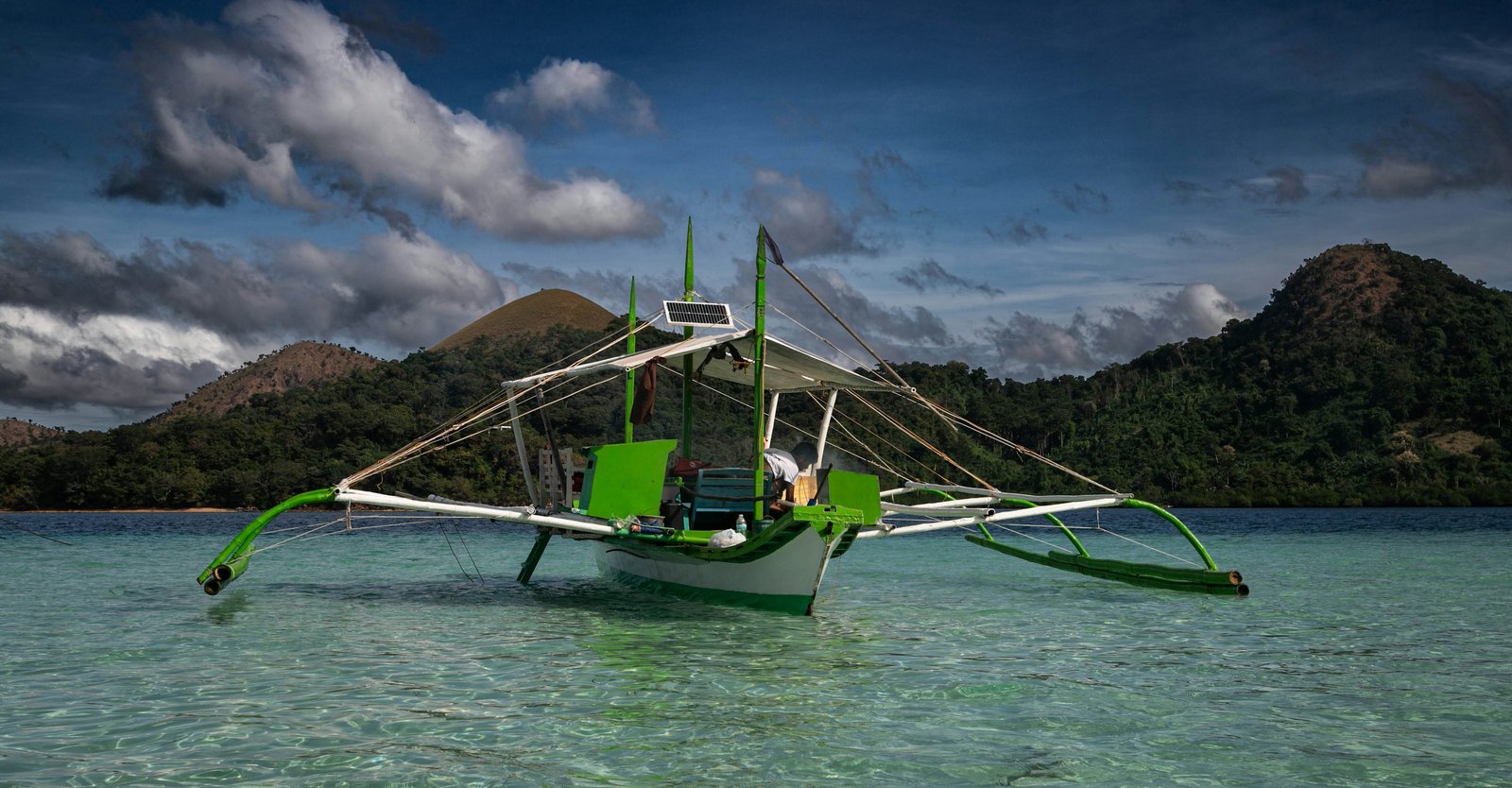
A Philippines travel package is really a promise: every night, boat, breakfast and transfer of your holiday, arranged before you ever leave home. In a country of seven thousand islands, that promise is worth more than it sounds. This guide opens up the package and shows you exactly what goes inside it, how travel specialists build an itinerary that flows, where packages beat do-it-yourself planning and where they do not, and how much of any package can be reshaped to match the holiday you imagine.
01.What Exactly is a Philippines Travel Package?
Think of a travel package as one bundle containing the four big pillars of any island holiday: where you sleep, how you move, what you do each day, and who to call when plans change. Your package locks in beachfront or boutique resorts, books the ferries and domestic flights between islands, reserves island-hopping boats with licensed crews, and pre-arranges every airport pick-up. Meals usually cover breakfast daily plus lunch on touring days, when you are out on the water and a hot meal matters most.
What makes it a package rather than a booking list is the layer of service around it. A specialist designs the route so you never backtrack, times your boat days for calm morning seas, and keeps a buffer for island weather. When something shifts — a delayed ferry, a sudden shower — the same specialist rebuilds the day while you finish your breakfast. That invisible layer is what you are actually buying, and experienced travellers will tell you it is the part they value most.
Geography explains why this matters more here than in most countries. The Philippines splits into three broad island groups — Luzon in the north, the Visayas in the middle, Mindanao in the south — and the stars of any holiday, Palawan and Boracay, sit a domestic flight apart from each other. Distances that look small on a map take real travelling time. A travel package exists precisely to fold those distances into smooth, pre-booked connections, so your holiday feels like a string of islands rather than a series of airports.
02.Inside the Package: Every Piece Explained
A transparent package breaks into clear parts. Stays are chosen for location first — walkable beaches, reliable generators, honest reviews — and matched to your comfort level. Transfers cover everything with wheels and hulls: airport cars, ferry seats, private boats with life vests. Activities include the famous island-hopping circuits, lagoon swims, snorkelling stops and viewpoint trips, each with entries and permits handled in advance. Support wraps it all: a trip voucher pack, an on-ground contact and a WhatsApp group that follows you across the islands.
- Handpicked stays — beachfront rooms with proven service, not random listings.
- All movement pre-booked — nobody in your family queues for a ferry ticket.
- Licensed guides and crews — trained, insured and genuinely good with children.
- Snorkelling gear included — masks and fins that fit, on every boat day.
- Clear exclusions — international flights, travel tax and dinners stated upfront.
Check any package against that list and you will know within a minute whether it is built with care or thrown together. Good operators are proud of this level of detail; vague ones change the subject.
03.DIY vs Package: An Honest Comparison
Let us be fair to both sides. DIY travel in the Philippines works — backpackers do it happily, and the country is friendly to independents. You get total freedom, and sometimes a slightly lower spend if you hunt hostels and public ferries. But DIY also means researching dozens of islands, booking each boat and hotel separately, carrying cash to every counter and solving every hiccup yourself, in a country where timetables bend with the tide.
A package trades a little of that freedom for a lot of ease. Rooms are confirmed before you fly, boats wait when you arrive, and a specialist absorbs the stress that DIY travellers carry through the whole trip. For first-time visitors, families with small children, honeymooners on a fixed budget style and older parents travelling with you, that trade is usually obvious. The honest rule: the less time you have, and the more people you are responsible for, the more a travel package earns its keep.
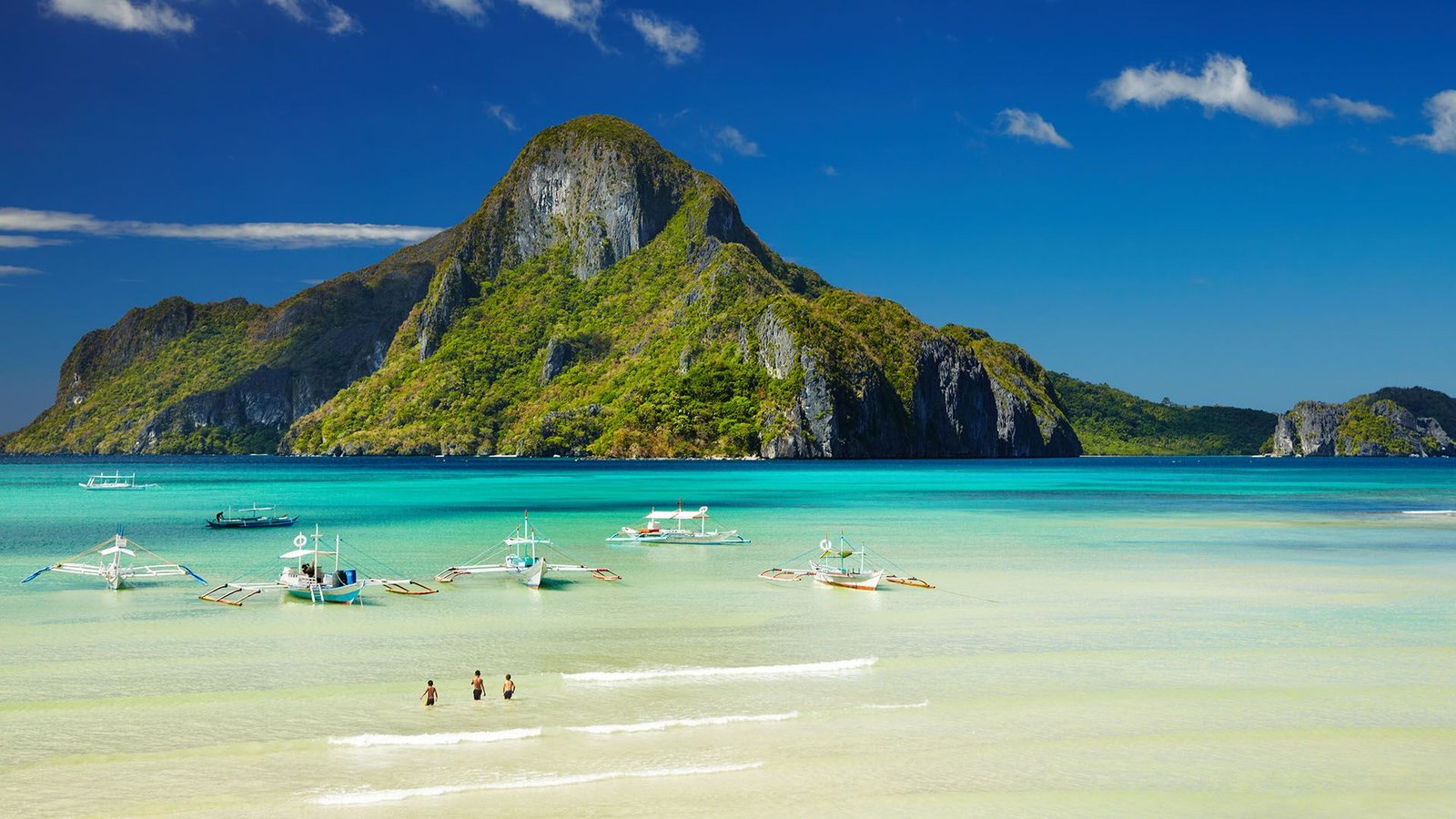
There is a middle path too. Some travellers book flights themselves and hand everything on the ground to a package. Others take a packaged route for the first trip and go semi-independent the next time, using what they learned. Both are sensible; the mistake is assuming one style suits every trip.
04.How Specialists Actually Build Your Package
Route design is a craft, and it starts with a map and your dates. Planners cluster islands geographically so travel days stay short — El Nido to Coron by fast ferry, not El Nido to Siargao in one hop. Then comes pacing: big boat days alternate with easy beach mornings, long transfers sit next to free afternoons, and the final night lands somewhere calm before your flight. Weather logic follows — exposed crossings go into morning windows when the sea is kindest.
Next, the specialists match stays to the day's shape. A quiet resort near the pier before an early boat, a livelier beach strip for your free evening, family rooms close to the pool where children burn off energy. Permits and environmental fees get arranged ahead so you walk past queues. Finally, the plan is stress-tested by people who have sailed every route themselves — the reason our itineraries rarely change once confirmed. You can copy this logic yourself on your third Philippine trip; on your first, borrow it.
The building starts even earlier, though — with your first enquiry. Bring three things to that conversation: your travel window, your headcount, and one sentence about the kind of holiday you enjoy. Add any fixed anchors, like a wedding to attend or relatives to meet, and the specialist drafts the first route within a day. From there it is a short, friendly loop of edits — swap this island, slow that transfer, upgrade this night — until the plan stops being a template and starts being yours.
05.Customising: Make the Package Truly Yours
A travel package is a starting point, not a straitjacket. Anything in the plan can move. Want one more night in El Nido and one fewer in Coron? Done. Prefer a diving day instead of a third beach morning? The boat gets rebooked. Celebrating a honeymoon or an anniversary? Private dinners, room styling and a sunset cruise slot in easily. Indian travellers often ask about food arrangements — resorts routinely handle vegetarian meals, and our desk flags your preferences to every kitchen in advance.
The best time to customise is before confirmation, when changes cost nothing but a message. Send your specialist the things you loved on past trips — slow mornings, local markets, adventure over lounging — and let them rebuild. By the time you approve the final itinerary, it should read like a plan you could have written yourself, if only you had the local knowledge and the spare month. That is the whole point of a well-made travel package.
One gentle warning: customise thoughtfully, not endlessly. Every added stop adds a transfer, and the beauty of island travel lives in its unhurried rhythm. A good specialist will tell you when your edits start working against the holiday — listen to them, that advice is free and usually correct.
06.Who Benefits Most from a Travel Package
Certain travellers gain the most, and it is worth checking yourself against the list. First-time international travellers get a safety net — someone at the airport, someone on WhatsApp, someone answerable. Families with children gain pacing and safety: licensed crews, insured boats, rooms that actually fit four people. Honeymooners gain polish — the private dinners and quiet corners that turn a good beach holiday into a romantic one. Seniors gain comfort; every transfer is door-to-door, nobody hauls luggage onto ferries.
Groups of friends gain coordination — eight people, one plan, zero group-chat chaos. And busy professionals gain time; the holiday gets planned by someone whose full-time job is planning holidays. Even experienced travellers use packages for the complicated trips: multi-island routes, festival weeks when rooms are scarce, or dives and liveaboards that need local permits. If your trip appears anywhere on that list, a travel package will pay for its keep many times over.
07.Mistakes to Avoid While Choosing
A few predictable mistakes cause most disappointments, so learn them here cheaply. First, comparing only the headline number: one package includes private boats and beachfront rooms, another quietly uses shared trips and roadside hotels — read the inclusions, not just the figure. Second, overpacking the itinerary: five islands in five days looks heroic on paper and feels like an airport tour on the ground. Third, ignoring the season: booking Siargao for flat seas or El Nido in peak storm months sets yourself up for disappointment.
Fourth, skipping the fine print on rescheduling and refunds — island weather makes flexible terms precious. Fifth, leaving visa and insurance for the last week; both are quick when planned, painful when rushed. And finally, choosing an operator who answers slowly before you pay. Response speed before booking predicts everything after it. Avoid these six and, frankly, the Philippines is forgiving enough that your holiday will be memorable for exactly the right reasons.
08.Frequently Asked Questions
Honest answers to the questions travellers ask our desk most often about philippines travel package.
What is included in a Philippines travel package?
A full package includes your resort stays, all inter-island ferries or domestic flights, private or shared island-hopping boats with licensed guides, airport and pier transfers, snorkelling gear, daily breakfast and tour-day lunches. International flights, the Philippine travel tax, dinners, insurance and personal expenses are normally excluded and stated upfront.
Is a travel package better than booking everything myself?
For first trips, family holidays and tight schedules, yes — packages save days of research and include local support when plans change. Experienced backpackers with flexible dates can still enjoy DIY. The busier your itinerary and the larger your group, the more a package helps.
Can I customise a Philippines travel package?
Completely. Islands, duration, room categories, pace, meal preferences and special occasions can all be adjusted before you confirm. Good operators rebuild the itinerary in writing, so you approve exactly what will happen day by day.
How far in advance should I book a travel package?
For peak months — the Christmas stretch and the summer school holidays — book two to three months ahead for the best beachfront rooms and flight timings. Shoulder months offer more flexibility, though popular islands still sell out early on long weekends.
Are meals included in the package?
Daily breakfast is standard, and lunch is included on touring and boat days when you are out exploring. Dinners are usually kept open so you can enjoy beach grills and local restaurants. Tell your specialist about vegetarian or Jain preferences and every kitchen is briefed in advance.
Is the Philippines expensive compared to other beach destinations?
Most travellers find the Philippines delivers five-star scenery at mid-range spend. Packaged stays, boats and guides contract at local rates, so a week of island-hopping costs less than comparable beach holidays elsewhere in Asia. Your specialist can shape the plan to your comfort level transparently.
Ready when you are: every enquiry is free and without obligation. Tell us your travel month and group size — a real travel specialist (not a bot) replies within 24 hours, or WhatsApp us for a same-day answer.