A family holiday succeeds on details the brochures never mention: a pool within sight of breakfast, a boat with shade and life vests that fit, a doctor who speaks English, a room where four people do not trip over each other. Well-built Philippines holiday packages sweat exactly these details. This guide is written for the joint-family WhatsApp group planning mode — the grandparents, the toddlers, the teenagers and the parents in the middle — and it shows how a week of islands becomes one of the easiest big-family holidays in Asia.
01.Why the Philippines Suits Family Holidays So Well
Three things make the Philippines a natural family destination. First, the country is gentle: seas around the family islands stay calm for most of the year, beaches slope softly, and the famous marine life — turtles, colourful reef fish, the occasional dolphin — entertains children without any risk-laden adventure. Second, everything speaks English, so children's questions get answered and grandparents' requests get understood. Third, Filipinos adore children; your little ones will be cooed over in every restaurant, ferry and shop, which Indian families find wonderfully familiar.
Then there is the value story. Family rooms, connected rooms and villa-style stays cost far less than in most celebrated beach destinations, which means a family of six can holiday comfortably without anyone sleeping on a sofa bed. Add short flight routes from India via Singapore, Kuala Lumpur or Manila, and you have a big-ticket holiday that behaves like a well-planned small one.
The time-zone maths helps too. The Philippines sits barely two and a half hours ahead of India, so nobody loses a day to jet lag — the children land ready to swim and the grandparents land ready to eat. Visa formalities for Indian travellers have also eased considerably, with clear e-visa routes and relaxations for those holding valid visas from select countries. Fewer frictions, warmer welcomes and calmer seas: for family travel, that combination is almost unfair.
02.The Best Islands for Families
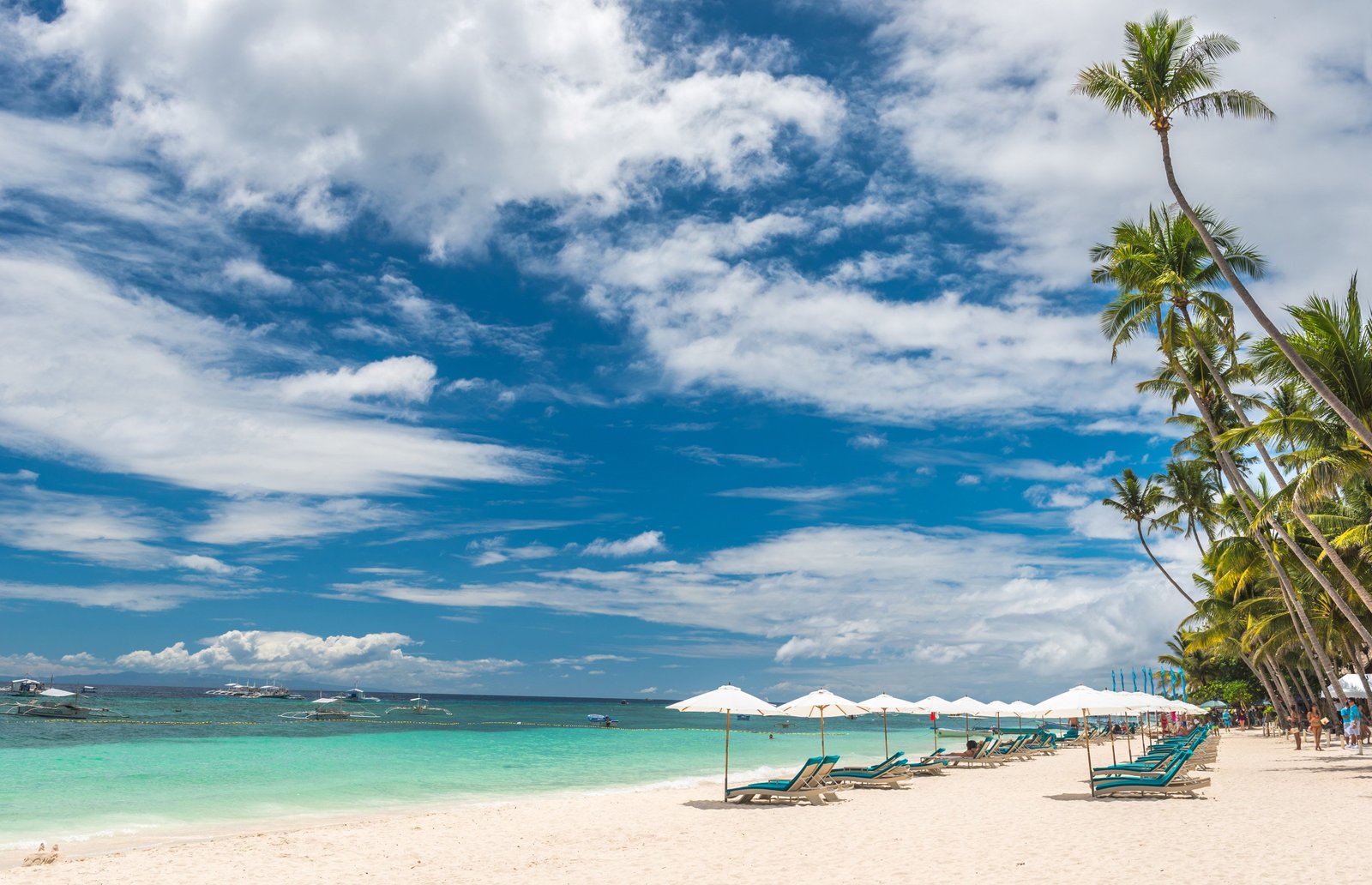
Bohol is the family crown jewel. The Chocolate Hills amaze children who have only seen hills in textbooks, the tarsier sanctuary wins every heart, the Loboc River cruise turns lunch into entertainment, and Panglao's Alona Beach offers shallow, swimmable water with turtles offshore. Cebu adds gentle thrill: whale sharks in Oslob (from a boat, no swimming needed, for cautious families), Kawasan Falls' blue basins, and city malls for a rest day.
Boracay excels for the youngest children — four kilometres of powder sand that never gets hot enough to burn little feet, calm mornings for sandcastles, and paraw sailboats for the teenagers. Palawan suits families with older kids who will remember the lagoons forever. A smart rule: under-tens lean Bohol-Boracay, over-tens add Palawan or the Cebu adventure days. Mixed ages? Bohol in the middle usually satisfies everyone, grandparents included.

Food worries dissolve quickly too. Grilled fish, fried chicken, noodles, mango shakes and familiar breakfasts are everywhere, and resort kitchens handle vegetarian and Jain requests cheerfully when told in advance.
Choosing between the islands becomes easier once you know what each does best. Bohol owns the sightseeing — hills, rivers, tarsiers — wrapped in the shortest travel distances of any circuit. Cebu owns the variety, from city history to whale-shark mornings. Boracay owns pure beach ease, where even the youngest children settle within an hour of arrival. Palawan owns the once-in-a-lifetime scenery for families whose children are old enough to remember it. There is no wrong answer here; there is only the wrong answer for your particular children, and you know them better than any brochure.
03.What Holiday Packages Bundle In
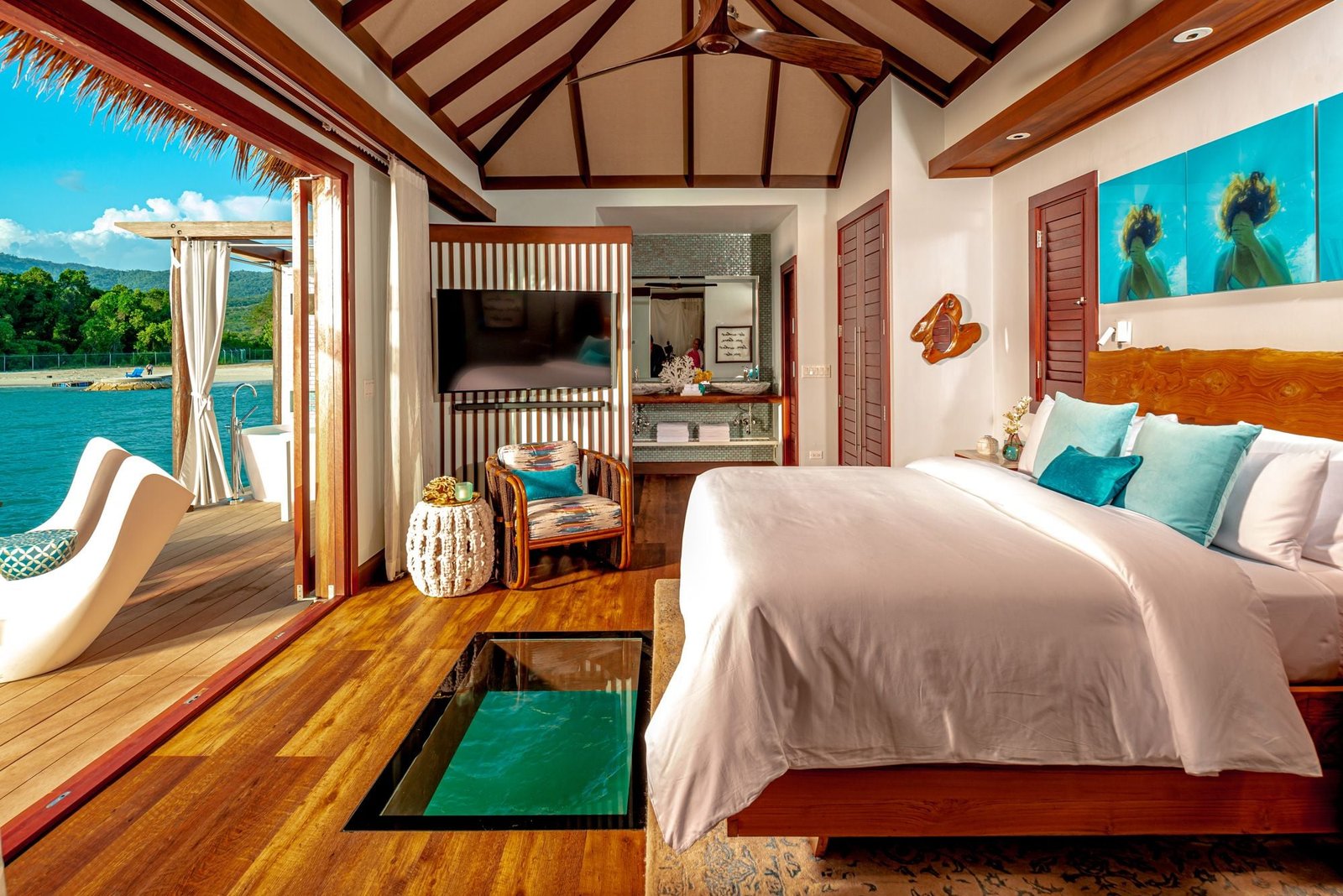
A family package earns its keep in the unglamorous middle. Airport transfers with child seats on request. Boats with shade, life vests in every size and crews who help grandparents board like it is a ceremony. Rooms chosen for actual capacity, not maximum occupancy theory. Meal plans that feed fussy eaters. Tour days that start late enough for slow breakfasts and end before the sun exhausts anyone. And a phone number that answers when a fever appears on day three — our desk keeps a list of English-speaking clinics on every island for exactly that reason.
- Right-sized rooms — family rooms and villas verified, not guessed.
- Gentle boat logistics — shaded bancas, correct vests, patient crews.
- Pacing buffers — free afternoons built in, because children need idling.
- Medical readiness — clinic list and support contact for every island.
- Food coordination — vegetarian and Jain meals pre-arranged with kitchens.
None of this is glamorous, and all of it is the difference between a holiday the family recharges in and one the parents need a holiday to recover from.
Ask one more question while comparing family packages: what does the operator do when things change mid-trip? Children fall asleep mid-excursion, grandparents feel the heat, a boat gets swapped. Strong family packages answer with alternatives ready — a pool afternoon instead of a second viewpoint, a resort vehicle instead of a crowded van, a later breakfast after a rough ferry. The itinerary is only half the product; the other half is how kindly it bends around your family. That bending happens before you travel, in the clauses and contacts you confirm at booking time.
04.A Sample Family Day on the Islands
Here is how a well-paced family day actually flows — Bohol version, the one our family travellers praise most:
Bohol Family Day
Full Day · Easy Pace- Slow breakfast — poolside, no alarms, kids meet the resident cat.
- Chocolate Hills — viewpoint climb the children treat as a race, photos the parents steal.
- Tarsier sanctuary — whisper-quiet walk, eyeballs bigger than the children's.
- Loboc River cruise — buffet lunch afloat with a live band and a stop at the floating platform.
- Back by four — pool hour, halo-halo, grandparents siesta.
Notice the shape: one wow-morning, one floating lunch, back before fatigue. Repeat that shape with different scenery and you have a family week that feels effortless. The secret is not more activities — it is fewer, better timed.
05.Festive Season & School Break Holidays
Indian school calendars shape most family bookings, and the Philippines plays along beautifully. The summer break lands inside the local dry season — blue skies, calm seas, ideal boat days — making April and early May the family favourite. The Dussera-Diwali window sits in the pleasant shoulder months, when islands are quieter and resorts more generous with room allocations. Christmas-New Year is magical — Filipino decorations start in September and the beach parties are famous — but it books out earliest, so start planning months ahead.
Festivals deserve a thought with older children: Sinulog in Cebu turns the city into one enormous street party of drums and colours, an unforgettable culture lesson no classroom matches. Just remember festival weeks swell crowds and room demand alike. Whatever your window, the earlier the family commits, the better the rooms, the flights and the seat-together luck. Big families that book early get first pick of connecting rooms; big families that book late get geometry lessons in sofa beds.
Seasonal planning also has a quiet health angle for parents. Shoulder-month travel means shorter sun exposure during outdoor days, easier sleep in cooler evenings, and fewer mosquitoes than the wettest weeks — carry repellent regardless, because tropical evenings always invite it. And whichever month you pick, schedule the sea-heavy days early in the trip. Children find their sea legs and their courage in the first boat rides; by day three, the ones who started nervous are diving off the bow with the crew cheering.
06.Travelling With Toddlers and Grandparents
Three generations in one itinerary is a beautiful, delicate thing, and the Philippines handles it better than most destinations. For toddlers: pack swim nappies, a familiar snack stash and the fairy-tale patience of grandparents; island life is naturally slow and everything within a resort is stroller-friendly. For grandparents: request ground-floor or lift-access rooms, keep boat days short, and let the package's door-to-door transfers erase every luggage-lifting moment. Filipino hospitality does the rest — crews will hand-hold every boarding if you let them.
Mid-trip rest days are the true luxury for multi-generation trips. Build one in after every two activity days: no boats, no alarms, just the pool, a massage slot and dinner on the sand. Our planners also alternate one adventurous day with one gentle day throughout. The teenagers stay thrilled, the seniors stay fresh, and the parents — for once — actually relax. That is the benchmark a family holiday package should meet, and with the right plan, it will.
One last practical note: carry each elder's regular medicines in original packaging with prescriptions, and tell your specialist about mobility needs while booking — every island has a workaround, but it must be arranged before arrival.
07.Booking the Family Holiday Right
Family bookings reward early, specific planning. Send the specialist your exact ages, food preferences, mobility needs and sleep habits (early diners? light sleepers?), and watch the itinerary sharpen around them. Ask for the family-room names in writing. Confirm flight timings protect boat connections. Check the rescheduling terms — children get fevers, plans shift — and keep travel insurance covering the whole family, including the baby whose passport photo took three attempts.
And then, having planned well, surrender to the islands. The kids will remember the fish they followed while snorkelling, the grandfather who finally stopped checking his phone, the mango shake that appeared exactly when the whining peaked. A Philippines holiday package cannot manufacture those moments — but it can clear away every obstacle between your family and them. That, in the end, is what you are really booking: uninterrupted time, on beautiful islands, with the people you like most.
A small tip that veteran family travellers swear by: involve the children in the planning itself. Show them pictures of the Chocolate Hills and the tarsiers, let each child pick one day's afternoon activity, and hand the teenager the camera duties for the boat days. Children who helped plan the trip defend the itinerary instead of fighting it — and the excitement begins weeks before the flight, which is half the holiday anyway.
08.Frequently Asked Questions
Honest answers to the questions travellers ask our desk most often about philippines holiday packages.
Which Philippine island is best for a family holiday?
Bohol is the all-round family favourite — Chocolate Hills, tarsiers, a floating river lunch and calm Panglao beaches. Boracay suits the youngest children with its shallow, powder-soft White Beach, while Cebu adds whale sharks and waterfalls for older kids.
Is the Philippines safe for children?
Yes, on the family islands it is remarkably so. Beaches slope gently, licensed boats carry life vests in all sizes, English is universal and Filipinos are famously fond of children. Standard travel sense — sun protection, supervision near water — covers the rest.
Can the package arrange vegetarian or Jain meals?
Certainly. Resort kitchens across the family islands regularly prepare vegetarian meals, and with advance notice they manage Jain preferences too. Share your food requirements while booking so every kitchen on the route is briefed.
What is the ideal family trip length for the Philippines?
Seven to eight nights is the sweet spot: two islands, gentle pacing and a rest day built in. Younger families often prefer five to six nights on a single island such as Bohol or Boracay, keeping transfers to a minimum.
How do holiday packages handle grandparents' comfort?
Door-to-door transfers, lift-access or ground-floor rooms, shaded boats with patient crews and alternating activity-rest days. Share mobility details while booking and every boarding, meal and viewpoint gets planned around their comfort.
Are the boat trips suitable for small children?
On family-paced itineraries, yes. Boats carry shade canopies, correctly sized life vests and crews who assist every boarding. Routes pick calm morning waters and shallow snorkelling stops, and specialists can swap open-sea days for gentler lagoon days where needed.
Ready when you are: every enquiry is free and without obligation. Tell us your travel month and group size — a real travel specialist (not a bot) replies within 24 hours, or WhatsApp us for a same-day answer.