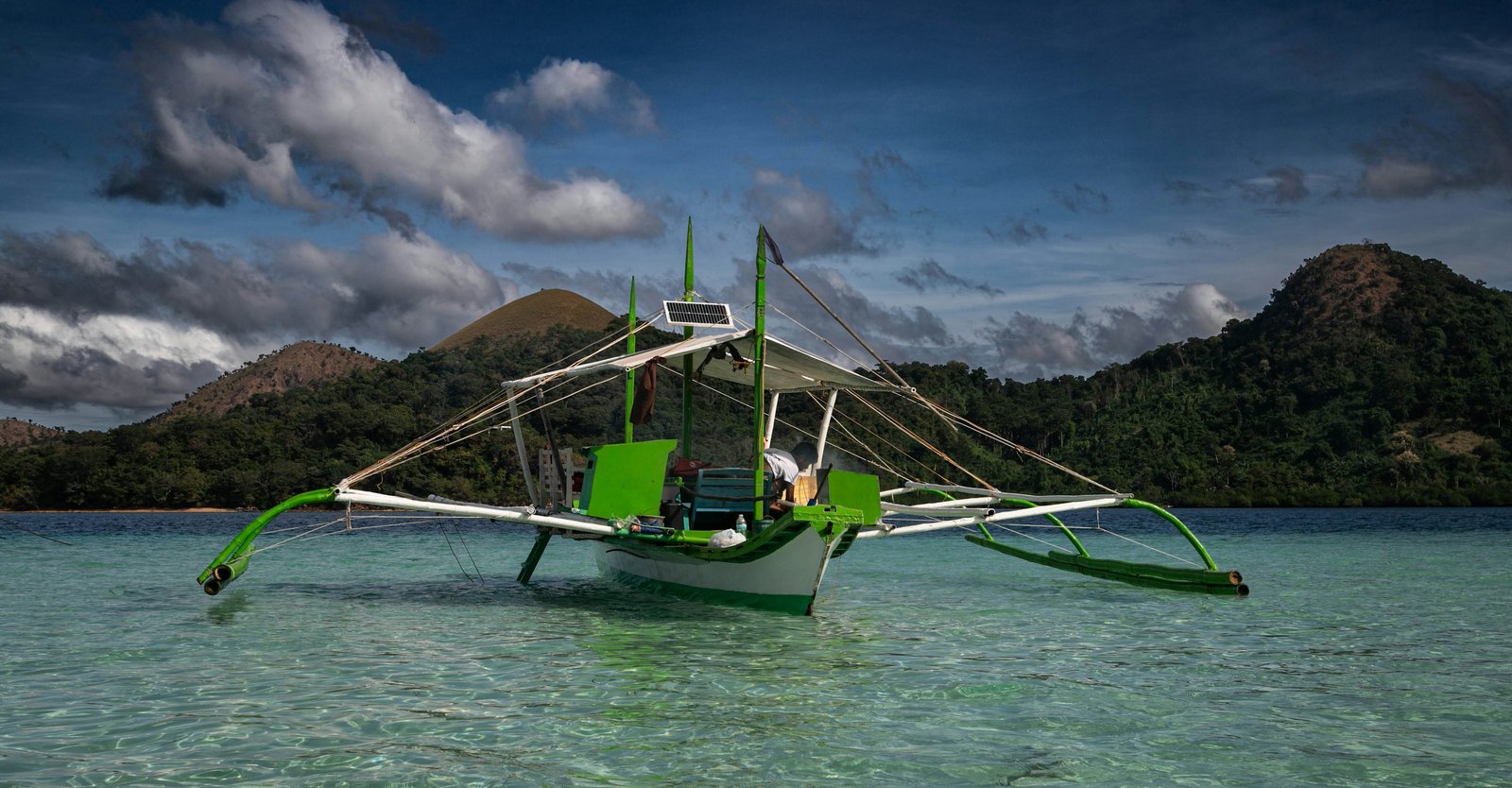
Philippines group tours answer the question every big trip eventually asks: how do eight, twelve or twenty people share one holiday without anyone becoming the trip's unpaid manager? The answer is structure — whole boats reserved, room blocks held, one coordinator, one plan, one WhatsApp group that actually works. From joint-family reunions to corporate offsites and wedding crews, this guide explains how the islands handle groups better than almost anywhere in Asia, and how to book one that runs itself.
01.Why the Philippines Loves Groups
Some destinations merely tolerate groups; the Philippines genuinely enjoys them. Filipino culture is communal to its bones — extended families travel together, fiestas run on whole neighbourhoods, and restaurants treat a table of twelve as the evening's entertainment rather than an inconvenience. That cultural instinct shows up everywhere a group travels: resorts that seat everyone at one long beach dinner, boat crews who teach your group the worse joke of the day, guides who remember every name by morning two.
Geography cooperates too. The classic circuits — Palawan, Cebu-Bohol, Boracay — are built around activities that scale beautifully: private bancas carry fifteen as easily as five, island-hopping days cost less per head as numbers grow, and villa-style resorts absorb room blocks without anyone sleeping near the car park. Add the country's easy English and gentle prices, and group logistics that would strain elsewhere simply dissolve here. The islands, in short, were designed — by tides and temperament — for travelling together.
There is also a celebration culture worth building into your plan. Filipino crews mark occasions spontaneously — a birthday becomes a cake at altitude on a boat deck, an anniversary gets the table with the best sunset angle, and a group's last-night dinner often turns into a full beach party with the staff joining the singing. Groups that mention their occasion while booking unlock this warmth officially: the desk arranges the surprises, the crews rehearse them, and your group gets credit for planning genius it never actually exercised.
02.Who Travels as a Group (and How)
- Joint families — three generations, ten to sixteen travellers, one villa or connecting-room block; pacing alternates between adventure days and pool days.
- Friend crews — the annual reunion trip; canyoneering, cliff jumps, island bars, and a group photo tradition that outlives the trip.
- Corporate offsites — strategy sessions with masks and fins; Boracay and Cebu lead the boardroom-to-beach route.
- Wedding parties — the hen do, the groom's crew, or the whole baraat on white sand; the Philippines hosts beach proposals and weddings beautifully.
- Student and alumni groups — educational marine trips and budget-savvy shared departures.
Each group type bends the itinerary differently. Families need shade and short boat days; friend crews need adrenaline and late dinners; corporates need one quiet conference morning before the lagoons. Tell your specialist the tribe honestly — the difference between a family itinerary and a friends' itinerary is not the islands, it is the rhythm, and rhythm is what specialists tune.

Whatever the tribe, one booking rule holds: the earlier the group commits, the better the boats, rooms and rates. Groups that decide by consensus should appoint one decision-maker early — future you will send thanks.
03.The Real Benefits of a Group Package
The benefits are structural, not just sentimental. Cost: whole boats, villa blocks and shared transfers split efficiently — per-head value improves with every friend who joins. Coordination: one confirmation covers everyone, so nobody arrives at a ferry holding a different booking class. Quality control: a vetted operator means every boat is licensed, insured and punctual, across all twelve of you. Support: one WhatsApp line solves problems for the whole group at once, whether that is a delayed flight or a birthday cake.
There is a quieter benefit worth naming: group packages protect relationships. Anyone who has organised a big trip personally knows the taxonomy — the early risers, the late packers, the bill detectives, the uncle with opinions about AC temperatures. A tour coordinator absorbs all of it, professionally and cheerfully, leaving the group to be what it actually is: friends and family on holiday. The best group trips are the ones where nobody remembers who handled anything — because somebody professional quietly did.
Groups also unlock experiences individuals simply cannot book. Private sandbar dinners for sixteen. A whole island-hopping flotilla when the crew rafts two boats together for the swimming stop. Village visits where the neighbourhood actually hosts the group rather than waving at it. And the group photo — every Philippine itinerary should schedule one properly, with a crew member who knows the angle, because the photos your group frames later come from that one organised minute, not from the ninety spontaneous ones.
Groups also unlock experiences individuals simply cannot book. Private sandbar dinners for sixteen. A whole island-hopping flotilla when the crew rafts two boats together for the swimming stop. Village visits where the barangay actually hosts the group rather than waving at it. And the group photo — every Philippine itinerary should schedule one properly, with a crew member who knows the angle, because the photos your group frames later will come from that one organised minute, not from the ninety spontaneous ones.
04.Group Itineraries That Work
Three formats cover most groups. The Palawan group loop — El Nido plus Coron over seven nights — scales perfectly: two private boats raft together for lagoon days, and villa resorts host the block. The Cebu-Bohol family circuit spreads eight nights across whale sharks, canyoneering, Chocolate Hills and Panglao's beaches, with travel distances short enough that nobody riots. The Boracay group break — five nights on one beach — suits corporates and wedding crews who want celebration logistics, not transfers.
For bigger crews doing the grand version, ten nights chain Palawan and Boracay with group flight blocks. Sample pacing for a twelve-person reunion: activity mornings, free afternoons, and a standing rule that dinner starts when the sunset ends. Build one group event per trip — the sandbar lunch, the beach Olympics, the karaoke night the boat crew wins. Shared rituals, not shared schedules, are what groups remember.
05.How Group Logistics Actually Work
Behind a smooth group trip sits a stack of invisible arrangements. Room blocks held with one contract and flexible names. Flight bookings grouped so the family lands together. Whole boats chartered with licensed crews and life vests in every size. Meal coordination — vegetarian counts, Jain notes, the birthday cake. Airport meet-and-greets with two name boards and one van convoy. A WhatsApp group where guide, drivers, coordinator and desk all listen at once, so one message moves the whole crew.
Groups also get contingency planning individuals never receive: backup boats on standby in peak weeks, a second van trailing the airport transfer, restaurant tables pre-booked for fourteen on a Tuesday. When weather moves a boat day, the coordinator reflows the entire schedule overnight and posts the new plan before breakfast — while the group sleeps. That is the real product of a group tour: not the itinerary, but the immunity from logistics that lets twelve people remain, throughout, just a family or a crew on holiday.

Ask any operator you interview one diagnostic question: walk me through what happens when a boat cancels for wind. The quality of that answer predicts your entire trip.
06.Group Budgets and Shared Costs
Group economics reward honesty early. Collect a per-head budget range before the first enquiry — and collect it privately if needed, because groups quote their wealth the way teenagers quote their marks. Share the range with your specialist and let the plan be built to it: which nights deserve the beachfront villa, where the group stays simple, which activities make the cut. Written inclusions per person keep the bill-splitting conversation at zero for the entire trip.
The collection question — who pays, and when — deserves adult handling. Our most successful groups collect a common fund for the package deposit, keep personal spending personal, and let the coordinator's single invoice replace forty UPI reminders. Group departures on fixed dates simplify further: one price per head, one schedule, shared boats. And remember the quiet multiplier: every additional traveller improves the per-head value, which is why the fourteenth friend is always welcomed with genuine, unfeigned joy.
Two more finance habits keep group peace. First, agree the tips policy on day one — pooled per head, handed over collectively at the farewell; it removes twenty awkward moments and the crew remembers groups for generosity done neatly. Second, keep a shared float for group expenses — the common van snacks, the extra boat stop, the karaoke extension — with one treasurer and one running note in the group chat. Money friction dissolved early is the cheapest luxury a group can buy, and the islands supply everything else at prices that make generosity easy.
07.The Group Planning Timeline
Groups run on longer runways than couples. Working backwards from departure: four to five months out, fix dates, headcount and budget style; appoint the decision-maker. Three to four months, shortlist the itinerary and hold room blocks with refundable deposits. Two months, confirm names, food preferences and flights; collect balances. One month, sort travel documents, insurance and the group WhatsApp. The final week, do absolutely nothing except count sunscreens and practise the group photo jump.
Wedding groups and corporate offsites need one extra loop — venue visits are rare but video walk-throughs are standard; ask for one. Family reunions honouring a milestone should book anniversaries-to-the-day: Filipino resorts adore celebrating with you, and the surprise cake arrives more reliably when the desk knows the story. Whatever the group's occasion, put it in the first message. Specialists plan better trips for stories they know — that is not a bug in the system, it is the system.
08.Group Etiquette: Keep the Peace on Paradise
A little group diplomacy preserves the harmony the trip was booked for. Agree on the morning rhythm before departure — groups fracture on 6 a.m. versus 9 a.m. more than on any island choice. Rotate the front seat. Pool the guide and driver tips so generosity is uniform. Respect the nap—ers; every group has them and every itinerary should. And decide the photo policy early: twenty phones photographing one turtle is a crowd, but one shared album is a treasure.
Finally, let the locals host you their way. Group dinners in the Philippines run long, loud and late — join the singing, learn the toast, accept the last serving you swore you could not fit. Groups that arrive as guests leave as godparents to someone's child. That transformation, more than any lagoon, is what Philippines group tours exist to deliver: the same sun and sand you could book anywhere, held together by people — yours and theirs.
09.Frequently Asked Questions
Honest answers to the questions travellers ask our desk most often about philippines group tours.
What is the ideal group size for a Philippines tour?
Eight to sixteen is the sweet spot — large enough for whole-boat charters and villa blocks, small enough that restaurants and guides give personal attention. Larger groups of twenty-plus work well on corporate and wedding formats with split sub-teams.
Are group tours cheaper per person in the Philippines?
Generally yes — whole boats, room blocks and shared transfers contract at better per-head value, and fixed-date group departures price lower than private travel. Written per-person inclusions keep the cost-sharing conversation at zero.
Which itinerary suits a mixed-age family group?
The Cebu-Bohol circuit is the group favourite: whale sharks, waterfalls and Chocolate Hills with short travel distances, calm Panglao beaches and pacing that alternates adventure with rest. The Palawan loop suits scenery-first groups with older children.
How are meals handled for large groups with different diets?
Your specialist collects the full food matrix — vegetarian, Jain, allergies, the teenager who only eats pasta — and briefs every kitchen and boat crew in advance. Group lunches arrive family-style with veg options flagged; special-occasion cakes slot in on request.
What happens if weather disrupts a group boat day?
Group packages carry contingency muscle: standby boats, reflowed schedules and a coordinator who rebuilds the day overnight and posts the new plan before breakfast. Ask any operator the boat-cancellation question before booking — their answer tells you everything.
How early should we book a Philippines group tour?
Three to four months ahead for most groups, and earlier for wedding parties and peak-season departures. Room blocks and whole-boat charters are limited inventory — the groups that commit early get the connecting rooms, the private sandbar dinners and the better per-head value.
Ready when you are: every enquiry is free and without obligation. Tell us your travel month and group size — a real travel specialist (not a bot) replies within 24 hours, or WhatsApp us for a same-day answer.