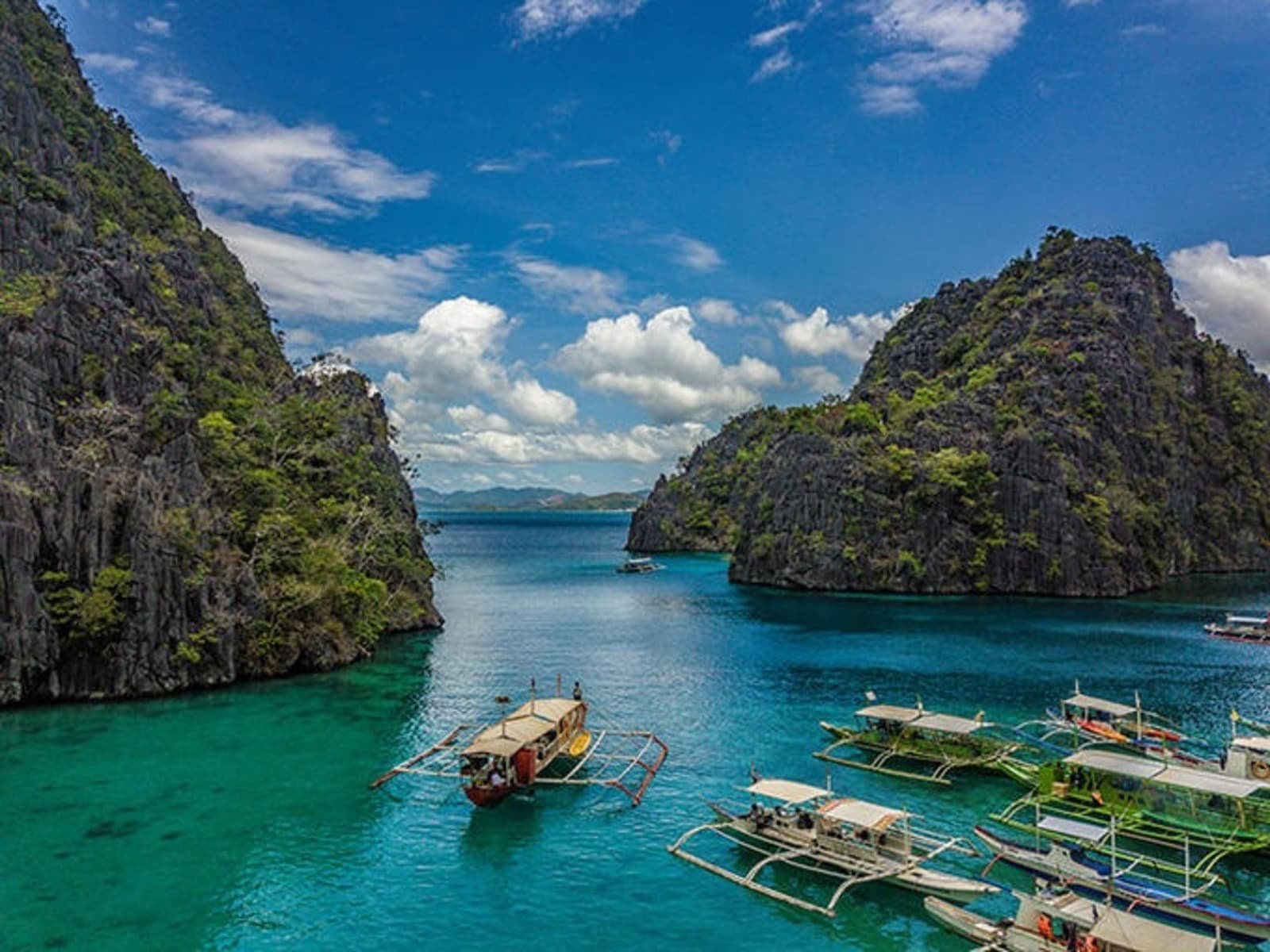
Every great Philippines trip package starts the same way: someone sends a screenshot of a turquoise lagoon to a group chat and types let's go here. What happens next decides whether the trip becomes magic or admin. This guide is the calm voice in that chat — a step-by-step path from first idea to confirmed itinerary, covering how to choose your islands, how many days each deserves, which documents to line up, and how to hand the logistics to a specialist without losing control of the plan.
01.Step One: Shape the Idea Before the Search
Before comparing a single package, answer three questions in one sitting. How many days do you truly have — leave approved, not aspirational? Who is coming — just the two of you, the full joint family, friends who surf or friends who sunbathe? And what does the perfect day look like — kayaks at dawn, hammocks till noon, or food trails till midnight? Write the answers down; they become your planning compass and, later, your brief to the specialist.
This step saves more money than any discount ever will. A couple with five honest days books a single-island escape and returns refreshed; the same couple chasing a three-island loop in five days returns needing therapy. The idea stage is also where you decide the trip's mood — adventure-heavy or rest-heavy — which shapes everything from the islands you choose to the shoes you pack. Set the mood now, and every later decision becomes obvious instead of endless.
02.Step Two: Shortlist Islands That Match the Mood
Match your answers to the country's strengths. Scenery-seekers put El Nido and Coron at the top — lagoons, lakes, limestone towers. Wildlife lovers point at Cebu and Bohol — whale sharks, sardine runs, tarsiers, Chocolate Hills. Pure beach unwinders name Boracay; vibe collectors name Siargao. Culture-curious travellers add Manila or the rice terraces of the north. Two or three candidates are enough — a shortlist longer than that is procrastination wearing a hat.
Now apply the geography filter, the one professionals never skip. Check how your shortlisted islands connect: El Nido to Coron runs a scenic fast ferry; Cebu to Bohol is a short hop; Palawan to Boracay needs a flight. Islands that chain nicely make relaxed itineraries; islands that zigzag make airport tours. If this filter feels like homework, good news — it is exactly the first thing a specialist does for you. Send the shortlist anyway and watch them confirm or gently rearrange it within a day.

One honest tip from experience: leave room for one island you have never heard of. Locals will mention it on day one, and by day four you will wish it was on the list. Build the possibility in from the start.
Also weigh flight practicalities inside the shortlist. El Nido and Coron connect to Manila by small plane; Boracay lands at Caticlan or Kalibo; Cebu, being a hub, links almost everywhere. Travellers short on days should prefer islands with direct morning flights, because an afternoon arrival quietly deletes a beach evening. And check ferry seasons if your route crosses open water — the El Nido-Coron fast ferry pauses in the roughest weeks. None of this should change your dream list; it should only change the order. Sequencing is where dreams become itineraries.
03.Step Three: Give Each Island the Right Number of Days
Islands have appetites. El Nido wants a minimum of three nights — one for the famous Tour A lagoons, one for Tour C's hidden beaches, one for Nacpan's long sands. Coron asks for two or three — the lake-and-lagoon day deserves a full morning each side. Boracay is happy with anything from two to five nights, depending on how much doing-nothing you have budgeted. Cebu needs three to cover whale sharks, waterfalls and the sardine run; Bohol two, comfortably.
Add the connective tissue honestly: every island change costs half a day in transfers, check-ins and the small ceremony of unpacking. A ten-day trip can hold three islands gracefully; a seven-day trip holds two. Resist the temptation to shave nights from the first island to fund the fourth — shallow visits satisfy nobody and photograph exactly like they felt. Depth is the difference between I went to the Philippines and the Philippines went straight to my heart.
04.Step Four: Fix the Season and the Budget Style
Seasons shape the trip more than most planners expect. The dry months from December to May deliver the classic blue-sky, calm-sea version of the country — ideal for first visits and boat-heavy itineraries. The greener months from June to November trade some sunshine for quieter islands, softer resort rates and, in Siargao's case, the season's best surf. Once the window is fixed, work the budget style around it: which nights deserve the splurge, which can stay simple, and how much buffer the extras deserve.
Be honest with your specialist about the number; transparent desks design to it rather than around it. State what the budget must include — private boats? beachfront rooms? the dive course? — and what it can flex on. This single conversation prevents the most common trip-package disappointment: discovering at checkout that the dream version and the quoted version were never the same thing. Written inclusions are the friendship bracelet of travel planning — keep them close.
Season and budget also interact more than beginners expect. Peak-month travel buys certainty — calm seas, full menus of boat trips — at crowded-pier prices. Shoulder-month travel buys space and generosity, with the occasional shower as service charge. Neither is wrong; they suit different trips. Adventure-heavy plans with fixed boat days usually justify the dry season's certainty. Rest-heavy plans, where a rainy afternoon costs only a nap, stretch beautifully into the quieter months. Decide which currency your trip values more — certainty or space — and the calendar decides itself.
05.Step Five: Documents, Money and Health
While the itinerary takes shape, run the paperwork in parallel. Check every passport for six months of validity. Confirm the visa route — the e-visa process for Indian travellers, or visa-free entry under the latest relaxations for those holding valid visas from select countries. Arrange travel insurance covering boat days and any diving you plan. Tell your banks you are travelling, and plan money as two streams: cards for cities and resorts, pesos in cash for tricycles, beach shacks and tips.
Health prep is lighter than most tropical imaginations: no mandatory vaccinations for most travellers, bottled water as a habit, reef-safe sunscreen as a religion, and motion-sickness tablets if boats are new to you. Carry prescriptions in original packaging. Book a general check-up if any elder is travelling. None of this takes more than an evening, and it converts the vague anxiety list in your head into a tidy, tickable checklist — the exact feeling a trip package is supposed to deliver.
06.Step Six: Hand the Logistics to a Specialist
Now bring in the professionals — with your homework done, the conversation becomes a pleasure. Send your dates, headcount, island shortlist, mood summary and budget style in one message. A good desk replies with a route, named hotels, boat plans and transparent inclusions, usually within a day. From there it is two rounds of edits, not twenty: swap an island, slow a transfer, add the surprise dinner. Then confirm, pay the deposit through traceable channels, and receive the voucher pack that lists every night, boat and breakfast.
The joy of this step is what disappears from your to-do list: no ferry timetable archaeology, no resort review spiral, no cross-referencing tide charts. You keep every strategic decision — where, how long, what mood — while the operator absorbs every tactical one. That division of labour is the entire philosophy of a trip package: you bring the dream, they bring the plumbing, and the islands bring everything else.
Keep the specialist's WhatsApp close during the trip itself. The best operators answer mid-journey questions — a late ferry, a restaurant request, a birthday arrangement — with the same speed they answered the first one. That consistency is what you paid for.
Before confirming, run one last review with fresh eyes. Read the itinerary aloud at dinner and watch your co-traveller's face for the flinch points — the too-early boat, the too-many-museums day, the missing rest afternoon. Fix those at draft stage, where changes cost nothing. Then check the practical trio: rescheduling terms, payment stages, and the on-ground contact's response speed. Confirm only when all three satisfy you. A trip package confirmed calmly is enjoyed calmly — and calm, on a boat in the middle of the Pacific's prettiest corner, is a lovely thing to have packed.
07.Step Seven: Pack Light and Let the Trip Begin
Packing for the Philippines is pleasantly small: swimwear, cottons, reef-safe sunscreen, a dry bag, aqua shoes for rocky lagoons, one light layer for air-conditioned ferries, and the dressy outfit for the fancy dinner night. Soft bags travel better than hard suitcases on boats. Leave space for the return haul — dried mangoes, pearl jewellery and the sort of stories that begin you will not believe what the boat crew did.
Then, the final and hardest step: stop planning. The trip package exists so that once you land, the only decisions left are swim or nap, mango or coconut, sunset kayak or sunset hammock. Travellers who hand over logistics well are rewarded with the thing money cannot directly buy — presence. And presence, in a country of seven thousand islands, is the most valuable luggage you can carry.
08.Frequently Asked Questions
Honest answers to the questions travellers ask our desk most often about philippines trip package.
How do I start planning a Philippines trip package?
Start with three answers: your exact number of days, who is travelling, and the mood you want — adventure or rest. Shortlist two or three islands that match, check how they connect, then send the brief to a specialist who converts it into a transparent, day-by-day itinerary.
How many islands can I cover in one trip?
Two islands fit a seven-day trip comfortably, three islands fit ten days. Every island change costs half a day of transfers, so depth beats distance — fewer islands, longer stays, better holiday.
How many days do I need for El Nido and Coron together?
Five to six nights across the two: three in El Nido for the lagoon tours and Nacpan Beach, two to three in Coron for Kayangan Lake, Twin Lagoon and the hot springs. The fast ferry between them is a scenic half-day transfer.
What documents do I need for the Philippines from India?
A passport with six months' validity, an e-visa or visa-free entry under the latest relaxations depending on your travel history, confirmed return tickets and hotel vouchers, and travel insurance. Your specialist sends a country-specific checklist with the booking.
Is it better to book a trip package or plan alone?
For first visits and multi-island routes, a package saves days of research and includes on-ground support when plans change. Independent travellers with flexible dates and prior Southeast Asia experience can go DIY. The busier the itinerary, the more a package earns its keep.
When should I confirm my Philippines trip package?
For dry-season travel between December and May, confirm two to three months ahead so the best beachfront rooms and boat days remain available. Shoulder months allow one to two months. Either way, confirm only after the written itinerary, inclusions and rescheduling terms fully satisfy you.
Ready when you are: every enquiry is free and without obligation. Tell us your travel month and group size — a real travel specialist (not a bot) replies within 24 hours, or WhatsApp us for a same-day answer.