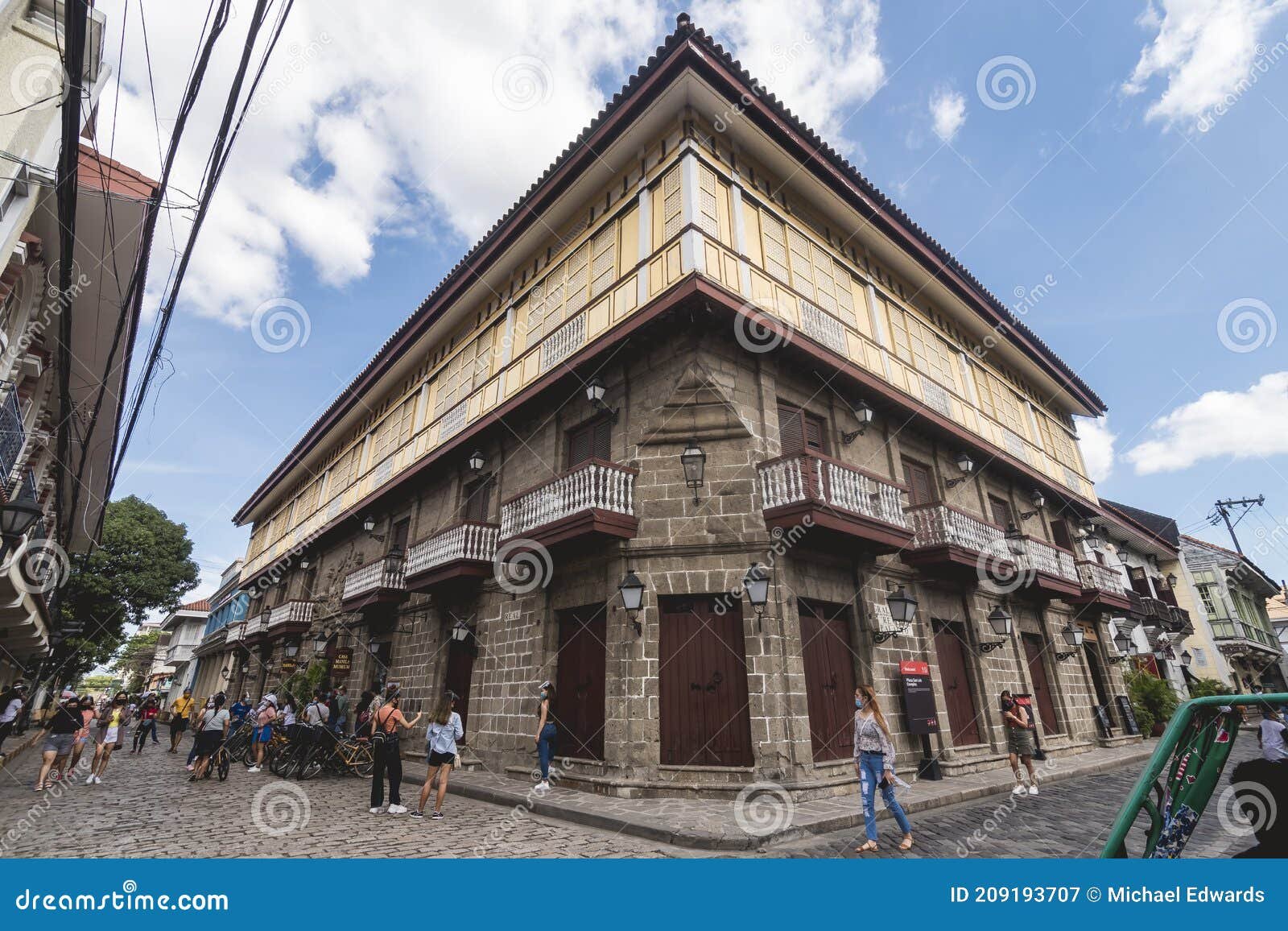
Travellers who have toured the Philippines with a Filipina tour guide tend to describe the same thing: the trip stopped being a tour somewhere on the second day and became something closer to visiting family. Licensed, English-fluent and carrying the country’s hospitality as a native language, Filipina guides are among the most requested — and most rebooked — specialists on our roster. This page introduces who they are, what they bring to every itinerary, and how to request one for your trip.
01.Who Filipina Guides Are
Filipina guides are licensed professionals — trained, registered and examined across specialities — who happen to practice their profession with the country’s signature warmth. The roster spans every role: heritage guides who narrate old-walled streets with archival precision, food guides whose market walks end in family kitchens, dive masters and adventure leads with safety records longer than their smiles, and multi-day tour managers who hold whole itineraries in calm, reachable command.
The common threads are fluency and care. English here is native-adjacent — instructions, jokes and history all land clearly. And the guiding style leans personal: guests are collected like relatives at airports, fed like relatives at lunch, and remembered like relatives forever. Repeat travellers rebook “their” guide by name across years; some of our longest guest-guide relationships have outlasted several passports.
- Licensed across specialities — heritage, food, dive, adventure, multi-day.
- Fluent and clear — instructions, history and jokes all land.
- Rebooked by name — the strongest endorsement our roster holds.
02.What a Filipina Guide Brings to Every Day
The practical layer first: licensed guides handle permits, negotiate pier chaos, brief safety in plain words, and translate cultural moments — a festival’s meaning, a dish’s history, a market’s rhythm — so travellers receive understanding, not just views. Groups led by Filipina guides consistently move through the country’s logistics smoother, eat better, and reach the right viewpoint at the right hour, because the guide’s local network is quietly working all day.
Then the layer that reviews mention: the human one. Filipina guides read energy and adjust pace before fatigue asks; they find the shade, the bathroom, the calm table. Solo women travellers describe the specific ease of days led by someone who understands the texture of moving as a woman; parents describe patience that survives any toddler; cultural travellers describe doors — kitchens, cooperatives, family homes — that open for her and would stay closed to a checklist.
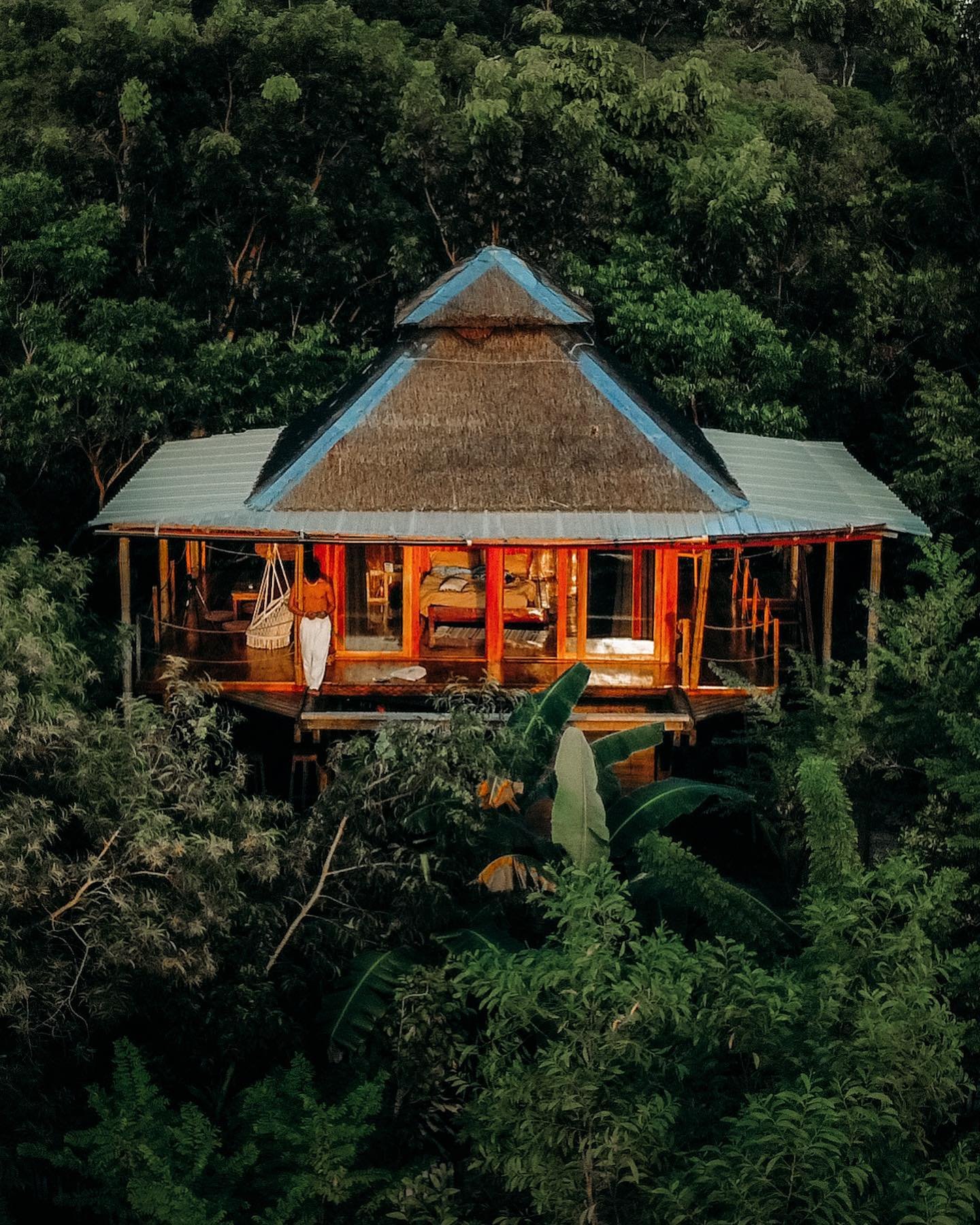
Festival note: guide-led festival days are a speciality — the meaning behind the drums, the safe viewing spots, and the family contacts who turn a parade into an invitation.
03.Who Books Filipina Guides
Everyone, in practice — but the enthusiastic repeat-requesters have a pattern. Solo women travellers book for comfort, candour and shared perspective. Families book for the patience and the children’s instant attachment. Food and culture travellers book for the kitchens and markets that open to her. First-time visitors to Asia book for the seamlessness — one confident local voice changes how a whole continent lands. And returning guests book the same guide again, by name, which is the quiet engine of our repeat business.
Men and mixed groups book them too, usually after one trip where the Filipina-led day was the one everyone retold. The requests share one root: travellers are not choosing a demographic; they are choosing a known style of care that happens to carry a name. The desk’s job is simply matching that style to the right itinerary — and it never runs out of candidates.
04.How to Request a Filipina Guide
Requesting one is a single line in your enquiry: “we would love a Filipina guide for our trip.” Add the speciality if it matters — heritage, food, diving, family days, festival timing — and the desk matches from its licensed roster by region and dates. Before you confirm anything, you receive the introduction: name, credentials, speciality, a photo and a short note from the guide herself. Multi-day trips get a named tour manager; day tours get named specialists per city.
Two practical notes make the request airtight. Book the guide with the package, not after — the best calendars fill with repeat guests seasons ahead. And state the non-negotiables plainly: languages beyond English, dietary interests, mobility needs, festival dates. Clear briefs produce the matches that reviews are written about; our desk treats the introduction stage as the trip’s first real day, and treats it accordingly.
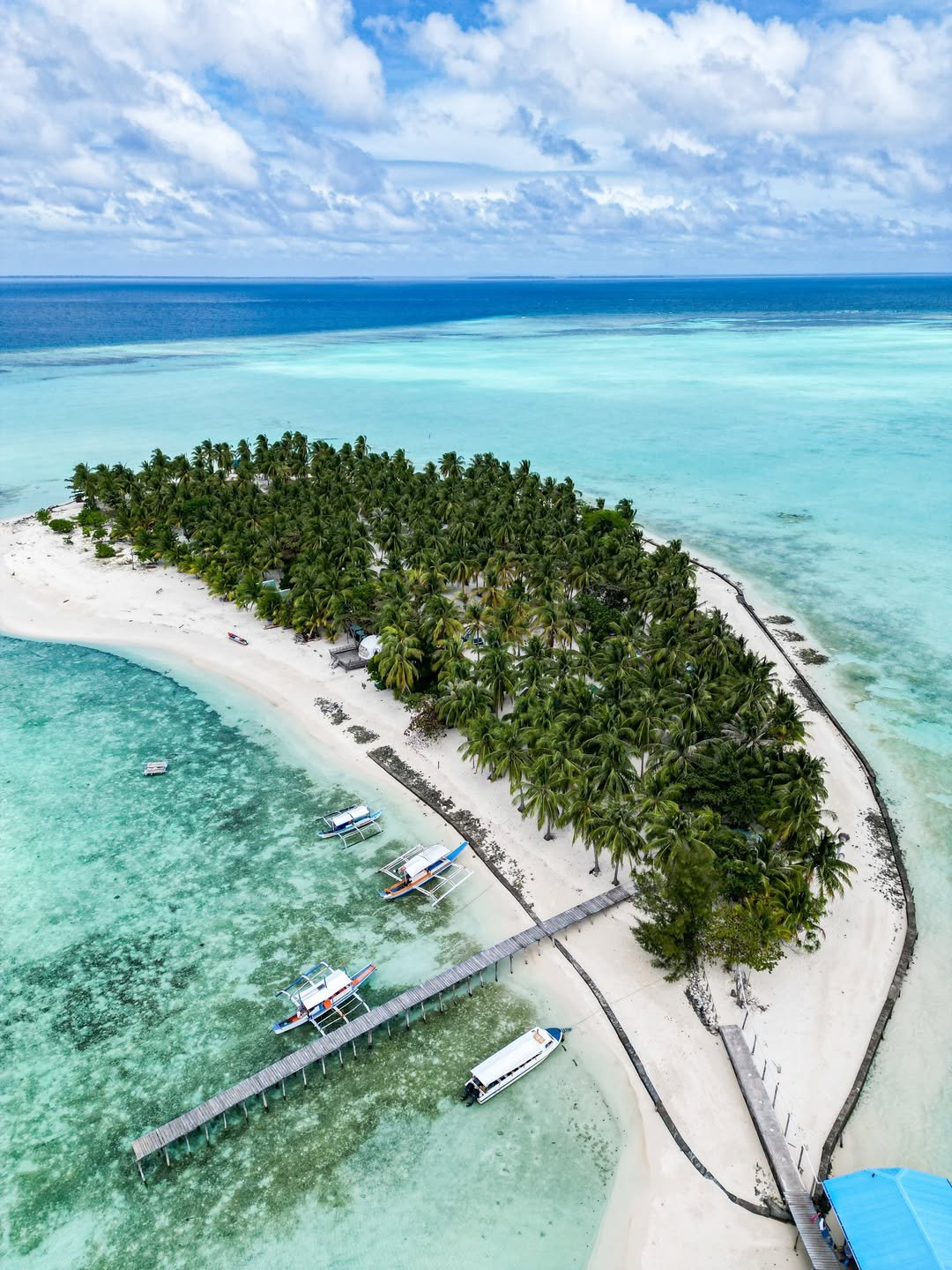
Rate truth: requesting a Filipina guide carries no premium — the licensed rate is the rate. The difference is entirely in how the days will feel.
05.Beyond Guiding: The Network Effect
Here is the under-advertised advantage: a Filipina guide arrives with a network. The boat captain she has sailed with for years reserves the calm morning. The market vendor saves the sweet mangoes. The restaurant owner holds the corner table. The tricycle driver waits. None of this appears on any invoice; all of it appears in your day. Philippine tourism runs on relationships, and a respected local guide is a walking ring of them.
That network also answers the small emergencies no itinerary predicts: the pharmacy that stocks the right medicine, the tailor who fixes a strap in an hour, the church that lets a quiet traveller sit through a storm. Guides call it looking after guests; guests call it the reason they rebook. Either way, it is the part of guiding no algorithm has learned to replace — and possibly never will.
06.Book Your Guide, Build Your Days
The guide is the trip’s most human choice — make it deliberately. Send your dates, region and speciality with the request stated plainly; the desk returns an itinerary with a licensed Filipina guide named for your days, or honest alternatives if the calendar demands them. Repeat guests: name your previous guide and watch the calendar bend. The introduction comes before any payment — names, credentials, notes — because the right match should feel chosen, not assigned.
Our desk maintains relationships with guides across every major region — heritage cities, dive coasts, highland trails and festival towns — and matches them to travellers as a daily craft. Enquiries are free and obligation-free. Travel is better in good company; the Philippines wrote the book on that, and the Filipina guide is its most requested chapter.
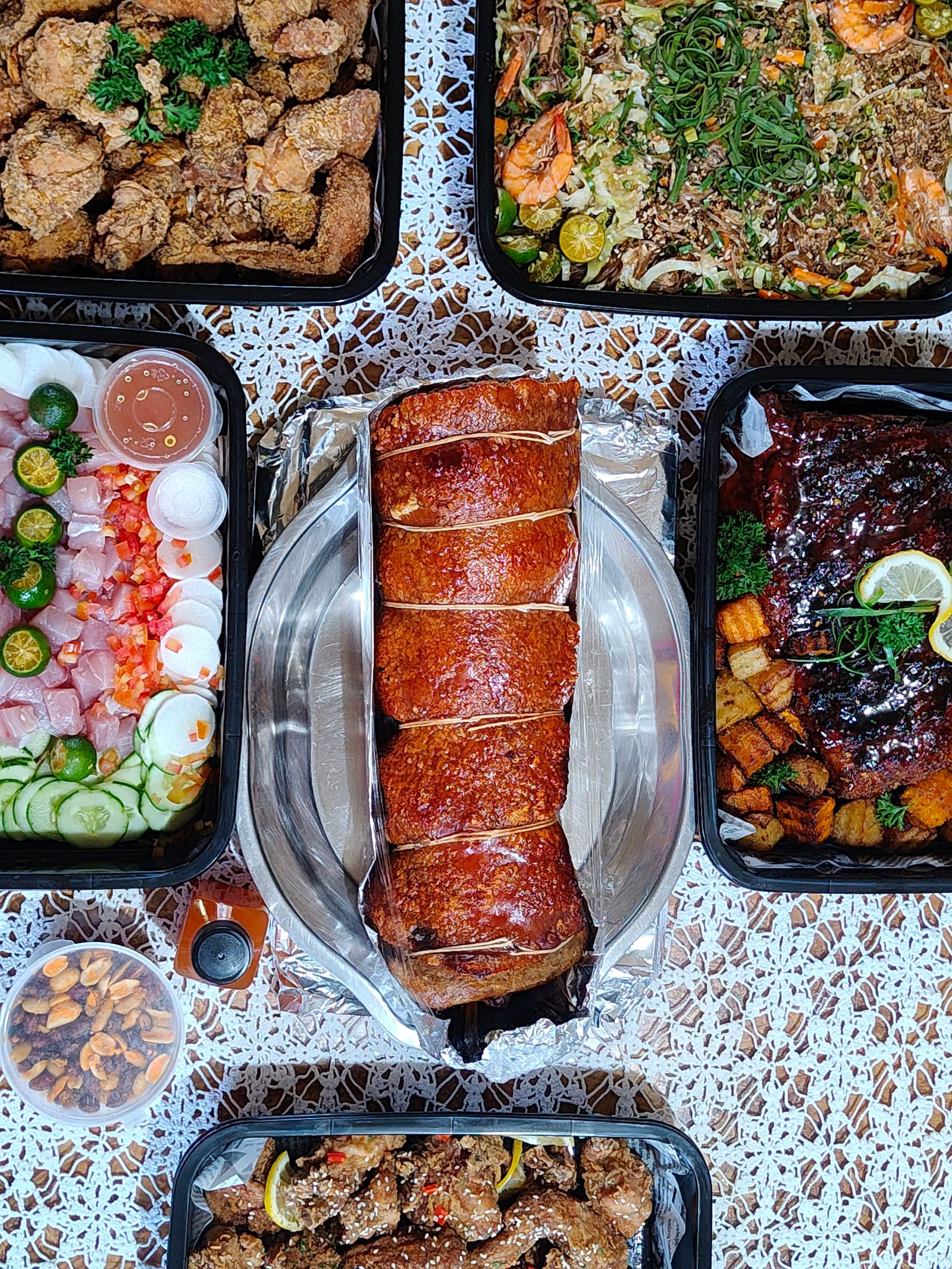
Final tip from years of matches: ask your guide what she would do with one free day on her own island. The answer is usually the trip's best-kept itinerary — and she has been waiting for someone to ask.
07.Notes From Travellers Who Requested
The debrief file on Filipina-guided trips runs long, and its themes repeat. The recollection effect: guests remember the days their guide narrated — the market’s economics, the festival’s meaning, the dish’s family tree — more vividly than the days they simply photographed. The reroute effect: guides reading group energy move lunch before hunger complains and shade before the sun does; travellers notice the absence of the struggles they usually brace for. The network effect in action: the reserved corner table, the morning boat held back, the pharmacy that opened late — small mercies, all unlisted, all remembered.
The rebooking effect closes the loop: repeat guests asking for “their” guide by name, calendars bending to make it true, and itineraries that begin with a reunion rather than an introduction. Request the introduction stage when you enquire — names, credentials, a note from the guide herself — and read what travellers mean when their reviews mention a person before a place. The country’s scenery is the headliner; the guide is the reason the show feels personal.
- Narrated days are remembered days — the recollection effect.
- Mercies go unlisted — but never unnoticed.
- Reunions over introductions — the rebooking effect.
08.Festival Days With a Filipina Guide
Festival days are where the request pays its loveliest dividends. The meaning layer: the drums, the costumes and the processions carry stories — saints, harvests, hometown pride — and a guide from the tradition narrates them from the inside. The access layer: safe viewing spots, the family contacts who turn a parade into an invitation, the kitchen where the fiesta’s real cooking happens. The timing layer: processions move on local logic; guides position you ahead of them rather than behind.
The etiquette layer: what to wear, when to photograph, how to accept the food that will absolutely be offered — the small graces that turn attendance into welcome. Plan festival chapters months ahead — towns fill for their saints’ days — and let the desk match the festival to your dates rather than the reverse. Travellers who catch one festival with a hometown guide describe it in the same words regardless of island: “we did not watch the fiesta; we were in it.” That sentence is bookable, with notice.
- Narrated from inside — meaning travels with the guide.
- Parades joined, not watched — the invitation layer.
- Book the town early — saints’ days fill their streets.
09.Frequently Asked Questions
Honest answers to the questions travellers ask our desk most often about requesting Filipina guides.
Can I request a Filipina tour guide for my trip?
Yes — add the request to your enquiry with any speciality preference, and the desk matches from its licensed roster by region and dates. You receive the guide's introduction — name, credentials, photo and note — before confirming anything, at the standard licensed rate with no premium.
What specialities do Filipina guides lead?
Every one: heritage walks, food and market tours, dive master and adventure work, family days, festival timing, and multi-day tour management. Many of the roster's most-rebooked guides are Filipinas whose repeat-guest calendars fill seasons ahead — booking with the package secures them.
What makes travelling with a Filipina guide different?
Fluency and care: instructions and history land clearly, energy is read and pace adjusted before fatigue asks, and the country's hospitality comes as a native language. Add the network effect — captains, vendors and restaurants who reserve for her — and days simply run smoother and warmer.
Who books Filipina guides most often?
Solo women travellers, families with children, food and culture travellers, first-time visitors to Asia, and returning guests rebooking by name. Men and mixed groups book them too — usually after one Filipina-led day that everyone retold. Requests are welcomed, never questioned.
Does requesting a specific guide cost extra?
No — the licensed rate is the rate, whoever guides. The practical notes are availability and clarity: book the guide with the package, and state non-negotiables plainly (dietary interests, mobility, festival dates). Clear briefs produce the matches that reviews get written about.
What do travellers most often praise about Filipina guides?
Three recurring effects: narrated days are remembered days — markets, festivals and dishes explained with family memory; the reroute effect — pace adjusted before fatigue or sun complain; and the network effect — reserved tables, held boats, small mercies that never appear on invoices but always in reviews.
How does the guide introduction process work before booking?
After your enquiry names the preference and speciality, the desk sends the introduction: the guide's name, credentials, region speciality and a short note from her. Nothing is confirmed until you have read it — the introduction is treated as the trip's first day, and repeat guests may simply request their previous guide by name.
What makes festival days different with a local Filipina guide?
Four layers: the meaning narrated from inside the tradition, access through family contacts that turn parades into invitations, positioning ahead of the processions’ local logic, and the etiquette that converts attendance into welcome. Travellers’ verdict repeats across islands: we did not watch the fiesta; we were in it.
Ready when you are: every enquiry is free and without obligation. Tell us your travel month and group size — a real travel specialist (not a bot) replies within 24 hours, or WhatsApp us for a same-day answer.