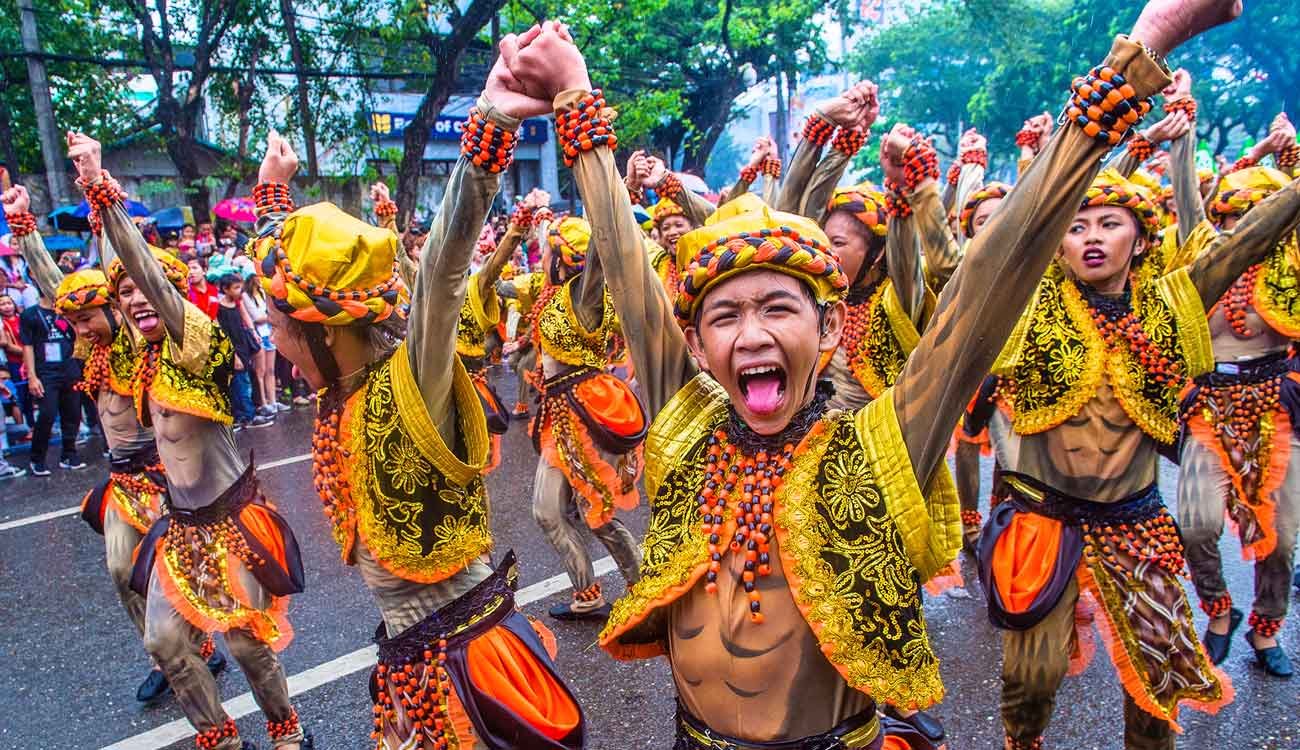
Filipino tours — journeys run by the people who call these seven thousand islands home — are simply better travel, and the reasons are not mysterious. Local operators own the boats, know the tides, speak the language of every pier and kitchen, and carry the country’s hospitality as a birthright. This guide explains what Filipino-led touring means in practice, the signature experiences only locals can open, and how our desk — Filipino at heart, professional by licence — builds them into booked itineraries.
01.The Filipino Advantage: Why Local-Led Wins
Three structural advantages separate local-led tours from fly-in operations. Ownership: local operators typically own their boats, vans and lodge relationships, so timetables answer to guests rather than middlemen — when weather moves, they move first. Network: decades of pier-side, market-side and kitchen-side relationships open doors, save tables and reserve the calm morning boat. Fluency: not just of language but of rhythm — when the fish market wakes, which ferry fills, where the shade lands at noon.
Travellers feel the difference daily: fewer queues, better tables, closer access, and the specific confidence of being guided by someone whose cousins run the next island’s boats. Money spent locally also stays locally — guides, crews, cooks and cooperatives — which turns every tour into quiet community development. The Filipino advantage is not a slogan; it is an operating model that outperforms on every metric travellers actually feel.
- Owned boats and vans — timetables answer to guests, not middlemen.
- Decades of relationships — doors, tables and calm mornings, pre-reserved.
- Money that stays — every booking pays local wages and families.
02.Signature Experiences Only Locals Open
The market morning: a Filipino-led market walk ends at breakfast stalls no signboard advertises, with a guide ordering for you in the dialect that makes vendors smile. The family kitchen: cooking days where a grandmother’s recipes are demonstrated, laughed over and handed across the table — the meal you cook yourself always tastes like the trip’s best. The festival street: local guides time your visit to fiestas, secure safe viewing, and explain the drums’ meaning while the neighbourhood adopts you for the afternoon.
The boat named after a daughter: island-hopping with crews who name every fish and teach you to grill the lunch you will claim you caught. The hometown detour: the roadside stop for roasted cashews or halo-halo that never appears on itineraries but lives in every local’s memory. These are not add-ons; they are the substance of Filipino touring — the difference between seeing the country and being received by it.

Booking note: these experiences ride on relationships, not permits — which is why they appear on local-led itineraries and nowhere else. Ask for them by name.
03.The Guides: Licensed, Warm, Unforgettable
Filipino guiding is professional: guides train, register and carry licences across heritage, nature, adventure and multi-day specialities. What reviews remember, though, is the style. Filipino guides narrate history with family memory, teach snorkelling with patient hands, negotiate pier chaos with a grin, and treat guests with the country’s default setting — welcome first, questions later. English flows natively, so instructions, jokes and stories all land cleanly.
The roster’s human spread deserves mention too: formidable women lead heritage walks, dive boats and multi-day tours; highland guides narrate terraces their families have farmed for generations; festival guides time whole trips around their hometown’s celebration. Travellers who request a specific style — quiet, exuberant, family-focused, adventure-hardened — get matched deliberately. The guide is the trip’s most human variable; local rosters simply hold more of the good ones.
04.What Filipino-Led Itineraries Look Like
Locally built routes share a shape: mornings on the water while seas lie calm, lunches where the fish was caught, afternoons for villages and viewpoints, evenings unhurried enough for invitations. Islands chain sensibly — owned boats make the timetables bend — and rest days appear where locals would take them, not where a spreadsheet assumed. Food detours thread through everything, because Filipino touring treats eating as sightseeing’s equal.
The honest comparison: foreign-designed itineraries cover the same famous stops but ride other people’s boats and eat other people’s schedules. Locally led versions deliver the same postcards plus the layer underneath — the stories, kitchens, fiestas and friendships. Our desk builds exclusively on the local model: Filipino specialists design, Filipino guides deliver, Filipino crews sail. It is not marketing positioning; it is simply how the best versions of these trips have always been run.

Insider ask: tell your guide you want to see a fiesta, an evening market, or a family kitchen. Local rosters hold standing invitations — most travellers simply never think to ask.
05.Community Benefits: Where the Money Goes
Local-led touring multiplies every booking through the community: guides and crews paid fair local wages, family-run lodges filled, market vendors fed, boat maintenance contracted to neighbourhood workshops. Many itineraries add explicit community layers — mangrove planting mornings, weaving cooperative visits, school-adjacent homestays — where tourism income funds conservation and heritage directly. Travellers increasingly cite this as the reason they choose local; the experiences being better is the reason they keep choosing it.
Our desk’s commitments are structural rather than seasonal: local hiring at every level including specialists, licensed everything, and community experiences built into standard itineraries rather than sold as charity add-ons. Travel that pays locals properly is simply travel done right — and in a country this welcoming, right feels wonderful.
06.Booking Filipino-Led Tours
Booking local-led is as easy as booking anything better: send dates, group and interests; receive an itinerary built by Filipino specialists with guides named, boats owned and kitchens pre-invited. Check the marks of genuine local operation — named guides, owned boats, community inclusions, a desk reachable in your timezone — then confirm and pack light. The itineraries that result look familiar on a map and feel entirely different on the ground.
Our desk is exactly this model, at scale: Filipino-led design, licensed guides across every region, owned and partnered boats, and the festival calendar memorised. Enquiries are free and obligation-free — ask for the market morning, the family kitchen, the fiesta detour, and watch the country open like a door. Filipino tours are not a category; they are the correct way to see these islands. Everything else is a house tour of a home.
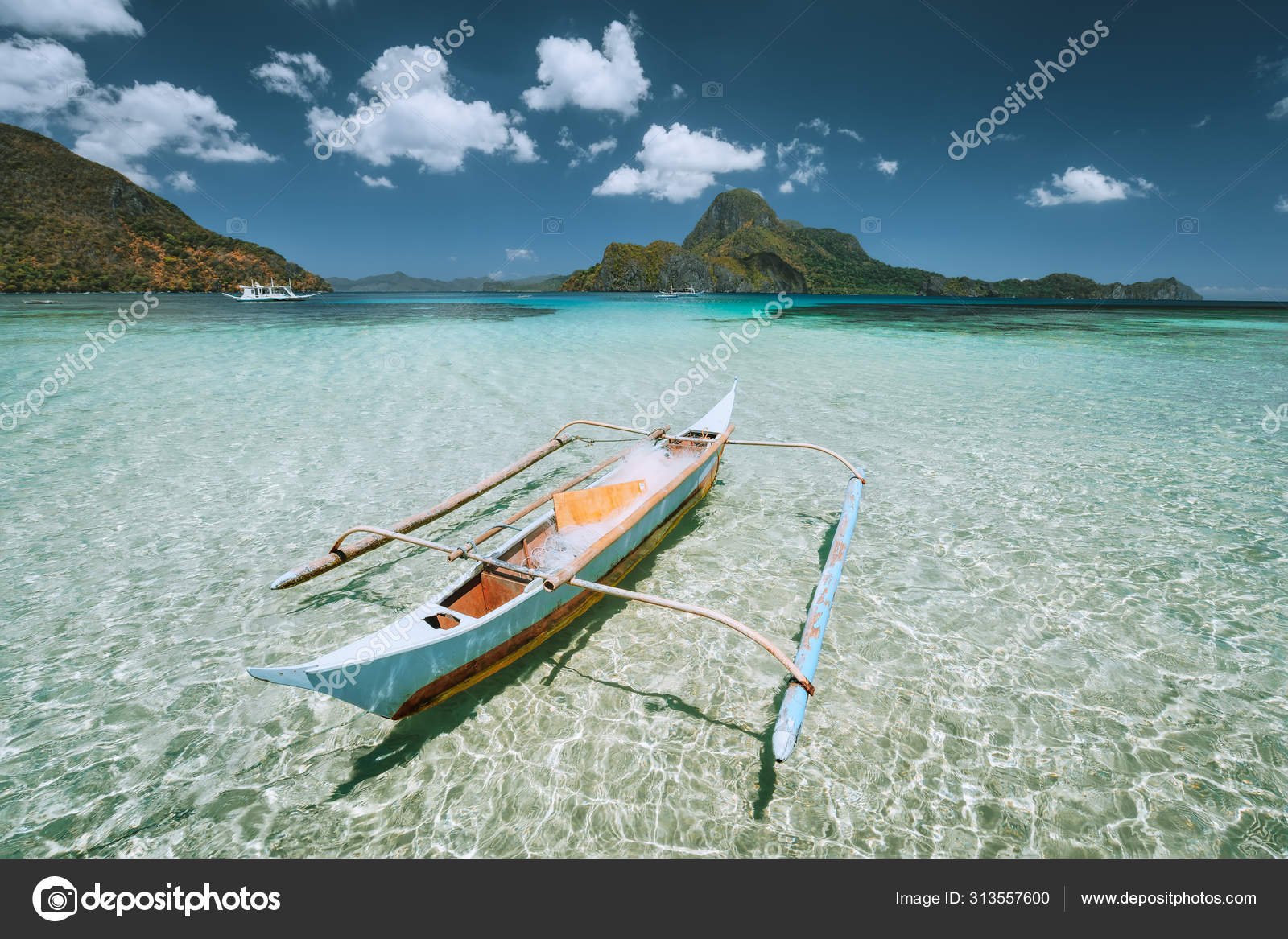
Last line for the road: anywhere you travel, ask who owns the boat. In the Philippines, the answer is usually the man grilling your lunch — and that, in one sentence, is why Filipino tours win.
07.The Food Layer of Local Touring
No Filipino-led tour is complete without its food layer, and it runs deeper than restaurant lists. The market morning teaches the day’s menu by touch — the vendor’s thumb testing the mango, the fish still stiff with sea. The carinderia lunch serves the country’s canon at counter prices, with the vendor explaining each pot like a relative. The street-evening crawl follows the smoke: grilled skewers,.batchoy bowls, the halo-halo stand with the queue that certifies it. The family kitchen — by invitation, always — turns recipes into afternoons.
Local guides time all of it around the sightseeing rather than competing with it: market before the boat, carinderia between stops, the crawl on the rest day. Travellers consistently rank these hours among the trip’s best — not despite the humble settings but because of them. Ask for the food layer by name while enquiring; the desk’s itineraries thread it through every region, and the kitchens, as always, are expecting company.
- Market mornings — the day's menu, taught by touch.
- Smoke-following evenings — the queue is the certificate.
- Timed around sightseeing — the layer, not the competition.
08.The Weather Craft of Local Operators
Local operators’ deepest asset is invisible until the sky tests it: weather craft. The read: generations of sailing knowledge compressed into a glance at clouds, wind and water colour — the call to sail or wait arrives minutes before any forecast updates. The network: when weather closes one island’s waters, the phone tree opens another’s; the day reroutes before breakfast ends. The assets: owned boats mean the reschedule is a decision, not a negotiation with someone else’s timetable.
The traveller’s experience of all this is simple: the briefing at breakfast, the adjusted plan at the pier, the bonus bay by noon — weather handled so smoothly it reads as itinerary rather than improvisation. Self-planners can approximate the craft with forecasts and flexibility; locals practise it as inheritance. When comparing operators, ask for a weather story — a day the sky misbehaved and what happened next. The genuine answers are the best recommendations the industry issues.
- The glance beats the forecast — inherited read, minutes faster.
- Phone trees reroute days — another island opens by breakfast.
- Ask for a weather story — the industry's best recommendation.
09.Frequently Asked Questions
Honest answers to the questions travellers ask our desk most often about Filipino-led tours and local operators.
Why choose a Filipino-led tour over an international operator?
Local operators own their boats and lodge relationships, hold decades of pier-side and kitchen-side networks, and read the country's rhythms natively — so days run smoother, tables are better and doors open wider. Money also stays in local wages and families, turning every booking into quiet community development.
What experiences can only local guides open?
The market morning ending at unadvertised breakfast stalls, family-kitchen cooking days, festival days with safe viewing and invitations, crews who name every fish, and the hometown detours — roasted cashews, halo-halo stops — that never appear on printed itineraries. They ride on relationships, not permits.
Are Filipino tour guides professionally licensed?
Yes — guiding is a registered profession with training and licensing across heritage, nature, adventure and multi-day specialities. Travellers get the best of both: professional standards underneath, and the country's famous warmth on top. Women lead in every speciality and are commonly requested by name.
How do local-led itineraries differ from standard tour routes?
Same famous stops, different substance: mornings on the water, lunches where the fish was caught, villages in the afternoon, and rest days where locals would take them. Food detours thread through everything. The postcards match; the layer underneath — stories, kitchens, fiestas — is what local touring adds.
How do I book a Filipino-led tour?
Send dates, group and interests; receive an itinerary built by Filipino specialists with named guides, owned boats and community inclusions, then confirm and pack light. Our desk runs exactly this model — enquiries are free and obligation-free, and the fiesta calendar is already memorised.
How does the food layer fit into a touring itinerary?
As a thread, not a competition: market mornings before boat days, carinderia lunches between stops, the street-evening crawl on rest days. Local guides time the eating around the sightseeing so both shine — and travellers consistently rank the food hours among the trip's best.
Can dietary requirements be handled on local-led tours?
Yes — local operators hold relationships with kitchens, so vegetarian, Jain and no-beef flags travel ahead of you as neighbourly requests. The guide also navigates on the ground, steering you to the stalls and tables where the flags are understood. State the requirements at enquiry; the kitchens answer before you land.
How do local operators handle sudden weather changes?
As inheritance: a glance-read of clouds and water that calls sail-or-wait minutes before forecasts update, a phone-tree network that reroutes the day to another island’s open waters by breakfast, and owned boats that make rescheduling a decision rather than a negotiation. Ask any operator for a weather story — the good ones tell them proudly.
Ready when you are: every enquiry is free and without obligation. Tell us your travel month and group size — a real travel specialist (not a bot) replies within 24 hours, or WhatsApp us for a same-day answer.