Requesting a female tour guide Philippines trips is easier than most travellers expect — and once you have travelled with one, the preference rarely leaves. Philippine guiding is full of formidable women: heritage specialists who walk visitors through stone-walled history, dive masters who read reefs like recipes, mountain guides who know every terrace by family name. This guide introduces who these guides are, why travellers request them, and exactly how to arrange one for your itinerary.
01.Who the Women Guides Are
Philippine guiding runs on licensing — guides train, register and carry credentials — and women hold that licence across every speciality. In heritage guiding, women lead the old-walled-city walks of Manila and Cebu’s historic quarters, weaving archives and family memory into every street. In nature guiding, they run birdwatching mornings, mangrove walks and community tours. In adventure, women serve as dive masters, canyoneering leads and surf coaches. On multi-day tours, women tour managers hold entire itineraries in their heads and their phones.
What travellers consistently report about women guides here: patience that outlasts any group, fluency in reading what a traveller needs before they ask, and the specific trust of families and solo women. Many are the household’s chief planners anyway — guiding simply makes it official. Several of our longest-serving specialists are women whose repeat-guest lists read like family trees.
- Licensed across specialities — heritage, nature, dive, adventure.
- Multi-day tour managers — whole itineraries, calmly held.
- Trusted by families and solo women — the most common requesters.
02.Who Requests Women Guides — and Why
Solo women travellers request them most, for reasons both practical and personal: comfort, shared perspective, and the ease of travelling with someone who understands the specific texture of moving through the world as a woman. Mothers travelling with children often prefer women guides for the same instinct that makes them request women doctors. Cultural travellers — especially those visiting markets, homes and kitchens — find women guides open doors that remain politely closed to mixed groups.
Families choose women guides for the patience reserve every parent hopes for, and returning guests often rebook “their” guide by name across trips. Men request them too — usually after one trip in mixed company where the women guide quietly out-negotiated every queue, price and weather call. The reasons multiply; the outcome is constant: requests are welcomed, never questioned.
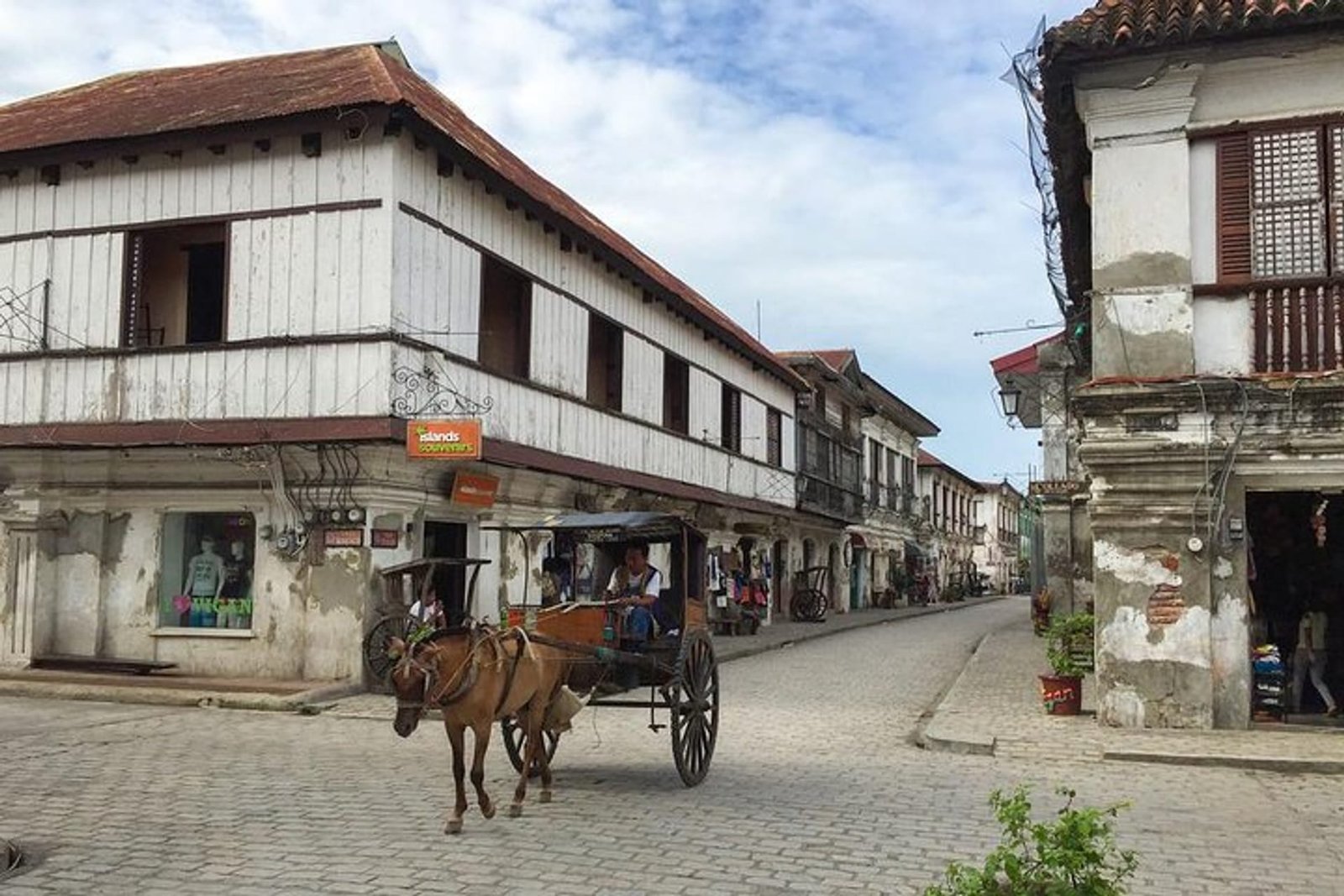
One honesty note: requests are accommodated subject to availability, especially in peak season. Booking the guide early — with the package, not after it — is what makes the preference a promise.
03.What a Woman Guide Changes About the Trip
Practically, nothing about competence changes — licences are licences. What shifts is texture. Women guides narrate the country’s kitchens as confidently as its churches; they read group energy and reroute before fatigue arrives; solo women report the specific relief of a night market explored in company; and children attach to them with remarkable speed. In cultural settings, they often unlock the women’s side of Filipino life — the market vendors, the weaving cooperatives, the family kitchens where recipes live.
For groups mixing men and women, the dynamic balances pleasantly — travellers consistently describe women-led days as the trip’s most relaxed. None of this is magic; it is the compound interest of a guiding culture where women have long led in every sense but the brochure. The brochure, this page proudly notes, is catching up.
04.How to Arrange a Female Guide for Your Trip
Arranging one is a simple line in your enquiry. When you request your itinerary — form, WhatsApp or call — add “we would like a female guide where possible.” The desk matches from its roster of licensed women guides by region and speciality, confirms availability for your dates, and names her in your itinerary before you fly — guide, contact and a short introduction included. Multi-day trips get a named tour manager; day tours get a named specialist per city.
Two practical notes. First, book the guide with the package — the best guides’ calendars fill with repeat guests, and peak season is peak for them too. Second, be specific about the speciality: heritage, food, diving, trekking, or the family-wrangler combination. The clearer the brief, the better the match — and the matches, our repeat guests tell us, are the trips’ quiet difference.
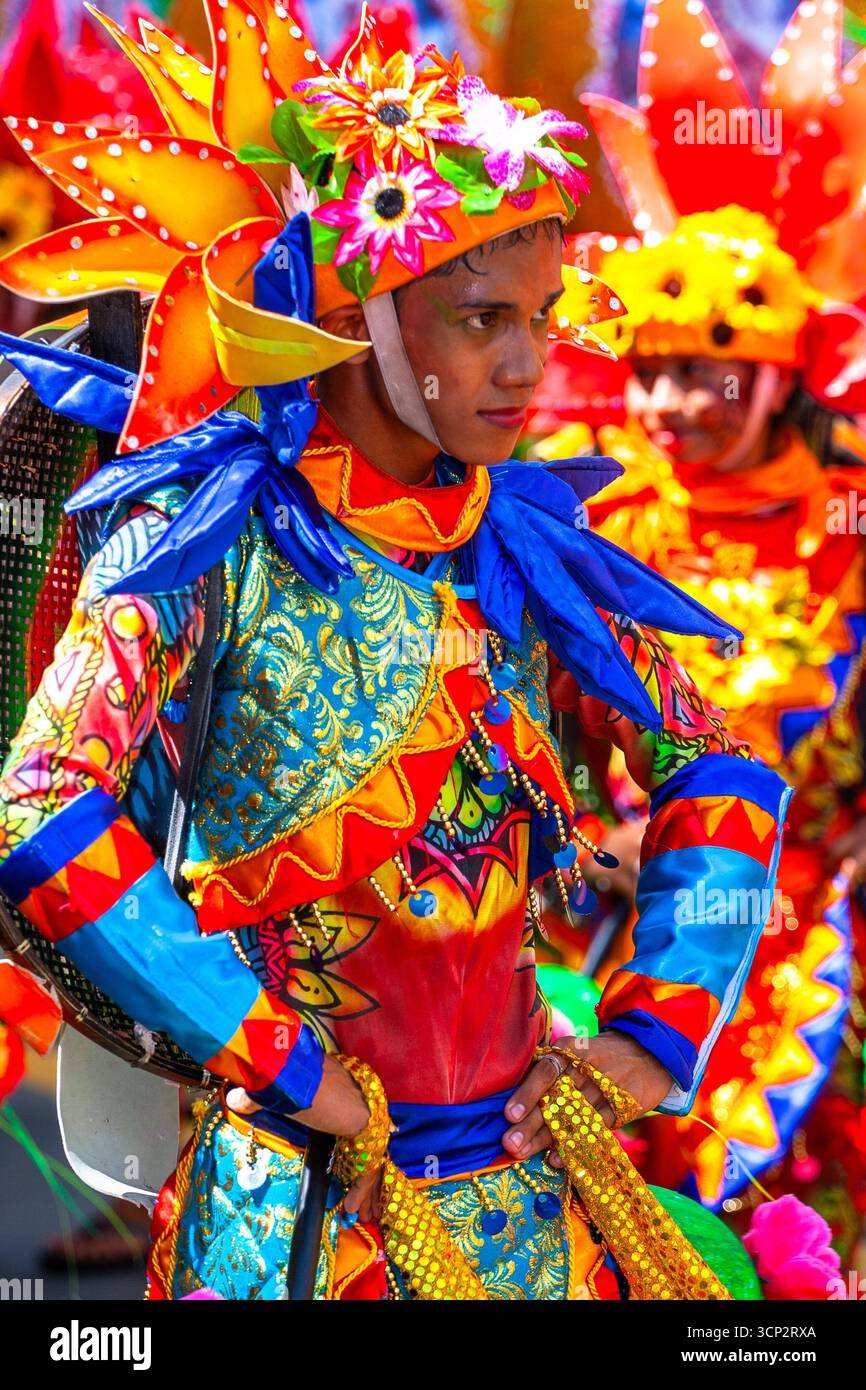
Cost truth: requesting a woman guide carries no premium. You are choosing a person, not a package tier — the rate is the licensed rate, and the difference is entirely in the day you will have.
05.A Note for Solo Women Travelling the Philippines
Solo women travel the Philippines in large, cheerful numbers, and the country’s reputation for hospitality is genuine rather than brochure-speak. The practical picture: licensed transport and guides remove the risky edges, resort towns run safe and social, and the caution that applies anywhere — night awareness, belongings, trusted operators — applies here with the same weight. Women guides add the final layer: local knowledge delivered with a friend’s candour about where to go and, as importantly, when.
Our desk plans solo-women itineraries as a standing request: vetted stays, named women guides, daytime boat preferences and the restaurant list that comes from someone who actually eats there. The result, in a hundred debriefs, is the same: the solo woman’s Philippine trip stops being a brave decision and becomes simply a good one.
06.Book Your Guide, Build Your Trip
The guide is the trip’s most human variable — choose deliberately. Send your dates, your region and your speciality, with the guide preference stated plainly; the desk returns an itinerary with a licensed woman guide named for your days, or the honest options if your dates demand alternatives. Repeat guests, take note: request your previous guide by name and the calendar will bend to make it true.
Our roster spans heritage cities, dive coasts and highland trails — women who guide because they love these islands loudly and professionally. Enquiries are free and obligation-free, and the introduction happens before any payment: names, credentials, a photo and a short note. Travel is better in good company; the Philippines simply makes that easier to arrange than most places.
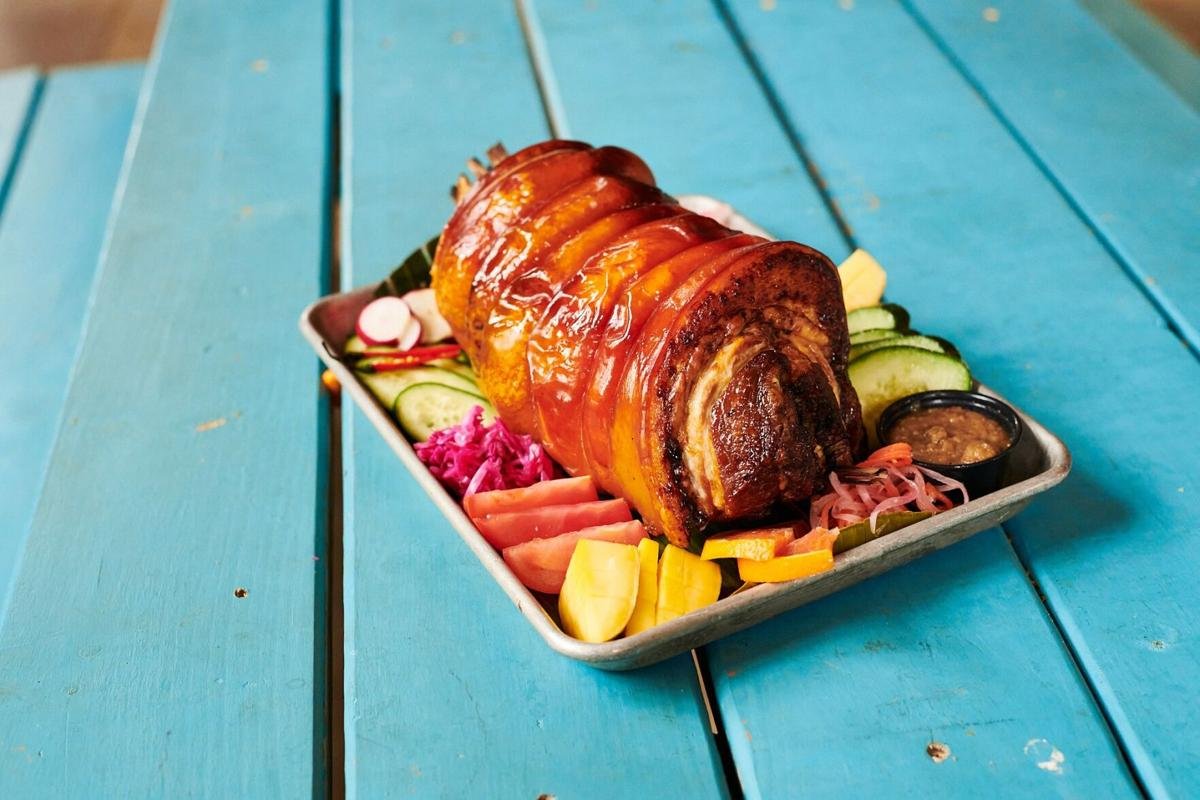
Whatever your itinerary, keep one evening guide-led: the market walk, the grill dinner, the festival street. Those are the hours the guide's own life leaks into the story — and they are the hours you will retell.
07.Where Women Lead, Region by Region
The roster’s strengths map the country. Manila and Cebu cities: heritage specialists — women who walk the walled streets with archives and family memory, and who run the food evenings travellers rate highest. Bohol and Panglao: family-day leads and marine guides — the dolphin mornings and turtle snorkels run with the patience parents request by name. Palawan: boat-day managers and cove-resort hosts — multi-day itineraries held calmly from El Nido to Coron. The highlands: culture guides whose terrace walks carry the villages’ own stories. Siargao: surf coaches and island-hop leads for the slow-coast chapter.
Match region to speciality while enquiring: the heritage cities for culture-first trips, Bohol for family weeks, Palawan for honeymoon management, the highlands for the walking chapters. The desk names the guide for your dates and region before payment — credentials, speciality, a short note — because the introduction is the trip’s first day. Requests cross-region are honoured too; the roster travels as well as its travellers do.
- Cities — heritage and food evenings, women-led.
- Islands — family days and honeymoon management.
- Introduction first — names and credentials before payment.
08.The Trust Architecture of Guiding
What travellers are really requesting when they ask for a specific guide is trust, and trust here has architecture. Licensing: guides train, register and renew — the credential is checked by the desk before the introduction, not after the incident. Vetting by repetition: the roster’s guides earn their places through seasons of return guests; the file on each runs longer than any brochure. The introduction protocol: name, credentials, speciality, a photo and a note — exchanged before payment, so the match is chosen rather than assigned.
The in-trip line: one WhatsApp thread from booking to landing, questions answered in hours, and the guide’s own number shared for the touring days. The feedback loop: every debrief files into the roster — praise and corrections alike — which is how standards stay standards. Trust, in short, is not requested here; it is documented. Ask to see the architecture for your dates — the desk is proud of it, and pride of that kind survives inspection.
- Credentialed before introduced — licensing checked first.
- Vetted by repetition — the file outgrows the brochure.
- Feedback filed — how standards stay standards.
09.Frequently Asked Questions
Honest answers to the questions travellers ask our desk most often about requesting women guides for Philippine trips.
Can I request a female tour guide for my Philippines trip?
Yes — simply add the preference to your enquiry and the desk matches from its roster of licensed women guides by region and speciality. The guide is named in your itinerary before you fly, with credentials and a short introduction, at no premium over the licensed rate.
Which specialities do women guides lead in the Philippines?
Every one: heritage walks in Manila and Cebu, bird and mangrove guiding, dive master and canyoneering work, surf coaching, and multi-day tour management. Many travellers' favourite guides are women whose repeat-guest calendars fill seasons ahead — book the guide with the package, not after.
Who usually requests women guides?
Solo women travellers, mothers with children, cultural travellers visiting markets and kitchens, and families who value the patience reserve. Men request them too — often after seeing a women-led day quietly out-negotiate every queue and weather call. Requests are welcomed, never questioned.
Is the Philippines safe for solo women travellers?
Yes, with the ordinary caution that applies anywhere — and the country's hospitality reputation is genuine. Licensed transport and guides remove the risky edges, resort towns run safe and social, and a named woman guide adds local knowledge delivered with a friend's candour about where to go, and when.
Does requesting a female guide cost more?
No. You are choosing a person, not a package tier — the rate is the standard licensed rate. The only practical note is availability: the best guides fill with repeat guests, especially in peak season, so state the preference when you first enquire to make it a promise rather than a hope.
In which regions are women guides especially strong?
Every region, with visible strengths: heritage and food evenings in Manila and Cebu, family days and marine guiding in Bohol and Panglao, multi-day boat management across Palawan, culture walks in the highlands, and surf coaching in Siargao. State your region and speciality; the named introduction follows before payment.
Can we request the same guide for multiple regions of our trip?
Often yes — multi-region trips can run under one tour manager, and several of the roster's women guide across regions. State the preference at enquiry; the desk confirms feasibility honestly, and where regions demand specialists, the handover is introduced like colleagues, not strangers.
How are guides vetted before being matched to travellers?
Through architecture rather than assertion: licensing verified before introduction, places earned through seasons of repeat guests, an introduction protocol that shares name, credentials and a note before any payment, one WhatsApp thread through the trip, and a feedback loop that files every debrief. The documentation survives inspection — ask to see it.
Ready when you are: every enquiry is free and without obligation. Tell us your travel month and group size — a real travel specialist (not a bot) replies within 24 hours, or WhatsApp us for a same-day answer.