
Searching local tour packages Philippines style is the smart traveller’s instinct — buy from the people who live where you are going. Local operators hold advantages no aggregator can replicate: owned boats, decade-deep relationships, current ground truth and money that stays in the communities you visit. This guide explains what genuine local packages include, how they differ from portal-assembled ones, and the marks that separate the real local specialists from the ones merely wearing the word.
01.The Local Advantage, Stated Plainly
Local operators win on four fronts. Ownership: boats, vans and lodge relationships held directly, so timetables answer to guests rather than intermediaries — and when weather moves, the response is minutes, not support tickets. Relationships: the pier master who saves seats, the resort manager who upgrades a honeymoon, the kitchen that receives your diet flag as a neighbour’s request. Ground truth: which crossing runs rough this month, which lagoon crowds at which hour, which new cove deserves the detour. Accountability: local reputation is personal here — an operator’s name walks into every pier they serve.
Aggregators assemble other people’s parts; local specialists run their own. Both can deliver a good trip — but when the sea improvises, and it will, the distance between you and the decision-maker decides the day. Locals are the decision-makers. That, in one sentence, is the advantage.
- Owned assets — boats and vans that answer to guests.
- Living relationships — doors, tables and upgrades, pre-warmed.
- Personal accountability — local reputation rides on your day.
02.What Genuine Local Packages Include
A real local package reads like a local built it — because one did. Stays at properties the operator has used for years (named, not “or similar”); every transfer from airport to pier to resort under their own dispatch; island days on owned or long-partnered boats with licensed guides; ferries pre-ticketed; breakfasts and tour-day lunches; diet flags delivered to kitchens as requests between neighbours; and the weather-rescheduling promise that local operators can actually honour, because they control the assets.
Locals also include the layer aggregators cannot list: the guides’ names, the crew’s stories, the market mornings, the festival timing, the “since you are here” detours. None of it photographs well in a portal; all of it changes the trip. And the exclusions stay honest — international flights, travel tax, dinners, insurance — printed beside the inclusions the way neighbours talk: plainly.

Verification habit: ask a local operator how long they have run their boats and which barangays their crews come from. Genuine answers arrive with names and laughs; assembled ones arrive with brochures.
03.Spotting Genuine Local Operators
The marks are consistent. They answer with names — guides, boats, properties, the person who will meet you. They own or name their assets — “our boats” versus “boats can be arranged”. They know their ground — current, specific answers about crossings, crowds and seasons, not brochure weather. They hold licences visibly — guiding and vessel registration are professions here, and the genuine display them. They advise against over-booking — the surest sign of all; locals know the country punishes greed itineraries, and they say so.
Conversely, the warnings: prices that undercut the field without explanation, itineraries that zigzag, operators unreachable outside office portals, and reviews that read like weather. The Philippine travel community is famously vocal — genuine local specialists surface fast in any honest search. Our desk passes these tests in public daily; check us the same way you would check anyone.
04.The Community Effect of Booking Local
Every local booking multiplies through the community: guides and crews paid local wages, family lodges filled, market vendors fed, boat workshops busy, and the tourism income that keeps reefs patrolled and terraces farmed. Many local operators formalise it further — community tours, mangrove mornings, weaving cooperatives, school-adjacent homestays — turning itineraries into quiet development. Travellers increasingly choose local for exactly this arithmetic; they keep choosing it because the experiences run better too.
The two effects share one root: when the operator lives where you travel, quality and community pull in the same direction. A damaged reef is a damaged business; a delighted guest is a neighbour’s word-of-mouth. Local incentives and traveller interests, aligned by geography, produce the travel industry’s rarest thing — naturally honest service.

Traveller footnote: the community layer is not charity add-on pricing — genuine local packages include it by default. If it appears as an upsell, ask who keeps the difference.
05.Local Specialists vs Portals: The Fair Comparison
Portals win on breadth and one-stop familiarity — flights plus hotels plus a tour, assembled quickly. Local specialists win on everything the trip actually consists of: the rooms’ real locations, the boats’ real condition, the guides’ real names, the plan’s real behaviour in bad weather. For single-service bookings, portals serve fine; for a journey as logistics-heavy as an archipelago holiday, the specialist’s depth is the difference between assembled and authored.
The hybrid habit many travellers land on: flights direct, everything else local. That split gives you the airline’s scale and the specialist’s soul — and our desk supports it happily, building the ground package around whatever flights you hold. Fair comparisons make confident travellers; run one yourself with a quote from each model and read the itineraries side by side.
06.Booking With a Local Desk
Booking local follows the neighbourly script: one message — dates, group, feeling — a same-day reply from a person with a name, a draft itinerary built on owned assets and current ground truth, revisions by conversation rather than portal, and a named contact from deposit to departure gate. Ask your questions; genuine locals enjoy them. The quote should read like it was written by someone who will be at your pier — because it was.
Our desk is exactly this model at scale: Filipino-led, licensed throughout, boats owned and partners long-term, community layers standard, and the rescheduling promise honoured because we control the parts it touches. Enquiries are free and obligation-free — and the best verification, as with any local, is simply to start the conversation.
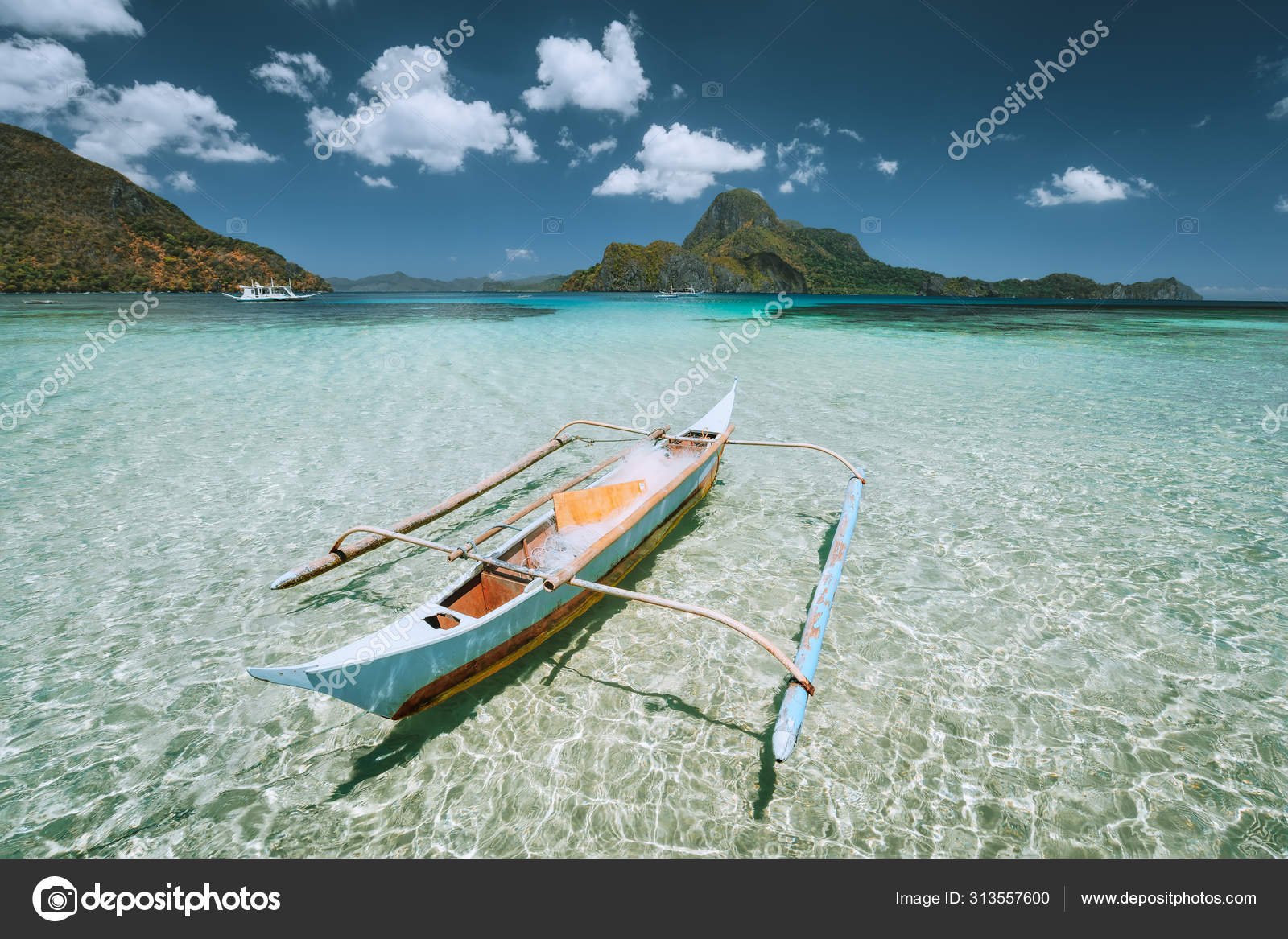
Last word: buy local not as charity but as craft. The people who live here build the trips here best — and their reputation, like their boats, is something they personally keep afloat.
07.Questions Locals Love Answering
Booking local opens a different conversation, and these questions start it. “Which boats do you own?” — the answer arrives with names, hull colours and maintenance stories. “Where do your guides grew up?” — the roster turns into a map of hometowns. “What would you skip in peak season?” — locals answer with the honesty no portal dares. “Where do you eat on your day off?” — the question that unlocks the trip’s best meals. “What happens when the weather turns?” — answered with plans rather than promises.
“What do you wish travellers asked more?” — the closing question, and the revealing one; the answers range from tide timing to tip etiquette to the barangay projects the booking quietly funds. Ask them by message or WhatsApp; genuine local operators answer with enthusiasm because nobody else thinks to ask. The conversation itself is the quality test — and by its end, you will know exactly who is meeting you at the pier.
- “Which boats do you own?” — names, colours, stories.
- “Where do you eat on your day off?” — the best meals unlocked.
- The closing question — what they wish you asked.
08.Local Booking, Rapid Answers
The local desk’s rapid round. “Is booking local risky?” — the opposite; local reputation is personal here, and the accountability walks into every pier the operator serves. “Can locals handle international travellers?” — English fluency, rupee-and-dollar clarity, and the time-zone-friendly WhatsApp thread; the craft is daily. “What if something goes wrong abroad-booked?” — the same phone number as at booking; recovery is local by definition. “Do local packages cost more?” — usually less; procurement lives where the boats are.
“How do I verify licences?” — ask; genuine operators display them proudly and send copies with quotes. “Community projects — real or marketing?” — ask which barangay, which school, which reef; the genuine answers name names. “One question to end every enquiry?” — “who exactly meets us at the airport?” — and the answer, when it comes with a name and a face, is the whole local advantage in one line.
- Accountability walks the pier — reputation is local.
- Licences displayed proudly — copies travel with quotes.
- “Who meets us?” — the advantage, in one answer.
09.Frequently Asked Questions
Honest answers to the questions travellers ask our desk most often about buying packages from local Philippine operators.
Why choose local tour packages over big aggregators?
Local specialists own their boats and lodge relationships, hold decade-deep networks, know current ground truth, and answer personally when weather improvises. Aggregators assemble other people's parts; locals run their own — and when the sea changes plans, the distance between you and the decision-maker decides the day.
What do genuine local packages include?
Named properties used for years, transfers under their own dispatch, owned or long-partnered boats with licensed guides, pre-ticketed ferries, breakfasts and tour-day lunches, diet flags delivered as neighbourly requests, and weather rescheduling they can actually honour. Plus the unlistable layer: named guides, market mornings and festival timing.
How do I spot a genuine local operator?
They answer with names — guides, boats, properties, the person meeting you. They own or name their assets, know their ground with current specifics, display licences visibly, and advise against over-booking. Undercut prices, zigzag routes and portal-only contact are the warnings.
Does booking local actually help communities?
Measurably — local wages, filled family lodges, busy workshops, patrolled reefs and farmed terraces. Many operators formalise it with community tours and cooperative visits included by default. When the operator lives where you travel, quality and community pull in the same direction, which is why the service runs naturally honest.
Can I book flights myself and use a local desk for the rest?
Yes — the popular hybrid. Flights direct with the airline's scale, everything ground-side with a local specialist's soul: stays, transfers, boats, guides and support. Our desk builds the ground package around whatever flights you hold, happily and at no disadvantage to the trip.
What questions reveal a genuine local operator?
Ask which boats they own, where their guides grew up, what they skip in peak season, where they eat on days off, and what happens when weather turns. Genuine operators answer with names, hometowns and plans — and the closing question, what they wish travellers asked, opens the most revealing minute of the whole booking.
Can we contact a local desk before committing to anything?
Please do — it is the recommended path. Message the questions above on WhatsApp or the form; the answers' speed and specificity are the quality test. Genuine local desks enjoy the conversation, advise honestly even against their own packages, and never rush the asking.
Is it risky to book a Philippine package with a local operator from abroad?
The opposite — local reputation is personal, accountability walks into every pier the operator serves, and recovery is local by definition: the same phone number at booking answers at the pier. Verify licences on request, ask which barangay the community projects fund, and end every enquiry with one question: who exactly meets us at the airport?
Ready when you are: every enquiry is free and without obligation. Tell us your travel month and group size — a real travel specialist (not a bot) replies within 24 hours, or WhatsApp us for a same-day answer.