
Type travel tours Philippines package into a search bar and you will meet a hundred offers in a minute — all promising islands, boats and bliss. The real skill is not finding a package; it is comparing them until the differences show. This guide teaches you exactly that: how tour packages are built, which inclusions genuinely matter, where low quotes quietly cut corners, and how to move from a browser full of tabs to one confirmed, confident booking.
01.What a Tour Package Actually Is
A tour package is a bundle: stays, transfers and tours sold as one plan under one responsibility. That last phrase is the important one. When a boat cannot sail, the question is never “whose problem is this?” — the operator owns the problem. Packages exist because the Philippines is logistics-heavy: multiple islands, weather-dependent boats, pier fees and permits. Bundling moves that complexity from your shoulders to people who handle it daily.
Bundles come in three broad shapes. Group departures run on fixed dates with shared vehicles and boats — sociable and efficient. Private packages run on your dates with your own boat, guide and driver — the choice of families and couples. Hybrids mix both: private transfers on land, shared boats on water, which keeps costs sensible without losing comfort. None is superior; each suits a traveller type, and knowing yours is the first filter.
02.Inclusions That Genuinely Matter
Compare packages line by line, not by headline. The inclusions that change real trips: licensed guides on every boat day (not “boat crew”), snorkelling gear included rather than rented pier-side, all transfers from airport to pier to resort, daily breakfast plus tour-day lunches, and free rescheduling for weather. Ask who owns the boats — operators running their own fleet answer to you, not to a middleman’s timetable.
Equally telling is what sits outside: international flights, the Philippine travel tax, dinners, insurance and personal spending. Transparent operators print exclusions on the quote itself. If a comparison confuses you, lay two quotes side by side and strike out everything both include — the differences that remain are the real decision, and they are almost always about service quality, not scenery.
- Licensed guides — trained, insured, first-aid ready.
- Owned boats — better maintenance, better timetable control.
- Written exclusions — nothing appears on arrival to surprise you.
03.Red Flags Hiding in Cheap Quotes
Cheap packages are not scams; they are arithmetic. When a quote drops far below the field, something inside shrank — usually room location (the “beachfront” becomes a road-crossing tricycle ride), boat size (shared bancas at maximum capacity), guide attention (one licensed guide stretched across three boats), or meal quality. None of this appears in the photo gallery; all of it appears in your daily mood.
Three questions expose most corner-cutting. Which exact resorts, named? Which boats, owned or chartered? What happens when weather cancels a boat day — refund, replacement or shrug? Answer those three and a package’s true quality surfaces fast. Operators who answer clearly and in writing are showing you their habit of clarity; operators who go quiet have answered differently.
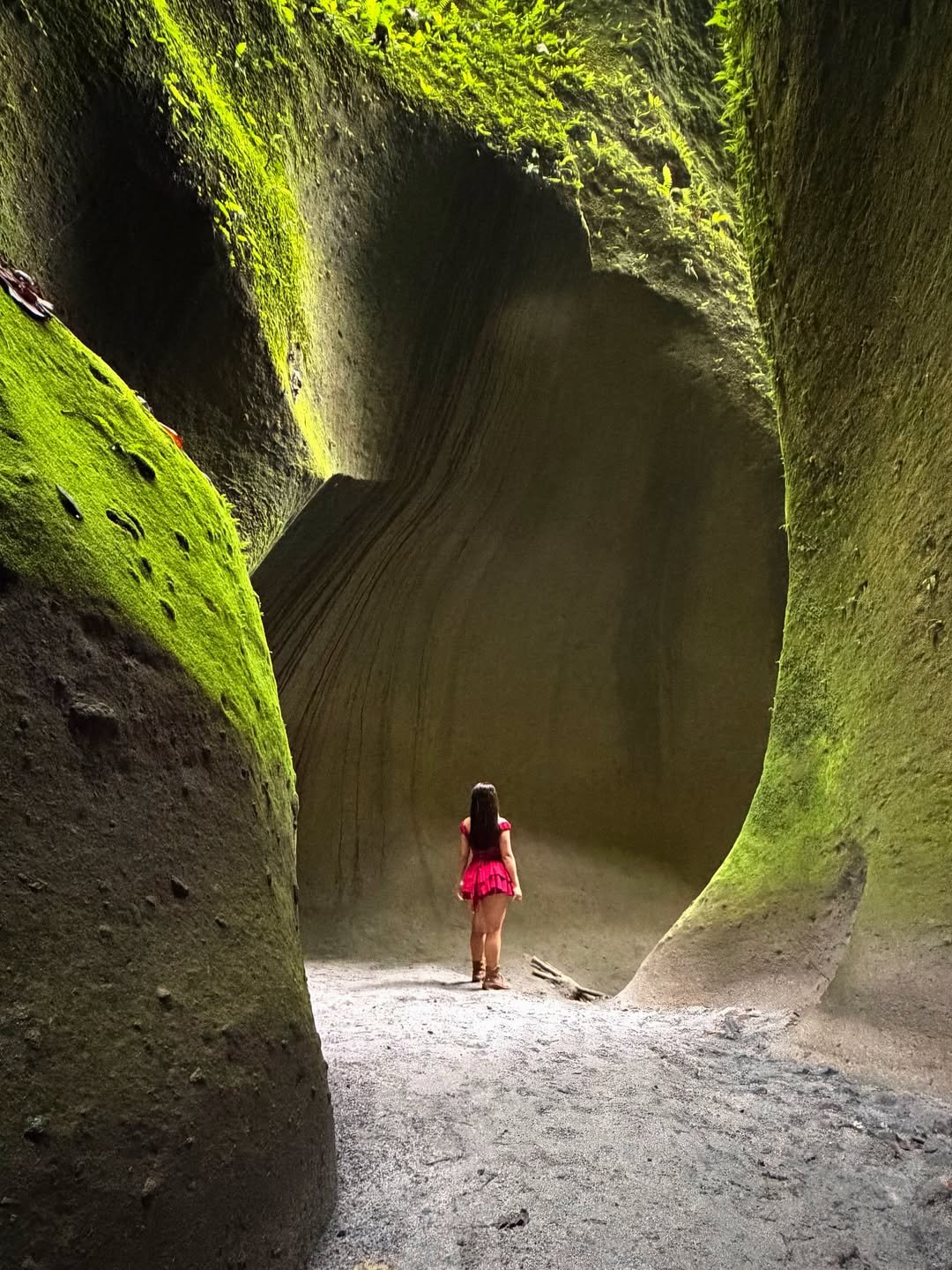
Remember the asymmetry: you will make perhaps five purchases this year that matter daily, and a holiday is one of them. The gap between a good operator and a cheap one is felt at breakfast, at the pier and at bedtime — and the saving rarely survives the comparison.
04.Matching the Package to Your Travellers
Packages are also shaped by who is travelling. Couples should prioritise private boats, sunset add-ons and resort location over everything else. Families need short transfers, calm swimming spots and rooms that genuinely sleep four. Friend groups want activity density — dives, canyons, surf — and nightlife within walking distance. Solo travellers do brilliantly on group departures where shared boats create instant company.
Duration is the second matcher. A week suits one island pair; ten days opens two regions; longer trips should add slack days, not more islands. Occasions deserve explicit mention — honeymoons, anniversaries and milestone birthdays unlock upgrades and private dinners that operators love arranging but cannot offer uninvited. Say the occasion out loud while enquiring; it changes the plan for the better.
05.The Booking Flow, Done Properly
A clean booking has four beats. Enquire with dates, group size and comfort level — good desks reply within a day with a route and a transparent quote. Tweak until the plan fits like clothing: swap islands, slow the pace, add a dive. Confirm with a deposit and receive vouchers for every stay, transfer and tour in one folder. Pack — the operator handles reconfirmations, weather watching and any reshuffling before you fly.
Insist on one point of contact with a name and a phone number; group chats with rotating agents are how details get lost. And keep the free-rescheduling promise in writing — island weather deserves flexibility and so does your money. Booked this way, the only thing left to compare on arrival is sunsets.
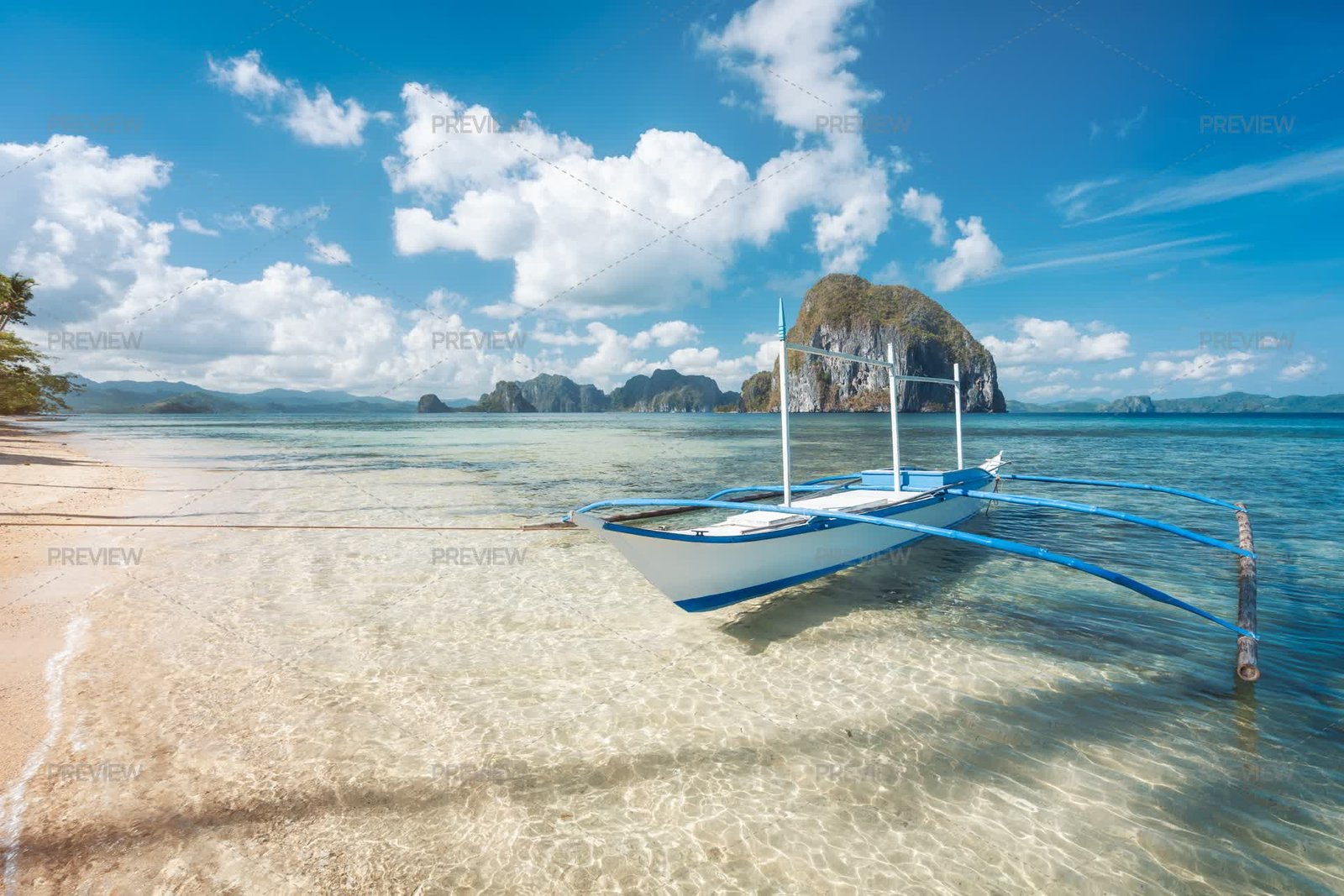
Our own desk follows exactly this flow: real specialists, named contacts, written inclusions and free rescheduling. Enquiries are free and without obligation — which makes comparing us, ironically, the easiest comparison you will run all week.
06.The Final Checklist Before You Pay
Before any deposit, run this five-point check. One: every resort and boat named in writing. Two: every transfer covered, airport to pier to resort, both directions. Three: guide licensing and boat ownership confirmed. Four: weather policy written, not whispered. Five: a named specialist reachable on WhatsApp from booking to boarding. If a package passes all five, you have found a good one — pay with confidence and start counting sunsets.
If this checklist feels like work, that is because comparison is work — or rather, was. Send us the two or three offers you are weighing and our specialists will walk the checklist with you honestly, including where our own package is not the answer. You may still choose another operator; you will definitely choose better.
07.The Package Families You Will Meet
Name the families before you compare offers, because they price and perform differently. Fixed group departures run on published dates with shared everything — the sociable economy option. Private custom packages run on your dates with your own boat, guide and driver — the family and honeymoon standard. Day-tour stacks bundle separate day trips around a self-booked base — flexible, but the seams show. Cruise-and-land combinations pair a sailing with island chapters — the two-format holiday. And resort-centred bundles orbit one property with tours from its beach — the rest-first version.
Each family suits a traveller, and mismatching family to traveller causes most package disappointment: private-package travellers on group departures feel herded; group-departure budgets on private quotes feel stretched. Say your style out loud while enquiring — it is the first question good desks ask — and the comparison field narrows to offers that can actually fit.
- Group departures — fixed dates, shared boats, sociable.
- Private customs — your dates, your pace, your boat.
- Combos and stacks — two formats or many day tours.
08.Seven Questions That Sort Good Operators Fast
Borrow the desk’s screening call. One: which exact properties, by name? Two: who owns the boats we will ride? Three: are guides licensed, and how many guests per guide? Four: which meals are included and where do they happen? Five: what is the weather policy, in writing? Six: who is my named contact, on which number? Seven: what happens on the day something slips — flight, ferry, or health? Seven questions, one email, and the field sorts itself: professionals answer with specifics and welcome the call; pretenders answer with adjectives and delay.
The seventh question deserves emphasis because it predicts everything. Operators with owned assets and named staff answer in minutes with options; middlemen answer in days with apologies. Travel is the art of the recoverable day — book the operator whose answers make recovery sound routine.
09.Reading a Quote Like the Desk Does
Quotes have a grammar too, and reading it takes one lesson. First line, the arithmetic: per-person or total, sharing or private, adult-child splits — the numbers’ basis decides every comparison that follows. The inclusions block: read for named things — properties, boats, guides, meal venues — and count them; vagueness here is the price’s first discount. The exclusions block: honest quotes print them; the absent block is itself a red flag wearing silence. The terms: deposit schedule, rescheduling promise, weather policy — the three clauses that govern the trip’s behaviour under stress.
Then the shape test: does the day-by-day match the trip you described, or a trip the operator likes selling? Quotes are portraits — good ones resemble the sitter. Run any quote against the seven screening questions from earlier in this guide and the grammar becomes permanent: you will never again compare a headline price where a plan should be. Our own quotes are written to survive the reading — test them side by side with any other, and let the named things decide.
- Arithmetic basis first — per-person, sharing, splits.
- Count the named things — vagueness discounts value invisibly.
- The shape test — does it resemble the traveller who asked?
10.Frequently Asked Questions
Honest answers to the questions travellers ask our desk most often when comparing Philippines tour packages.
How do I compare Philippines tour packages fairly?
Compare line by line rather than by headline. Strike out what every offer includes, then judge the differences: exact resorts, boat ownership, guide licensing, meal coverage and weather policy. The cheapest quote usually differs in service quality, not scenery.
What should a good package definitely include?
Licensed guides on boat days, all transfers from airport to pier to resort, snorkelling gear, daily breakfast plus tour-day lunches, and a written rescheduling policy. Equally important are written exclusions, so nothing appears as a surprise on arrival.
Are cheap Philippines packages risky?
Not risky, but reduced — typically in room location, boat comfort, guide attention or meals. Ask which resorts and boats are used and what happens if weather cancels a tour. Clear written answers signal a good operator; silence signals corners.
Private or group package — which should I choose?
Private suits couples and families who want their own pace, boat and guide. Group departures suit sociable travellers and solo visitors who enjoy shared boats and fixed departures. Hybrids — private transfers, shared boats — balance cost and comfort well.
Can you review a package I found elsewhere?
Yes, gladly. Send us the offer and our specialists will walk it through the five-point quality checklist honestly — including where our own package is not the right answer. The review is free, and you will book whichever option genuinely fits best.
Which package type suits a first Philippines trip?
A private custom package for couples and families who want their own pace, or a fixed group departure for sociable solo travellers on a budget. Hybrids — private transfers, shared boat days — balance both. Say your style first; the right family of packages narrows the field immediately.
How can I quickly judge a tour operator's quality?
Ask the seven screening questions: exact properties, boat ownership, guide licensing and ratios, meal coverage, written weather policy, named contact, and the slip-recovery plan. Professionals answer with specifics within a day; pretenders answer with adjectives. The seventh answer predicts the whole trip.
How do I read a package quote properly?
In order: the arithmetic basis (per-person, sharing, splits), the inclusions counted for named things, the exclusions block (its absence is a red flag), and the three governing terms — deposit, rescheduling, weather. Then the shape test: does the day-by-day resemble the trip you described, or one the operator likes selling?
Ready when you are: every enquiry is free and without obligation. Tell us your travel month and group size — a real travel specialist (not a bot) replies within 24 hours, or WhatsApp us for a same-day answer.