
If you have made Filipino friends online, booked a homestay, or plan to meet the family of someone who has shown you endless kindness, you will soon ask what gifts to bring to the Philippines. It is a lovely question to ask, because gift-giving sits deep in the culture here. This guide explains how Filipinos actually think about presents, what travels well from India, what to buy locally instead, and the small etiquette that turns a wrapped box into a memory.
01.How Gift-Giving Works in the Philippines
Filipinos practise pasalubong — the tradition of bringing a small gift when arriving from a journey, and of giving one when you leave. It is less about value and entirely about thought: the gift says “you were in my mind while I was away.” When you bring something from your own country for a host, a guide or a friend’s family, you are participating in a tradition they have practised their whole lives, which is exactly why even a modest present lands so warmly.
Two customs matter around the gift itself. Presents are usually opened later, not in front of the giver, so do not be surprised if your wrapped parcel is set aside with profuse thanks rather than torn open. And reciprocity is instinctive — give a small gift to a Filipino family and you will likely leave their home with mangoes, dried fish or a packed lunch for the airport. Give simply, receive graciously, and the exchange completes itself.
- Pasalubong — the arrival gift; small and thoughtful beats big and expensive.
- Opening later — gifts are unwrapped after you leave; the thanks are still real.
- Reciprocity — expect kindness to come back as food, almost always.
02.Gifts That Travel Well From India
India packs a generous suitcase of presents. Good-quality tea — Assam, Darjeeling or masala chai — is a beautiful gift; Filipinos are warm tea and coffee drinkers and Indian tea carries prestige. Spice sets with small jars of cardamom, saffron or garam masala delight home cooks, especially with a note explaining use. Indian sweets with long shelf life, such as soan papdi or packaged dry-fruit mithai, are instant hits with families — sweet boxes get passed around the neighbourhood here.
Other winners: pashmina or cotton scarves for women hosts and grandmothers, sandalmade crafts or carved wooden items for fathers and uncles, small brass or marble souvenirs for display cabinets, and henna cones for households with curious teenagers — offer to apply some and you will make friends for life. For children, colourful bangles and small board books travel well and delight instantly.
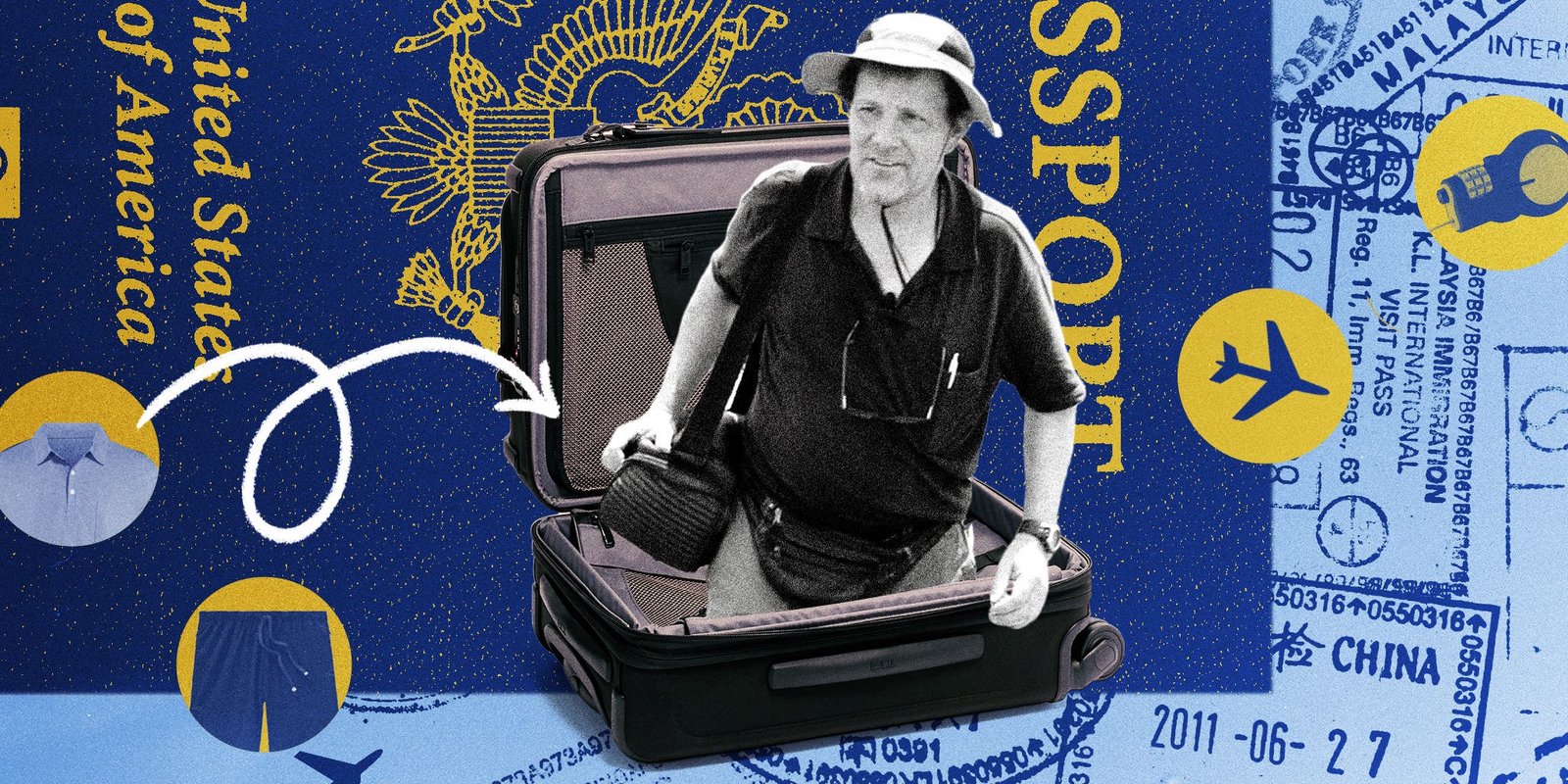
Avoid anything perishable that cannot survive a day in tropical heat — chocolates melt, fresh cheese suffers. Vacuum-packed snacks and sealed boxes survive the journey happily, and nothing beats gifts that arrive looking exactly as you packed them.
03.What to Buy Locally Instead
Some of the best gifts never cross an ocean — they come from the islands themselves. If your hosts are Filipino families, regional dried mangoes, ube sweets and local coffee from another province make perfect pasalubong, because sharing the country’s own specialties between regions is precisely the tradition. For guides and boat crews, practical kindness works beautifully: good sunglasses, a multi-tool or reef-safe sunscreen say “I see the work you do.”
Markets and mall supermarkets both serve well; provincial specialities are usually cheaper and fresher away from airport counters. Handwoven textiles from the Cordillera or the south make meaningful gifts for people back home — buying directly from weavers’ cooperatives keeps the tradition alive. Ask your guide where locals actually shop for pasalubong; the answer always beats the airport gift shop, both in price and in story.
04.Matching Gifts to People
Think in circles. Close hosts and godparents-level friends deserve the most personal gifts — something with your region’s story, presented with a short note. Guides, drivers and boat crews appreciate practical items or well-chosen local sweets; a kind review and a warm tip at the end matter just as much. Families with children: bring things kids can share — stickers, small toys, storybooks — because children are the heart of every Filipino household gathering.
Business or formal contacts, should your trip include them, call for something emblematic of India: tea in a handsome box, a small artwork, or fine stationery. And for elders, choose with extra care — soft scarves, gentle sweets, and a handshake plus a smile are received like treasures. When in doubt, give food; in this culture, feeding someone is the original love language.

One more circle that travellers forget: the people who served you quietly all week — housekeeping, kitchen staff, the tricycle driver who waited without being asked. Small tokens for them earn you the quiet reputation of a thoughtful guest, and thoughtful guests are remembered by name for years.
05.Gift Etiquette: Small Details, Big Difference
Present and receive with both hands or the right hand — the gesture reads as respect. Do not expect your gift to be opened in front of you; setting it aside to open later is polite, not indifferent. Modest wrapping beats lavish: Filipinos value the thought, and an over-expensive gift can make a humble household uncomfortable rather than happy. If you are handed food in return — and you will be — accept it warmly even if you are full; refusing generosity is the only real gift mistake here.
A note written by hand elevates any gift; three sincere lines outperform an expensive box with nothing. Say “pasalubong ko sa inyo” — “a little something for you from my travels” — and watch faces soften. Finally, give to the household, not just the individual; gifts that can be shared at the family table fit the culture best and are always the ones remembered.
06.Packing Gifts Without Losing Luggage Space
Gifts should never cost you suitcase room you need for the trip itself. Choose flat, light, non-perishable items: teas, spices in sealed jars padded with clothing, scarves, small textiles. Pack gifts in the middle of the bag, wrapped in a resealable bag against humidity, and keep a spare empty tote for the return journey — because you will buy pasalubong here too, once you have learned the habit from the inside.
Carry nothing that needs refrigeration, and keep gifts in original packaging with ingredient lists visible; it makes any inspection at either end painless. If your itinerary includes multiple households, buy a small stock of mid-size universal gifts and reserve the personal ones for your closest hosts. Our desk is happy to suggest regional specialties to pick up along your exact route — it is one of our favourite questions to answer, and it comes free with every itinerary.
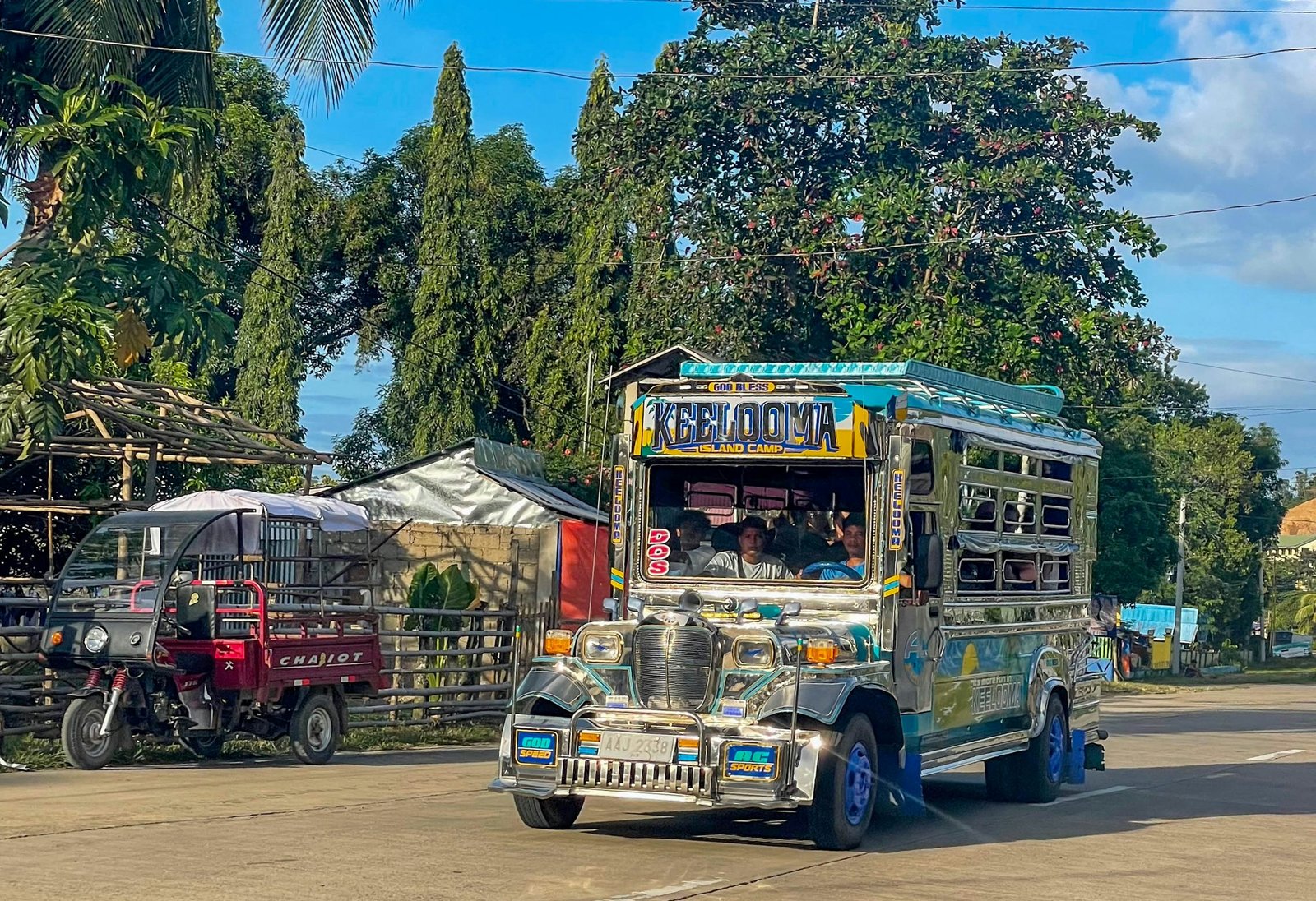
Gifts are really another way of saying thank you to a country that over-delivers on welcome. Bring a little of India, share a little of the islands, and leave more friends than you came with.
07.Three Gift Scenarios, Solved
Scenario one: the homestay or family visit. Bring a shared gift for the household — good tea, sealed sweets, a scarf for the household’s matriarch — and present it on arrival evening with both hands and the phrase pasalubong ko. Expect food to come back at you within the hour; accept everything. Scenario two: meeting online friends in person. Personal beats precious: something from your city with a story — a printed photo of your street, regional snacks, a small book — because the gift that gets remembered is the one that explains where you are from.
Scenario three: the long tour with guides and crews. Skip individual gifts for every stop; instead carry a small stock of universal kindnesses — good chocolates that survive heat, snacks for boat days — and let generous tips plus named reviews do the heavy lifting at each end. Mention favourites to the desk at trip’s end; recognition travels further than souvenirs. Whatever the scenario, the constant holds: in the Philippines, the wrapping matters least and the thought visibly does everything.
- Household gifts — shared, edible, presented on arrival.
- Friend gifts — personal, storied, from your home city.
- Crew kindness — universal snacks plus named reviews.
08.Gift Notes: What Not to Bring
The gift file has a second page, and it is shorter. Skip the extravagant: luxury gifts make modest households uncomfortable rather than happy; the thought is the currency here, and it spends better unwrapped from opulence. Skip the perishable: chocolates that melt, cheeses that suffer, anything needing a fridge the destination may not have — the tropics read luggage differently than gift guides do. Skip the bulky: gifts that eat suitcase space needed for the trip itself, or for the pasalubong you will inevitably buy here once you have learned the habit.
Skip the impractical for crews: guides and boat teams appreciate practical kindness over ornaments — and a named, sincere review outranks most objects anyway. Skip the assumptions: alcohol as a default gift misreads many households; sweets, tea and scarves never misread anyone. The corrected list is short and kind: flat, light, shared, edible or wearable, with a story attached. Pack that list and every gift arrives the way gifts should — easy to give, easier to receive.
- Luxury makes households shy — thought is the currency.
- The tropics read luggage differently — skip the perishable.
- Reviews outrank ornaments — for crews, recognition first.
09.Frequently Asked Questions
Honest answers to the questions travellers ask our desk most often about gifts and Filipino hospitality customs.
What are the best gifts to bring from India to the Philippines?
Good-quality Indian tea, sealed spice sets, long-shelf-life sweets like soan papdi, cotton or pashmina scarves, small handicrafts and henna cones all travel well and land warmly. Choose flat, light, non-perishable items so gifts never eat into your luggage space.
Will my gift be opened in front of me?
Usually not — Filipinos traditionally open presents later, after the giver has left. It is politeness, not indifference. Present your gift warmly, receive their thanks the same way, and expect some food or a pasalubong to come back to you before you leave.
Should I bring gifts for tour guides and drivers?
Small practical gifts — good sunglasses, a multi-tool, reef-safe sunscreen — or regional sweets are appreciated, but a generous tip and a sincere public review matter just as much. Gifts for guides are best given at the end of the trip, with a handshake and a thank-you note.
Are there gifts I should avoid bringing?
Skip anything perishable that melts or spoils in tropical heat, items needing refrigeration, and overly expensive presents that could make a modest household uncomfortable. Shared, edible, hand-wrapped gifts fit Filipino culture far better than luxury items ever will.
Can your team suggest what to buy locally along my route?
Yes — with pleasure. Tell us your islands and we will list the regional specialties worth picking up en route, from Cordillera weaves to dried mangoes and local coffee. It is a free bit of planning that comes naturally with every itinerary we build.
What gift works when meeting Filipino friends for the first time?
Something personal from your home city with a story attached — regional snacks, a small book, a printed photo of your street or family. The gift that explains where you are from lands warmer than anything expensive, and it opens exactly the conversation gift-giving exists to start.
How should I handle gifts for guides across a long tour?
Carry a small stock of universal kindnesses — heat-proof chocolates, boat-day snacks — and let generous tips plus named public reviews do the lasting work at each tour's end. Tell the desk which guides stood out; recognition travels further than souvenirs ever will.
Which gifts should travellers avoid bringing?
The extravagant (they make modest households uncomfortable), the perishable (the tropics read luggage differently), the bulky (they eat the suitcase you need), alcohol as a default (it misreads many households), and ornaments for crews (practical kindness and named reviews land better). Flat, light, shared and storied wins every time.
Ready when you are: every enquiry is free and without obligation. Tell us your travel month and group size — a real travel specialist (not a bot) replies within 24 hours, or WhatsApp us for a same-day answer.