If you are the kind of traveller who reads the Philippines Wikitravel page before breakfast, this handbook is written for you. It gathers the encyclopedic essentials — geography, regions, entry, transport, food, stays and safety — in the plain style wiki readers love, then adds what no wiki can: the practical judgement of a travel desk that plans these islands every day. Read it like a reference chapter; bookmark the parts you will need at the airport.
01.The Country at a Glance
The Philippines is an archipelago of more than seven thousand islands in the western Pacific, grouped for convenience into three regions: Luzon in the north, the Visayas in the middle, and Mindanao in the south. Manila, the capital, sits on Luzon and is the main international gateway, with Cebu a busy second hub. English is an official language and is spoken everywhere, the currency is the peso, and the climate alternates between a dry season and a wetter, greener one.
For travellers, three facts shape everything. First, distances are water — island transfers mean ferries and small planes, never shortcuts. Second, the country is decidedly tropical: light clothes, strong sun, sudden showers. Third, hospitality is national policy in everything but name; you will be fed, helped and befriended faster than in almost any country you have visited.
- Capital & gateways: Manila, with Cebu and Clark as alternates.
- Language: Filipino and English; signage and menus in English.
- Money: peso; cards work in cities, carry cash for islands.
02.Regions: Luzon, the Visayas and Mindanao
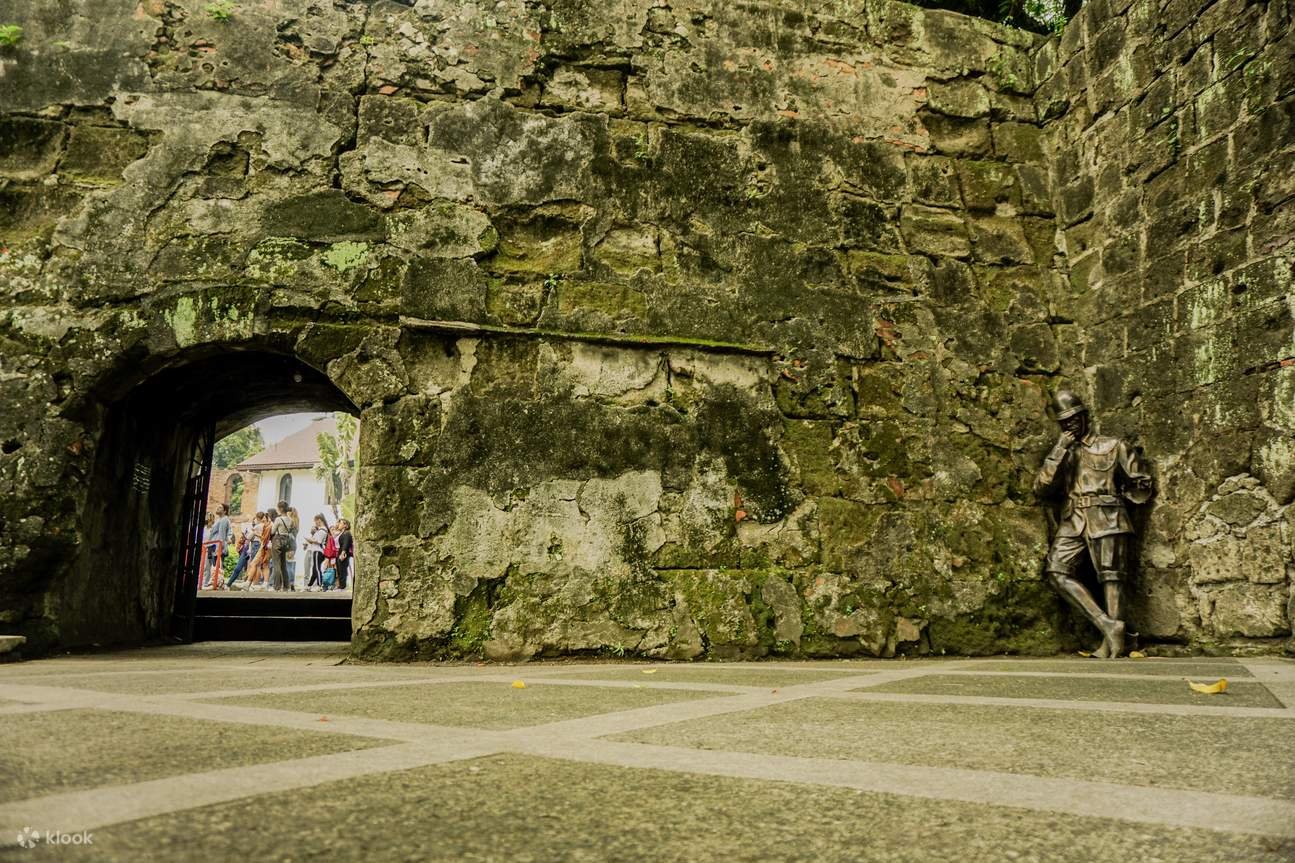
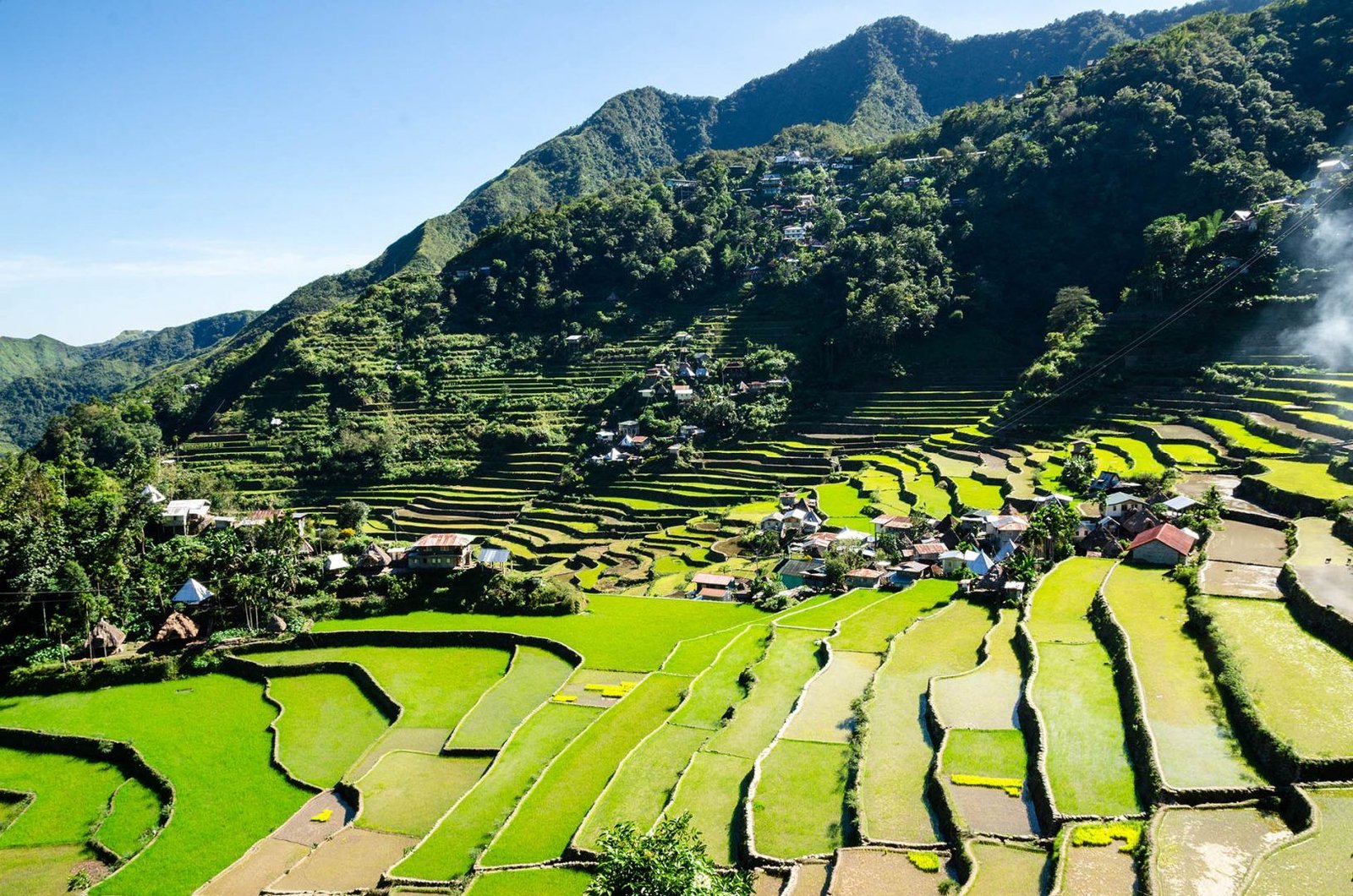
Luzon holds the capital, the Spanish-walled district of Intramuros, the dramatic Cordillera rice terraces up north, and the crater lake of Taal within weekend reach. It is where most trips begin and where history lovers should linger. The Visayas is the postcard middle of the country: Boracay’s powder beach, Cebu’s whale sharks and canyons, Bohol’s Chocolate Hills, and the laid-back islands of Panglao, Siquijor and Camiguin.
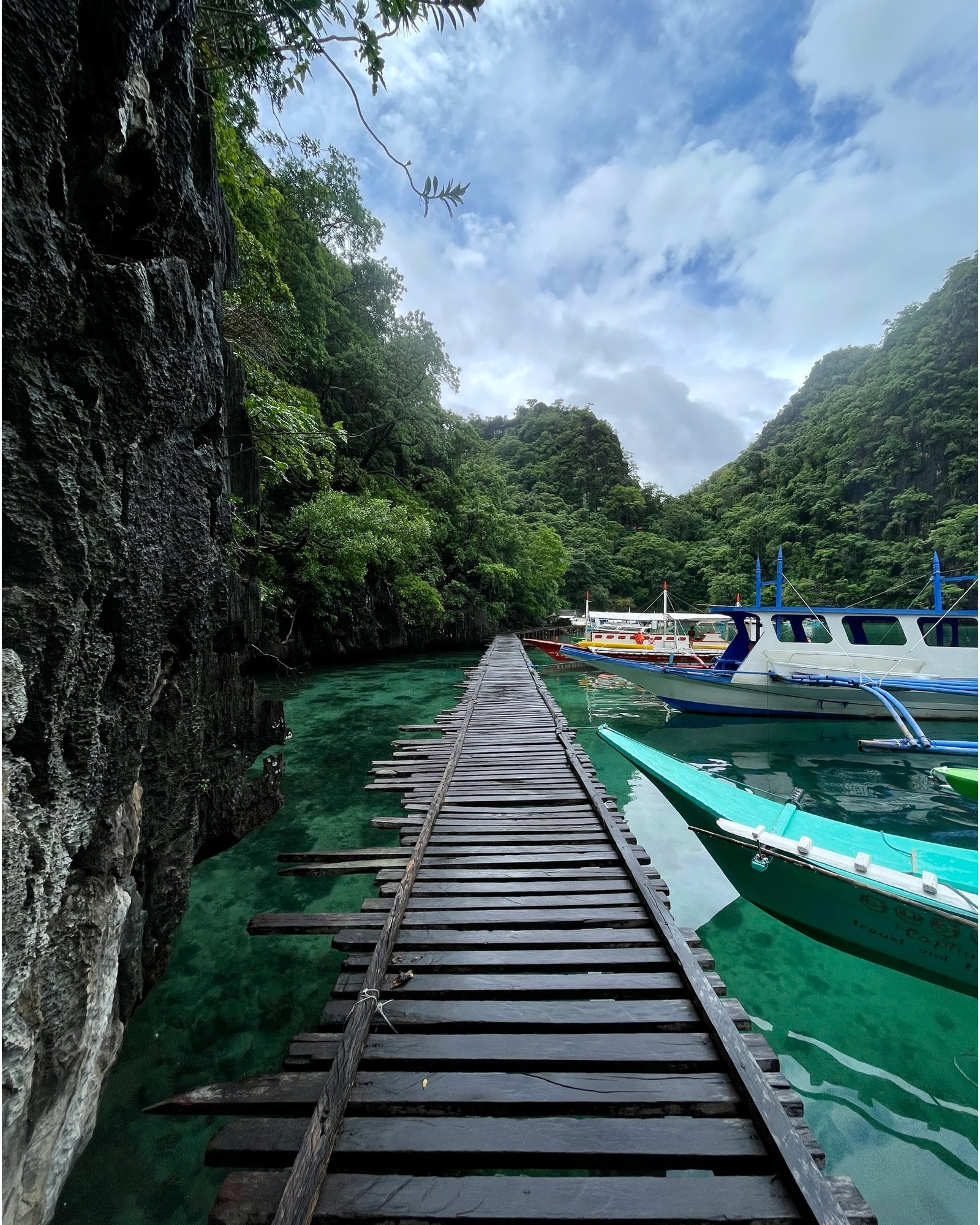
Palawan, geographically detached to the southwest, deserves its own sentence: El Nido and Coron hold the country’s most photographed seascapes, while Puerto Princesa’s underground river runs beneath a mountain. Mindanao and the southern islands see fewer foreign visitors but offer surf towns, waterfalls and genuinely off-trail travel; most first-time visitors save them for a second trip.
Wiki-style honesty: you cannot cover all of this in one holiday. Choose one region per week and treat the rest as the reason to return. Locals say nobody visits the Philippines only once — the geography is designed to leave unfinished business.
03.Get In: Entry, Visas and Arrival
Most nationalities receive an initial visa-free stay on arrival, and Indian travellers should check the latest rules before booking — recent relaxations allow visa-free entry for Indian nationals holding valid visas or residence permits from select countries, with an e-visa covering everyone else. Passports should be valid well beyond your stay, and officials may ask for onward tickets and accommodation details at the counter.
Manila and Cebu are the practical gates. Arrival is smoother if you have a small document folder ready: entry permission, return ticket, first-night address and insurance. Buy a local SIM or activate an eSIM at the airport, withdraw some cash, and pre-book the first transfer — after a long flight, the walk from arrivals to a waiting driver is the best welcome a country can offer.
04.Get Around: Planes, Ferries and Boats
Domestic aviation is the workhorse of long jumps: airlines link Manila and Cebu with El Nido, Busuanga (for Coron), Caticlan (for Boracay), Siargao and more, often in little more than an hour. Ferries carry the medium distances — fast craft connect Coron with El Nido, and Cebu with Bohol in comfort. For the last mile, every island runs on tricycles and jeepneys, cheap and cheerful, with tricycle fares agreed before boarding.
Island-hopping itself happens on banca outriggers, usually as shared joiner tours or private charters. Weather rules the timetable: boat days are calmest in the morning, and windy afternoons occasionally reshuffle plans. Build one buffer half-day into any island-heavy route, and book peak-season ferries ahead rather than at the pier.

Luggage advice follows transport: soft bags beat hard suitcases on small boats and propeller planes, and a dry bag protects cameras on any crossing. Pack for the journey style, not just the destination.
05.See, Do and Eat
See: limestone lagoons in El Nido and Coron, the sardine run of Moalboal, whale sharks in Oslob (ethically run, with rules), Kayangan Lake’s mirror water, the Chocolate Hills at golden hour, and Intramuros’ stone streets in Manila. Do: island-hopping days, snorkelling with turtles, canyoneering at Kawasan Falls, surf lessons in Siargao, and a sunset paraw sail on Boracay.
Eat is the underrated section of every Philippines wiki page. Begin with lechon, the celebrated roast pork Cebu claims as its own; continue through sour sinigang broths, vinegar-kissed kinilaw seafood, and grilled fish lunches on boat days. Mangoes here taste like dessert with a diploma. Finish every meal the Filipino way — with halo-halo, a glorious cup of shaved ice, sweets and questions about why you did not order two.
06.Stay, Book and Stay Safe
Stay: beachfront resorts in El Nido and Boracay book out first in the dry season; boutique stays in Coron and Panglao balance comfort and value; city hotels in Manila and Cebu serve as landing pads. Book two to three months ahead for peak months, earlier for beachfront rooms and honeymoons.
Stay safe is mostly sun, sea and sense: reef-safe sunscreen, bottled water, licensed boats with life vests, and guides’ calls on weather respected without debate. Tap water is not for drinking; ice in established places is fine. Travel insurance is recommended and cheap relative to what it covers. The Philippines is one of Asia’s easier countries for travellers — the famous friendliness doubles as a safety net, since help arrives before you finish asking.
That completes the reference chapter. When the research phase ends and the booking phase begins, our desk takes over gladly — turning everything above into a day-by-day, fully-booked itinerary without you touching a spreadsheet.
07.The Practical Appendix: Numbers, Words and Habits
Every good wiki page carries an appendix, and this is ours. Money habits: cards in cities, cash caches for islands, small notes for tricycles and kiosks, fares agreed before boarding. Connectivity: a tourist SIM or eSIM at arrivals, offline maps before boat days, signal thinning politely over open water. Health: bottled water throughout, reef-safe sunscreen as standard equipment, motion remedies taken before crossings rather than during them, and insurance covering boat days.
Words that travel: salamat (thank you), po (the politeness particle), kain na tayo (let’s eat — accept). Etiquette: footwear off where locals do, both hands when giving and receiving, and no refusing offered food — the only genuine rudeness in the repertoire. Timing habits: mornings own the sea, Sundays own the churches and the family tables, and fiestas own whatever town they visit. Carry these and the country reads like a well-edited page — friendly, practical, impossible to put down.
- Cash for islands, cards for cities — the wallet’s whole strategy.
- Mornings for the sea — the timing rule behind every good day.
- Never refuse food — the etiquette line that matters most.
08.Three Mini-Routes From the Reference Desk
Appendices love examples, so here are three, wiki-style. Route A, the capital loop: arrive Manila, walled city on foot, regional-belt dinner, ridge day trip, baywalk farewell — three days, one city, zero domestic flights. Route B, the lagoon standard: fly El Nido, two Bacuit circuits, the fast craft, one Coron lake day, fly out from Busuanga — six days, one direction, all wonder. Route C, the Visayas sampler: Cebu city heritage, south for whale sharks and the canyon, ferry to Bohol for hills and Panglao, home from Tagbilaran or Mactan — seven days of variety stitched by short ferries.
Each route obeys the reference rules: one cluster per week, mornings for the sea, the finale on sand, buffers in the island-heavy weeks. Copy one verbatim for a template, or mark it up and hand it to the desk for tailoring — the drafts return named, timed and priced within a day. Wiki-reading travellers, this desk finds, make the best-customised trips: they arrive with questions, which is the beginning of every good itinerary.
- Route A — the capital, three days, zero domestic flights.
- Route B — the lagoon standard, one direction, six days.
- Route C — the Visayas sampler, stitched by ferries.
09.Frequently Asked Questions
Honest answers to the questions research-loving travellers ask our desk most often about the Philippines.
Is this guide a replacement for the Wikitravel Philippines page?
Think of it as a companion. Wiki pages excel at encyclopedic facts; this guide adds the practical judgement of a daily travel desk — what to book early, which transfers need buffers, and how locals actually plan around weather and seasons.
Which region should a first-time visitor choose?
Palawan for the famous lagoons, the Cebu–Bohol corridor for variety and easy logistics, or Boracay for effortless beach life. One region per week is the golden rule. Travellers who split a week across three regions spend it mostly in transit and remember less.
How do travellers usually get between islands?
Domestic flights for long jumps, fast ferries for medium crossings, and banca outriggers for island-hopping days. Morning boat travel is calmest. Build a buffer half-day into island-heavy routes, and book peak-season ferries in advance rather than at the pier.
Is the Philippines safe for solo and first-time travellers?
Yes, with ordinary precautions. Licensed boats, respected weather calls, bottled water and insurance cover most risks. The friendliness is genuine and help arrives quickly; solo travellers of all ages consistently rate the country among the easiest in Asia.
Can your desk turn this guide into a booked itinerary?
That is exactly what we do. Share your dates, comfort level and chosen region, and a specialist returns a day-by-day plan with stays, transfers and tours booked — free to request, with no obligation until you confirm.
What should a research-heavy traveller verify before flying?
Four things: current entry rules for your nationality, the season profile of your chosen islands, ferry and flight calendars for your dates, and the connectivity reality of your stays. Our desk answers all four with current ground truth — the appendix above plus a named specialist covers the rest.
Is the Philippines easy to travel independently?
Yes — English everywhere, gentle costs, friendly logistics once the ferry logic clicks. Independent travel suits flexible itineraries and patient planners. Travellers who prefer named boats, timed transfers and one contact on WhatsApp hand the layer to a specialist and keep the fun parts.
Which mini-route suits a one-week first visit?
Route B, the lagoon standard: El Nido's two Bacuit circuits, the scenic fast craft to Coron, one lake day and home from Busuanga. Six to seven days, one direction, no backtracking — the postcard week that first visits are measured against ever after.
Ready when you are: every enquiry is free and without obligation. Tell us your travel month and group size — a real travel specialist (not a bot) replies within 24 hours, or WhatsApp us for a same-day answer.