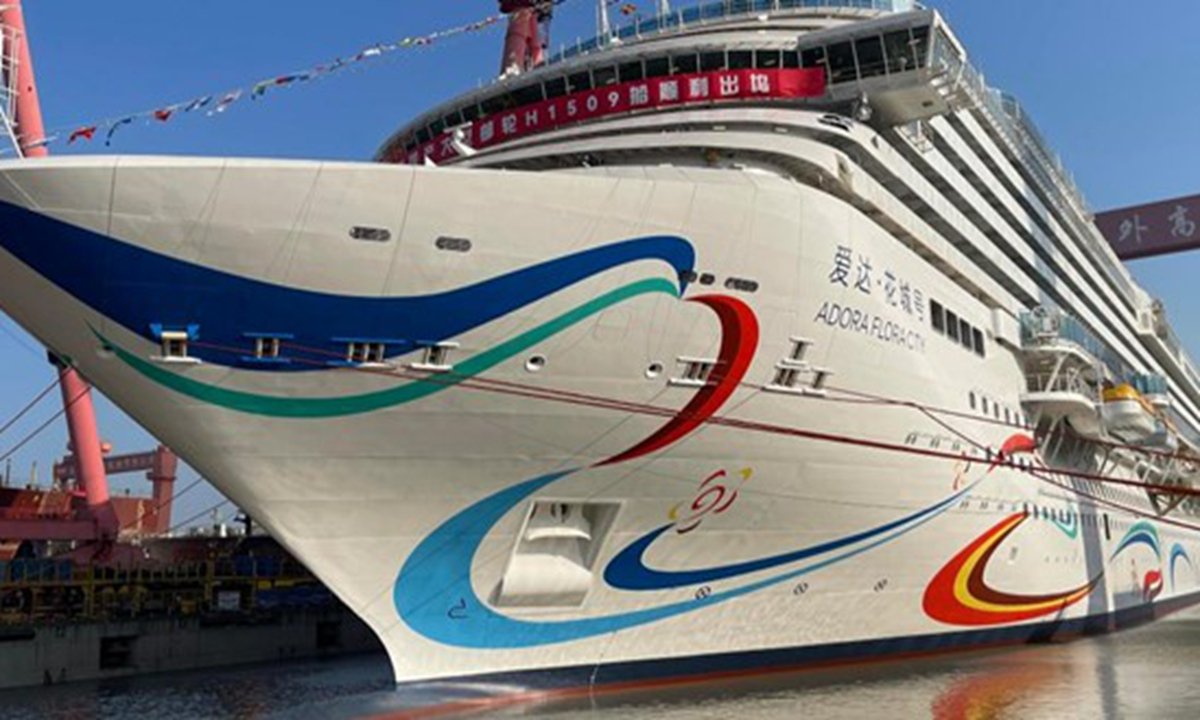
Cruise Philippines searches have grown because the idea is irresistible: an archipelago of seven thousand islands, explored from a floating hotel that never asks you to pack. This complete guide gathers everything our cruise-planning desk knows — why these waters suit cruising so well, the route styles on offer, what shipboard and shore days feel like, the seasonal calendar, and the combinations with banca boats and beach stays that turn a good voyage into the trip of the decade.
01.Why These Waters Were Made for Cruising
Geography again, in cruising’s favour. The Philippines’ famous islands string along routes where the next port is never more than a night’s sailing away — ideal for itineraries that keep scenery short-hop and sea days gentle. Waters between the island groups stay mostly sheltered; crossings happen overnight while you sleep; and every morning’s arrival is a new famous name on the horizon — Boracay’s sails, Coron’s cliffs, Bohol’s hills.
Cruising also solves the archipelago’s one honest challenge: logistics. Ferries, transfers and repacking vanish into one cabin and one crew. For travellers with limited leave, mixed-age groups, or celebrations that deserve service, the floating-hotel format turns a complicated country into an easy one. Add warm seas year-round and the national gift for hospitality, and the question stops being whether to cruise these islands and becomes which route and when.
- Short hops — famous ports rarely more than a night apart.
- One unpacking — the archipelago without its logistics.
- Warm seas year-round — cruising weather in every month.
02.The Route Styles, Ranked by Traveller Type
The highlights loop — Manila or Cebu out and back, calling at Boracay, Coron and a Visayas star — suits first-timers who want the postcard collection in one voyage. Regional sailings add neighbouring countries for travellers combining destinations; sea days run longer, ports run international. Short sea breaks of two or three nights suit tasters and celebrants — an anniversary at sea asks little planning and delivers plenty. Expedition-style small ships reach remote coves bigger hulls cannot, for travellers who prefer intimacy to infinity pools.
Matching style to traveller is the whole game. Families with three generations: highlights loop. Honeymooners: short break or expedition ship. Island collectors on a schedule: regional sailing. Returning visitors who have done the land already: expedition coves. Our desk asks two questions — who is aboard, and what should the cruise be for — and the route usually names itself in the next sentence.

Route realism: ships call where harbours allow. The hidden lagoons remain banca country — which is exactly why the cruise-plus-land combination below exists.
03.Ship Life: Days Between the Islands
Sea days run on the finest schedule ever printed: none. Pools, spas, gyms and libraries fill the morning; long lunches stretch into afternoon naps; evenings bring shows, lounges and the particular joy of watching a full day do absolutely nothing important. Food deserves its own sentence — cruise dining spans buffets to speciality restaurants, and the ship’s bakery alone justifies sea days to a certain kind of traveller we resemble.
Practical ship wisdom: book speciality dining and spa slots on day one; claim your favourite deck corner early and defend it politely; bring layers for air-conditioned interiors and a light jacket for evening decks. Cabins are for sleeping — choose by budget without agonising, though a balcony earns its premium on scenic approaches. And motion remedies belong in the carry-on, taken before the sea asks, not after.
04.Shore Days: Making the Ports Count
Ports are the cruise’s purpose, and they reward preparation. Pre-book the marquee excursions — Coron’s lagoon boats, Bohol’s hills vans, Boracay’s beach clubs — because the ship’s population competes for the same morning. Keep one port unscripted for pier-town wandering: the market, the church plaza, the mango shake with your name on it. And return early — a calm lunch aboard beats a sprint down the gangway every single sailing.
Energy planning separates happy cruisers from exhausted ones: one headline tour per port, gentle alternatives for the non-tour days, and honesty about which islands deserve your morning legs. Families should split sometimes — the lagoon boat and the beach club are both excellent, and regrouping at sail-away with competing stories is half the fun. Our desk pre-books your chosen excursions so tender queues never decide your day.
Photography tip: the best shots of every port come from the top deck at arrival and sail-away — the island framed by your own ship's rail. Everything ashore is bonus material.
05.The Seasonal Calendar for Philippine Cruises
December to May is cruising’s high season here: blue skies, calm seas, and the fullest sailing calendars — book cabins two to three months out for the best categories and dining slots. June to November turns greener and quieter; schedules thin slightly, seas carry more character, and fares soften. Shower bursts pass quickly, and the trade — ports with elbow room — suits travellers who measure luxury in uncrowded decks.
Festival months add sparkle for planners: sailings around the grand January street celebrations in Cebu fill with extra energy, and ports elsewhere host local fiestas that turn a normal call into a street party. Whatever the month, keep the rescheduling mindset — weather occasionally reorders port sequences, and ships handle it with the calm of institutions that have seen every sea. Pack for sunshine, respect the brief rain, and let the calendar choose itself around your dates.
06.Cruise Plus Land: The Combination That Wins
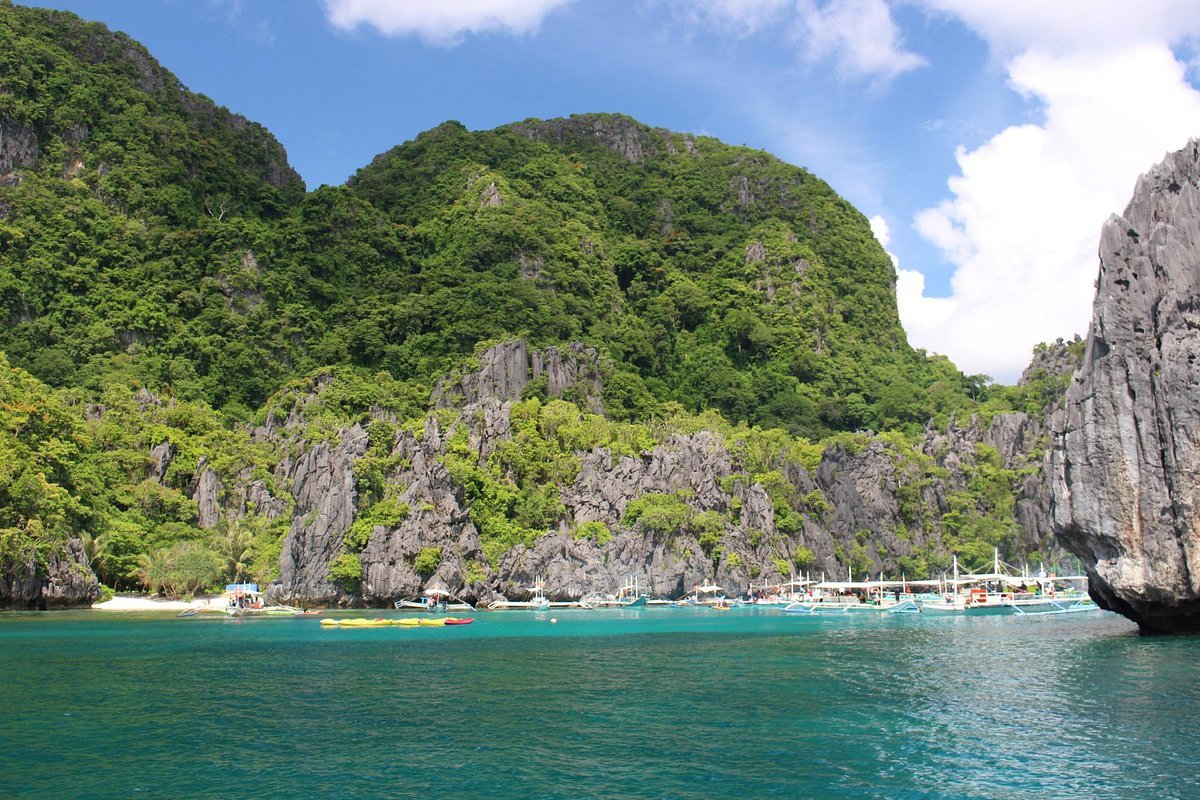
The strongest Philippine voyages are really two holidays in one hull of a plan: a cruise chapter for the famous ports and floating-resort comfort, then a land chapter where the banca takes over — hidden lagoons, sandbar picnics, the swim-off-the-boat lunch that no ship can serve. Land first or land after, the seam is the same and it is our specialty: pre-cruise hotel by the terminal, embarkation transfer, the sailing, then disembarkation straight into island days with everything already booked.
Our desk builds these combinations weekly — cruise loops stitched to Palawan or Cebu chapters, expedition sailings followed by beach finales, and every transfer between handled by one named specialist. Send your dates, party and the split you imagine between ship and shore; the plan returns with the sailing, the stays and the seam all confirmed. Enquiries are free, and the archipelago, as usual, does the rest.
Last word from the desk: whichever route you sail, keep the first morning at sea for the rail, not the buffet. The archipelago reveals itself one island at a time — and that slow parade is the reason you booked.
07.Five Cruise Mistakes Worth Skipping
The desk’s list, earned from many sailings. Flying in on embarkation day — the classic; the sea forgives nothing, and neither do terminals. Over-booking shore days — two marquee tours per port is a sprint; one is a holiday. Skipping the pre-cruise night — the baywalk dinner beats the terminal bench by every measure. Buying everything pier-side — the licensed excursion sold out at booking is cheaper than the pier flyer sold at regret. Under-packing the small kit — motion remedies, reef-safe sunscreen, the plug adapters; ship shops price like small islands.
And the fifth, quietly the biggest: treating sea days as dead days. They are the format’s luxury — the reading, the decks, the nothing done magnificently — and travellers who schedule them properly leave rested rather than exhausted. Skip the five mistakes and the cruise does what cruises do best: disappear into the background of a very good holiday.
- Never fly in on embarkation day — the first rule of the sea.
- One marquee tour per port — holidays, not sprints.
- Sea days are the luxury — schedule them like ports.
08.The Desk’s Cruise FAQ, Answered Once
The questions arrive weekly, so here they are with their standing answers. “Will I get seasick?” — modern stabilisers and short island hops keep it mild; remedies before boarding and mid-ship cabins answer the rest. “Is there enough to do at sea?” — the decks, the spa, the long lunch; the question usually retires by day two. “Can the ship cater our diets?” — yes, when flags travel at booking; the main dining handles vegetarian and Jain requests with institutional competence. “What about children?” — clubs, pools and crews; the format was practically invented for them.
“Do we see enough of the Philippines?” — the ports are the postcards; the land chapters add the intimacy; the combination is the complete answer. “When should we book?” — two to three months for peak seasons, earlier for celebrations. And the unasked question the desk answers anyway: “Why book the wrap with you?” — because the seams between ship and shore are where cruises fray, and seams are our craft. Ask yours; the replies are faster than the tender queue.
- Seasickness answers itself — stabilisers, short hops, remedies early.
- Diets sail fine — flags travel at booking.
- Ports plus land — the complete-seeing answer.
09.Frequently Asked Questions
Honest answers to the questions travellers ask our desk most often about cruising in the Philippines.
Is the Philippines a good cruise destination?
One of Asia's best. Famous islands sit a night's sailing apart, waters stay warm year-round, and the floating-hotel format removes the archipelago's logistics entirely. Add shore days at Boracay, Coron and Bohol and you collect the country's highlights without ever repacking a bag.
Which cruise route should first-timers choose?
The highlights loop from Manila or Cebu — out and back with calls at Boracay, Coron and a Visayas island. It keeps sea days short, delivers the postcard ports, and suits mixed-age groups. Short two-to-three-night breaks are the gentlest introduction for uncertain cruisers.
What should I book in advance for a Philippine cruise?
The cabin for your travel month (early booking wins the good categories), speciality dining and spa slots once aboard, and the marquee shore excursions — Coron's lagoon boats and Bohol's hills vans fill fast. Confirm fare inclusions in writing and arrange suitable insurance.
When is the best season to cruise the Philippines?
December to May brings calm seas, blue skies and the fullest calendars — book early. June to November trades some calm for quieter decks, softer fares and greener islands. Both work; the choice is postcard weather versus elbow room.
Can a cruise be combined with a land holiday?
Yes, and it is the winning format: a cruise chapter for famous ports, then land days where banca boats reach the hidden lagoons ships cannot. Our desk stitches both chapters — pre-cruise hotel, embarkation transfer, sailing, disembarkation into island days — under one plan and one contact.
What are the most common cruise mistakes to avoid?
Flying in on embarkation day, over-booking shore days, skipping the pre-cruise night, buying tours pier-side, and under-packing the small kit. The quiet fifth: treating sea days as dead days — they are the format's luxury, and scheduling them properly is the difference between rested and exhausted.
How many shore excursions should I book per port?
One marquee tour per port, chosen before sailing, plus the free pier-town hour. Two headline tours in a day turns wonder into a sprint. Book the signature calls early — Coron's lagoon boats and Bohol's vans fill with the ship's passengers — and keep the return margin comfortable.
Will I get seasick on a Philippine cruise?
Rarely and mildly — modern stabilisers and short island hops keep motion gentle. Take remedies before boarding rather than after, choose mid-ship cabins if sensitive, and let the morning-crossing rhythm do its part. Confidence, the desk finds, is half the cure, and day two usually provides it.
Can cruise kitchens handle vegetarian and Jain diets?
Yes with institutional competence when the flags travel at booking rather than at the table. State dietary needs while the package is arranged; main dining and speciality venues both respond, and the desk confirms the arrangements in writing before you board.
Ready when you are: every enquiry is free and without obligation. Tell us your travel month and group size — a real travel specialist (not a bot) replies within 24 hours, or WhatsApp us for a same-day answer.