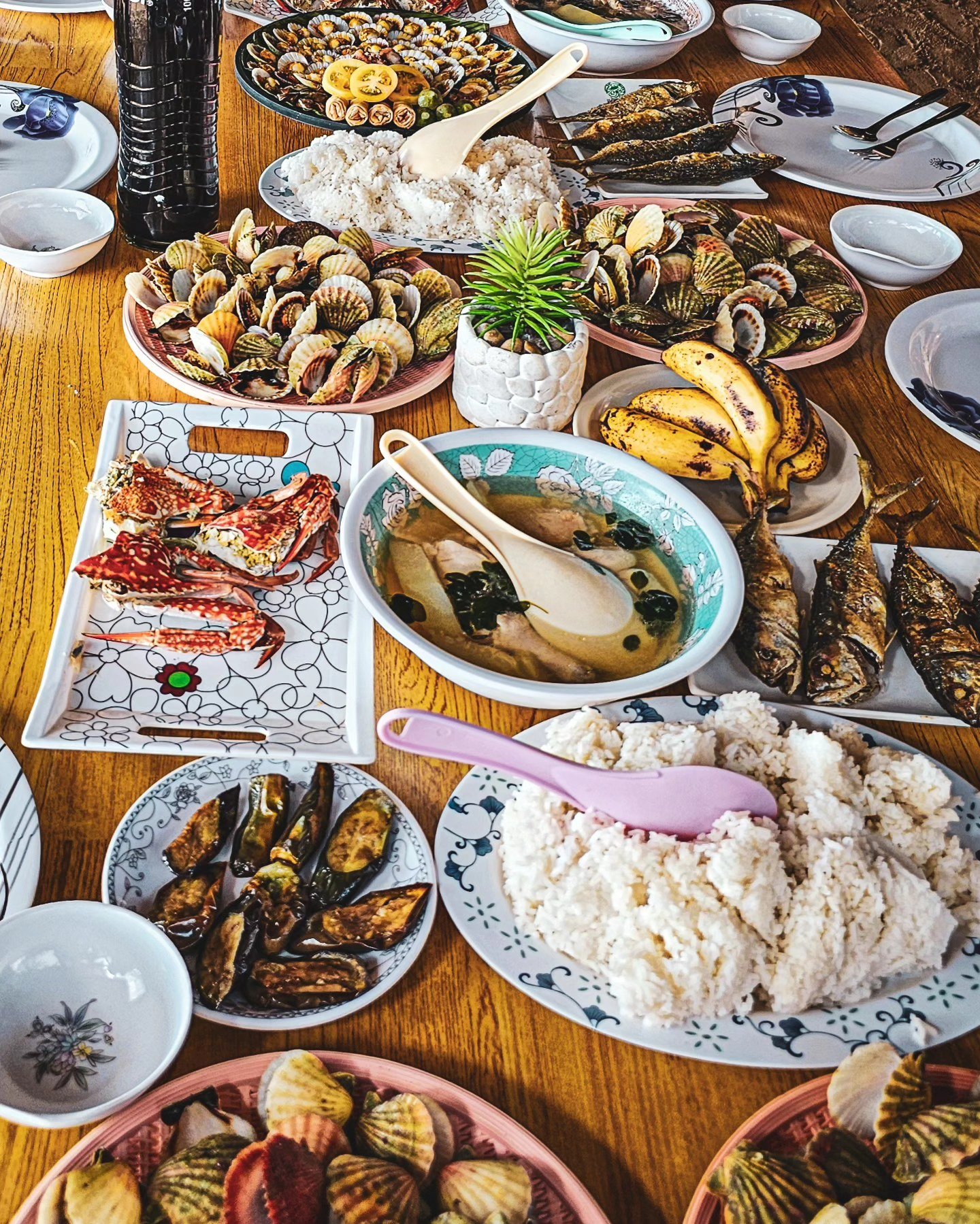
Island hopping Philippines style is the activity the country was invented for — a boat, a chain of islands, and a day measured in swims. This guide is the definitive version: what hopping looks like on each famous island, how the boats and timings work, when to join a group and when to charter private, and how our desk chains hopping days into itineraries that feel like adventures instead of schedules. Read it once; hop forever.
01.The Format: What a Hopping Day Is
A hopping day is a boat, a route and a rhythm. The boat — a banca outrigger with canopy, crew and ladder — collects you mid-morning. The route chains three to five stops: lagoons, snorkel reefs, sandbars, beaches, lunch either aboard or ashore. The rhythm is the country’s own: swim, sail, repeat, with the long cruise home timed to golden hour. Days run six to eight hours; nobody has ever accused one of being too short.
Routes on the famous islands carry letter names — the A-B-C tradition — each a curated circuit of that island’s stars. The letters are local shorthand for a truth travellers discover daily: the hopping here is not one activity but a library of them, each route a different book. Two or three routes across a week, chosen well, cover the library’s best shelves.
- The boat — canopy, crew, ladder, ladder-to-water swimming.
- The route — three to five stops, lettered by circuit.
- The rhythm — swim, sail, repeat; home by golden hour.
02.The Classic Routes, Island by Island
El Nido: the lagoon circuits — Big and Small Lagoons by kayak, Secret Beach through its limestone door, Shimizu’s snorkels, Nacpan’s long sand as the land-based coda. Coron: the lakes-and-reefs circuit — Kayangan’s mirror water, Twin Lagoon’s hidden entrance, Siete Pecados’ fish, the hot-springs sunset. Bohol/Panglao: dolphin sunrise, Balicasag’s turtles, the Virgin-island sandbars. Cebu south: the sardine run, Pescador’s walls, turtle bays. Boracay: the easy circuit — Puka’s powder, cove snorkels, the paraw finale.
Each island’s routes reward a full day each; none rewards rushing. The desk’s standard counsel: pick per island the one or two routes that match your tribe — lagoon-lovers, snorkellers, sandbar-collectors — and let the rest of the week belong to land. Hopping is seasoning, not the whole meal; even the most water-loving travellers need a hammock day between boats.
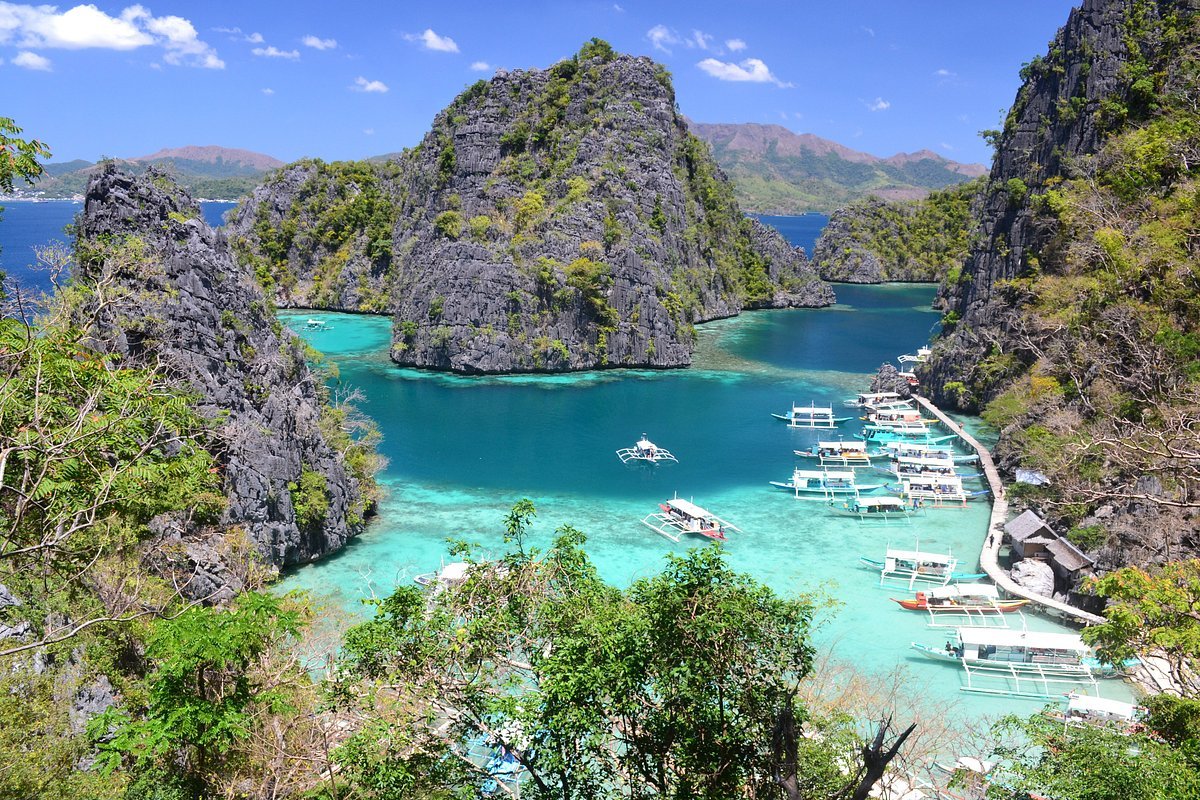
Route pairing tip: alternate the famous circuit with the quiet one. El Nido's letters run busier than Coron's outer coves — the desk sequences them so crowds and calm trade places.
03.Joiner Boats vs Private Charters
Joiner days — shared boats, rotating shipmates — price friendly, socialise easily and run fixed routes on fixed clocks. They are the classic traveller’s introduction, and honestly good fun: strangers become companions by the second lagoon. Private charters bend everything to you: earlier starts that beat the crowds to the mirror lake, longer lingers at the stops that steal hearts, skipped stops that do not, and lunch timed to hunger rather than schedule.
The desk’s standing advice: one of each per week. A joiner day early — for the social spark and crew tips; a private day for the one that matters — the proposal sandbar, the anniversary lagoon, the photographer’s golden morning. Families with small children default private throughout; the freedom to cut a day short is worth more than the saving. Groups from four travellers up often find private pricing closer than expected — ask for both quotes.
04.Timing, Tides and the Perfect Day
Hopping days obey two clocks. The sun’s: seas lie flattest and light kindest before noon, crowds wake late — early boats win all three. The tide’s: sandbars surface, lagoon entrances deepen and shallows clarify on tidal schedules; the same stop is two different places at two different hours. Good operators — and good desks — read both clocks and sequence stops so you arrive at each one right.
Weather gets a vote too: wind reroutes afternoons, squalls pause schedules, and the rescheduling promise is the fine print that matters. Book hopping days through operators who name their boats, brief their safety, cap their groups and honour weather calls — the pier flyer discounts everything except its reliability. Our desk sequences hopping days into wider itineraries with rest days between, so day three arrives as fresh as day one.
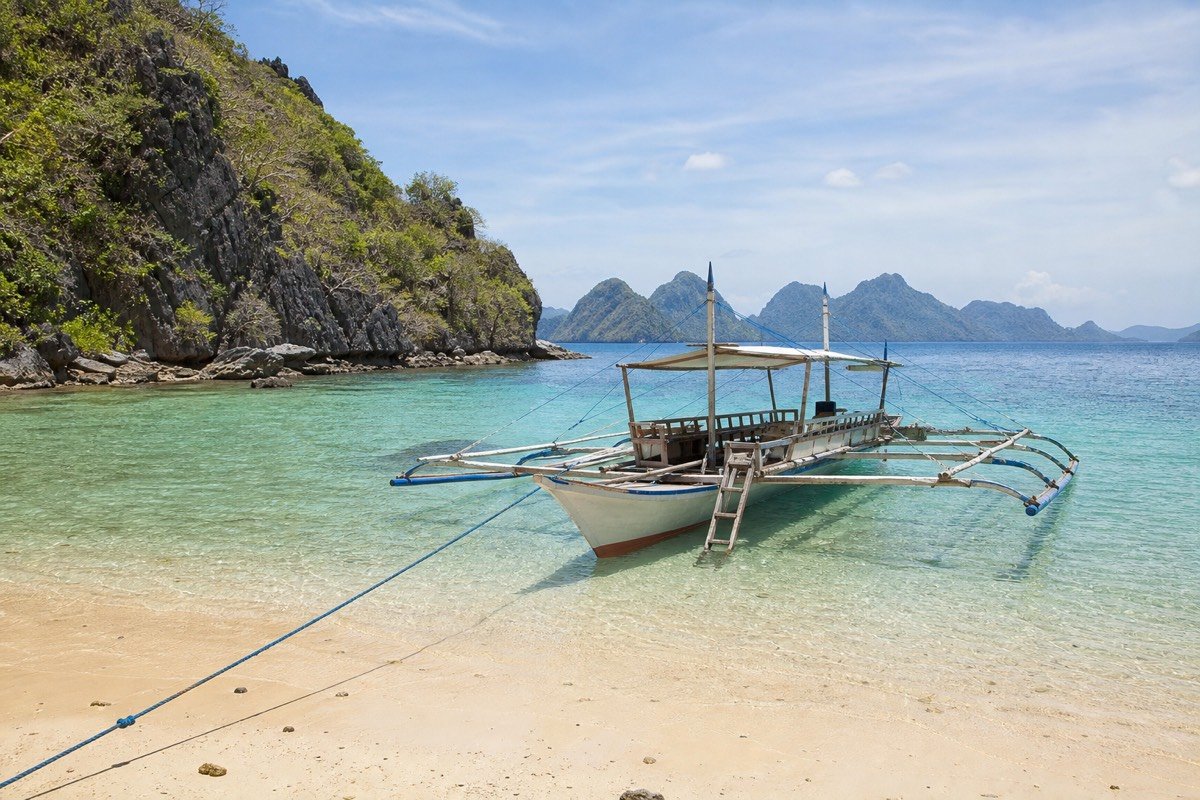
Golden-hour confession: the best stop of many hopping days is the unbooked one — the cove the crew loves, the drift the boat finds on the way home. Trust crews who name fish; they know where the day hides its best.
05.What to Bring Hopping
The hop kit is short: dry bag for phones and documents, reef-safe sunscreen reapplied after every swim, strap sandals for limestone entries, refillable water, motion remedy taken early, small notes for island kiosks and crew kindness, and a cover-up for the sailing hours. Snorkel gear rides aboard on guided days — confirm beforehand — though personal masks earn their space for daily snorkellers, because fit is personal and fog is forever.
Leave ashore: hard suitcases, drones without permits (several lagoons are no-fly), single-use plastic (carry-in carry-out rules run strict, and good crews enforce them harder), and expectations of WiFi — the sandbar is offline, gloriously. Pack the kit the night before; hopping mornings move early and beautifully.
06.Chaining Hopping Days Into Itineraries
Hopping days chain into itineraries by one principle: alternate water and land. Boat day, beach day, boat day — the pattern keeps muscles fresh, cameras charged and wonder un-numbed. Within a week: two hopping days per island base maximum, one private among them, and the finale island chosen for its sunset rather than its schedule. Longer trips alternate bases — Palawan’s lagoons, then the Visayas’ wildlife — so each hopping chapter tastes different.
Our desk builds hopping-first itineraries as a core craft: routes matched to tribes, tides read, boats owned, operators named, rest days defended. Send your islands, dates and water appetite; the plan returns with the circuits that fit your days and the white space that keeps them wonderful. Enquiries are free — the boats, as always, are fuelled.
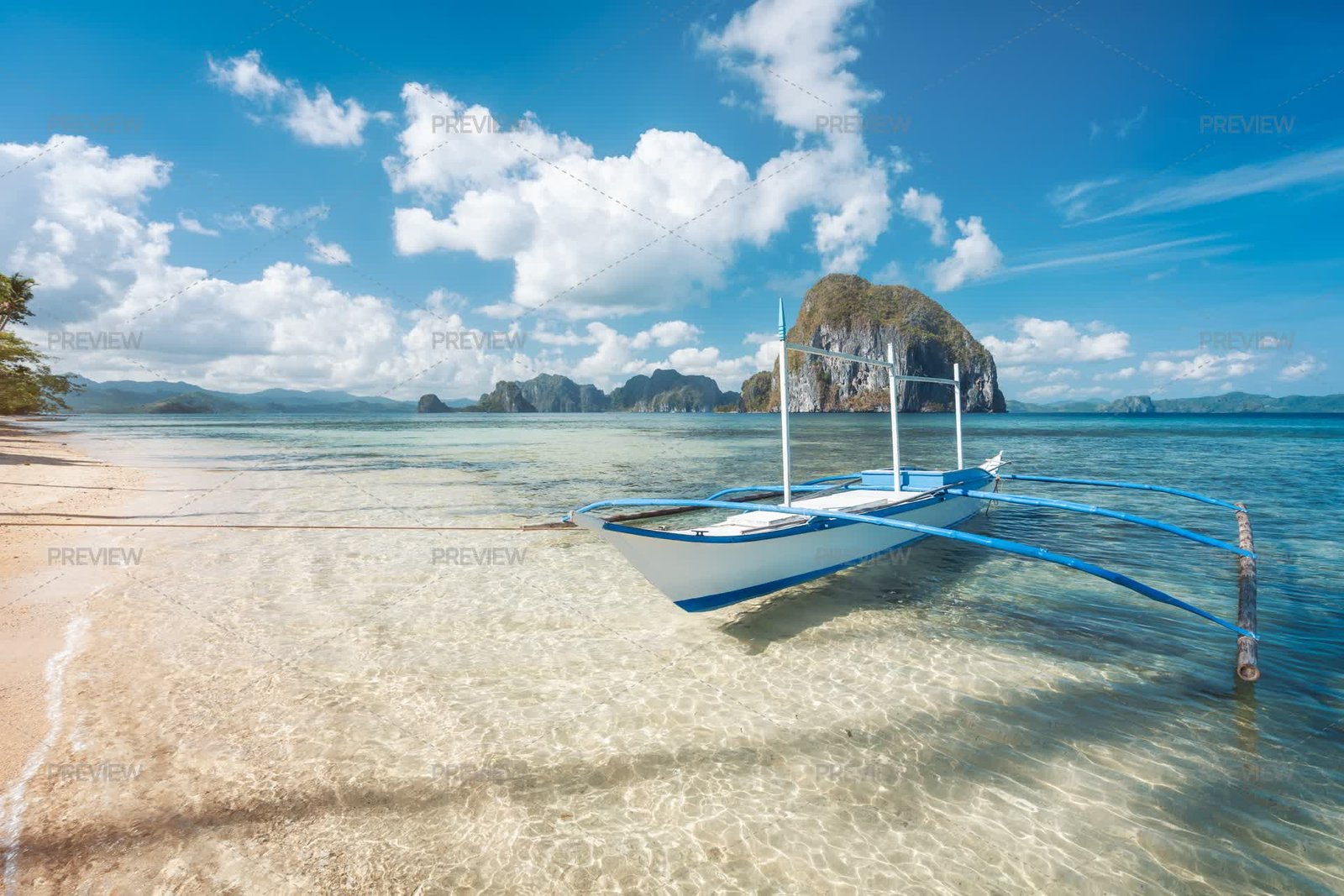
Last splash: every seasoned hopper says the same thing — the day you remember is the one where the schedule lost to the lagoon. Build plans that allow losing, occasionally and gloriously, to the water.
07.Island Hopping With Children and Elders
Hopping days welcome every age when built for it. For children: shade claimed first, vests fitted before boarding, swim stops chosen in calm shallows, and the crew introduced early — kids who know the crew’s names spend the crossings learning fish instead of asking when. Snorkel introductions start at the hotel pool; by boat day, the mask is a friend. For elders: ladder-entry boats, seats with backrests, crossings under an hour, and stops boarded from beaches rather than deep-water swims — the itinerary reads the knees and plans accordingly.
For mixed ages together: the private charter earns its premium — the day bends to the slowest swimmer and the earliest tiredness without consulting strangers. Lunch stops become the family table; the golden-hour return becomes the day’s quiet summit. Our family hopping days run as standing formats — shaded, sized, paced — and the debriefs repeat their own refrain: the boat day was the trip. Built right, it always is.
- Crew introductions first — kids who know names learn fish.
- Ladder entries, short crossings — the elders' edition.
- Private for mixed ages — the day bends to the slowest swimmer.
08.Hopping Questions, Answered at Speed
The rapid round from the pier. “Can non-swimmers join?” — yes; vests, shallow stops, ladder entries and crews who guide gently make it work, and many first-timers learn to snorkel here. “Are the boats safe?” — licensed crews, vests under every bench, weather calls respected instantly; the culture’s maritime conservatism is the safety feature. “Which route first?” — the island’s gentle circuit before the marquee; skills and confidence stack by design. “Private or joiner for one day only?” — private; the single day deserves your own clock.
“What if I get seasick?” — the earlier section’s kit works; crews add ginger tea and stories. “Are the lagoons cold?” — bathwater-warm; the shiver you feel is excitement. “Can we book the boat for a proposal?” — the desk’s favourite booking; tell the crew and watch professionals rehearse. “Last question — worth waking at six?” — the mirror lagoons answer this themselves, at seven, to nobody. Ask the rest at the desk’s number; the replies sail back the same day.
- Non-swimmers welcome — vests, shallows, gentle crews.
- Maritime conservatism — the safety feature you cannot buy.
- Six a.m. answered by seven — by the lagoon itself.
09.Frequently Asked Questions
Honest answers to the questions travellers ask our desk most often about island-hopping days across the Philippines.
What does an island-hopping day in the Philippines include?
A banca outrigger with canopy and crew, a routed chain of three to five stops — lagoons, snorkel reefs, sandbars, beaches — lunch aboard or ashore, and the golden-hour cruise home. Guided days add licensed guides, gear and safety briefings; days run six to eight hours.
Which islands have the best hopping routes?
El Nido for the famous lagoon circuits, Coron for lakes and reefs, Bohol-Panglao for dolphin sunrises and turtle bays, southern Cebu for the sardine run, Boracay for easy circuits and paraw finales. Each rewards a full day; pick per island the one or two routes that match your tribe.
Joiner boat or private charter for island hopping?
One of each per week: a joiner day early for the social spark, a private charter for the day that matters — proposals, anniversaries, photography. Families default private for the freedom to cut days short. Groups of four or more often find private pricing closer than expected; ask for both quotes.
How do tides and timing affect island hopping?
Massively. Seas lie flattest and light kindest before noon, and sandbars, lagoon entrances and shallows transform on tidal schedules — the same stop is two places at two hours. Good operators read both clocks; early starts beat crowds; and the rescheduling promise is the fine print that matters.
How many hopping days should an itinerary include?
Two per island base maximum, alternating water and land days so wonder stays fresh — boat day, beach day, repeat. One private day among them, and the finale island chosen for sunset rather than schedule. Our desk chains hopping days into wider itineraries with rest days defended.
Is island hopping suitable for young children and grandparents?
When built for it, absolutely — shaded boats, vests fitted early, ladder entries, short crossings and calm-shallow stops. Mixed ages do best on private charters where the day bends to the slowest swimmer and earliest tiredness. The desk runs family hopping as a standing format; it is usually the trip's headline.
How do we introduce nervous swimmers to snorkelling on boat days?
Start at the hotel pool — mask fitted, breathing practised, the snorkel a friend before the sea. On the boat, choose calm-shallow stops, stay within arm's reach, and let the crew's patience do its famous work. By the second stop, most nervous swimmers are pointing at fish before anyone else.
Can non-swimmers enjoy island hopping in the Philippines?
Yes — life vests worn throughout, stops chosen in calm shallows, ladder entries, and crews who guide gently. Many travellers learn to snorkel here from nothing; the water is warm, the fish are patient, and the confidence arrives faster than anyone expects. Say so at booking; the day is built for it.
Ready when you are: every enquiry is free and without obligation. Tell us your travel month and group size — a real travel specialist (not a bot) replies within 24 hours, or WhatsApp us for a same-day answer.