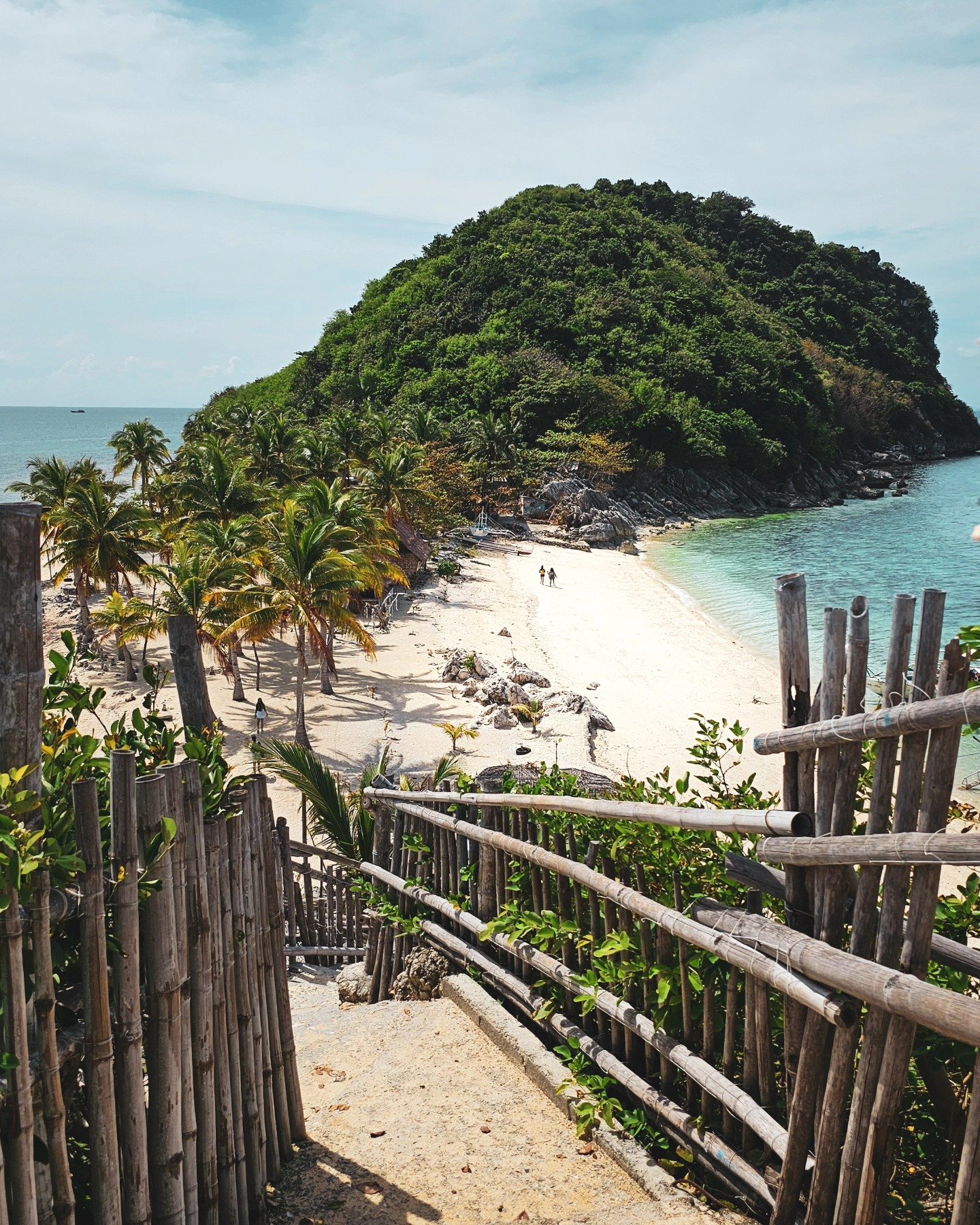
Every great Philippine memory seems to have a bow wave in it. The boat trip Philippines style — a day aboard a wooden banca outrigger, hopping islands, snorkelling reefs and eating grilled fish off the stern — is the country’s signature experience, and doing it well is a small art. This guide covers the boats themselves, the classic day-trip shapes, how joiner and private trips differ, what to bring, and the little choices that separate a good day on the water from one you will retell for years.
01.Meet the Banca: The Philippines’ National Vehicle
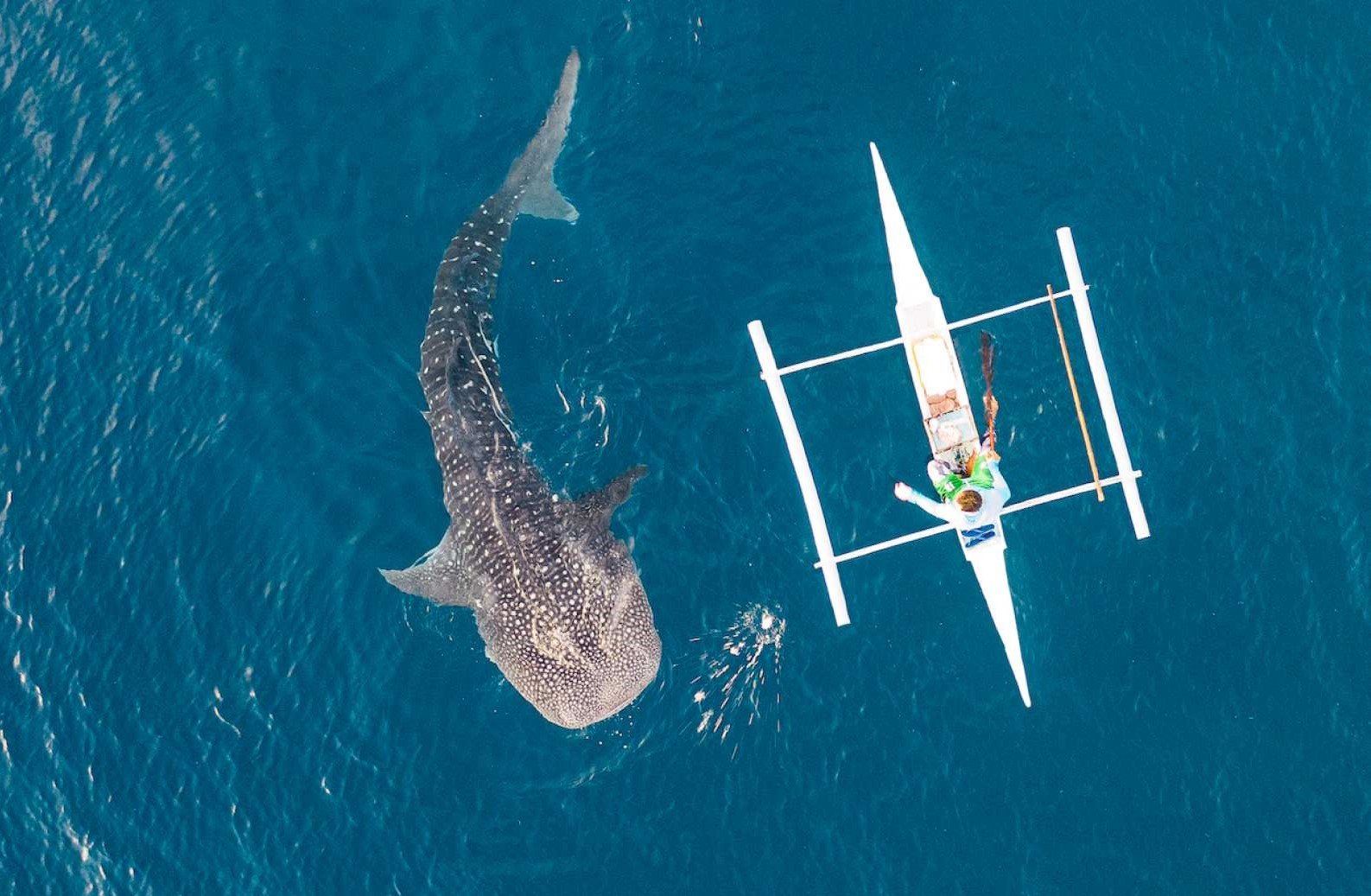
The banca — an outrigger canoe with bamboo spars balance-arming both sides — evolved for exactly these seas: shallow entries onto beaches, stability in chop, and the ability to park anywhere a sandbar invites. Modern versions add canopies, cushioned benches, ladders for swim entries and space for gear boxes. Small bancas carry couples and families; bigger pump boats host full island-hopping groups with crew, guide and galley.
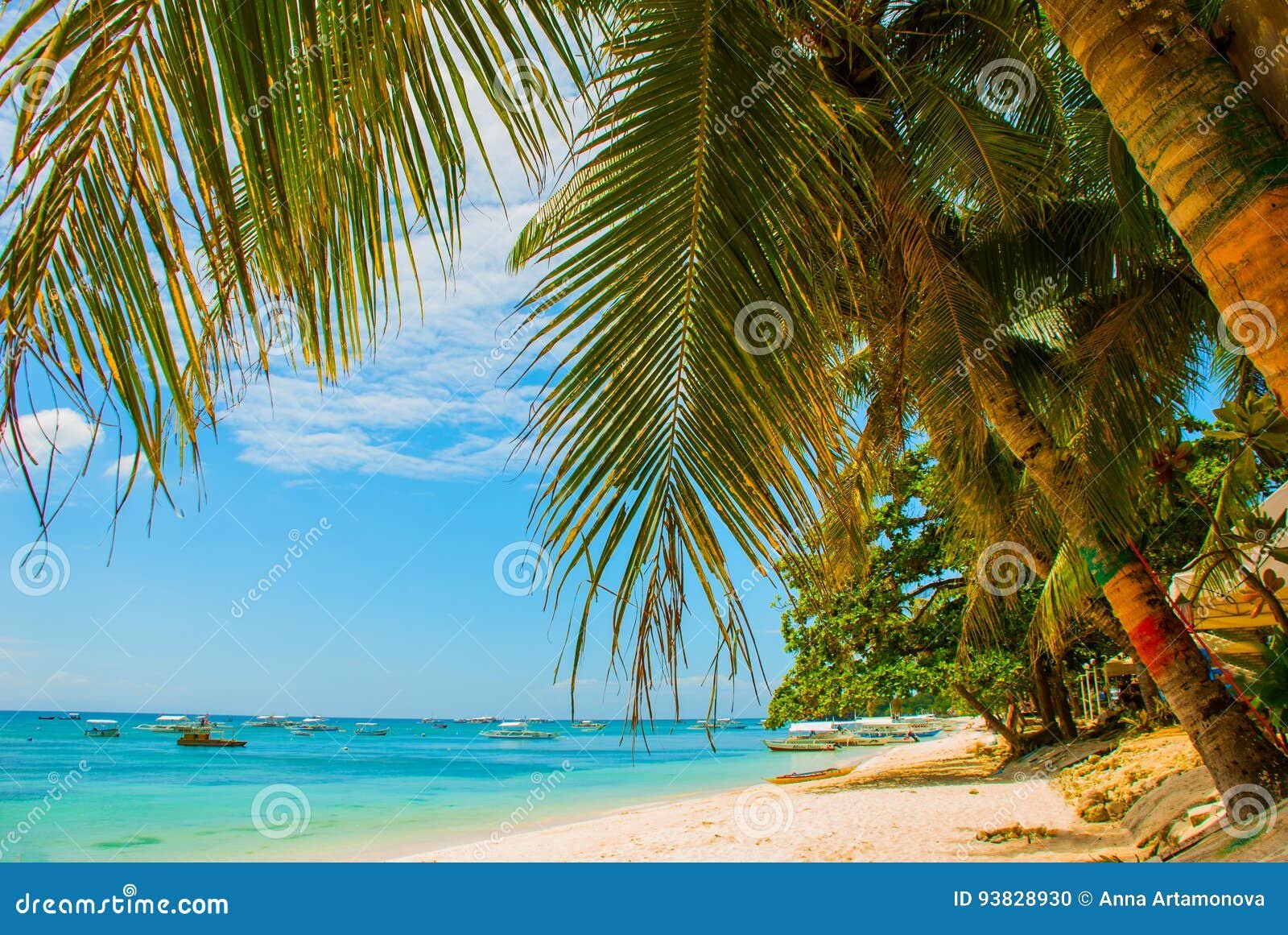
Two details make bancas special. First, they beach — no jetties needed, so the boat simply noses onto sand and you step into ankle water, which is why every island in the itinerary is reachable. Second, they belong: most are family-owned, named after daughters and saints, maintained with visible pride. Riding one is not transport trivia; it is the country’s culture at sea level, and the crews are its storytellers.
- Small banca — couples and families, beach landings, nimble hops.
- Pump boat — group days with canopy, crew and lunch aboard.
- Fast craft — the longer crossings between island groups.
02.The Three Shapes of a Boat Day
The island-hop is the classic: three to five stops — a lagoon, a sandbar, two snorkel reefs and a beach lunch — leaving mid-morning and returning by golden hour. The safari chases one thing: whale sharks, dolphins, or the sardine run, with the boat repositioning as the wildlife moves. The sunset cruise is short and sweet: an hour or two of slow sailing with drinks as the sky performs. A great trip mixes all three across a week — one big hop day, one wildlife safari, and at least one unhurried cruise to end it.
Timing rules hold across all shapes: launch by mid-morning when the sea is flattest, swim stops before lunch when the sun is high but kind, and the long cruise home as the light turns. Boats run calmer, crews run happier, and photographs run better. Build at least one land day between big boat days so every crossing feels like an event rather than a commute.
Lunch note: the best meals of many Philippine trips happen on boats — grilled catch, green mango with salt, rice wrapped in banana leaf. Choose trips where lunch is included and cooked, not catered.
03.Joiner Boats vs Private Charters
Joiner trips — shared boats with a rotating cast of travellers — are the budget-friendly classic, and honestly good fun: strangers become shipmates by the second snorkel stop, and crews perform for full decks. The trade-offs are fixed schedules, busier stops and timing that serves the majority. Private charters set your own route and rhythm: linger where you love, skip where you do not, eat when hungry, and swim with only your crew’s wake in view.
Our usual advice: one of each. Take a joiner day early in the trip for the social spark and local tips, then go private for the day that matters most — the proposal sandbar, the family anniversary, the photographer’s golden-hour obsession. Hybrids exist too: private boats that join shared lagoon tours where permits cap entries, combining exclusivity where it counts with access where it is required.
04.Safety, Comfort and the Seasick Question
Boat safety here is visible if you know where to look: life vests under every bench, licensed crews, weather calls respected without argument, and boats that head home when clouds gather — the culture’s deepest maritime rule is that no beach is worth a bad crossing. Do your part: wear the vest on open crossings, keep gear bags dry-bagged, and trust the captain’s reschedules; a postponed lagoon is a promise, not a loss.
For seasickness, the banca is friendlier than its reputation: outriggers steady the roll remarkably, and morning calms do the rest. Sit mid-boat near the rear where motion is smallest, keep eyes on the horizon, skip heavy breakfasts before open crossings, and take your remedy before boarding, not after the wobblies arrive. Crews carry ginger tea and stories of worse passengers — both help.
Sun strategy matters more than most travellers expect: the sea reflects what the sky delivers. Reef-safe sunscreen reapplied after every swim, a cover-up for open crossings, and the shade canopy claimed early — tropical sun writes its memories on skin that forgot.
05.What to Bring Aboard
Pack the boat bag like a pro: dry bag for phones and cameras, reef-safe sunscreen, refillable water, motion-sickness remedy, electrolyte sachets, a light cover-up, strap sandals, and a small cash stash for island kiosks and crew gratuities. Snorkel gear is usually included on guided trips — confirm beforehand — but your own mask earns its luggage space if you snorkel daily, because fit is personal and fog is universal.
Leave ashore: hard suitcases (soft bags stack better), drones without permits (some lagoons are no-fly), and single-use plastic — many islands enforce strict carry-in carry-out rules, and good crews enforce them harder. If your trip includes a beach barbecue stop, bring appetite and humility: crews love teaching guests to grill, and the fish you cooked yourself always tastes like the best one of the trip.
06.Booking Boat Days That Deliver
The difference between a good boat day and a great one is almost always who built it. Well-connected desks book boats with licensed guides aboard (not just crews), name the exact islands and permits, cap group sizes, include gear and proper lunch, and hold free rescheduling for weather. Pier-side improvisation can work, but it gambles your best day on whoever has a free boat and a flyer.
Our itineraries name every boat day’s route, boat type and crew, and sequence them around tides, swells and crowds — lagoons early, sandbars at the right tide, sunset cruises on the calmest evening. Send us your wishlist (the lagoon, the sardines, the sandbar proposal) and we will build the days that deliver them, private or joiner, with everything confirmed before you fly. The sea has done its part for a very long time; the planning is ours, and the asking is free.
Final word from a thousand boat days: the water delivers the scenery, but the crew delivers the day. Choose trips where the crew eats with you, laughs with you, and names the fish. Those are the days that live in your camera roll forever.
07.Three Boat-Day Recipes Worth Stealing
Recipe one: the mirror morning. Private banca, earliest slot, one lagoon system, no schedule beyond the tide — swim it twice, kayak it once, eat the crew’s grilled catch on a beach with no name on the map. Two stops, four hours, the day’s best photographs before lunch. Recipe two: the safari sampler. Joiner boat on the wildlife route — sardines, turtles, the resident eagle pair — with a guide who narrates like a documentary and a deck lunch that outperforms restaurants. Recipe three: the golden-hour cruise. The short one: an hour before sunset, drinks aboard, the coastline doing its nightly performance from the water side.
Steal all three across a week — one of each — and you have sampled every register the country’s waters play. The recipes share one ingredient list: early starts, reef-safe sunscreen, a crew that names fish, and the good sense to put the camera down when the swimming is best. The desk books all three as standing formats; the sea, as usual, provides the menu.
- Mirror morning — one lagoon, twice swum, no schedule.
- Safari sampler — wildlife, narration, deck lunch.
- Golden-hour cruise — the coastline's nightly show, from the sea.
08.The Boat-Day Camera Craft
Boat days photograph differently, and a few habits capture them well. The morning mirror: the day’s best water shots happen before ten, when the sea lies glassy and the light comes sideways; schedule the camera like the swim. The outrigger frame: the boat itself is the country’s best foreground — bamboo spars, painted hulls, crews at work; shoot it often, it never repeats. The under-over: half-in-half-out water shots need a dome or a steady hand and reward both; the snorkel stops provide the practice. The crew portrait: ask first, always — and the answer, usually a grin, makes the frame.
The put-it-down rule: the best moment of every boat day — the jump, the drift, the lunch — deserves eyes first, lens second; memory holds what storage cannot. The golden-hour return shoots itself; be on deck, not below. And the gear note: the dry bag rides open on deck, phones in cases, one cloth for the salt. Follow these and the album returns the day intact — with the best frames, as always, being the ones no camera attended.
- Morning mirror — water shots before ten.
- Ask first — crew portraits begin with a grin.
- Eyes first, lens second — memory holds the rest.
09.Frequently Asked Questions
Honest answers to the questions travellers ask our desk most often about boat trips and island-hopping days in the Philippines.
What is a banca boat and is it safe?
It is the traditional outrigger canoe whose bamboo spars keep it stable in chop — the country's signature vessel, from small family boats to big group pump boats. With licensed crews, life vests aboard and weather calls respected, banca days are very safe; the culture's rule is that no beach is worth a bad crossing.
Joiner tour or private charter — which should I book?
Take one of each on a week's trip: a joiner day early for the social fun and local tips, then a private charter for the day that matters most — proposals, anniversaries, photography. Private sets your route and rhythm; joiners deliver camaraderie at friendlier prices.
I get seasick — can I still enjoy a Philippine boat trip?
Usually yes. Outriggers are steadier than they look, seas are calmest in the mornings, and mid-boat seating near the rear minimises motion. Take your remedy before boarding, keep eyes on the horizon, skip heavy breakfasts before open crossings, and let the crew's ginger tea do the rest.
What should I bring on an island-hopping day?
A dry bag for electronics, reef-safe sunscreen, refillable water, motion-sickness remedy, electrolytes, a cover-up, strap sandals and small cash for island kiosks. Snorkel gear is included on guided trips; bring your own mask if you snorkel daily and care about fit.
How do I make sure my boat day is well organised?
Book through a desk that names the route, boat type and licensed guide, caps group sizes, includes gear and a cooked lunch, and offers free rescheduling for weather. Pier-side improvisation gambles your best day; a confirmed charter with a named crew never does.
What is the ideal mix of boat days in one week?
One of each recipe: a private mirror-morning lagoon day, a joiner wildlife safari, and a golden-hour cruise to close. Three water days per week, spaced with land days, samples every register these waters play without exhausting anyone — including the camera battery.
Are morning boat departures really that important?
Yes — seas lie flattest, light is kindest and the marquee stops belong to early boats. The mirror-morning recipe exists entirely on that principle. Afternoon waters suit the short golden-hour cruise, not the crossings; schedule accordingly and every photograph improves.
How do I get the best photos on an island-hopping day?
Shoot the morning mirror before ten, frame the outrigger often — it never repeats — practise under-over shots at the snorkel stops, ask before crew portraits, and claim the golden-hour return from the deck. Then apply the put-it-down rule: the best frames belong to eyes first, lens second.
Ready when you are: every enquiry is free and without obligation. Tell us your travel month and group size — a real travel specialist (not a bot) replies within 24 hours, or WhatsApp us for a same-day answer.