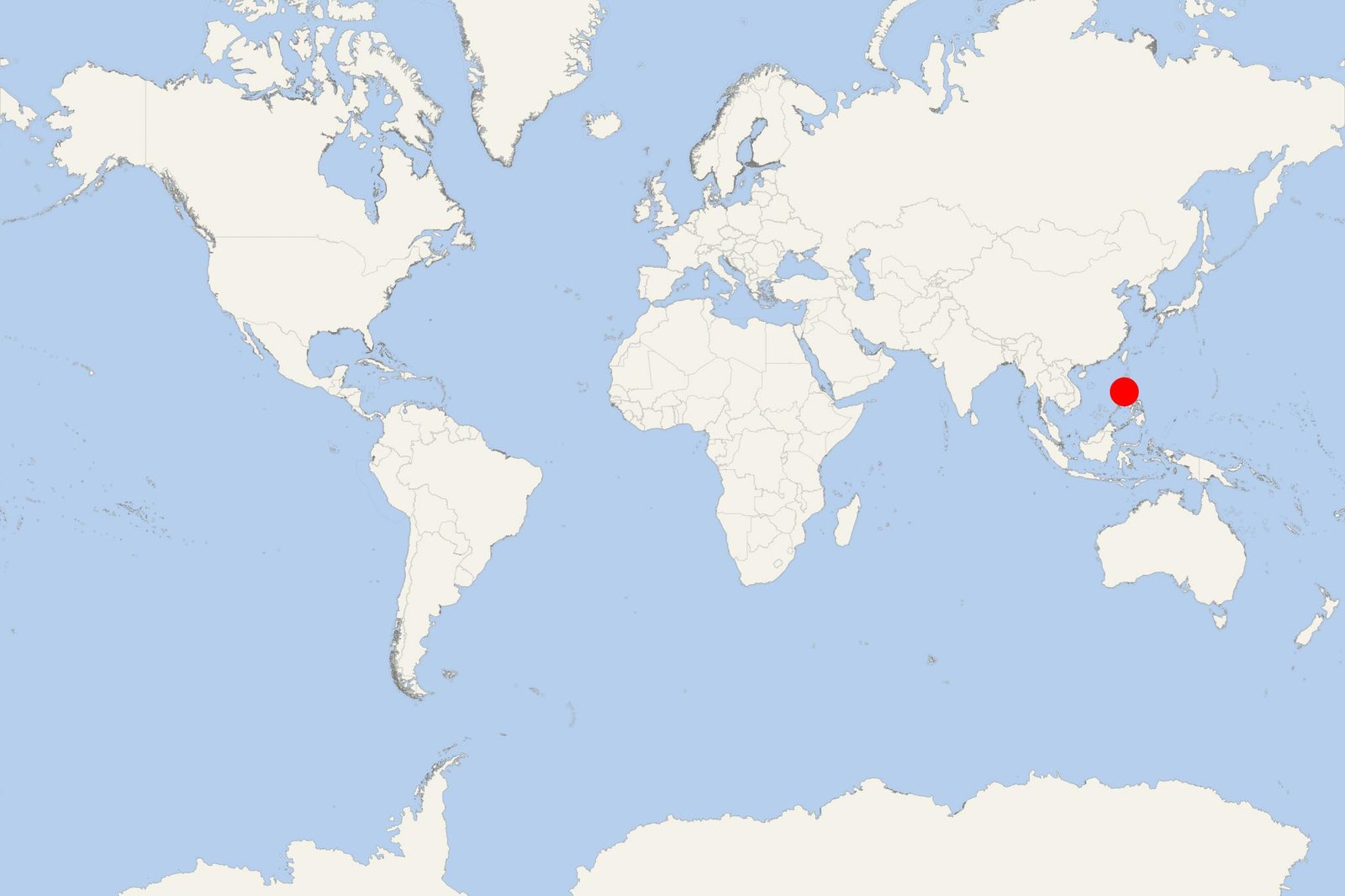
To cruise in Philippines waters is to let the archipelago come to you: one cabin, one unpacking, and a procession of famous islands arriving at your gangway each morning. Domestic cruising threads Boracay’s beach, Coron’s lagoons and Bohol’s hills into a single voyage — the country’s highlights served shipboard style. This guide covers the domestic routes, what shore days actually look like, and an honest comparison with the traditional outrigger hop, so you can choose your sea with open eyes.
01.Domestic Routes: The Highlights by Sea
Domestic cruise loops are built around the country’s marquee islands, and the sensible ones share a spine. A typical itinerary sails from Manila or Cebu, calls at Boracay for its four-kilometre White Beach, threads north to Coron for lakes and limestone, sometimes reaches Puerto Princesa for the underground river, and often includes a Visayas call — Bohol’s hills or Cebu’s heritage. Sea days between ports are short, which keeps the rhythm sightseeing-forward rather than open-water heavy.
The appeal is efficiency with comfort: no ferry timetables, no repacking, no pier queues — the ship handles the archipelago’s famous logistics while you hold a pool deck chair. Routes rotate with the seasons, and the best cabins on the most scenic legs sell first. Our desk tracks the current domestic calendars and matches a sailing to your month, then builds the land chapters around the embarkation port so the whole trip reads like one story.
- Boracay call — beach day on the famous powder.
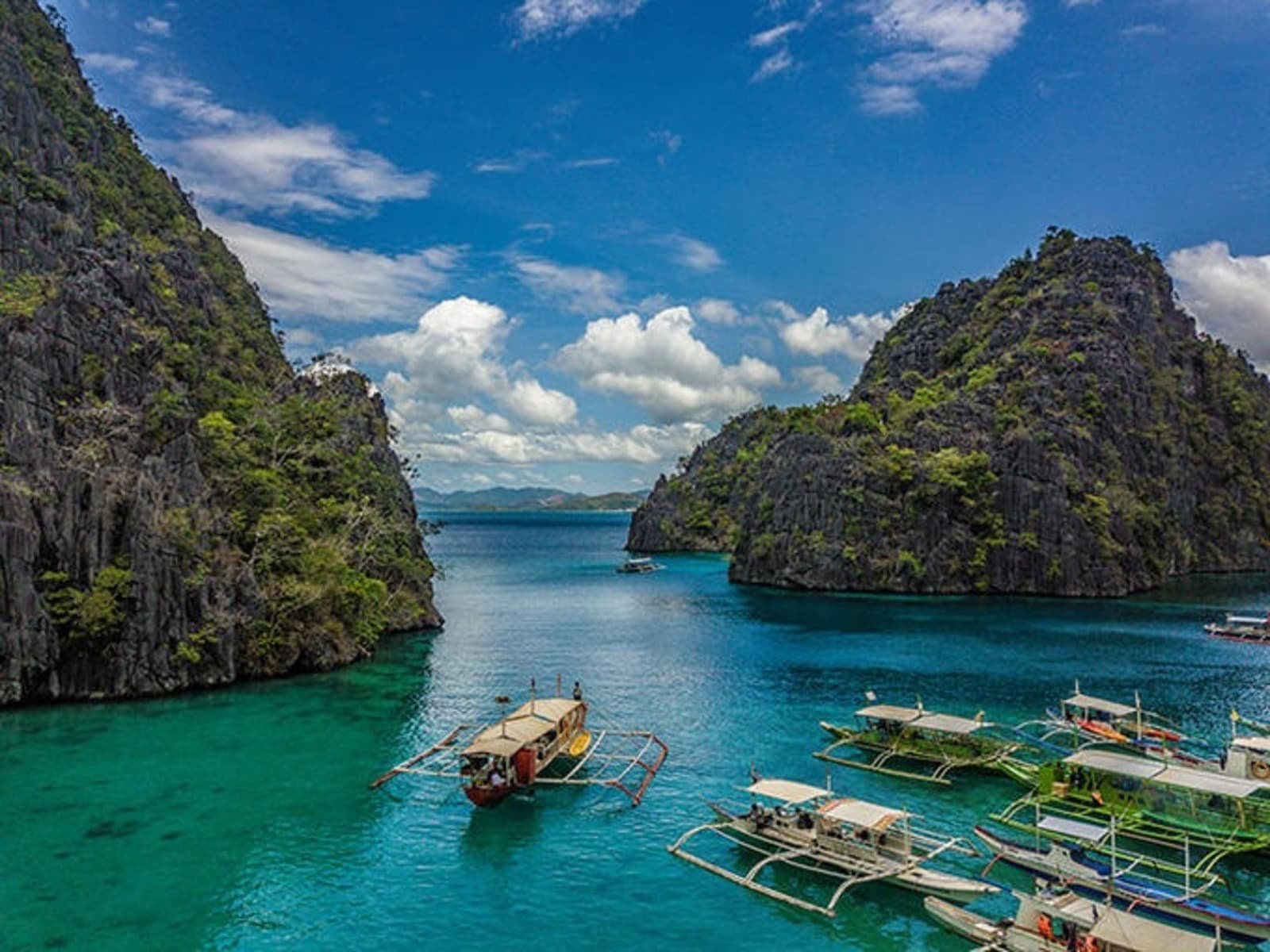
- Coron call — lagoons and lakes by excursion boat.
- Bohol or Cebu call — hills, tarsiers or heritage streets.
02.Shore Days: What Actually Happens in Port
A shore day splits into three acts. The excursion — booked ahead or aboard — carries the headline: the lagoon tour in Coron, the hills loop in Bohol, the beach club day in Boracay. Ships anchor sometimes and dock sometimes; tender boats ferry you ashore when the lagoon demands it. The free hour belongs to the pier town: markets, mango shakes, the church or plaza that every Philippine town keeps beautiful. The sail-away closes it, ideally from the top deck with the island shrinking into gold.
Choose excursions by energy, not by list length. One marquee tour per port beats two rushed ones; the lagoon deserves your morning, not your sprint. Book the signature calls in advance — Coron’s lagoon boats and Bohol’s hill vans fill with the ship’s whole population otherwise. Our desk pre-arranges the big three and leaves you one port deliberately unscripted, because the best pier-town discoveries are never on excursion lists.
Timing tip: be back a full hour before all-aboard, not with the last tender. The calm traveller eats a proper lunch; the sprinting one remembers the pier differently.
03.Shipboard Days: Pools, Shows and Sea Air
Between ports, the ship becomes the resort: pools and sun decks by day, shows and lounges by night, and food as the permanent background channel. Sea days are where cruising earns its fans — the rare pleasure of travelling without arriving, of reading a novel while the ocean does the scenery. Spas, gyms and kids’ clubs keep every age busy; quiet corners exist for everyone else, usually on the higher aft decks where the wake writes its long white line.
Book the extras early: speciality restaurants, spa slots and the popular shows run out fast. Pack for three climates — sunny decks, cold air-conditioning and formal-ish dinners — and bring motion-sickness remedies even if you never need them, because confidence is half the cure. Cabin choice matters less than newcomers fear: you will live on the decks, though a balcony earns devotion on the scenic approaches between islands.
04.Cruise vs Banca: The Honest Comparison
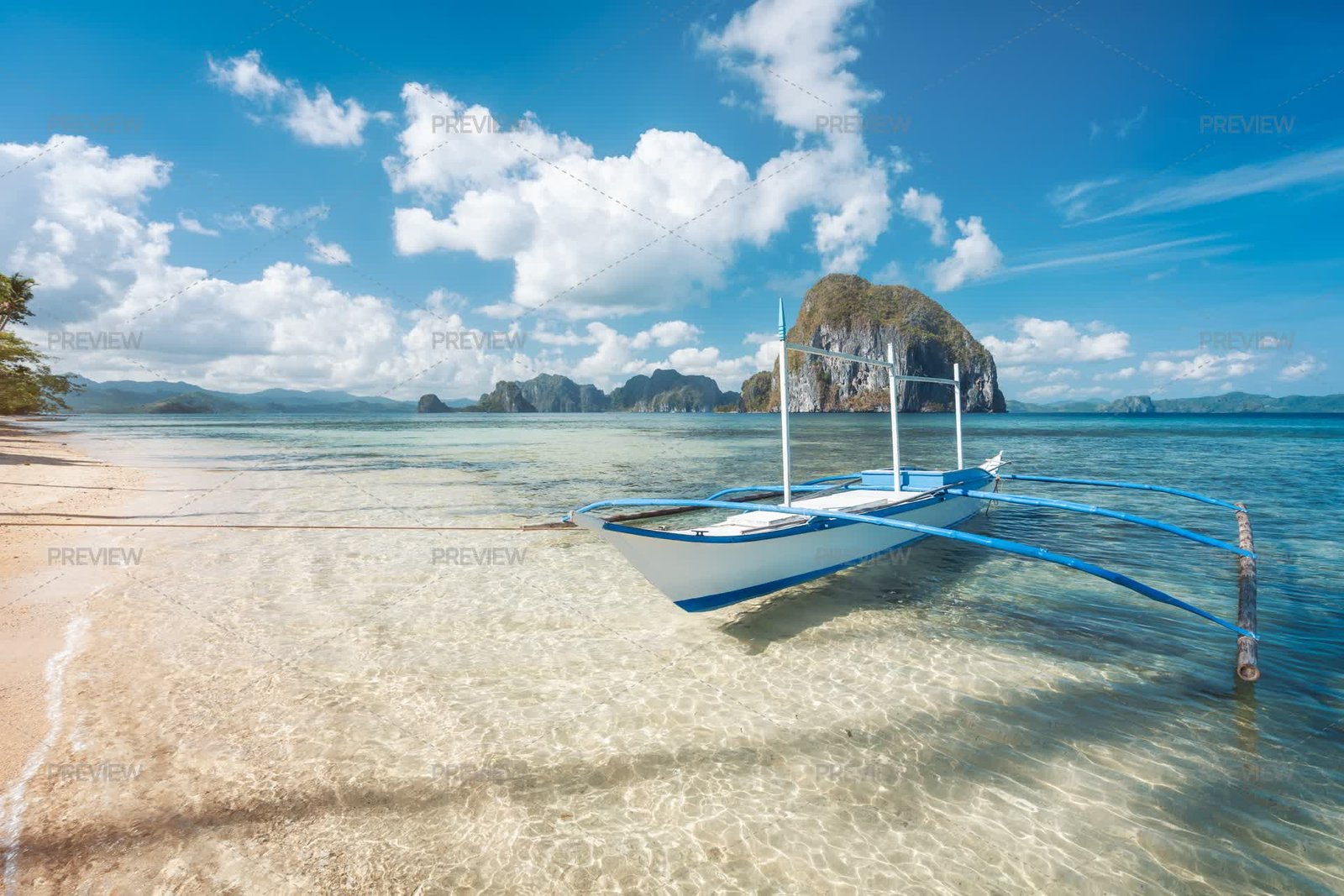
The cruise wins on comfort and scale: one unpacking, floating resort amenities, multi-generation ease, and ports delivered without a single ferry timetable. The banca wins on intimacy and access: beach landings on sand no ship can touch, lagoons entered through gaps only outriggers fit, crews who name every fish, and lunches grilled where they were caught. They are different instruments playing the same beautiful sea.
The strongest itineraries refuse the argument and use both: a cruise chapter for scale, banca days inside a land chapter for magic. Travellers who claim they must choose usually have not met the hybrid — cruise the loop, then add two nights ashore beside the lagoon the ship could only photograph. Ask our desk for that combination by name; it converts more first-time cruisers, and more first-time hoppers, than any single format we sell.
Costs compare more evenly than newcomers expect: a cruise bundles cabin, meals and entertainment, while land chapters bundle rooms, boats and guides. Compare total experiences, not day rates — the honest answer usually favours the mix.
05.Who Domestic Cruising Suits
Suits: multi-generation families who want one base with everyone’s happiness addressed; celebration travellers — anniversaries, retirements, reunions — who want service as part of the scenery; first-time Philippines visitors wanting a highlights loop without logistics; and anyone whose knees, or calendar, vote against repeated ferry hops. Mobility-limited travellers also cruise more comfortably than they island-hop, with accessible cabins and tender assistance standard.
Suits less: travellers chasing the intimate shallows — hidden beaches, sandbars at low tide, the swim-off-the-boat lunch — and anyone allergic to schedules printed on doors. If that is you, take the banca-based land chapters instead, or blend the two. The archipelago is generous enough to serve every style; the only wrong choice is choosing without knowing the trade, which this page has now handled.
06.Booking a Philippine Cruise the Smart Way
Book the loop by season and route first — cabin categories matter less than being on the right sailing for your month. Confirm inclusions in writing, arrange insurance that covers the voyage, pre-book the marquee shore excursions, and arrive at the homeport the night before sailing; the sea forgives many things but not late flights. Then let a specialist own the seams: pre-cruise hotel, embarkation transfer, the sailing, and the land chapter that follows.
Our desk builds exactly those packages — cruise plus land, transfers stitched, excursions pre-booked, and a named contact reachable from enquiry to homecoming. Send your month, party size and must-see islands, and the plan comes back with the sailing that fits and the shores that surround it. Enquiries are free; the horizon, as always, is included.
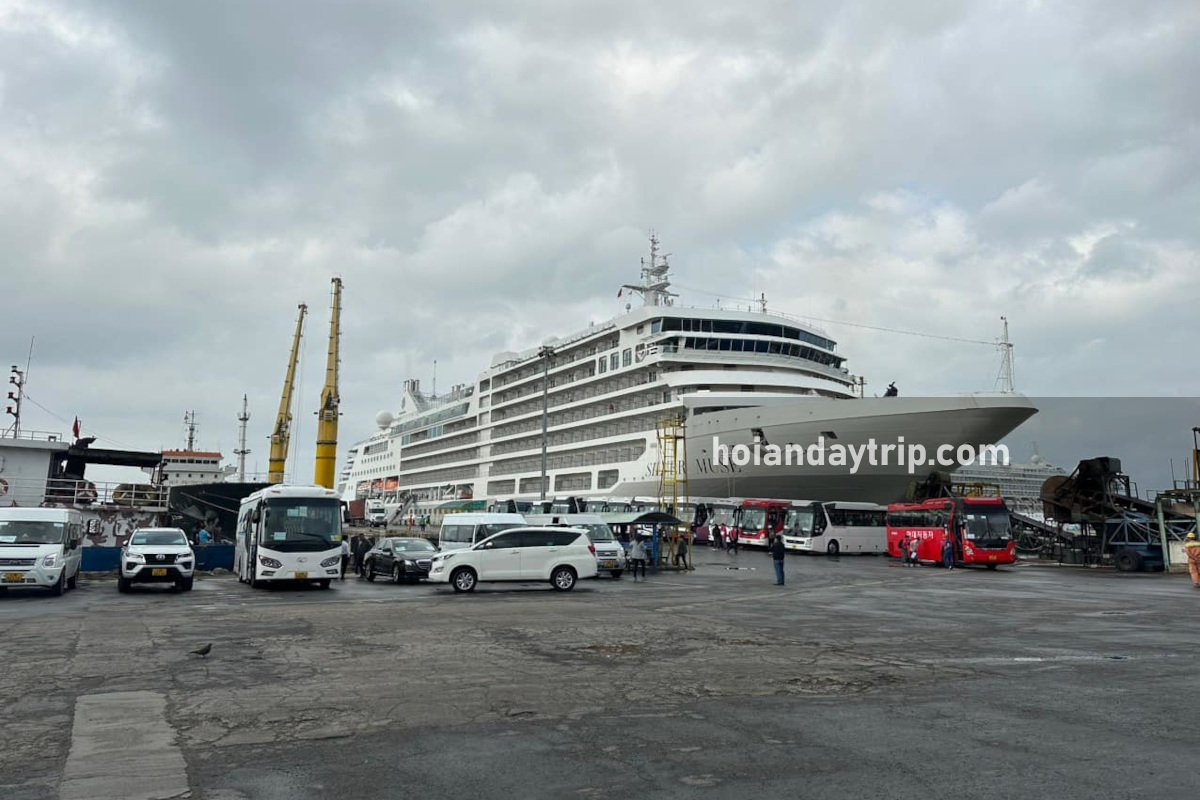
One ritual to keep: every sail-away from deck, not cabin. The band plays, the island slides astern, and the trip quietly becomes the story you will tell for years.
07.Pairing Ports With Your Energy
Domestic itineraries serve ports in sequences, and the desk’s craft is pairing them with your energy curve. After embarkation: the gentle port — a beach-club day, a pier-town wander — while sea legs settle. Mid-voyage, energy high: the marquee physical calls — Coron’s lagoon circuit, Bohol’s hills-and-rivers van day — take the mornings when legs are freshest. Late voyage: the celebratory ports — Boracay’s beach clubs, the sunset-sail calls — where the pace turns festive rather than athletic.
The same logic scales to groups: split mornings by appetite — the lagoon boat for some, the spa-and-shade track for others — and reunite at sail-away with competing stories. Ships serve mixed energy better than any land itinerary precisely because every port offers tiers. Our desk reads your party and your sailing’s port order, then writes the pairing plan — the shore-day sheet that makes the voyage feel curated rather than defaulted.
- Settle-then-summit — gentle ports first, marquee calls mid-voyage.
- Split mornings — lagoon boats and spa tracks from the same gangway.
- Festive finale — save the celebratory ports for the end.
08.Cruising With the Whole Family
Domestic cruises are family architecture at its calmest. The cabin maths: connecting rooms and family categories hold everyone without negotiation; book them early, they are the first to fill. The kids’ infrastructure: pools, clubs and the crew’s professional fondness — children aboard are entertained by institution, not improvisation. The elder ease: no ferries, no repacking, ports at the gangway — the multi-generation trip’s gentlest format, and the reason reunions sail.
The port strategy for families: one headline excursion per port chosen by the children’s stamina, the beach-club alternative for the tired morning, and the pool-ship days as the schedule’s ballast. The dining note: early sittings exist; request them at booking. The teen clause: the ship’s independence radius — decks, snacks, company — gives teenagers their first travel freedom within sight of safety, which parents rate higher than any excursion. Families who cruise once tend to make it the template; the format, built for every age at once, rarely needs a second draft.
- Book the connecting cabins early — first to fill, first to matter.
- Children by institution — entertained without improvisation.
- The teen radius — first freedom, within sight of safety.
09.Frequently Asked Questions
Honest answers to the questions travellers ask our desk most often about cruising within the Philippines.
What domestic cruise routes operate within the Philippines?
Loops typically sail from Manila or Cebu and call at famous islands — Boracay for beach days, Coron for lagoons, sometimes Puerto Princesa for the underground river, and Bohol or Cebu for hills and heritage. Sea days are short, so the rhythm stays sightseeing-forward. Routes rotate with the seasons.
What happens on shore days during the cruise?
Three acts: the pre-booked excursion (lagoon tour, hills loop or beach club), a free hour in the pier town for markets and mango shakes, and sail-away from the top deck. Book the signature excursions ahead — Coron's boats and Bohol's vans fill with the ship's passengers fast.
How does cruising compare with traditional island hopping?
Cruises win on comfort and scale — one unpacking, floating amenities, family ease. Bancas win on intimacy — beach landings, hidden lagoons, grilled-lunch days with the crew. The strongest trips use both: a cruise loop plus land days with outriggers beside the lagoons ships can only photograph.
Is domestic cruising suitable for older travellers?
Very — no ferry timetables, no repacking, accessible cabins and tender assistance standard. Ports arrive at the gangway, excursions range from gentle to adventurous, and sea days offer spas and shows. It is the most comfortable way to collect several famous islands in one holiday.
How far ahead should I book a Philippine cruise?
Two to three months for the best cabins on scenic sailings, and earlier for celebration trips. Book by route and season first, confirm inclusions in writing, pre-book marquee excursions, and arrive at the homeport the night before sailing — the one rule the sea never bends.
How should we divide our group at ports with different energies?
Split mornings by appetite — the lagoon boat for the energetic, the beach club or spa track for the rest — and reunite at sail-away. Ships serve mixed energy better than land itineraries because every port offers tiers; the desk writes the pairing sheet around your party's curve.
Which port days deserve the most energy budget?
The marquee physical calls — Coron's lagoon circuit, Bohol's hills day — scheduled mid-voyage when sea legs have settled and legs are freshest. Embarkation-adjacent ports suit gentle wandering, and the celebratory beach ports belong late, when the pace turns festive.
Is a domestic cruise the easiest format for multi-generation families?
Genuinely yes: connecting cabins hold everyone, pools and clubs entertain children by institution, elders skip ferries and repacking entirely, and ports arrive at the gangway. Add early sittings requested at booking and the teen independence radius, and the format serves every age at once.
How should families plan shore days on a cruise?
One headline excursion per port chosen by the children's stamina, the beach-club alternative for tired mornings, and ship days as ballast between. The desk pre-books the marquee calls so tender queues never decide the family's day — and the reunion at sail-away collects everyone's stories.
Ready when you are: every enquiry is free and without obligation. Tell us your travel month and group size — a real travel specialist (not a bot) replies within 24 hours, or WhatsApp us for a same-day answer.