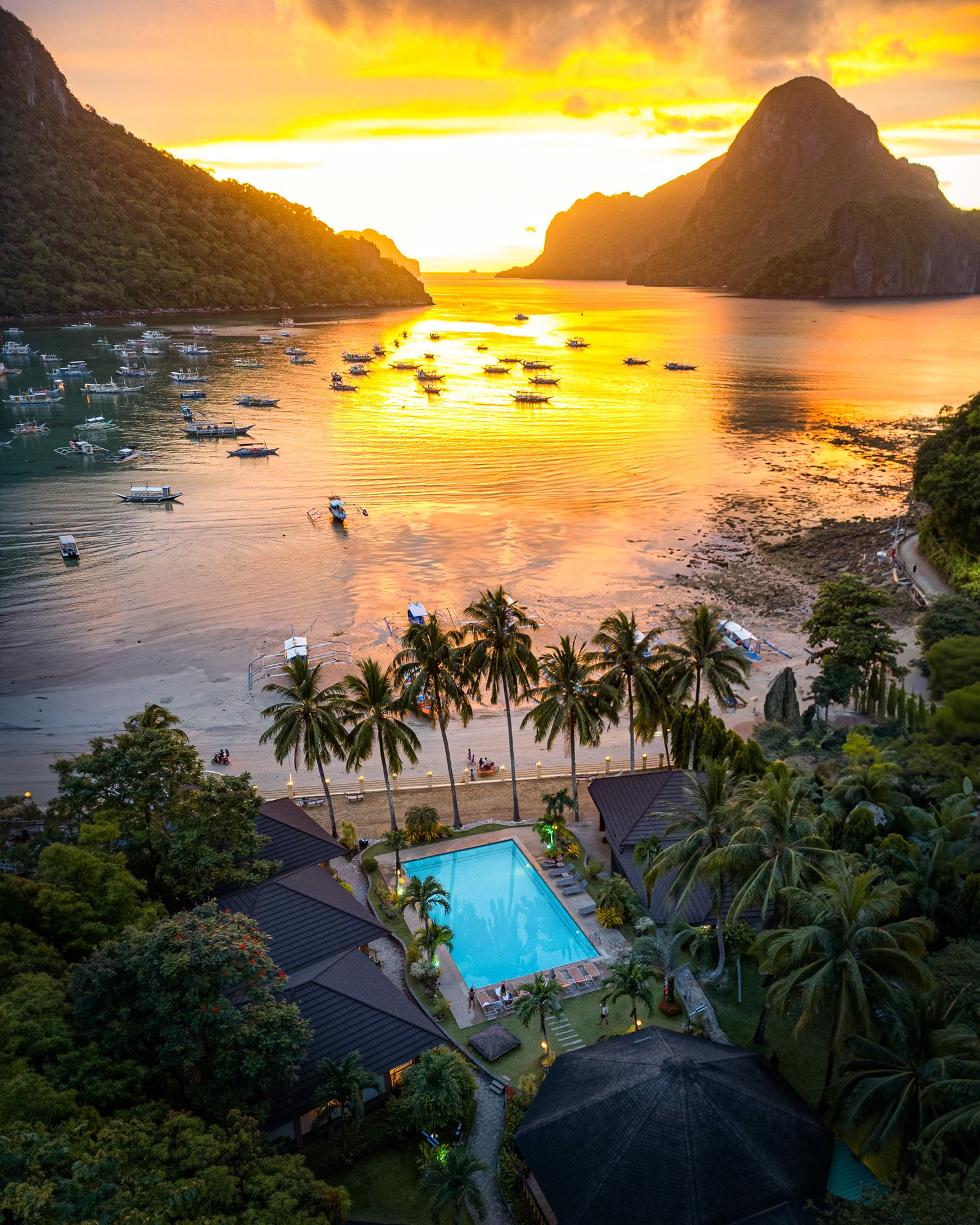
Starting your holiday at sea is a different pleasure entirely: board in Manila, unpack once, and wake to a new horizon every morning. Cruise from Philippines homeports has grown into a proper travel style — regional sailings to nearby countries, domestic loops between famous islands, and short sea breaks that suit every calendar. This guide explains the departures, the routes, life aboard, and how our desk stitches a cruise into the wider Philippine trip around it.
01.The Homeports: Where Ships Begin
Manila is the country’s cruise capital — its port sits minutes from the old walled city, so embarkation day can include a heritage walk and a proper lunch before you board. Regional and domestic operators sail from here on rotating schedules, and the port’s scale means bigger ships and more cabin choices. Cebu serves as the southern gateway: smaller, friendlier, and perfectly placed for Visayas loops that begin with scenery on day one rather than open sea.
Seasonal homeports appear too — ships reposition with the weather, so sailing calendars shift between the dry and greener months. The practical advice: choose your cruise first by route and season, then let the homeport shape the land plan around it. Our desk tracks which sailings operate from which ports in your travel window and builds the trip backwards from embarkation day — the single most useful trick in cruise-plus-land planning.
- Manila — the main homeport, heritage on the doorstep.
- Cebu — southern gateway for Visayas loops.
- Seasonal calls — calendars shift; check your month first.
02.The Routes: Regional Loops and Island Runs
Regional sailings from Manila typically thread neighbouring countries — short international hops with sea days bookending port calls, ideal for travellers who want several destinations from one cabin. Domestic loops are the romantic ones: ships threading between famous islands, so Boracay’s beach, Coron’s lagoons or Bohol’s countryside arrive as port calls with guided shore excursions. Short sea breaks — two or three nights — suit first-time cruisers testing the water, literally.
Each style has a character. Regional loops maximise countries; domestic loops maximise islands; short breaks maximise simplicity. Your choice depends on what the cruise should do inside the wider trip: be the holiday itself, or be the scenic bridge between two land chapters. Cruisers who treat the ship as floating resort plus island sampler tend to book the same style again — it is a format that converts sceptics at a remarkable rate.

Shore-excursion wisdom: pre-book the marquee calls (lagoon tours, hills tours) and keep one port unstructured for the pier-town wander. Balance, as at sea, is everything.
03.Life Aboard: What the Days Look Like
Cruise days run on a gentle metronome. Mornings bring ports or sea views; afternoons fill with pools, spas, shows and that universal ship sport, eating; evenings deliver entertainment and the pleasant exhaustion of doing pleasantly little. Cabins range from cosy interiors to balcony suites where the sunrise arrives uninvited but welcome. The rhythm suits multi-generation families especially — grandparents, parents and teenagers each find their lane without anyone navigating.
Practical notes smooth the experience. Pack a small embarkation-day bag — main luggage arrives at your cabin hours later. Book speciality dinners and spa slots early, since the good tables go fast. And use sea days for what ships do best: nothing, magnificently. Travellers who arrive having planned their port days with a specialist get double value — the ship handles the between, and the ports deliver the unforgettable.
04.Who Cruising From the Philippines Suits
Suits: multi-generation families (the ship is the ultimate shared base), travellers celebrating something who want service as part of the scenery, first-time cruisers wanting a gentle entry, and island-collectors who prefer waking up in a new port to packing a new hotel. It also suits long-haul visitors combining the Philippines with neighbours in one seamless holiday.
Suits less: travellers whose hearts are set on the lagoons-and-boats intimacy of island hopping — a banca day reaches places ships cannot, and vice versa. The honest answer is usually both: cruise for scale and comfort, banca for magic and shallows. Our itineraries routinely pair the two within one trip, and that pairing converts more self-described “non-cruisers” than any brochure ever has.

Budget note: cruise fares bundle cabin, meals and entertainment; drinks, speciality dining, shore excursions and gratuities ride outside. Compare total voyage cost, not headline fare — the honest maths lives in the details.
05.Combining the Cruise With Island Chapters
The classic shape: land first, cruise second, land again. Fly in, spend days among lagoons or hills, arrive at the homeport the night before sailing (never the same day — the sea forgives nothing), board, sail, return, then close with a beach chapter before the flight home. This shape uses the cruise as the trip’s relaxed middle, and it protects the sailing from flight delays on both ends.
Our desk builds these combinations end to end: pre-cruise hotels near the port, embarkation transfers, the sailing itself, and the post-cruise island finale with transfers timed to disembarkation. One enquiry covers the chain; one specialist owns it. The alternative — self-arranging hotels, cabs and cruise separately — works, but the seam where land meets sea is exactly where self-planned trips fray, and that seam is our specialty.
06.Booking Your Cruise From the Philippines
Book by route and season first, cabin second. Cabins matter less than newcomers expect — you will live on the decks — but a balcony earns its keep on scenic approaches, and mid-ship rooms ride calmest for sensitive stomachs. Confirm what the fare includes in writing, check passport validity for the countries on the loop, and arrange insurance that covers the sailing. Then hand the surrounding trip to a desk that speaks both languages: cruise terminals and island piers.
Send us your month, your party and whether the cruise is the destination or the bridge, and our specialists return the full plan — sailing options that fit your dates, the land chapters stitched around them, and every transfer between. Enquiries are free and obligation-free. The sea has been waiting a long time to be your hotel; the least it deserves is a well-planned doorstep.
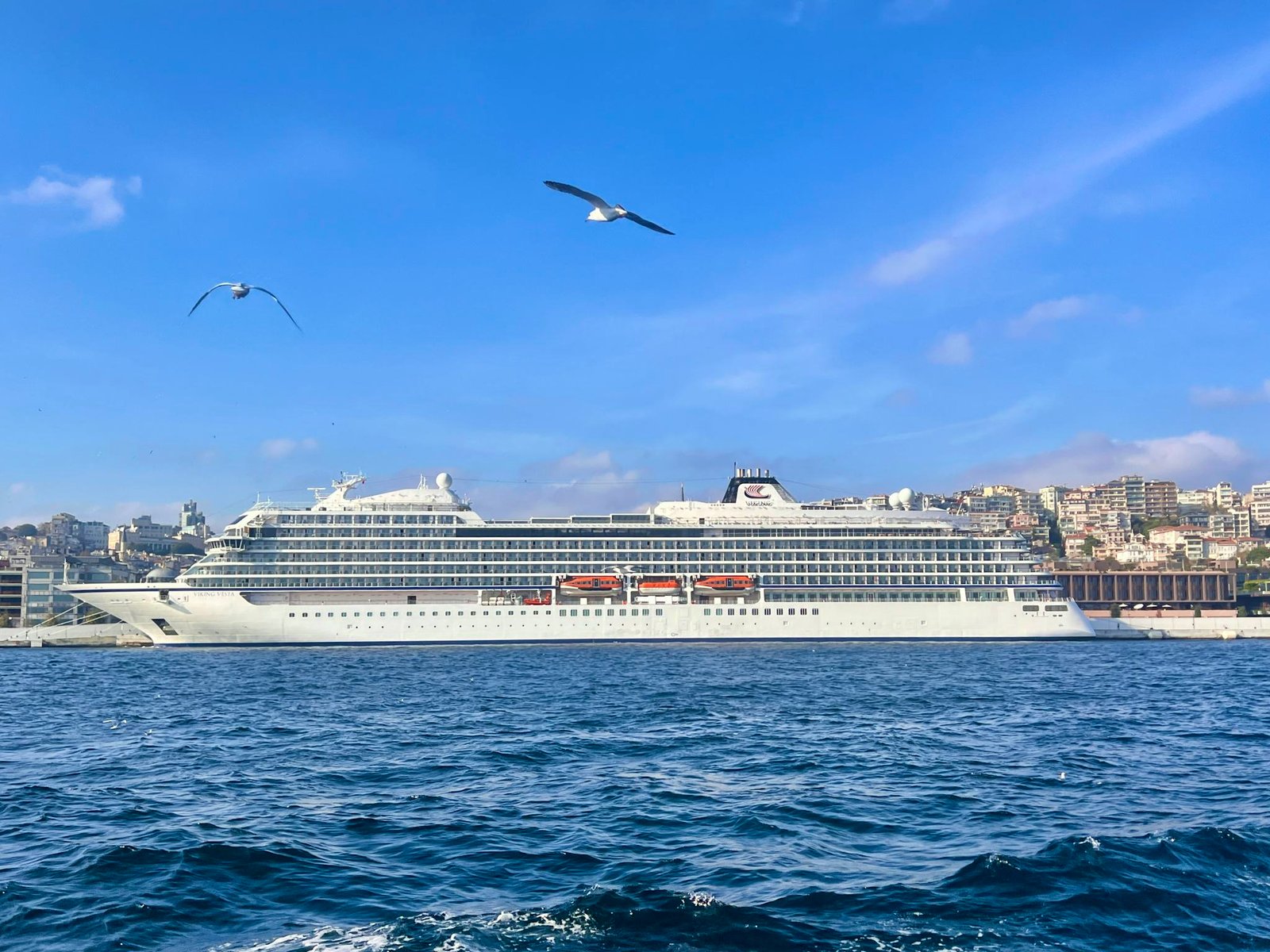
Whatever route you choose, keep one ritual: be on deck for sail-away. The harbour lights, the band on the lido, the city sliding astern — it is the moment the holiday truly leaves port, and it happens only once per sailing.
07.First-Cruise Notes From the Desk
Sailors are made, not born, and the first sailing goes smoother with a few desk notes. Board mid-afternoon, not at opening — the gangway queues thin by then and the cabin is ready. Book the speciality things on day one — dining slots, spa hours, the show everyone mentions — and leave the rest to the ship’s own rhythm. Pack the embarkation bag with swimmers, one dinner outfit and the documents; main luggage follows hours later. Choose the dining seating that matches your tribe — fixed tables for socialisers, flexible for the private.
Sea-day one is for orientation: walk the decks, find your quiet corner, learn the ship’s compass points — after that, it is yours. Port days start early and end at the pool. Motion remedies go in the carry-on, taken before the sea asks. And the final note, worth the whole page: book the pre-cruise night near the port. Every first-cruise disaster story begins at a terminal after a delayed flight; every good one begins with a baywalk dinner and a short taxi at sunrise.
- Board mid-afternoon — shorter queues, ready cabins.
- Book the extras on day one — the good tables go fast.
- Pre-cruise night — the note that prevents every disaster story.
08.The Cruise Budget’s Honest Shape
Cruise pricing reads clearest in layers. The fare layer: cabin, main dining, the shows — the headline number, comparable across sailings by route and month. The aboard layer: speciality dining, drinks packages, spa hours, the casino’s contributions — optional, additive, and easier to budget when capped by decision rather than momentum. The shore layer: excursions — ship-booked or desk-arranged — plus the pier-town spends. The quiet layer: gratuities, the travel tax, the pre-cruise night — small lines that behave if planned and surprise if not.
The comparison habit: compare total voyage costs, never headline fares — two sailings with one price apart can carry very different weeks inside them. The desk’s role is making the layers visible before booking: fare quoted, aboard options priced, shore days pre-arranged at local rates, quiet lines listed. Budgets behave when the layers are named; cruises are no exception, and the honest arithmetic is one enquiry away.
- Four layers — fare, aboard, shore, quiet.
- Compare totals, never headlines — the weeks differ inside.
- Cap the aboard layer — by decision, not momentum.
09.Frequently Asked Questions
Honest answers to the questions travellers ask our desk most often about cruises departing from the Philippines.
Which ports do cruises depart from in the Philippines?
Manila is the main homeport, with regional and domestic sailings on rotating schedules and the old city on its doorstep. Cebu serves as the southern gateway for Visayas loops. Seasonal homeports shift with the weather, so check sailings for your specific travel month first.
What routes can I take when cruising from the Philippines?
Three families: regional international loops to neighbouring countries, domestic loops turning famous islands into port calls, and short two-to-three-night sea breaks. Regional maximises countries, domestic maximises islands, short breaks suit first-time cruisers testing the water.
Is a cruise good for families and mixed-age groups?
Excellent — the ship is the ultimate shared base. Grandparents enjoy the decks and shows, parents the spa and dining, teenagers the pools and company, and everyone reunites at dinner. Cabins, meals and entertainment in one place remove the logistics that strain land-based group trips.
How do I combine a cruise with an island holiday?
Land first, cruise second, land again: arrive a night before embarkation, sail, then close with a beach chapter timed to disembarkation. Our desk arranges the entire chain — pre-cruise hotels, transfers, the sailing and the post-cruise finale — so the seam between land and sea never frays.
What is usually not included in a cruise fare?
Typically drinks beyond basics, speciality dining, shore excursions, spa services and gratuities. Compare total voyage cost rather than the headline fare, confirm inclusions in writing, and pre-book the marquee excursions — the popular lagoon and hills tours fill first.
What should first-time cruisers know before boarding from Manila?
Board mid-afternoon when queues thin, pack an embarkation day-bag with swimmers and documents, book speciality dining and shows on day one, and spend the first sea day learning the ship's geography. Above all, arrive the night before sailing — the sea forgives holidays, never late flights.
Which cabin category should a first cruise book?
Choose by budget without agonising — you will live on the decks. Interior cabins fund longer trips; mid-ship rooms ride calmest for sensitive stomachs; balconies earn their premium on scenic approaches between islands. The cabin is for sleeping; the ship is for living.
How should I budget a cruise from the Philippines?
In four layers: the fare (cabin, dining, shows), the aboard extras (speciality dining, drinks, spa — capped by decision), the shore layer (excursions plus pier-town spends), and the quiet layer of gratuities, travel tax and the pre-cruise night. Compare total voyage costs between sailings, never headline fares.
Ready when you are: every enquiry is free and without obligation. Tell us your travel month and group size — a real travel specialist (not a bot) replies within 24 hours, or WhatsApp us for a same-day answer.