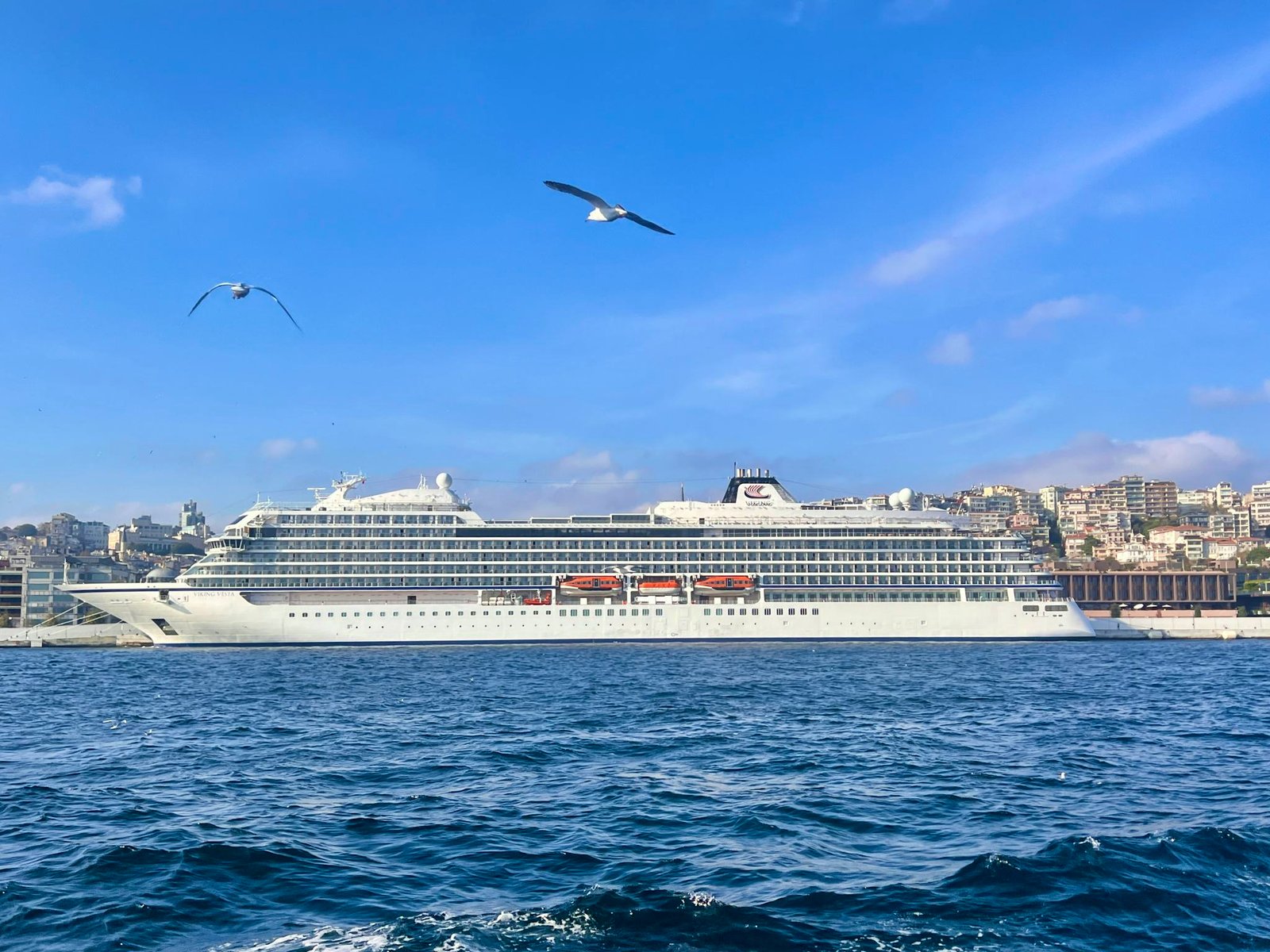
A cruise delivers you to the world’s most beautiful islands on a schedule, and the shore day is where that schedule meets reality. A proper cruise ship tour package Philippines plan turns each port call into a curated island day — lagoons in Coron, beaches in Boracay, hills in Bohol — timed to your ship’s anchors and built by people who know the piers. This guide explains how shore packages work, which ports deserve pre-booking, and how our desk wraps land-side magic around a floating timetable.
01.What a Shore Tour Package Actually Contains
A shore package is a land day engineered around a ship. It contains the transfer from gangway or tender pier to the tour start, the guided experience itself — lagoon boat, hills van, beach club day — with licensed guides, gear and lunch as specified, and the return guarantee: timing built so you are back at the pier with room before all-aboard. That last clause is the package’s soul; independent wanderers gamble it daily, packaged travellers sleep on deck at night.
Packages come from two sources: the ship’s own excursion desk, and independent operators arranged before sailing. Ship tours guarantee the boat waits if your tender runs late; independent tours usually deliver smaller groups, better boats and sharper local flavour. Our desk arranges the independent kind with ship-proof timing — the sweet spot of this whole craft, and the reason cruise lines quietly use local specialists too.
- Gangway-to-gangway coverage — transfer, tour, lunch, return.
- Licensed guides and gear — not pier-side improvisation.
- Ship-proof timing — back with hours, not minutes, to spare.
02.The Ports, Ranked by Shore-Day Reward
Coron is the crown port: lagoons, lakes and snorkelling reefs pack into one unforgettable boat day, and the pier sits minutes from the jump-off. Pre-book here without hesitation. Boracay rewards both plans — beach club days, island-hop circuits, helmet dives — and easy wandering along White Beach; book the marquee, walk the rest. Bohol demands a plan: the Chocolate Hills sit inland, so packaged tours with private vans earn their keep on this call.
Puerto Princesa offers the underground river — a permit-managed wonder that punishes improvisation and rewards pre-booking fiercely. Cebu calls deliver heritage streets and, on longer calls, the southern thrills. And some ports reward the unstructured hour: markets, churches, mango shakes. The golden rule: pre-book every port where transport time eats the day (Bohol, Puerto Princesa), stay flexible where the beach is the attraction (Boracay).
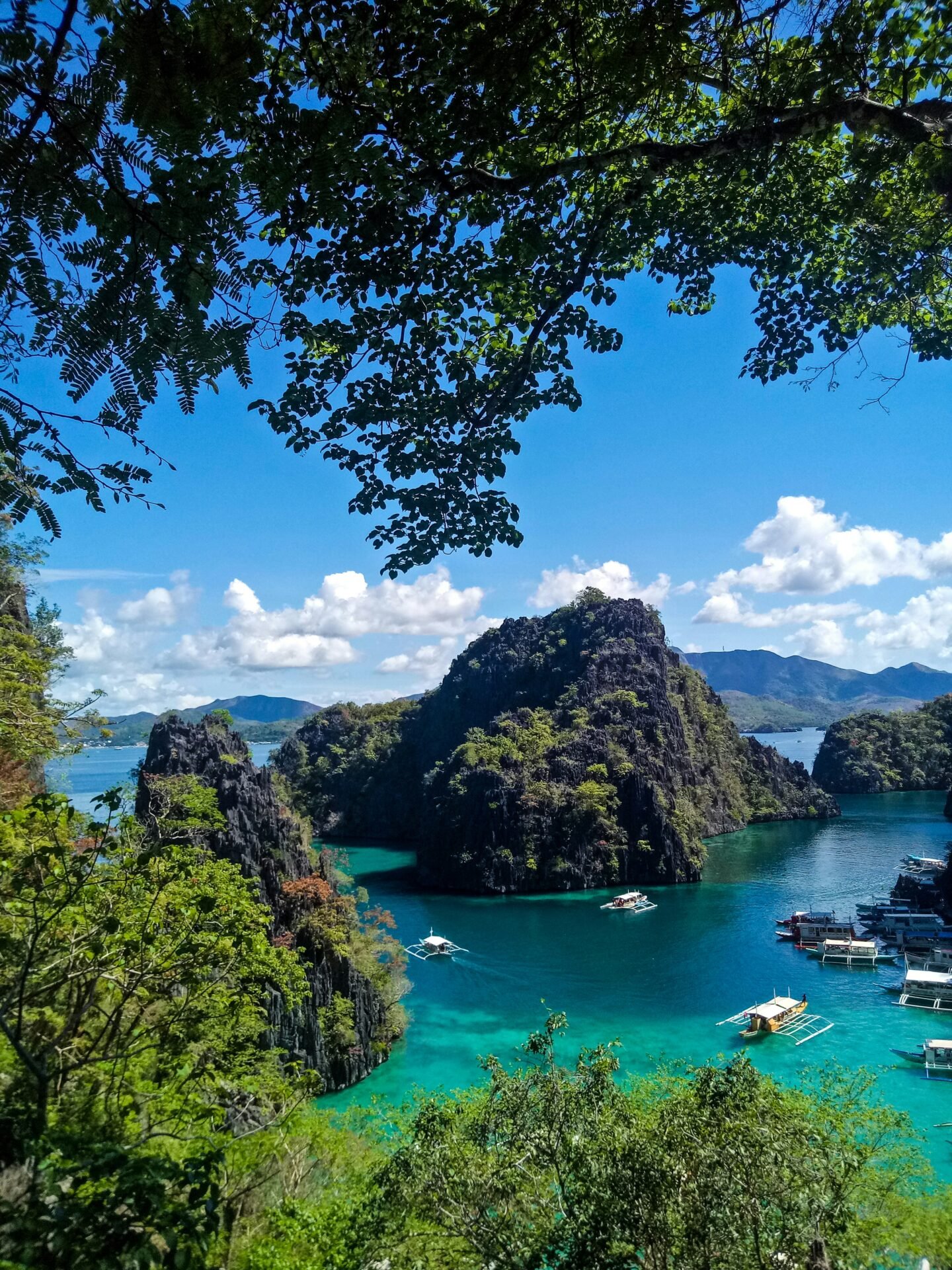
Tender-queue honesty: ports where ships anchor (rather than dock) can cost an hour in boats alone. Packaged shore days jump the queue with reserved transfers — worth more than any brochure admits.
03.Working Around the Ship’s Timetable
Shore planning obeys three numbers: arrival, all-aboard, and tender time. Everything else bends around them. A lagoon tour that needs six hours cannot fit a five-hour call — so the desk either compresses the route or swaps the port’s ambition to a beach-club day. Overnight calls are gold: evening sails, night markets and unhurried dinners ashore become possible, and travellers who pre-plan those evenings report the trip’s favourite memories.
Buffers are the professional’s secret: packages built for cruisers return not at all-aboard but a comfortable margin before it, because seas, tenders and traffic all have opinions. Sea-day fatigue matters too — schedule the marquee physical tours early in the voyage, not after three nights of buffet excellence. Our desk reads your specific itinerary’s timings and builds each shore day to its exact shape; no two calls get the same plan, because no two calls share a timetable.
04.Ship Excursions vs Independent Packages
Ship excursions trade margin for guarantee: higher prices and bigger groups, but the ship waits if the tour runs late, and logistics are handled with institutional calm. They suit first-time cruisers, travellers with mobility considerations, and anyone who wants zero decisions ashore. Independent packages deliver smaller boats, licensed specialists, better food and usually better value — with timing engineered to the same all-aboard promise by desks that do this daily.
A blended strategy serves most travellers: ship excursions where the port is remote or timing is tight, independent packages where local operators shine — Coron’s lagoons, Boracay’s beaches. Ask your desk which ports fall in which column for your specific sailing; the answer changes with every itinerary. What never changes is the pre-booking: the best independent boats in every port sell to whoever reserved before the ship’s gangway dropped.

Group-size truth: eight guests on a private boat see more lagoon than forty on a coach with the same postcard. Choose accordingly, and quietly.
05.Beyond Shore Days: Pre- and Post-Cruise Packages
Shore days are the cruise’s land teasers; pre- and post-cruise packages are the full meal. Arrive a night or three early and the homeport becomes a chapter: heritage walks in Manila, beach time near Cebu before boarding. After disembarkation, a post-cruise island finale — El Nido’s lagoons, Panglao’s shallows — converts the cruise’s port-day appetites into full portions. The combinations multiply; the principle stays: the ship shows you the archipelago, the land chapter lets you live it.
Our desk specialises in exactly this wrap: hotel by the terminal the night before sailing (never fly in on embarkation day — the sea forgives nothing), transfers in and out, the shore packages for your specific calls, and the land finale with everything booked. One enquiry covers the whole arc; one specialist owns every seam. It is the calmest way ever invented to see seven thousand islands.
06.Booking Your Shore Packages
Book shore packages once your sailing is confirmed — send the itinerary with its port times, and the desk returns a per-port plan: which calls deserve the marquee tour, which deserve the beach club, which deserve the mango shake. Confirm group sizes, guide licensing, gear and lunch in writing, and the return-to-ship margin in hours. Then forget the logistics entirely; the pier will simply deliver you to your day, and the day will deliver you back.
Our desk builds shore packages for every major Philippine call — and the pre- and post-cruise chapters around them — with licensed boats, named guides and ship-proof timing throughout. Enquiries are free and obligation-free; bring your itinerary, leave with your ports sorted. The ship handles the sea. The islands, handled properly, handle everything else.
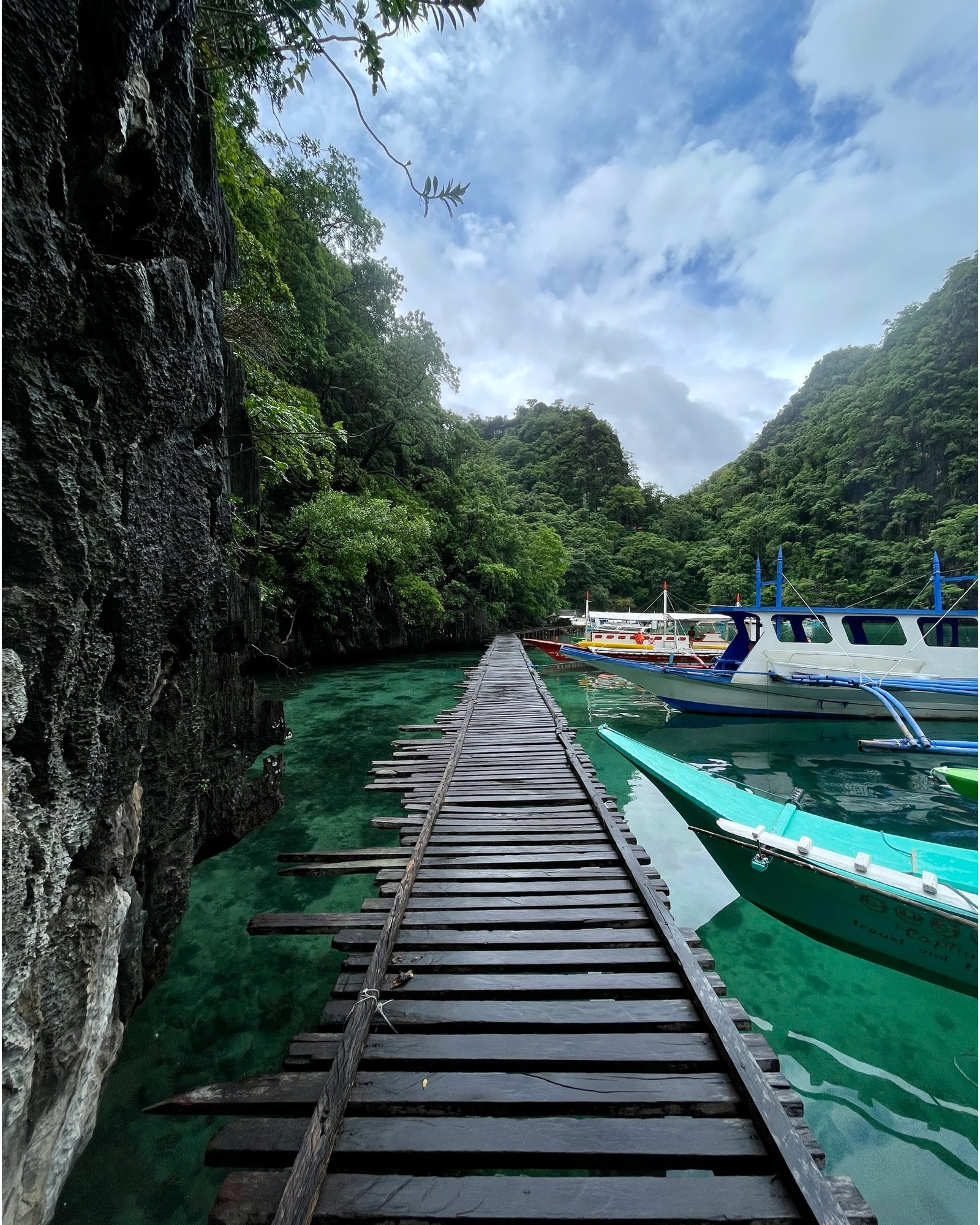
A closing tip from many piers: the shore day you remember longest is rarely the longest one. It is the one with room to breathe — a lagoon savoured, a beach lingered on, a sail-away caught from the top deck. Book for breathing room, always.
07.The Shore-Day Kit and Rhythm
Shore days run on a small kit and a good rhythm. The kit: reef-safe sunscreen reapplied after every swim, the dry bag for phones and documents, strap sandals for limestone and pier surfaces, small notes for kiosks and kindnesses, motion remedies for tender rides, and the one layer for cold cabins after tropical piers. Everything fits a daypack; nothing needs the cabin visit between gangway and tour.
The rhythm: breakfast early, gangway at opening for tender ports, the tour’s water and stops taken unhurried, lunch as specified rather than skipped, the return margin honoured, and the sail-away claimed from the top deck. The rhythm is the package’s real product — the desk prints it into your shore sheet per port, so the only decision left aboard is which swimwear. Travellers who run the rhythm report the same thing: the ports feel twice as long as the clock says they are.
- One daypack — the whole kit, gangway to gangway.
- Gangway at opening — tender ports reward the early.
- Sail-away from the top deck — the day's closing ceremony.
08.Tender Ports and Docked Ports: Know the Difference
Shore days differ by how the ship parks, and knowing which is which plans the morning. Docked ports — the ship at a pier — walk-off convenience: gangway to town in minutes, tours meeting steps away, the day starting at full speed. Tender ports — the ship anchored, boats ferrying ashore — carry a queue tax and a weather dependency: go at opening, expect the ride, and note that the lagoon ports that require tenders are precisely the ones worth it.
Planning differences: tender mornings reward the pre-booked excursion most, since reserved groups board first; docked mornings forgive the leisurely breakfast. The return logic mirrors: tenders build a final-hour queue, so the margin belongs earlier; docks allow a stroll to the rail. Your shore sheet names each port’s type and the timing that suits it — small knowledge, daily dividends, and the difference between fighting the system and riding it. The ship handles the parking; the plan handles everything parking causes.
- Docked: walk-off — the leisurely breakfast survives.
- Tender: go at opening — reserved groups board first.
- Margins mirror — early for tenders, stroll for docks.
09.Frequently Asked Questions
Honest answers to the questions travellers ask our desk most often about shore tours around Philippine cruise calls.
What is a cruise shore tour package?
A land day engineered around your ship: gangway or tender transfer, the guided experience itself with licensed guides and gear, lunch where specified, and timing guaranteed back at the pier well before all-aboard. It replaces pier-side improvisation with a pre-booked, ship-proof plan.
Which Philippine ports deserve pre-booked shore tours?
Pre-book where transport eats the day: Bohol for the Chocolate Hills, Puerto Princesa for the permit-managed underground river. Coron's lagoon circuit also sells out fast. Boracay rewards flexibility — book the marquee tour and walk the rest of White Beach freely.
Ship excursions or independent shore packages — which is better?
Ship excursions guarantee the boat waits and suit first-timers and mobility needs. Independent packages deliver smaller groups, better boats and sharper local flavour, with timing engineered to the same all-aboard promise. Most travellers blend: ship where remote, independent where operators shine.
How much time do I need for shore excursions?
Match the tour to the call: a Coron lagoon circuit needs most of a day, a Boracay beach club needs half, a pier-town wander needs an hour. Packages built for cruisers return with a comfortable buffer before all-aboard — never plan a six-hour tour into a five-hour port.
Can you arrange pre- and post-cruise land packages too?
Yes — that is our specialty. Hotel by the terminal the night before sailing, transfers in and out, shore packages for your calls, and a post-cruise island finale such as El Nido or Panglao. One enquiry covers the whole arc, with a named specialist owning every seam.
What should I pack for cruise shore days in the Philippines?
One daypack: reef-safe sunscreen, the dry bag for electronics and documents, strap sandals, small notes, motion remedies for tender rides and one layer for cold cabins. It covers gangway to gangway without a cabin visit, and it fits under the tour seat on any boat or van.
How early should we leave the ship on shore days?
At gangway opening for tender ports, where queues cost real touring time; within the first hour for docked ports. The rhythm the desk prints per port — early gangway, unhurried stops, honoured return margin — makes the ports feel twice as long as the clock claims.
What is the difference between tender and docked ports for shore days?
Docked ports walk off at a pier — instant start, forgiving mornings. Tender ports ferry you ashore from anchor — carry a queue tax, reward the earliest gangway, and reserve pre-booked groups first. Your shore sheet names each port's type; the timing difference is small knowledge with daily dividends.
Ready when you are: every enquiry is free and without obligation. Tell us your travel month and group size — a real travel specialist (not a bot) replies within 24 hours, or WhatsApp us for a same-day answer.