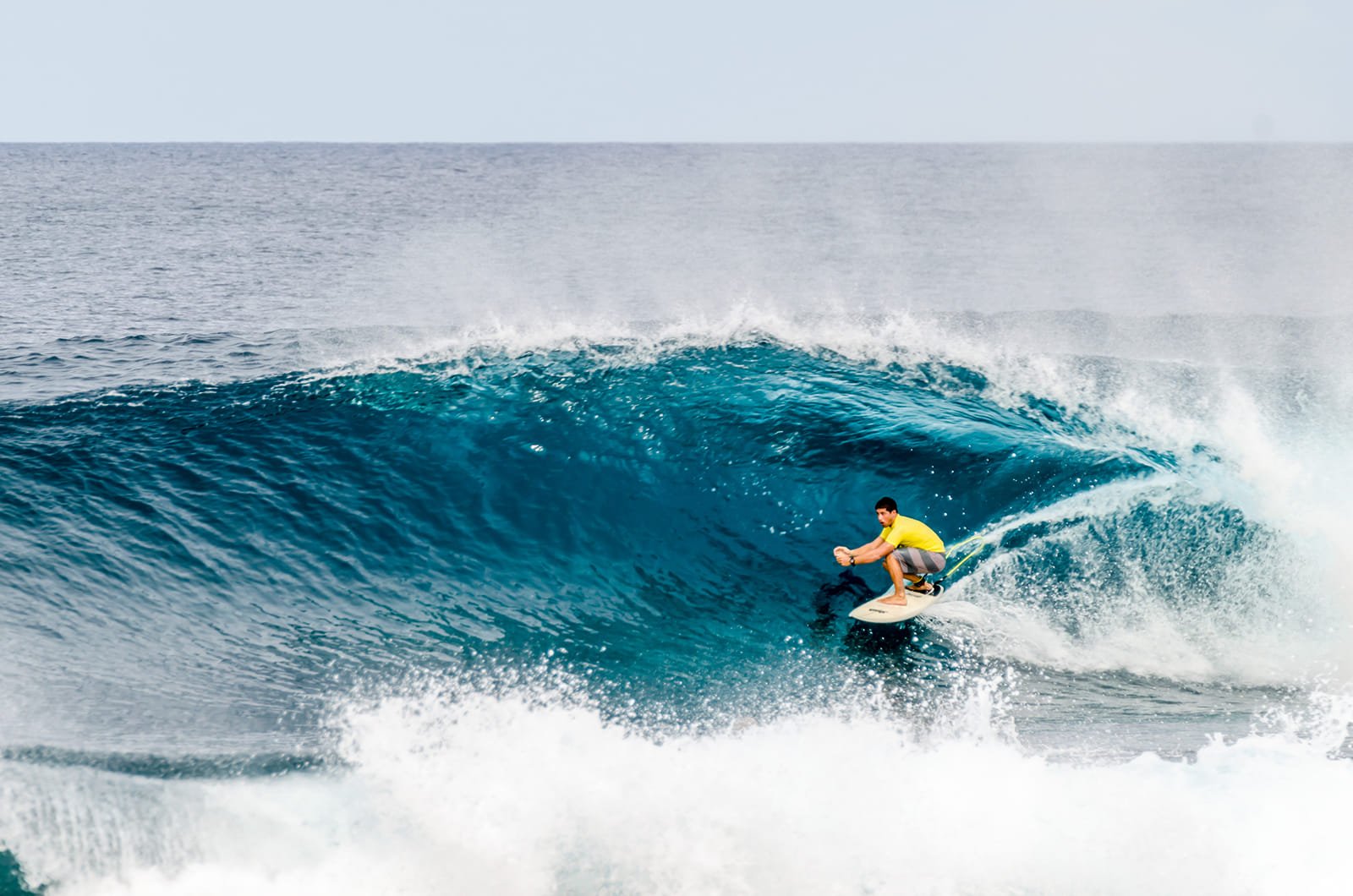
You have seen the clips — the canyon jumps, the sardine tornado, the perfect barrelling wave — and now you want the trip, not just the video. This guide to adventure trips Philippines style lays out three complete thrill-first itineraries our desk builds most often: a one-week adrenaline sampler, a ten-day water-lover’s route, and a two-week grand adventure. Each comes with its difficulty grade, its recovery days, and the honest logistics that keep thrill trips fun instead of exhausting.
01.Choose Your Thrill Level First
Adventure trips fail for one reason: mismatched thrill levels inside one group. So grade yourselves before routing. Grade one — soft adventure: snorkelling, easy hikes, ziplines, beginner surf in waist-deep whitewater. Grade two — guided adrenaline: canyoneering with jumps you can skip, open-water snorkelling in currents, discover-scuba dives. Grade three — committed adventure: certified wreck diving, multi-day treks, surf progression coaching. All three grades share the same islands; only the itinerary intensity changes.
Mixed groups thrive on the parallel-track trick: the same base island hosts both the thrill day and a gentle alternative, so nobody waits bored while somebody else jumps. Our specialists plan grade two and grade one tracks side by side as standard for family and friend groups — it is the single most appreciated line in any adventure itinerary we write, and it costs nothing to include when asked for.
- Grade one: snorkel, zipline, easy trails — thrill with training wheels.
- Grade two: canyoneering, discover-scuba, current snorkels.
- Grade three: wreck dives, treks, surf coaching blocks.
02.Trip One: The One-Week Adrenaline Sampler (Grade Two)
Seven days, one island, maximum variety — the sampler proves the country’s adventure density better than any brochure. Days one to two land you in Cebu with an easy heritage afternoon to shake off the flight. Days three to four head south: dawn whale sharks in Oslob, then the full Kawasan canyoneering run — rappels, slides and jumps with skip-out options at every drop. Day five brings the Moalboal sardine run, snorkelling inside a living tornado with turtles gliding past the edges.
Day six offers the choice that defines this trip: canyoning again, a discover-scuba dive on a shallow reef, or cliff-jump island hopping — three thrills, one boat. Day seven is the descent day: massage, mango shake, flight home. Pacing note: every water morning is followed by a free afternoon; that rhythm is why this itinerary suits office athletes — fit enough, busy enough, and greedy for stories.

Best season: year-round, with mornings calmest. Fitness needed: moderate; if you climb stairs without drama, you finish this trip grinning.
03.Trip Two: The Ten-Day Water-Lover’s Route (Grades Two to Three)
Ten days lets water adventures breathe across two islands. Days one to five run the Cebu sampler above, then the route hops to Bohol for its gentler wonders: sunrise dolphin-watching, turtle snorkelling at Balicasag, and the lazy rivers. Days six to eight return to Cebu for the big blue: a two-dive discover-or-certified programme on reefs and a shallow wreck, plus night-snorkel options for the brave. Days nine to ten close with island-hopping and the farewell feast.
This route’s secret weapon is the skills ladder: each water day builds on the last, from snorkel to SCUBA, so by trip’s end many travellers have earned their first certification. For grade-three divers, swap the discover dives for Coron’s wrecks — the same structure works with sharper teeth. Either way, the ten-day shape keeps a rest day between every two water days, which your ears, sinuses and shoulders will applaud.
04.Trip Three: The Two-Week Grand Adventure (Grade Three)
The grand adventure strings the country’s signature thrills into one arc. Week one: Cebu’s canyons, whale sharks and sardines, then ferry to Bohol for recovery water — dolphins, turtles, calm swims. Week two splits between Coron’s wrecks for certified diving and Siargao’s waves for a surf-progression block with coaching video reviews. Travellers who prefer land teeth swap Coron for Sagada’s cave traverses and the Cordillera’s ridge treks — the structure holds either way.
Grade three means commitment: dives logged, muscles sore, sunscreen re-applied. It also means the best guides in the country — our wreck crews know every hull by nickname, and our surf coaches teach reading waves, not just riding them. Two weeks sounds long; on this itinerary it ends with travellers asking for one more day, which is exactly how the best adventures should run out of calendar.
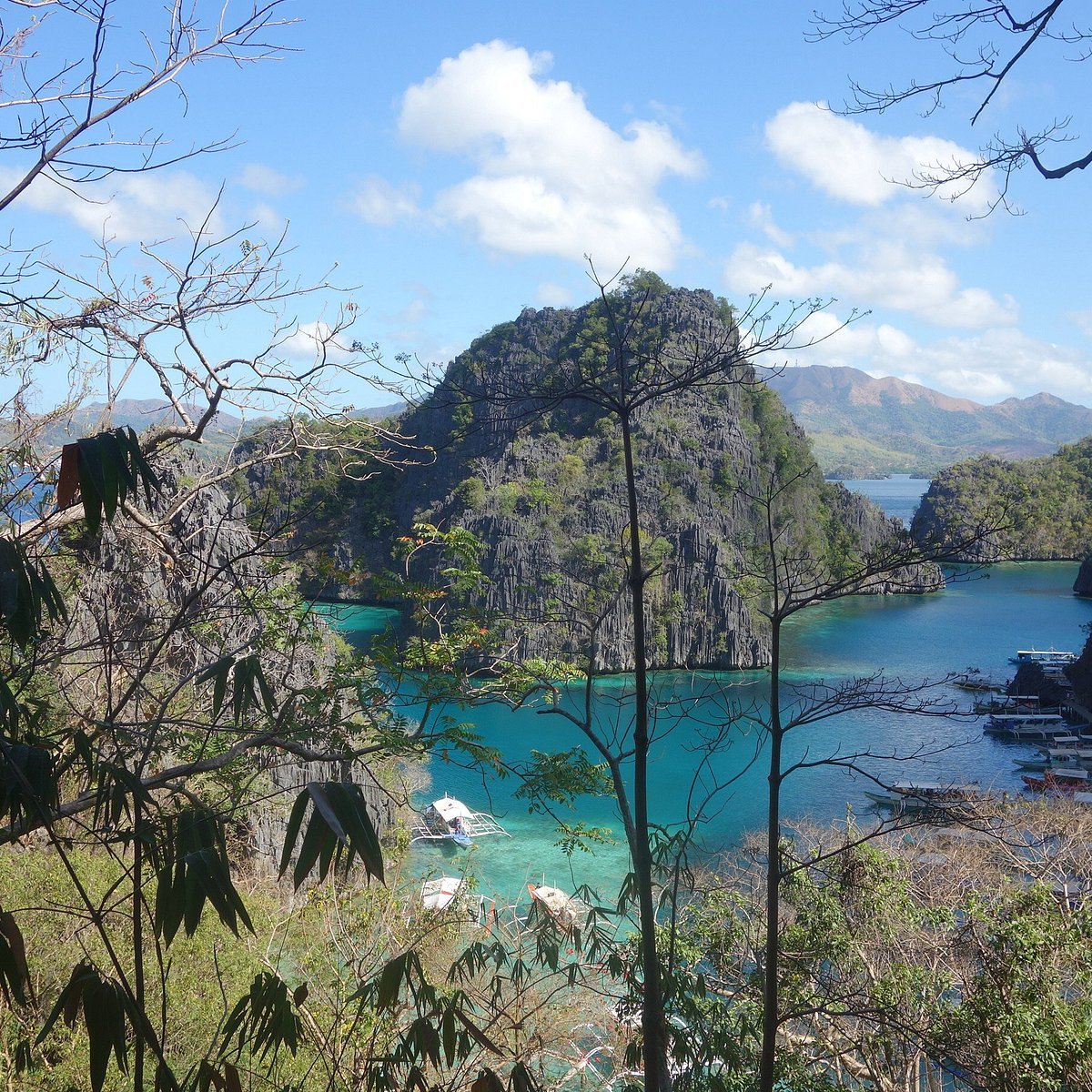
Book the grand adventure two to three months ahead: wreck-dive boats and surf coaches fill first in every season.
05.Packing and Preparing for Thrill Days
Adventure packing is its own art. On your body: quick-dry everything, aqua shoes with grip, and a hat that survives wind. In the dry bag: reef-safe sunscreen, motion-sickness remedy, electrolyte sachets and a waterproof phone case — the four items every guide wishes travellers carried. In the hotel: one warm layer for air-conditioned ferries and early boats, plus strap sandals for rocky entries. Leave the drone home unless declared; sanctuaries and some lagoons are no-fly.
Prepare your body as deliberately as your bag: swim practice before the trip pays daily, and two weeks of stairs beats any gym machine for canyon legs. Declare conditions honestly — ears, heart, asthma, pregnancy — so operators can adapt or advise; disclosure is strength here, not weakness. Insurance naming your specific activities completes the preparation. None of this is burdensome; all of it is what separates smooth thrill days from improvised ones.
06.Booking an Adventure Trip the Right Way
Book adventures as a package, not as scattered pier-side decisions. A proper package names the licensed operator for every thrill, bundles gear and transfers, sequences rest days between intensity spikes, and carries a free-rescheduling promise for weather — because in adventure travel, flexibility is a safety feature, not a courtesy. Ask who your guides are by name; ask the group size; ask what happens if the swell drops or the wind dies. Good operators love these questions.
Our desk builds all three itineraries above — and any custom mix — with exactly those standards. Send your thrill level, dates and wishlist; we return a graded, paced, fully-booked plan with the licensed crews named on every page. Enquiries are free, quotes are transparent, and the only thing we cannot arrange in advance is the size of your grin on the first jump.
Whatever grade you choose, book the recovery days as seriously as the thrills. Adventure travellers with rest days finish trips; without them, they finish early. Plan accordingly — and we will see you at the jump.
07.Seasons and Start Times for Thrill Trips
Thrill trips keep a calendar, and reading it is half the packing. The dry arc — December to May — opens everything: calm seas for dive boats and island hops, firm trails for caves and ridges, reliable wind on the kite coasts. The green arc hands the calendar to the surf — Siargao’s swells peak — while canyoneering shrugs, being river-born. Wreck divers chase the calm arc; sardine-run snorkellers run year-round with morning seats; waterfall photographers actually prefer the wet months’ full columns.
Inside any month, the start times matter more than the day: canyon runs launch early to beat heat and crowds, dive boats chase the morning’s calm water, surf coaching takes the dawn glass. Our itineraries print these timings like train departures — because on thrill days, they are. Book the season for your headline thrill, and let the desk sequence the rest around the clocks that govern it.
- Dry arc — dive boats, trails and kites open wide.
- Green arc — Siargao's swell takes the calendar.
- Morning starts — printed like train departures, honoured like them.
08.Thrill Trips for Groups and Mixed Crews
Group thrill trips succeed on design, and the design is learnable. The parallel-track principle: every base hosts the thrill day and its gentle sibling — canyon and spa, wreck dive and beach club — so the group splits by appetite each morning and reunites at dinner with competing stories. The shared-thrill rule: book at least one experience everyone does together — the island-hop, the sardine run — because groups need common chapters, not just parallel ones.
The cost logic favours groups: private boats split sensibly from four up, villa rooms divide, and guides price per day rather than per head. The booking logic does too: one quotation, one deposit schedule, one contact sheet — the group chat keeps its opinions and loses its invoice duties. And the pace treaty: agreed on day one, signed by all — one headline per day, rest days defended, the newsletter written by whoever is least tired. Groups that run the design return annually; the design, conveniently, is our desk’s default template.
- Parallel tracks, common chapters — both, by design.
- Per-head lines fall — groups are the economy class of thrill.
- The pace treaty — signed day one, honoured daily.
09.Frequently Asked Questions
Honest answers to the questions travellers ask our desk most often about booking adventure trips in the Philippines.
Which adventure trip should a fit beginner choose?
The one-week Cebu sampler: whale sharks, canyoneering with skip options, the sardine run and a choice day for discover-scuba or cliff jumps. It mixes grade-one and grade-two thrills with free afternoons, and suits any traveller who handles stairs and swims a little.
Can non-adventurous friends join an adventure trip?
Yes — plan parallel tracks. Every base island on our itineraries offers a gentle alternative on thrill days: beach clubs, spa sessions, heritage walks. Nobody waits bored, the group reunites at dinner, and mixed groups finish happier than single-speed ones.
How far in advance should adventure trips be booked?
One to two months for the sampler, two to three for the grand adventure. Wreck-dive boats, surf coaches and canyon guides fill first, especially in the dry season. Early booking also secures the rest-day spacing that makes thrill trips sustainable.
What should I pack for a Philippine adventure trip?
Quick-dry clothing, grippy aqua shoes, a dry bag with reef-safe sunscreen, motion-sickness remedy, electrolytes and a waterproof phone case. Add one warm layer for early boats and air-conditioned ferries. Insurance naming your activities completes the kit.
Do you arrange certified diving and surf coaching?
Yes — we work with licensed dive centres on Coron's wrecks and Cebu's reefs, and with surf schools in Siargao that coach progression, not just rides. Tell us your certification level and goals, and the itinerary builds the right water days around them.
When should I schedule a thrill-first trip?
Choose the season for your headline thrill: the dry arc for diving, caving and kitesurfing; the green arc for Siargao's surf; canyoneering and the sardine run year-round. Then let the desk sequence start times — canyon mornings, dawn surf glass — around the clocks that govern each thrill.
Can thrill trips work in the greener months?
Brilliantly — the green arc is surf season, canyoneering shrugs at rain, and waterfalls run at full power for photographers. Keep flexible bookings so squalls can reshuffle boat days, and pack the dry bag with extra conviction. The trade is some sea calm for greener islands and softer rates.
How do friend groups run a thrill trip without friction?
With three agreements: parallel tracks from every base so appetites split mornings and reunite at dinner, one shared-thrill day booked as the common chapter, and a pace treaty signed on day one — one headline per day, rest days defended. Add one invoice and one contact sheet; the group chat keeps its opinions and loses its paperwork.
Do groups get better adventure pricing in the Philippines?
Yes — private boats split sensibly from four travellers up, villas divide, and guides price per day rather than per head. The per-head line falls as the crew grows, which is exactly why barkada thrill trips here so often become annual institutions.
Ready when you are: every enquiry is free and without obligation. Tell us your travel month and group size — a real travel specialist (not a bot) replies within 24 hours, or WhatsApp us for a same-day answer.