A Corregidor Island tour package takes you somewhere no other Philippine day trip can: into the Pacific War itself. The tadpole-shaped island at Manila Bay's mouth was the last Allied fortress to fall — and the first to be reclaimed — and its tunnels, batteries and ruined barracks still hold the silence of that story. An hour from Manila by ferry, Corregidor rewards history lovers, photographers and anyone who suspects that some holidays should be about more than beaches. Here is exactly how the day runs.
01.Why Corregidor Matters
Geography made Corregidor famous. The island sits like a stopper at the mouth of Manila Bay, and whoever held it controlled access to the capital — a fact the Spanish understood, the Americans fortified, and the Japanese learned the hard way. Through the siege that began the Pacific War's darkest chapters, Corregidor's tunnels sheltered a government, a general and thousands of defenders. Its flag stayed down for three years, then rose again in one of the war's boldest airborne assaults.
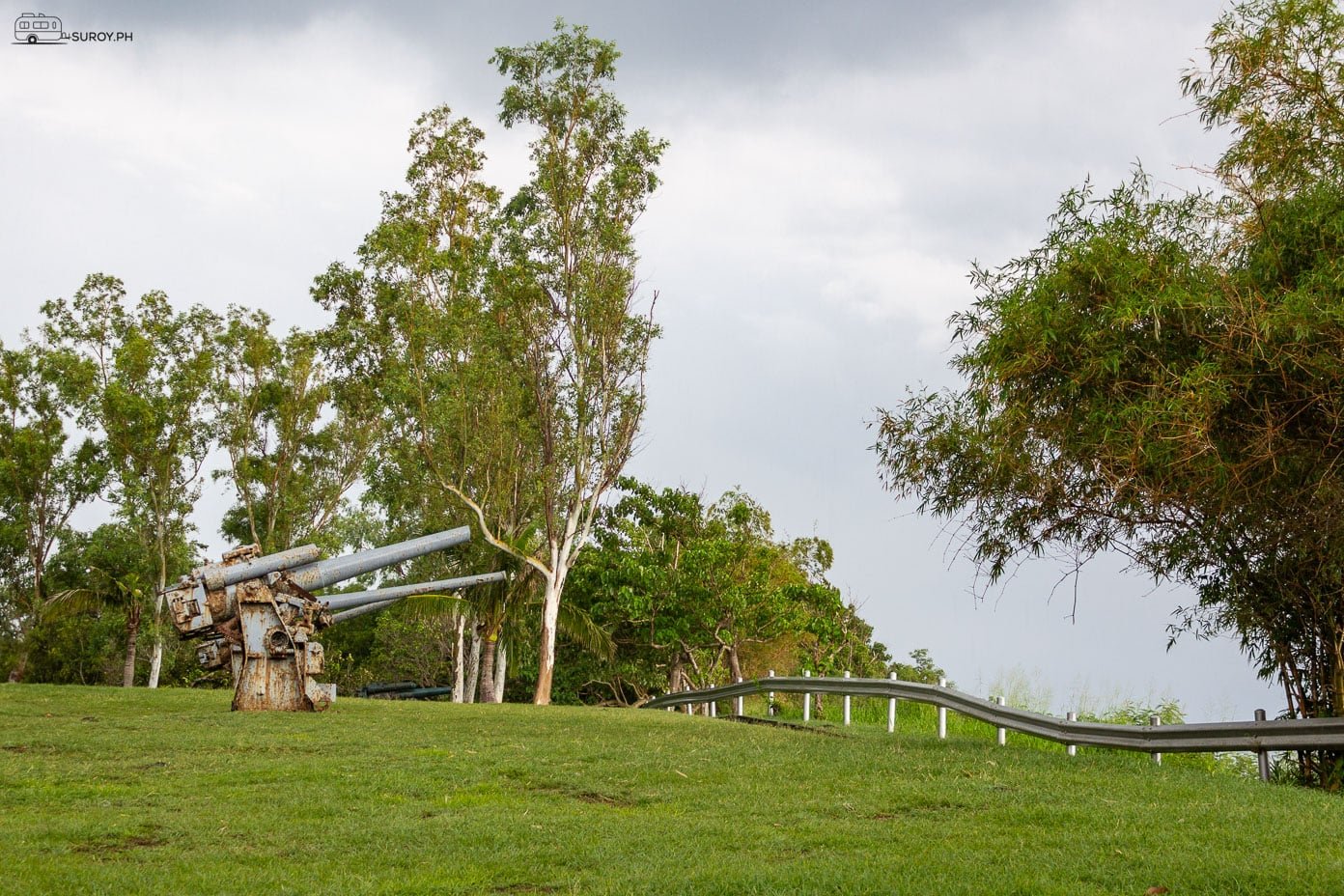
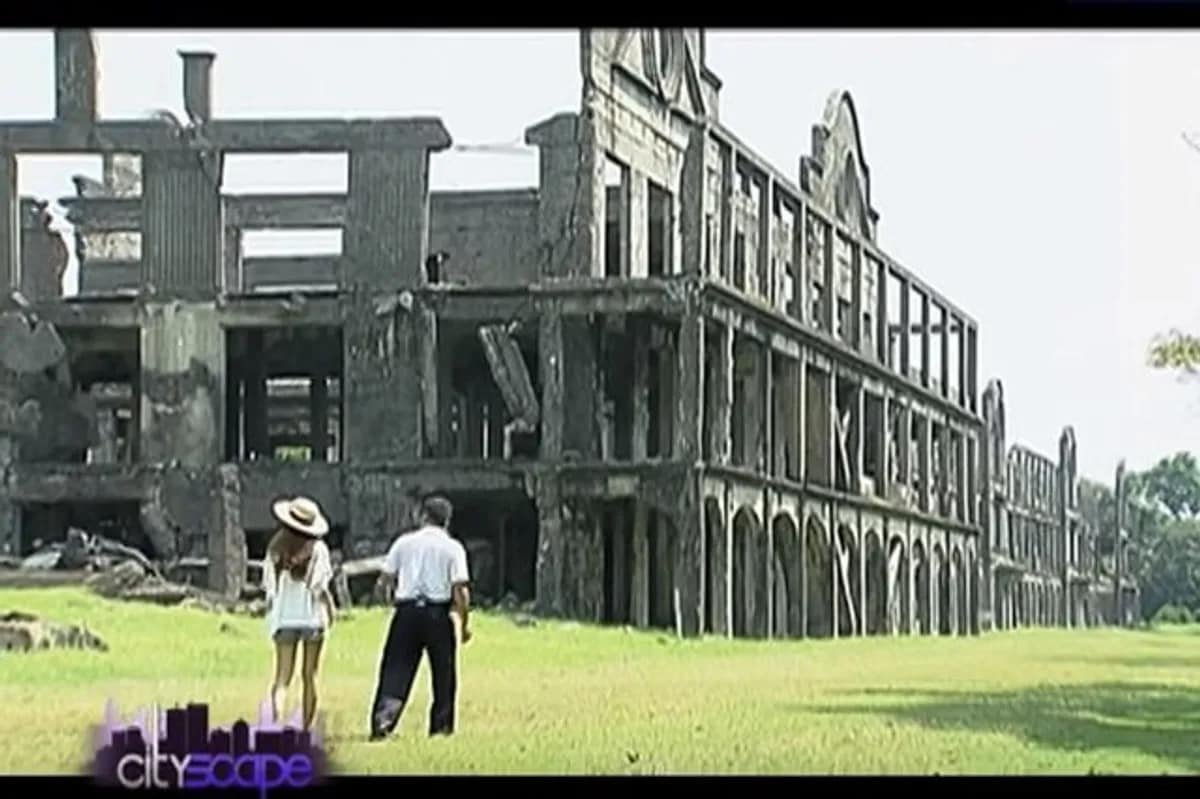
What makes the island remarkable today is how much of that story remains visible. Battery gun barrels still point seaward, frozen mid-order. The bombed remains of the Mile Long Barracks line the parade ground. The Malinta Tunnel's laterals branch into the dark exactly as they did under bombardment. Memorials mark the Japanese, American and Filipino dead with the same quiet dignity. Corregidor is less a museum than a place where history happened and never quite left — which is why travellers rank it among Asia's most moving day trips.
The island also earns its place on a Philippine itinerary for a subtler reason: contrast. Beaches celebrate the country's present — blue, bright, easygoing — while Corregidor holds its hardest chapter with dignity. Travellers who see both come away understanding the smiles differently. Guides on the island, many of them grandchildren of people who lived the story, deliver it with warmth rather than gloom, and the ferry back to Manila always carries a quieter crowd than the one it delivered. That shift in the air is, in its way, the tour's true souvenir.
02.What You Will See on the Island
- Malinta Tunnel — the command bunker under Malinta Hill, its laterals housing a hospital, offices and General MacArthur's quarters; a light-and-sound presentation retells the siege inside.
- Battery Grubbs & Battery Way — coastal artillery positions where twelve-inch guns still traverse, aimed at an enemy long gone.
- Mile Long Barracks — the roofless shell of what was billed as the world's longest military barracks.
- Pacific War Memorial — a marble dome with an opening precisely aligned so sunlight touches the altar each sixth of May.
- Spanish Lighthouse — the island's oldest light, rebuilt atop its colonial foundations, with the best viewpoint on the island.
- Japanese Garden of Peace — a serene memorial park honouring the Japanese dead, with bay views that quiet every conversation.
Guides stitch these stops into a narrative that works even for visitors with no wartime background — by afternoon, every ruin has a face attached. The island's silence does the rest.
03.How the Day Trip Runs
The classic package flows like clockwork. An early coach collects your group from Manila hotels for the short ride to the ferry terminal, where a fast craft crosses the bay in roughly an hour — breakfast boxes and coffee included on most departures. On the island, guided transport (traditionally tranvia-style streetcars) carries you between stops with the guide narrating throughout; the route covers the tunnel, the batteries, the memorials and the lighthouse by mid-afternoon. Lunch on the island is included in most packages, served near the memorial complex.
The return ferry reaches the mainland by late afternoon, with hotel drop-offs following. Total time: a full but unhurried day. Private arrangements can shift the format — photography groups prefer golden-hour departures, schools and corporates book the whole tranvia, and history buffs can pre-arrange extended tunnel access where permitted. Whatever the format, book through a licensed operator: Corregidor access runs on regulated schedules, permits and safety protocols that a proper tour package handles in one booking.
One logistics note: sailings depend on sea conditions, so book with an operator offering clear rescheduling terms — and treat a postponed sailing as the bay reminding you who is in charge.
What to expect from the pacing: the island tour alternates short walks with seated stretches, so nobody marches for hours. Guides use microphones, vehicles pause at each battery long enough for photographs, and the Malinta Tunnel presentation runs inside the actual laterals — cool, dim and genuinely atmospheric. Keep your ticket for re-boarding, follow the flag your guide carries, and let the island's size surprise you: at over three kilometres long, it feels less like an islet and more like a small, green, carefully kept town that time agreed to preserve.
04.The Story in Brief (So the Ruins Speak)
A two-minute history primer multiplies what you will feel on the island. When war reached the Pacific, Corregidor became the headquarters of the Allied defence of the Philippines. Manila fell; Bataan endured; and Corregidor — the 'Rock' — held out under months of daily bombardment until its garrison finally surrendered. General MacArthur had already been evacuated to Australia, promising, famously, to return. The island then spent the occupation under Japanese control, its tunnels repurposed by the new garrison.
When the promise came due, American paratroopers dropped onto the island's high ground in one of the war's most audacious assaults, and a brutal two-week battle reclaimed the Rock. Today the memorials honour every nation that fought here — Filipino, American, Japanese — with the even-handedness that mature memory requires. When your guide pauses at the marker where the flag rose again, you will understand why veterans' families still make the ferry crossing to stand where their grandfathers stood.
05.Who the Trip Suits Best
History enthusiasts will call it the highlight of their Philippine journey, but the island's audience is wider than that. Photography lovers find the ruin aesthetic irresistible — roofless corridors, gun barrels against sunsets, memorial architecture in white stone. Families with teenagers report that Corregidor teaches more in a day than any textbook chapter; children respond to tunnels and big guns with an attention no museum buys. Senior travellers enjoy the day because the guided format does the walking math for them — every stop is a short step from the vehicle.
The trip also pairs perfectly with a Manila stay — two city days plus Corregidor make the capital feel complete before the islands begin. Travellers who find military history heavy should know the tone on the island is reflective, not grim; guides balance the war's weight with stories of humour, endurance and friendship that survived it. And combine it thoughtfully: Corregidor before the beach leg gives the whole holiday a deeper frame.
Stamp collectors and trivia fans: the island once had its own currency, printed for use under siege. Guides produce replicas; the real notes live in museums and family vaults.
06.Combining Corregidor with a Manila Stay
Corregidor slots into Manila itineraries with pleasing symmetry. Day one covers Intramuros and the walled city's colonial chapters; day two crosses the bay to Corregidor for the wartime ones; the evening returns you to Manila Bay's sunset — the same water, three centuries apart. Travellers with a third day add Tagaytay's Taal Ridge or the food streets of Binondo. The rhythm suits jet-lagged arrivals too: Corregidor's ferry departure requires an early start, which body clocks negotiate well on day two or three.
For itineraries built around island flights, schedule Corregidor before the Palawan or Boracay leg rather than after — sea days before flight days travel better than the reverse. Families booking the capital-plus-islands combo often make Corregidor the educational hinge of the trip, and our desk builds the day's pacing around the youngest historian aboard. Whatever the sequence, the package bundle — transfers, ferry, island tour, lunch — keeps the day to one confirmation and zero counter queues.
07.Practical Tips for Visiting
A few tips sharpen the day. Wear proper walking shoes — the island is explored on foot between stops, mostly on paved paths with stairs at the tunnel and lighthouse. Carry sun protection and a refillable bottle; the bay breeze flatters while the sun works. Bring small bills for drinks and souvenirs at the memorial shop. If seas are your concern, take motion-sickness tablets before the ferry — the bay is usually calm, but calm is a mood, not a promise.
Book ahead for weekends and holidays, when Manila families fill the ferries; weekday sailings run quieter and photograph better. Listen to your guide's closing request — the island asks visitors to treat the ruins as the memorial they are, and travellers honour it instinctively. Then, on the return ferry, watch Corregidor slide backwards into the haze: green, silent, shape unchanged since the war that made it. It is the rare day trip that follows you home and stays.
A final word for families balancing the day against beach time: schedule Corregidor early in the Manila stay and let the islands follow. The trip plants questions — about history, about the sea, about the gun batteries now pointed at forever-nothing — that children carry beautifully onto boats and beaches. Parents consistently report it as the holiday's most quoted day, in the way that only living-history places manage. Pack the curiosity alongside the sunscreen; the island supplies everything else.
08.Frequently Asked Questions
Honest answers to the questions travellers ask our desk most often about corregidor island tour package.
How do I get to Corregidor Island from Manila?
Licensed packages include a coach transfer from Manila hotels to the ferry terminal, then a fast craft crossing of Manila Bay that takes roughly an hour. The island tour, lunch and return ferry are bundled in the same booking.
How long is the Corregidor tour?
A full day — early hotel pickup, the morning crossing, four to five hours touring the tunnel, batteries and memorials with an included island lunch, and the return ferry by late afternoon. Expect to be back at your Manila hotel by early evening.
Is Corregidor suitable for children and older travellers?
Yes. The guided format keeps walking short and level, the tranvia-style transport carries visitors between stops, and teenagers consistently rate it their favourite day in Manila. Seniors appreciate the door-to-door transfers and the pace.
What should I bring to Corregidor?
Walking shoes, sun protection, a refillable water bottle, small cash for drinks and souvenirs, and motion-sickness tablets if ferries trouble you. A light jacket helps on the breezy crossing, and your camera will work harder than on any beach day.
Can the Corregidor trip be cancelled due to weather?
Occasionally — sailings pause when the bay turns rough, which is why packages run on clear rescheduling terms. Book with a licensed operator who rearranges or refunds the day; the island has waited decades and will happily wait for you too.
Can Corregidor be combined with other Manila sightseeing?
Beautifully — pair it with Intramuros and the walled city for two history-rich days, add Binondo's food streets or the Taal Ridge on a third, and let the Manila Bay sunset close each evening. Specialists slot Corregidor before your island flights so the holiday's rhythm stays smooth.
Ready when you are: every enquiry is free and without obligation. Tell us your travel month and group size — a real travel specialist (not a bot) replies within 24 hours, or WhatsApp us for a same-day answer.