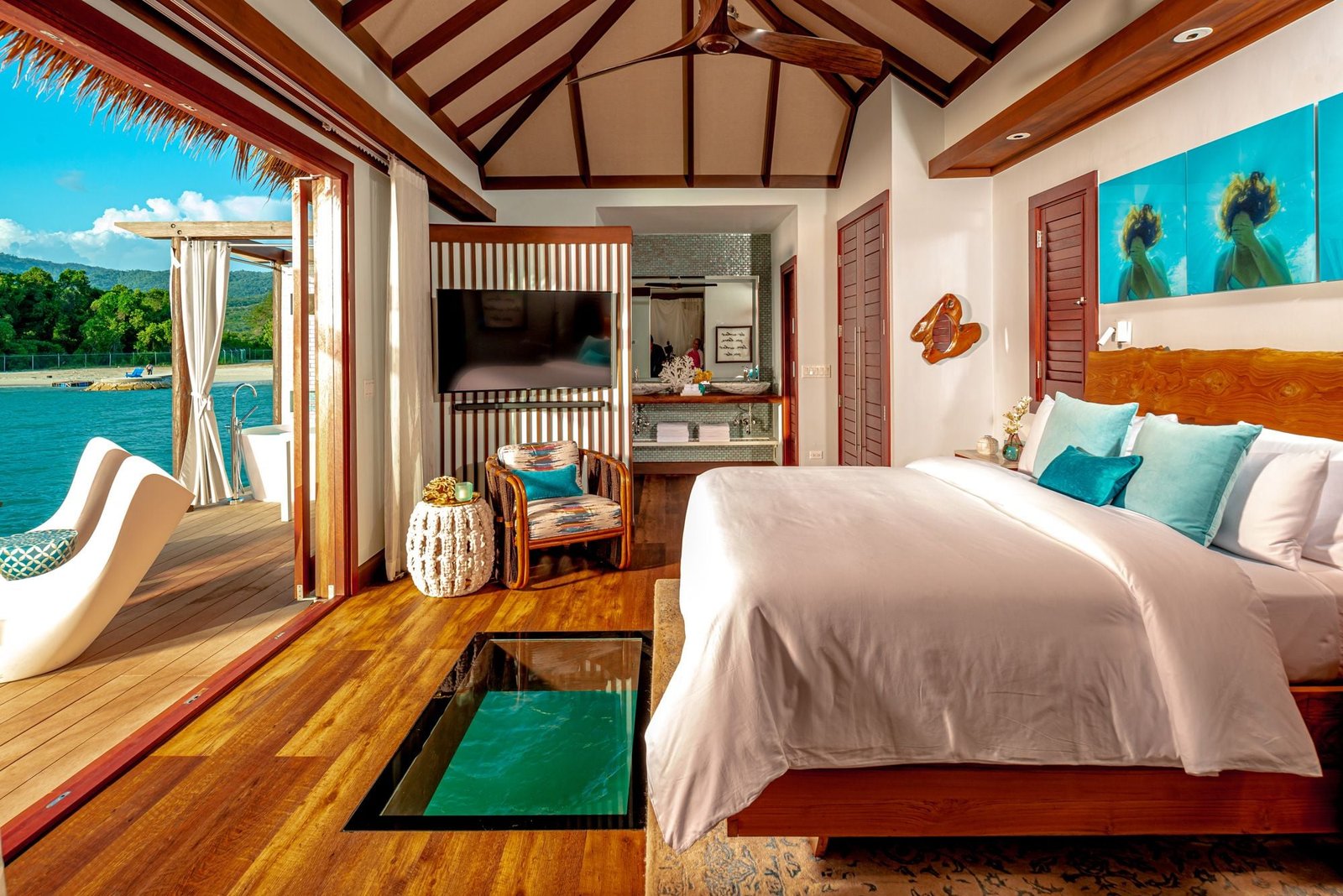
Honeymoon itineraries are written in a different grammar — mornings saved for wonder, afternoons surrendered to stillness, evenings staged like small ceremonies. This Philippines honeymoon itinerary shares the day-by-day structure our desk builds most often: the arrival arc, the lagoon chapter, the stillness chapter, the staged evenings, and the one free day every couple’s favourite story eventually comes from. Ten days, two islands, one unforgettable grammar.
01.The Grammar of a Honeymoon Day
Every day follows the couple’s rhythm: mornings for wonder — the lagoon, the reef, the sandbar — when seas lie flat and light forgives; afternoons for stillness — spa hours, hammocks, pool edges; evenings staged or spontaneous — the sand dinner booked, the beach bar wandered into. Meals arrive late and linger. One free day per chapter holds nothing at all. The itinerary serves the mood, not the reverse — which is precisely why honeymoons should be authored, not assembled.
The structure below runs ten days across two islands — the desk’s most-booked honeymoon shape — and adapts cleanly to seven days by dropping a chapter. Read it as a rhythm with scenery attached; the scenery, as always here, overdelivers.
- Mornings: wonder — lagoons, reefs, sandbars.
- Afternoons: stillness — spa, hammocks, pool edges.
- Evenings: staged or spontaneous, never rushed.
02.Days One to Two: The Arrival Arc
Day one is the soft landing: the long-haul flight, the connection, and a private transfer ending at a name board — the first moment the honeymoon feels engineered rather than endured. If the routing lands you in the gateway, the evening belongs to the baywalk and an early dinner; if it connects through to the first island, it belongs to check-in, a swim before sunset, and the arrival-night celebration — flowers, fruit, a note — that the desk arranged before you flew. Day two opens gently: late breakfast, beach orientation, a first stroll, and the sunset cruise that many couples book for night two — the trip’s first staged evening, with drinks and the light doing the rest.
The arrival arc exists to absorb the journey without borrowing from the honeymoon. Nothing ambitious happens in its 48 hours — and everything romantic does.

Jet-lag gift: Philippine evenings start early and end early — which suits the honeymoon rhythm perfectly. Let the sea enforce its schedule; it is kinder than any alarm.
03.Days Three to Five: The Lagoon Chapter
The lagoon chapter — El Nido for most couples — runs on private water. Day three: the private lagoon circuit, entering Big Lagoon before the crowds, kayaking Small Lagoon’s doorway, swimming where the water looks lit from below. Day four: the land-side romance — Nacpan’s four-kilometre arc, a beach club afternoon, and the cliff-top sunset. Day five: the free day — nothing booked, everything possible: the second swim at yesterday’s favourite cove, the spa slot that appears, the dinner recommended by yesterday’s crew.
The private-boat choice defines this chapter: couple-pace mornings, itineraries that linger, crews who celebrate newlyweds with fruit and fish. It is the trip’s signature spend and, per every debrief, its signature memory. Three nights in the lagoon chapter suffice; El Nido rewards depth over duration anyway.
04.Days Six to Eight: The Stillness Chapter
The second chapter trades paddling for floating: Panglao’s calm shallows, Boracay’s powder, or a Coron cove reachable only by boat — the stay chosen by temperament. Day six moves gently and lands softly: transfer morning, resort afternoon, first barefoot evening. Day seven is the wellness day — couples’ spa rituals, pool edges, the massage habit that Philippine pricing makes deliciously sustainable. Day eight offers the optional wonder: a turtle snorkel at Balicasag, a dolphin sunrise, or the island-hop lite — one boat, two stops, home by lunch.
The stillness chapter is where honeymoons deepen — where the album’s candids outgrow its sunsets. Protect it from ambition; the lagoons already had their days.

The staged dinner belongs to this chapter: sand, tide sounds, staff who vanish at the right moment. Book it for night seven or eight — late enough to be earned, early enough to repeat it.
05.Days Nine and Ten: The Gentle Farewell
Day nine is the last full day, and the itinerary defends it: beach morning, long lunch, the final sunset kept sacred — with the evening’s table booked at the trip’s favourite restaurant, the one worth a repeat. Day ten departs kindly: late checkout where the resort allows, the transfer timed to the connection, and the short hop home routed through the gateway’s evening. The last-night positioning — near the airport, not the sights — is the farewell’s quiet gift: no dawn ferries, no sprint, just the tide’s sound fading on schedule.
Couples finish this itinerary the same way, every time: planning the return before the plane lands. The desk takes that as the review it is.
06.Customising the Rhythm for You
The ten-day shape adapts: seven days drops the stillness chapter’s middle day; twelve adds a third island or a longer stillness run; adventure-leaning couples trade a spa day for the canyon or a dive; quiet-purists swap the second chapter for a cove resort and never leave the water’s edge. The grammar stays constant — wonder mornings, stillness afternoons, staged evenings, one free day per chapter — because the grammar is what makes honeymoons feel authored.
Send the desk your dates and your temperament; the itinerary returns day by day, with the boats, the dinners and the surprises already arranged. Enquiries are free and obligation-free — and the rhythm, once you see it in your own days, is impossible to unread.
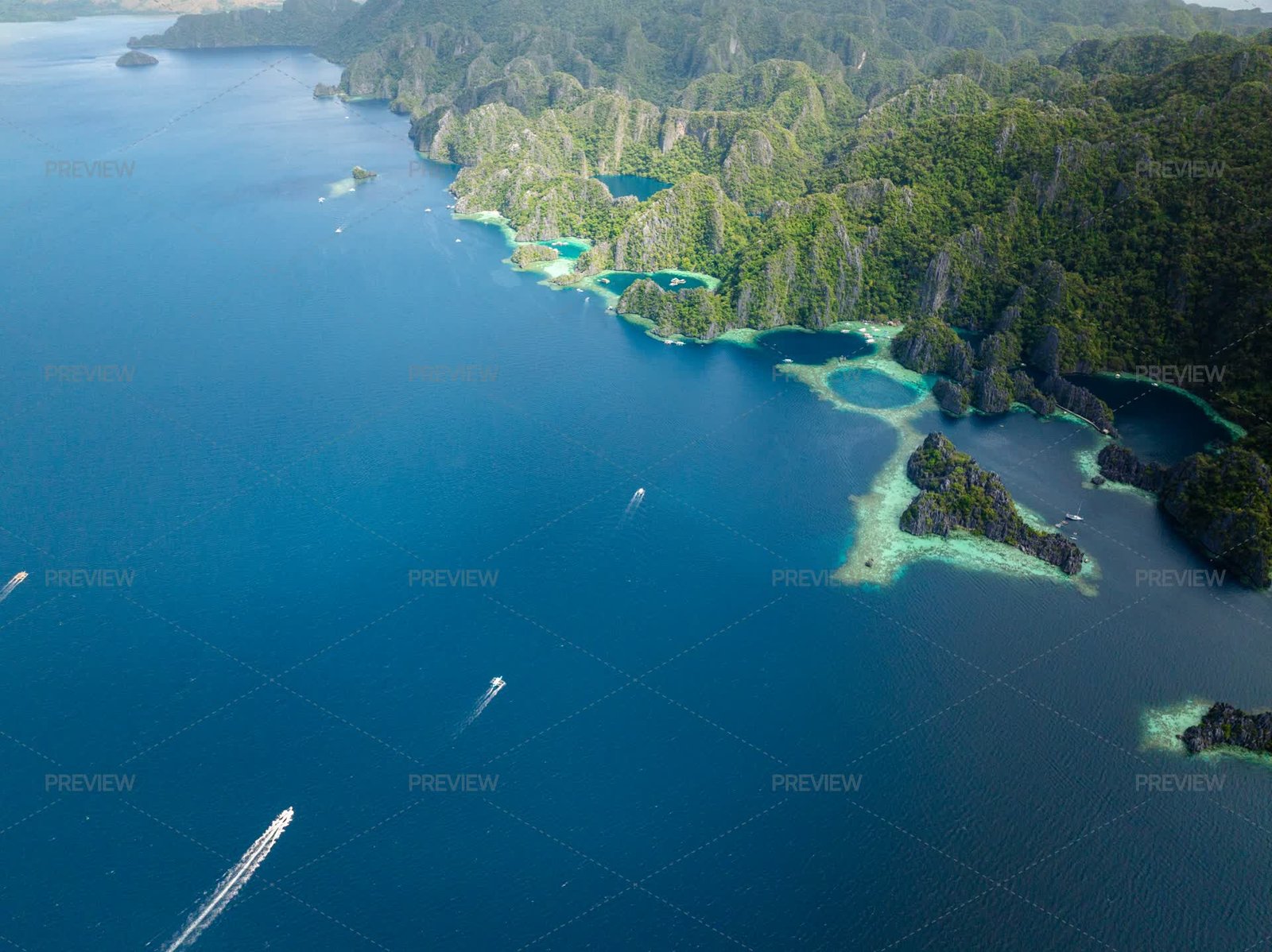
Last line for two: the itinerary's real job is to protect the mood, not fill the days. Ours are written in that order — and the favourite story, as always, will come from the free day.
07.The Surprise Architecture
Great honeymoons keep one partner surprised, and the architecture is learnable. The desk’s two-envelope method: both partners receive the day-by-day skeleton; one partner — the planner — also receives the staged layer: the night, the hour, the where. The staged layer’s rules: never twice in one chapter, always on a stillness day, never the free day — surprises need slack to land in. The classic stagings: the arrival-night room celebration, the midweek floating breakfast, the sand dinner with the tide consulted, the final-night letter read at the sunset spot.
The crew’s role: guides and resort teams execute the stage directions invisibly — the table appears, the boat waits, the photographer evaporates. The budget note: staging prices gently when arranged before landing — the surprise surcharge is a myth; the planning surcharge is real and it is yours alone. Tell the desk who is planning; the envelope goes out with the vouchers, and the other half of the honeymoon begins its delightful ignorance.
- Two envelopes — skeleton for both, staging for one.
- Never on the free day — surprises need slack.
- Staged before landing — the surcharge is a myth.
08.Honeymoon Itinerary Questions, Answered Softly
The couples’ rapid round. “Do we really need ten days?” — seven works; ten lets the stillness chapter breathe, and honeymoons are measured in breath. “Can we skip the lagoons?” — you can; but the private-boat morning is the trip’s signature memory, and skipping it skips the album’s best spread. “Matching outfits — yes?” — the sand dinner says yes; the canyon run says comfort. “Phones on the boat?” — one out, one dry-bagged; the couple rule that preserves both the photos and the moment.
“Do we tip the crew who staged the surprise?” — yes, and name them in the review; the recognition travels back to the island. “Can parents call daily?” — the time difference is kind; the morning update is one-to-one. “What if it rains on the sand dinner?” — the desk reschedules to the next still night; the tide is consulted, not defied. “Last question: will it feel planned or magical?” — that is the itinerary’s whole craft: planned so thoroughly it feels like magic, magical so naturally you forget the planning. Both answers, one booking.
- Ten days for the breath — honeymoons measure in it.
- One phone out, one dry — the couple’s boat rule.
- Planned into magic — the craft’s whole sentence.
09.Frequently Asked Questions
Honest answers to the questions couples ask our desk most often about honeymoon itineraries across the Philippines.
What does a good Philippines honeymoon itinerary look like?
Ten days, two islands, one rhythm: an arrival arc that absorbs the journey, a lagoon chapter with private-boat mornings, a stillness chapter of spa hours and calm shallows, staged evenings on nights two, seven and eight, and one free day per chapter. Mornings for wonder, afternoons for stillness, evenings staged or spontaneous.
How many days should a Philippines honeymoon run?
Ten days is the desk's most-booked shape — enough for the arrival arc, a lagoon chapter and a stillness chapter. Seven days works by trimming a chapter; twelve adds a third island or a longer slow run. Whatever the length, protect the final two nights for stillness and the departure from sand.
Should honeymoon boat days be private or joiner?
Private for the honeymoon — couple-pace mornings, itineraries that linger, crews who celebrate newlyweds. It is the trip's signature spend and, per every debrief, its signature memory. One optional joiner-style day can stay on the menu for variety, but the lagoon chapter's marquee day deserves your own boat.
Where should the staged dinners fall in the itinerary?
Night two for the sunset cruise — the journey officially behind you — and nights seven or eight for the sand dinner: late enough to be earned, early enough to repeat it. Book both before landing, when operators stage them beautifully and often price them kindly for the pre-arranged.
Can the honeymoon itinerary be customised to our style?
Always. Adventure-leaning couples trade a spa day for the canyon or a dive; quiet-purists swap the second chapter for a boat-access cove; seven-day versions trim a chapter. The grammar — wonder mornings, stillness afternoons, staged evenings, one free day per chapter — stays constant. Send your temperament; the plan returns day by day.
How do we keep part of the honeymoon a surprise for one partner?
With the two-envelope method: both receive the day-by-day skeleton, the planning partner also receives the staged layer — nights, hours, places. The desk executes with the crews invisibly, and staging arranged before landing prices gently. The surprised partner's ignorance is the itinerary's best-kept line.
Which surprises work best in the Philippines?
The arrival-night room celebration, the midweek floating breakfast, the sand dinner with the tide consulted, and the final-night letter at the sunset spot. Rules that keep them landing: never twice in one chapter, always on stillness days, never on the free day — surprises need slack to be magic.
What if it rains on our staged beach dinner?
The desk reschedules to the next still night — the tide is consulted, never defied — and the resort’s covered terrace holds a ready alternative with the same candles. Honeymoon staging always carries a weather plan; the romance is engineered to survive the sky’s opinions.
Ready when you are: every enquiry is free and without obligation. Tell us your travel month and group size — a real travel specialist (not a bot) replies within 24 hours, or WhatsApp us for a same-day answer.