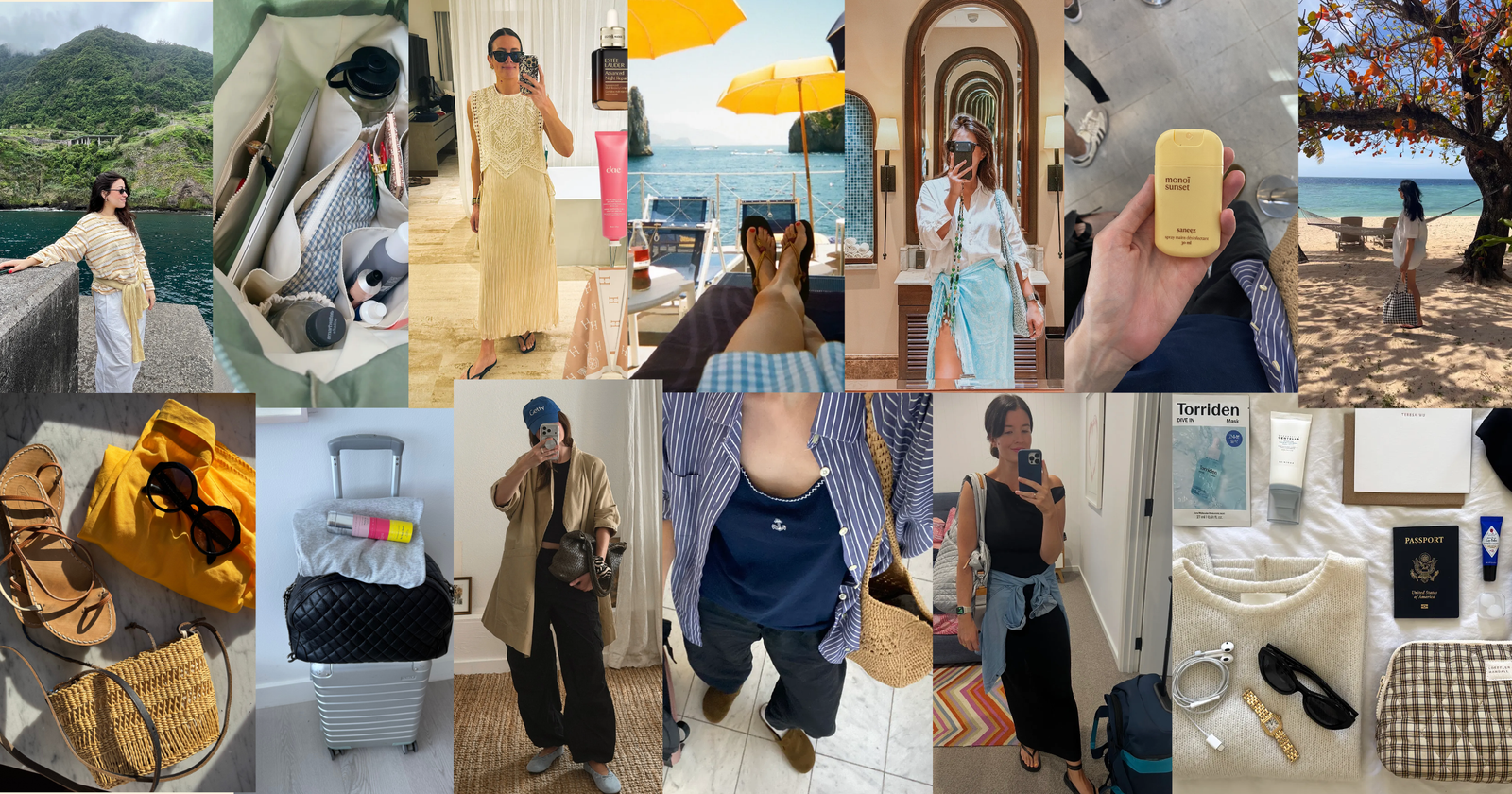
Every budget guide prints numbers; the trouble is that numbers age and styles differ. This guide explains the Philippines cost of travel the durable way — in words: what drives each line, how the three budget styles actually live, what feels expensive (rarely), what feels free (constantly), and the spending habits that make island money go gently. Read it once and every quote you meet afterwards will make instant sense.
01.The Cost Philosophy: Style Over Season
The Philippines’ cost structure bends to style more than season. The same islands host light backpacker weeks and villa-and-private-boat celebrations, and both versions eat the same mangoes under the same sun. Three styles cover nearly everyone: simple — guesthouses, ferries, carinderia tables, and adventure by the day; comfortable — beachfront rooms, guided boat days, most meals arranged, the style most visitors choose; celebratory — villas, private boats, staged evenings, the milestone edition.
What the styles share is the floor: the country’s baseline costs — food, local transport, entrance fees, the sea itself — run gentle by world standards. Style determines how far above the floor you live; the floor itself is kind. That is the philosophy every line below follows.
- Three styles — simple, comfortable, celebratory.
- A kind floor — food, transport and fees run gentle.
- Style over season — the bigger lever, always.
02.Stays: Where the Nights Priced
Accommodation is the trip’s biggest recurring line and its clearest style dial. Simple stays — family inns, hostels, fan rooms — keep nights light and often sit charmingly close to local life. Comfortable stays — beachfront and boutique — buy the position that upgrades every morning: sand at the doorstep, breakfast facing the water. Celebratory stays — pool villas, cove resorts reachable by boat — make the room itself the destination.
The spending rule that outperforms every tariff: location beats luxury. A modest room on the sand outperforms a grand one behind the road, tested nightly. Within any style, spend upward on position before size, and book beachfront early in peak months — the best addresses hold calendars, not vacancies. Our quotes name exact properties so the line you are buying is the line you get.

Peak-month note: the same room prices firmer in the dry arc — not dramatically, but enough that early booking buys position rather than paying for its absence.
03.Food and Transport: The Gentle Lines
Food is the country’s gift to budgets. Carinderias — the humble eateries — serve the truest cooking at pocket prices; market stalls feed mornings; even beachfront dinners stay reasonable by holiday standards. The mango alone justifies the flight. Transport splits kindly: domestic flights cost a fraction of the international journey, ferries price lighter still, tricycles run on small notes and agreement, and island-hopping scales from social joiner boats to private charters as style dictates.
The habits that keep the gentle lines gentle: eat where queues are local, agree tricycle fares before boarding, carry small notes for islands, and top up data at convenience stores rather than roaming. None of this feels like budgeting — it is simply how the country runs, and visitors who adopt its rhythms spend like contented locals.
04.Tours and Splurges: Where Money Buys Memory
The trip’s meaningful spends concentrate in a few places: boat days — the signature line, scaling from joiner-social to private-exclusive; adventure days — canyoneering, diving, surf coaching — all priced against licensed operation rather than improvisation; the staged evening — one celebration dinner or sandbar picnic that anchors the album; and spa hours, which price so gently they become a daily habit rather than a splurge. Entrance fees, by contrast, barely register.
The desk’s hierarchy from years of debriefs: location first, one private boat day second, one staged evening third — everything else can economise without the trip noticing. Travellers who invert the hierarchy report the only cost regrets; travellers who follow it report that the totals felt smaller than the memories. Money converts to wonder efficiently here — the exchange rate, in that sense, is famously generous.
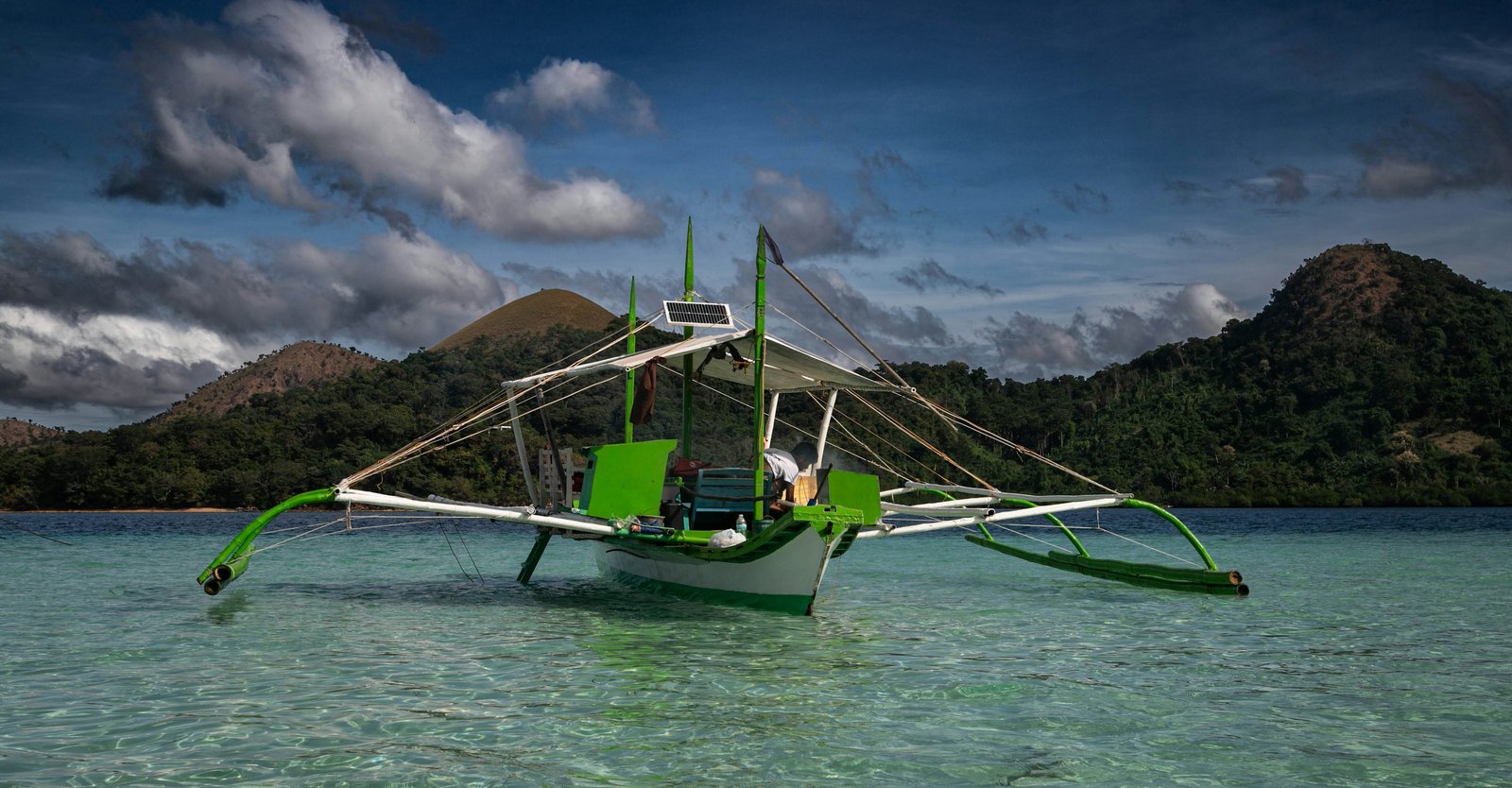
Splurge honesty: the staged celebration dinner is worth arranging before landing, when operators stage it beautifully — and often price it kindly for the pre-arranged.
05.Daily Rhythms by Style
Simple style lives lightly: guesthouse nights, carinderia tables, joiner boats and long beach days — the Philippines at its most original, and comfortably affordable. Comfortable style — the majority — adds beachfront nights, guided days, arranged transfers and most meals: the trip runs smoother than its planning and prices mid-range by world standards. Celebratory style adds the villas, private boats and staged evenings — meaningful spends that still undercut rival destinations charging the same for less.
Across all three, the daily constant is the sea: free at sunrise, free at noon, free at sunset. The Philippines’ real cost advantage is structural — its best entertainment grew out of the water, and water, so far, remains free.
06.Planning Your Spend With a Quote
Words make costs understandable; quotes make them yours. Send the desk your dates, party and style, and the line-by-line quote translates this guide into your trip: stays named, boats specified, meals mapped, exclusions honest. Tweak the style dial — see what a private boat adds, what a guesthouse night saves — and the picture becomes a decision. The exercise is free, and travellers consistently describe it as the moment the trip became real.
Our quotes follow the spending hierarchy by design — built to put your money where the memory lives. Enquiries are free and obligation-free; the sea, as established, is already paid for.
Final line: the Philippines is not a cheap destination or an expensive one — it is an honest one. Spend on what you will remember, save on what you will not, and the budget writes itself.
07.Money Habits That Stretch the Budget
Six habits, learned from watching careful travellers. Withdraw in cities, sparingly in islands — ATM coverage follows population, and the habit of cash caches avoids the desperate-fee withdrawal. Carry small notes always — tricycles, kiosks and kindnesses run on them. Eat the queue — local queues certify both quality and price. Book the anchors early, buy the rest on the day — peaks reward advance, shoulders reward patience. Share the boats — joiner days for the social calendar, private days saved for the one that matters. Track lightly, not anxiously — a daily glance beats a nightly audit, and holidays are not spreadsheets.
Add the two free habits that cost nothing: mornings at the sea and evenings at the sunset — the country’s finest entertainments, priced as always at zero. Travellers who run these six plus two report budgets that behaved — not because they spent little, but because they spent deliberately. Deliberate spending is the entire secret; the Philippines makes it easy by making almost everything worth it.
- Cash caches in cities — the desperate-fee avoidance plan.
- Book anchors, buy shoulders — timing as a spending habit.
- Track lightly — holidays are not spreadsheets.
08.Cost Questions, Answered in Words
The wallet’s rapid round, still in words. “Cheapest month?” — the green arc’s depths; the trade is brief showers for soft numbers. “Most overrated spend?” — the room upgrade behind the road; position beats marble, always. “Most underrated spend?” — the guide’s day rate; stories outlast square metres. “Cheapest island?” — the quiet ones; the secrets cost less than the stars and give more.
“Cash amount for a week of islands?” — enough for kiosks, tricycles and kindnesses; the desk’s suggested range travels with the quote. “Is tipping expected?” — modest and appreciated; the crew’s gratitude is precise and permanent. “Do packages hide fees?” — honest ones print everything; the test is the exclusions block. “The cheapest luxury?” &mdash> the massage habit; the priciest bargain? — the souvenir bought before the trip taught you. The words hold; the numbers, as ever, belong to your dates and your style — one message away, line by line.
- Position beats marble — the overrated upgrade, named.
- Stories outlast square metres — the guide’s day rate, underrated.
- Secrets cost less than stars — and give more.
09.Frequently Asked Questions
Honest answers to the questions travellers ask our desk most often about what things cost across the Philippines.
What determines the cost of travelling in the Philippines?
Style over season. Three styles — simple, comfortable, celebratory — move the total more than any calendar, while the country's cost floor (food, local transport, entrance fees) runs gentle by world standards. Stays are the biggest recurring line; boat days are the signature one.
How expensive are food and local transport in the Philippines?
Genuinely gentle. Carinderias and market stalls serve the truest cooking at pocket prices; even beachfront dinners stay reasonable. Tricycles run on small notes and agreed fares, ferries price lighter than flights, and convenience-store top-ups keep connectivity kind. Eat where queues are local and the budget thanks you.
Where is it worth spending more in the Philippines?
Follow the hierarchy: room location first — a modest room on the sand beats a grand one behind the road — then one private boat day, then one staged celebration evening. Spa hours price so gently they become habit. Entrance fees barely register; the sea remains free at every hour.
Is the Philippines expensive compared with other beach destinations?
No — it flatters its visitors. Comfortable style (beachfront nights, guided boat days, most meals) prices mid-range by world standards, and celebratory style undercuts rivals charging the same for less. The structural advantage: the country's best entertainment is the water, and the water is free.
How can I see what my own trip would cost?
Request a line-by-line quote — dates, party and style — and the guide becomes arithmetic: stays named, boats specified, meals mapped, exclusions honest. Tweak the style dial to see what each choice adds or saves. The exercise is free, obligation-free, and usually the moment the trip becomes real.
What money habits help most in the Philippines?
Withdraw cash in cities and carry caches for islands, keep small notes for tricycles and kiosks, eat where local queues certify quality, book the peaks early while buying the shoulders on the day, share boats socially and save private days for the one that matters, and track with a glance rather than an audit.
How do travellers avoid overspending without tracking everything?
By spending deliberately rather than constantly: decide the three memory lines in advance — usually location, one private boat day and one staged evening — and let everything else follow the country's gentle default prices. Deliberate spending makes almost every peso visible in the album; that is the whole trick.
What is the most underrated and most overrated spend in the Philippines?
Underrated: the guide’s day rate — stories outlast square metres, and licensed company converts scenery into meaning. Overrated: the room upgrade behind the road — position beats marble every morning. Between those two calibrations, most budgets find their balance without another spreadsheet.
Ready when you are: every enquiry is free and without obligation. Tell us your travel month and group size — a real travel specialist (not a bot) replies within 24 hours, or WhatsApp us for a same-day answer.